





Adding Decimals Worksheet Grade 2 Overview
As a parent, I've found that teaching my kids how to tell time can be a real challenge. It's one of those skills that seems simple but can be tricky to master, especially for younger learners. That's why I'm a big fan of telling time worksheets; they provide a fun and practical way for kids to grasp the concept and build their time-telling skills. I even know a friend who used a clock worksheet to help their child understand elapsed time, and it worked like a charm!
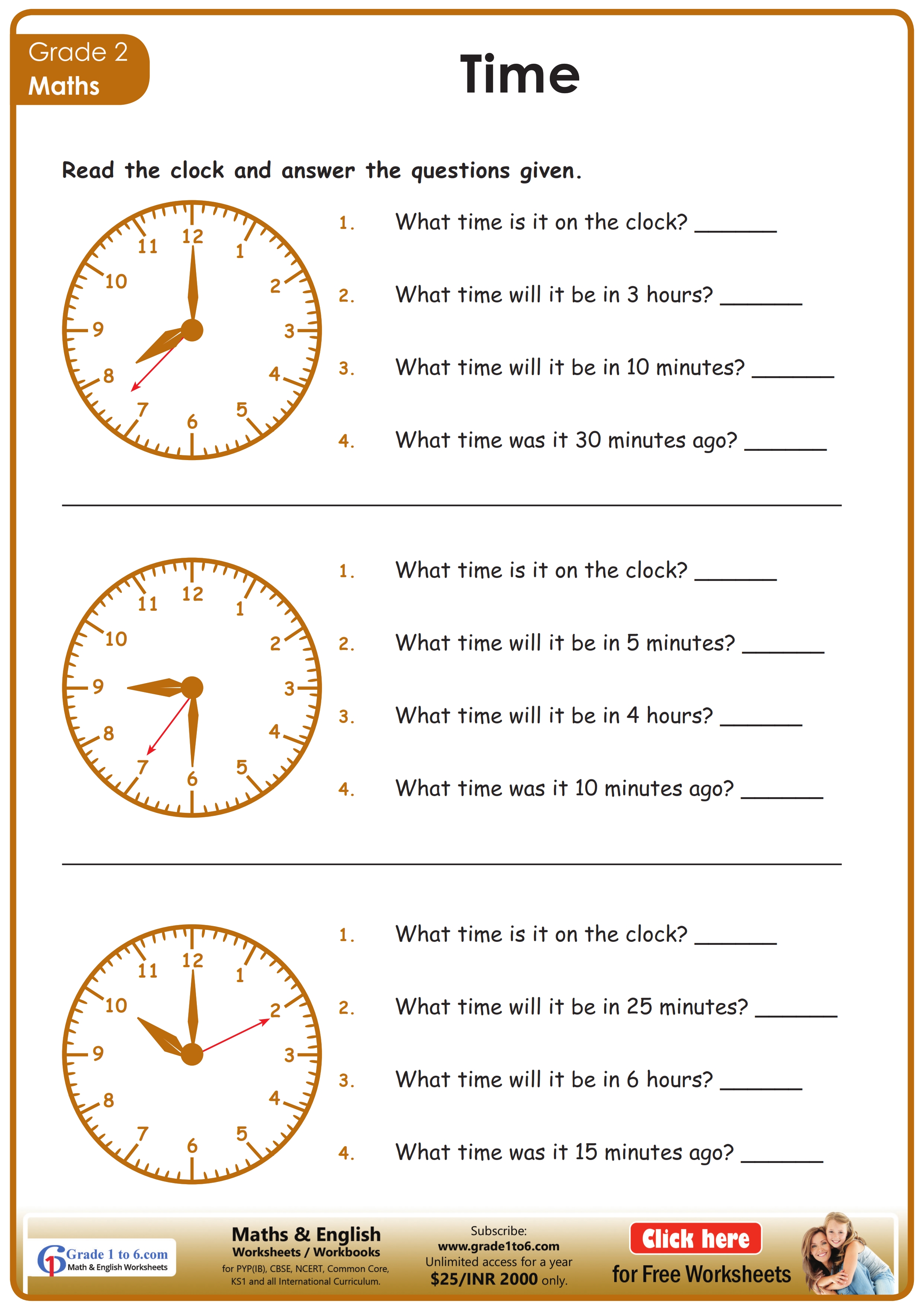
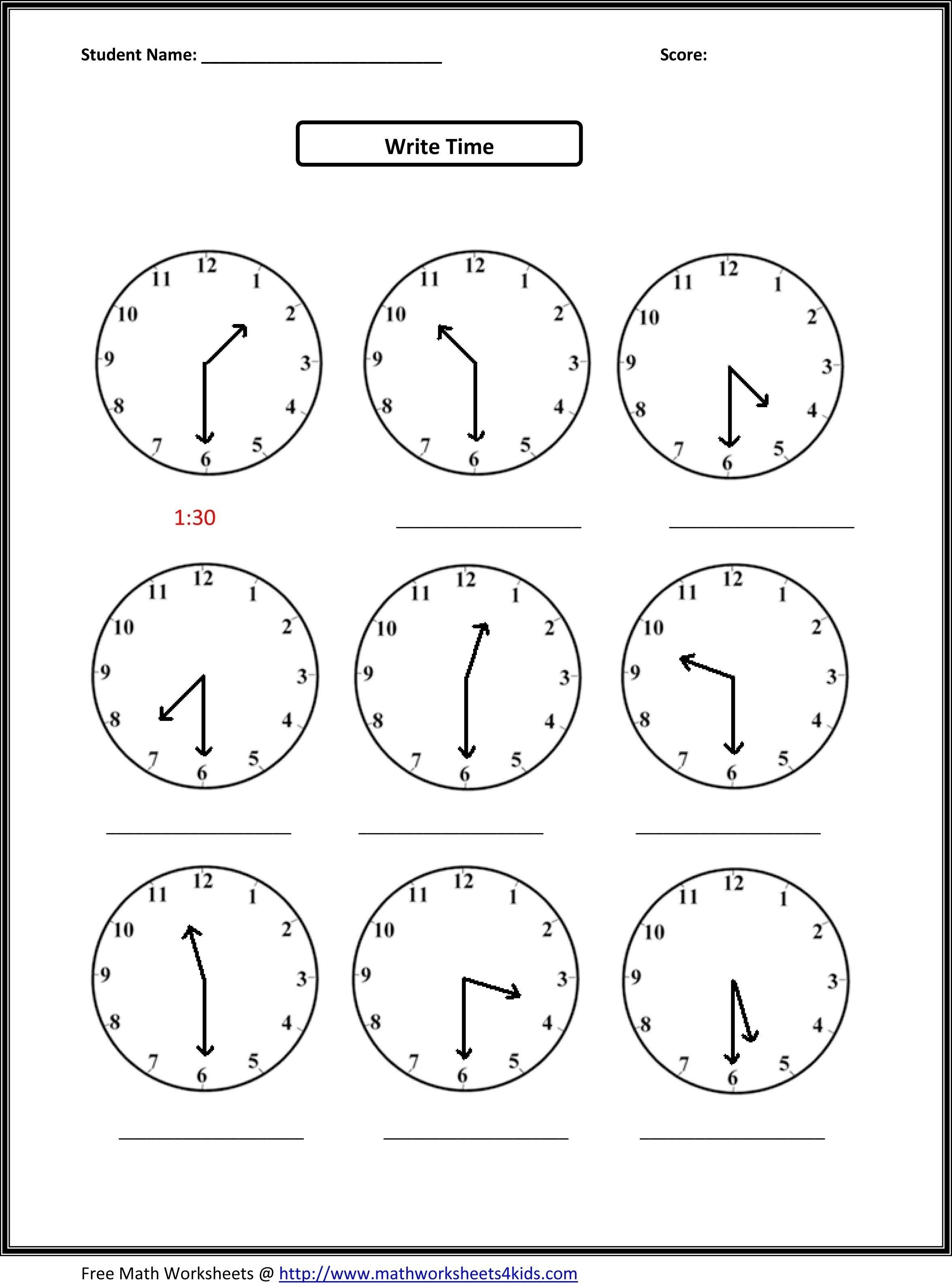
Telling time practice for Year 2 students
Telling Time: A Skill Worth Mastering
Analog and Digital Time Practice Sheets
One of the most effective ways to teach time-telling is by using telling time worksheets. These versatile resources offer a range of activities to cater to different learning styles and abilities. From simple analog clock exercises to more complex digital time problems, these worksheets provide a structured approach to mastering time-telling.
Grade 1 clock worksheet: analog and digital
For younger learners, starting with analog clocks is often the best approach. Worksheets can introduce the concept of clock hands and their movement, helping kids understand the relationship between the hour and minute hands. They might begin with basic tasks like identifying the hour hand's position and gradually progress to more advanced skills, such as reading analog clocks with both hands.
Printable time-telling practice sheets
As learners advance, telling time worksheets can incorporate digital time problems. This transition from analog to digital time is an essential step, as it reinforces the understanding of time concepts and prepares kids for real-world scenarios where digital clocks are prevalent.
Free time-telling worksheets for all
Elapsed Time and Time Conversion Tasks
Beyond the basics, telling time worksheets can also delve into more advanced concepts like elapsed time and time conversion. These worksheets challenge learners to think critically about time intervals and apply their understanding of time-telling in practical situations.
Grade 2 telling time worksheets
For instance, a worksheet might present a scenario where kids need to calculate the time difference between two events, helping them grasp the concept of elapsed time. This skill is not only useful for everyday life but also lays the foundation for more complex mathematical concepts.
Analog time practice sheet (beginner)
Time conversion tasks are another valuable aspect of these worksheets. Learners might be asked to convert time from analog to digital formats or vice versa, reinforcing their understanding of time units and their relationships.
Kiddoworksheets time-telling practice
How Do Telling Time Worksheets Help Kids Learn?
A common question about telling time worksheets is how they contribute to a child's learning journey. These worksheets offer a structured and engaging approach to learning, providing a step-by-step progression from basic to advanced time-telling skills.
Telling time: worksheet #3
By presenting time-telling concepts in a visual and interactive format, worksheets make learning more accessible and enjoyable. Kids can actively participate in their learning process, which is crucial for long-term retention and understanding.
Free printable time-telling worksheets
Furthermore, telling time worksheets often include a variety of activities, ensuring that learners with different learning styles can find a suitable approach. Whether it's matching times, completing time-related word problems, or engaging in interactive clock activities, these worksheets cater to diverse learning preferences.
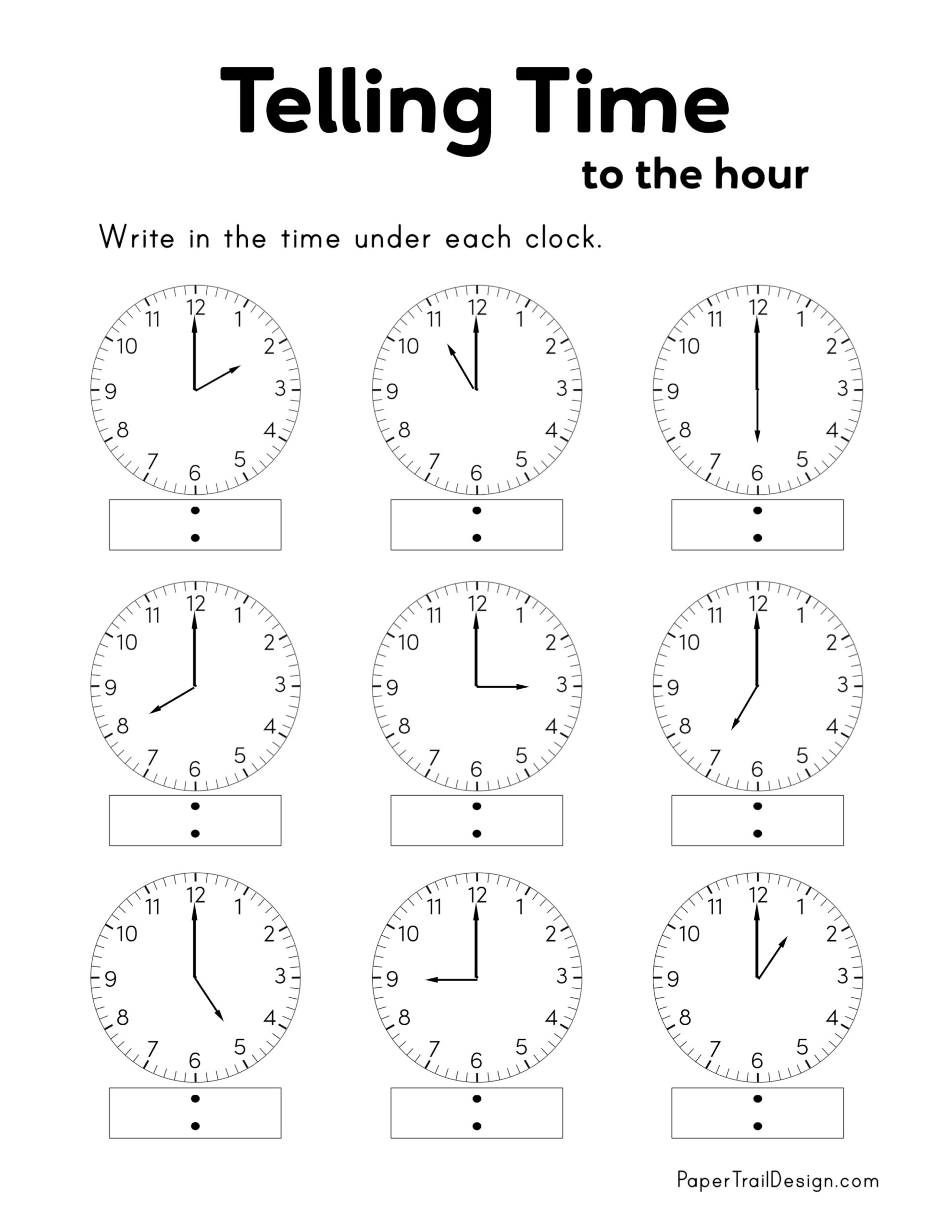
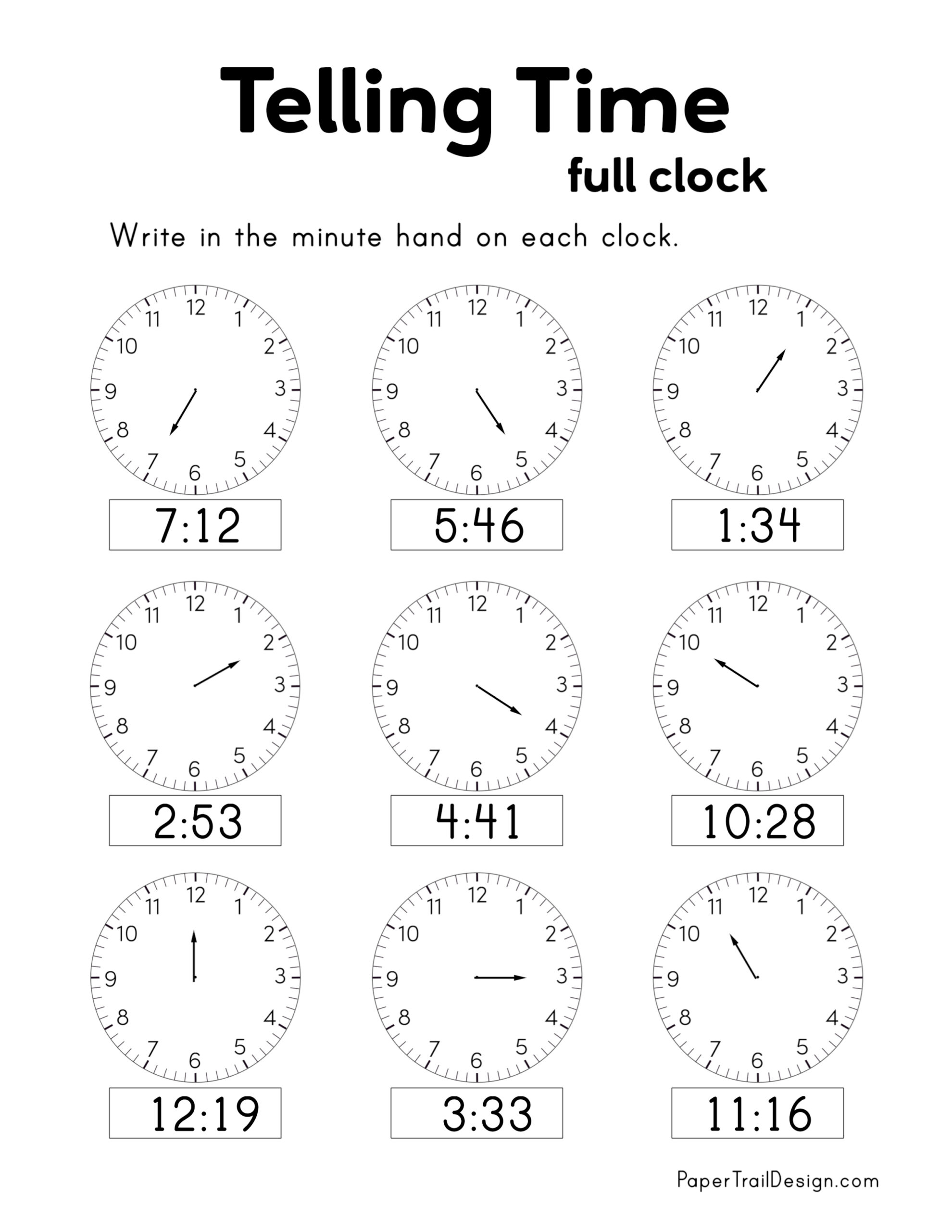
Paper Trail Design: time-telling practice
Printing and Practicing with Telling Time Worksheets
When it comes to using telling time worksheets, printing and practicing play a crucial role. Whether in a classroom, homeschool, or tutoring setting, having physical worksheets allows for a hands-on learning experience.
Kids Activity Zone: learn to tell time
For teachers and tutors, having a collection of telling time worksheets at their disposal provides a ready-made resource for individual or group practice. They can easily assign specific worksheets based on the learning goals and the progress of each student.
Time-telling worksheets for kids
Parents can also benefit from these worksheets, especially when homeschooling or supporting their child's learning at home. Printing out worksheets allows for a structured practice routine, ensuring kids get regular exposure to time-telling concepts.
Practical Applications: From Classroom to Real Life
The skills learned through telling time worksheets have practical applications beyond the classroom. Being able to read analog clocks and understand digital time formats is an essential life skill.
In everyday life, kids will encounter time-telling scenarios, from reading bus schedules to understanding cooking timers. By practicing with worksheets, they build a solid foundation for navigating these real-life situations with confidence.
Furthermore, the critical thinking skills developed through elapsed time and time conversion tasks can benefit learners in various subjects, from math to science. These worksheets provide a fun and practical way to enhance a child's overall learning experience and prepare them for the real world.
So, whether you're a teacher, tutor, or parent, consider incorporating telling time worksheets into your teaching toolkit. With their versatility and practical focus, these worksheets are a valuable resource for helping kids master the art of telling time. 21 Chicano Tattoo Stencil Ideas offer a unique artistic expression, just as telling time worksheets provide a creative approach to learning.
Telling time is a fundamental skill, and these worksheets offer a fun and engaging way to master it. With a variety of exercises, you can tailor your learning experience and make it an enjoyable adventure. So, grab a pen, print out a few sheets, and dive into the world of time-telling!
Don't forget to leave a comment and share your progress or any fun tips you discover along the way. We'd love to hear about your unique learning journey and any insights you gain from these worksheets!
Learn to read analog and digital clocks
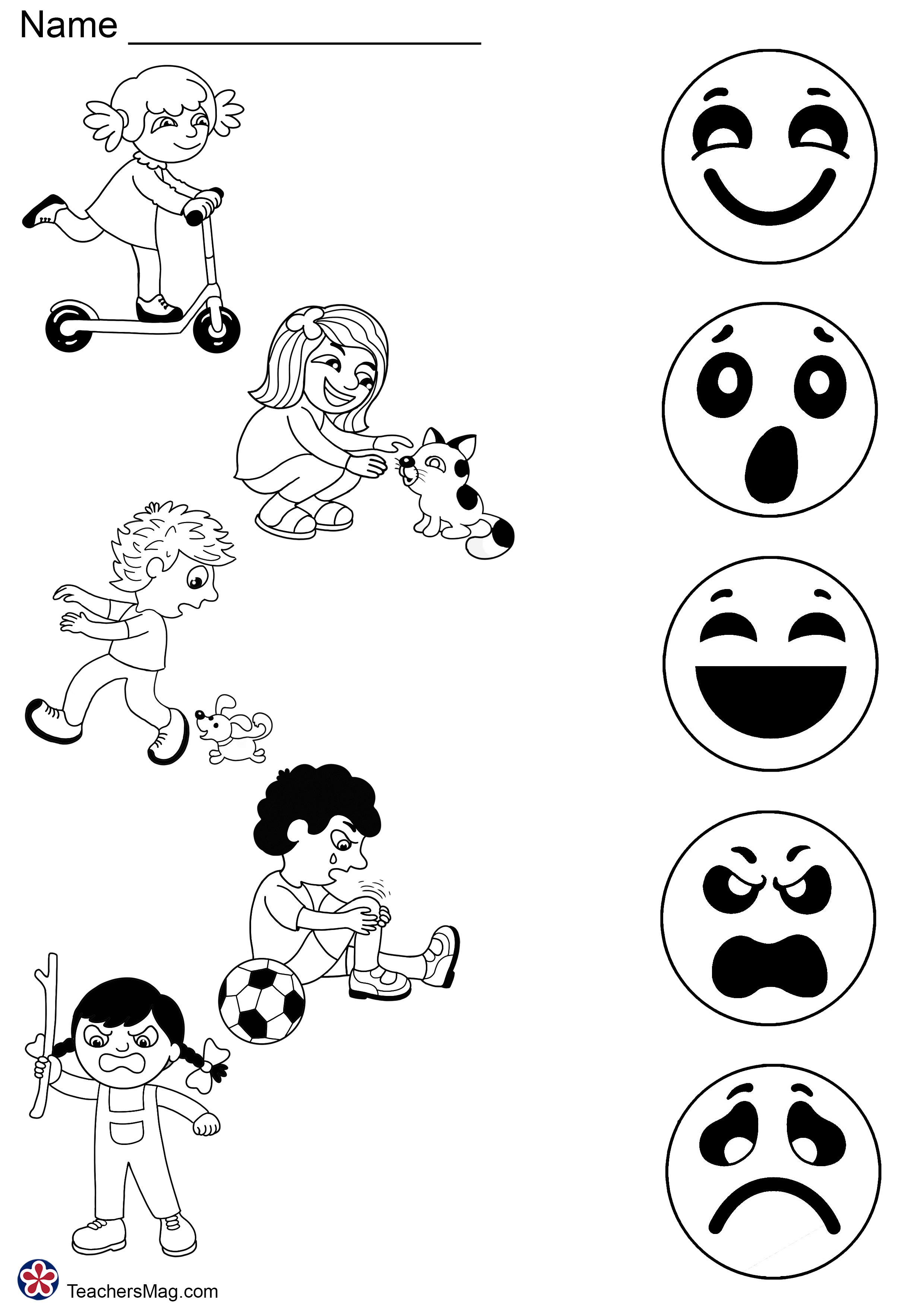
Read also: 20 Social Skills Worksheets for Kids
Related: Easy Letter I Worksheets for Preschool Kids
As a parent, I'm always on the lookout for fun and engaging ways to help my little ones learn their letters. Letter i preschool worksheets can be a lifesaver for us, offering a simple yet effective tool to practice and reinforce those early reading skills. These worksheets, like letter i pictures for kindergarten, provide a structured approach to learning, which is a great bonus for parents and teachers alike.
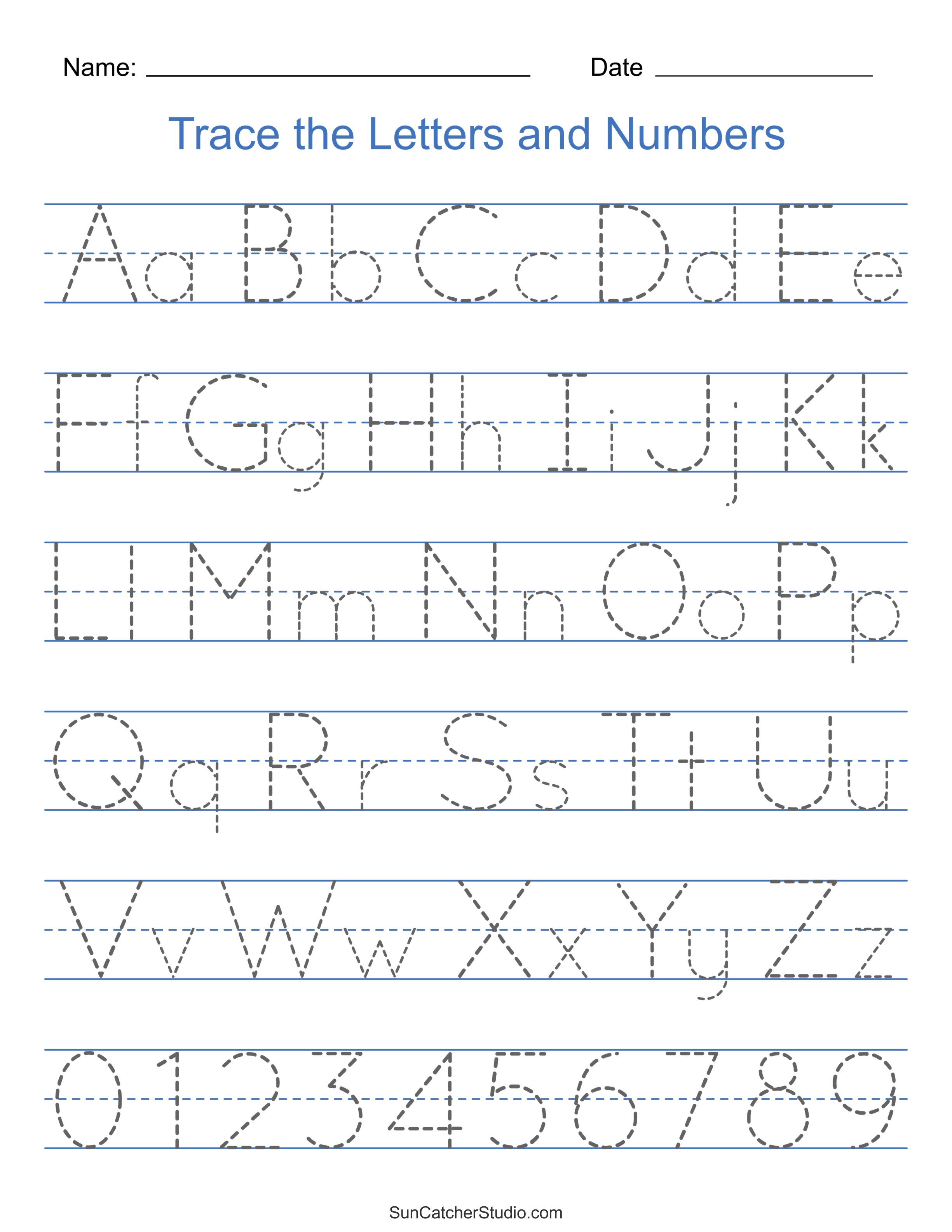
Practice tracing letter I with ink.
Identifying the "I" in the Crowd
Letter i preschool worksheets are an excellent resource for early literacy development, focusing on one of the most commonly used letters in the English language. These worksheets offer a range of activities designed to help young learners grasp the concept of the letter "i" and its various forms and sounds. By providing a structured and engaging learning experience, these worksheets lay a strong foundation for reading and writing skills.
Printable letter I practice sheets.
Beyond the Basics: Advanced Letter "I" Worksheets
While the basic letter i pictures for kindergarten worksheets are a great starting point, there are also more advanced options available for older preschoolers or those who are ready for a challenge. These worksheets often introduce new concepts and activities, such as identifying the initial sound of "i" in words or practicing writing sentences with "i" as the subject or object. For example, a worksheet might ask children to circle all the pictures that start with the sound of "i," like ice cream or igloo. This not only reinforces letter recognition but also helps develop phonemic awareness, a crucial skill for reading success.
Fun activities for letter I.
Additionally, some worksheets may feature more complex tasks, like matching uppercase and lowercase "i" or even identifying different shapes that resemble the letter "i," like a tall, thin rectangle or a narrow triangle. These activities encourage critical thinking and visual discrimination skills, making learning fun and interactive.
Phonics: letter I for kindergarten.
People Also Ask: What Makes Letter "I" Worksheets So Effective?
A common curiosity among parents and educators is what sets letter i preschool worksheets apart from other learning resources. The answer lies in their ability to offer a multi-sensory learning experience. These worksheets often incorporate a variety of activities, from tracing and writing the letter "i" to identifying it in words and pictures. This variety keeps children engaged and caters to different learning styles, ensuring that all students can find an activity that suits their preferences and abilities.
Alphabet letter I craft and trace.
Furthermore, letter i preschool worksheets are designed with a clear focus on the letter "i," allowing for targeted practice and reinforcement. This targeted approach helps children master the letter's shape, sound, and usage, building a strong foundation for future reading and writing.
Letter I: a creative preschool activity.
How to Make the Most of Letter "I" Worksheets: Practical Tips
When using letter i preschool worksheets, it's important to consider a few practical tips to ensure an effective learning experience. First, choose worksheets that are appropriate for your child's age and skill level. While it's good to offer a challenge, worksheets that are too advanced may frustrate young learners. On the other hand, worksheets that are too simple may not provide enough stimulation.
Coloring and tracing letter I.
Secondly, consider the learning environment. In a classroom setting, these worksheets can be used as individual or group activities, fostering collaboration and discussion. At home, parents can create a dedicated learning space and set aside regular time for worksheet practice, making it a fun and anticipated part of the day.
Trace and learn with letter I.
Finally, don't underestimate the power of repetition. While it's important to offer a variety of activities, repeating certain worksheets or activities can help reinforce learning and build confidence. Children often enjoy the familiarity of repeating a favorite worksheet, and this repetition can solidify their understanding of the letter "i."
Basic skills for kindergarteners.
Interactive Fun: Bringing Letter "I" to Life
One of the most exciting aspects of letter i preschool worksheets is the opportunity for interactive learning. Many worksheets feature interesting ideas and activities that bring the letter "i" to life. For instance, a worksheet might ask children to cut out pictures of items that start with the letter "i" and paste them onto a separate sheet, creating a collage or scene. This hands-on activity not only reinforces letter recognition but also encourages creativity and fine motor skills.
Tracing letter I: a fun worksheet.
Another interactive idea is to create a "letter i hunt" around the house or classroom. Children can search for objects that start with the letter "i" and bring them back to a central location, reinforcing their understanding of the letter's sound and usage in a fun, real-world context.
Free printable letter I resources.
These interactive activities not only make learning enjoyable but also help children make personal connections to the letter "i," fostering a deeper understanding and a love for learning.
Find and color letter I.
As a parent, I've found that letter i preschool worksheets are a fantastic tool for early literacy development. By offering a range of activities and a structured approach, these worksheets provide an effective and engaging way to teach young children about the letter "i." Whether used in a classroom, for homeschooling, or as a fun activity at home, these worksheets are a valuable resource for any early learner's journey.
With a focus on letter recognition, phonics, and visual discrimination, letter i preschool worksheets offer a well-rounded learning experience. By incorporating interactive elements and a variety of activities, these worksheets make learning fun and memorable. So, whether you're a parent, teacher, or tutor, consider adding these worksheets to your early literacy toolkit—your little ones will thank you!
Hey there, future educators! We hope you're feeling inspired to dive into the world of letter "i" with these awesome worksheets. Remember, learning should be fun, so don't stress if your little ones need some extra practice. These resources are a great way to keep them engaged and on track.
So, why not give it a go? Print out a few worksheets, gather some colorful pencils, and let the learning adventure begin! We'd love to hear how it goes, so leave a comment and share your experiences below. Happy teaching!
Learn English: phonics for kids.
Read also: 22 Free Traceable Alphabet Worksheets
Related: 18 Writing Worksheet Ideas for Kindergarten
As a parent, I'm always on the lookout for fun and engaging ways to help my kids learn. And when it comes to writing, writing worksheets for kindergarten can be a real lifesaver! These worksheets are a great tool to get little ones excited about putting pen to paper. From pre-writing activities to coloring pages, there's a whole range of resources to choose from. I even came across a cool idea for rose tattoo stencil designs recently, 11 Rose Tattoo Stencil Ideas, which could be a fun way to inspire some creative writing!
Alphabet fun: a comprehensive tool for kids.
A Fun Way to Master Early Writing Skills
Writing worksheets for kindergarten are a fantastic resource for young learners, offering a structured yet playful approach to mastering early writing skills. These worksheets provide a variety of activities that engage and excite children, making the learning process enjoyable and effective. From tracing letters to creating simple sentences, these worksheets cover a range of writing fundamentals, helping kids build a strong foundation for future writing endeavors.
Practice sheet: perfect handwriting, every time.
Pre-Writing Activities and Beyond
One of the key benefits of writing worksheets for kindergarten is their ability to cater to different skill levels. For beginners, pre-writing activities are a great starting point. These often involve tracing lines, shapes, and simple patterns, helping children develop fine motor skills and hand-eye coordination, which are essential for writing. As kids progress, they can move on to more advanced worksheets that focus on letter formation, word recognition, and eventually, sentence construction.
Kindergarten writing: a printable, handwriting guide.
These worksheets often include a mix of visual and written prompts, making them ideal for visual learners. For instance, a worksheet might have a picture of an apple with the word "apple" written below, encouraging kids to trace the word and then practice writing it on their own. This combination of visual and written cues helps reinforce learning and makes the process more engaging.
Sentences for beginners: an engaging activity.
How Can Writing Worksheets Benefit My Child?
Writing worksheets for kindergarten offer a multitude of benefits, especially when it comes to language development. By engaging with these worksheets, children not only improve their writing skills but also enhance their vocabulary and comprehension. The worksheets often introduce new words and concepts, encouraging kids to explore and understand the world around them through language.
Custom writing: a unique practice resource.
Furthermore, writing worksheets can be a great tool for parents and educators to assess a child's progress. By observing how a child interacts with the worksheets—whether they understand the prompts, can follow instructions, and how they approach the writing tasks—adults can gain valuable insights into the child's learning journey. This information can then be used to tailor future learning experiences, ensuring that the child's needs are met and their learning is supported.
Tracing letters: a preschool handwriting activity.
How Do I Choose the Right Worksheets?
When selecting writing worksheets for kindergarten, it's important to consider the child's age, grade level, and individual learning needs. Worksheets should be age-appropriate and offer a good balance of challenge and support. For instance, if a child is just starting to write, worksheets with large tracing areas and simple instructions might be more suitable. As the child's skills improve, worksheets can become more complex, introducing new letters, words, and writing styles.
Free tracing letters: an essential preschool skill.
It's also beneficial to choose worksheets that align with the child's interests. If a child loves animals, worksheets with animal-themed writing prompts or coloring pages might be more engaging and motivating. Similarly, incorporating seasonal or holiday-themed worksheets, like our 22 Thanksgiving Activity Worksheets for Kids, can add an extra layer of excitement to the learning experience.
Number practice: mastering 1 to 10.
Write and Draw: A Creative Journey
One of the most enjoyable aspects of writing worksheets for kindergarten is the opportunity they provide for creativity. Many worksheets include space for children to draw pictures or illustrate their writing. This write and draw approach not only encourages creativity but also helps reinforce the writing process. Kids can bring their stories to life with colorful illustrations, making their writing more personal and meaningful.
Tracing alphabet: a fun handwriting exercise.
Additionally, writing worksheets often include fun themes and scenarios, such as writing a letter to a friend or creating a story about a magical adventure. These imaginative prompts inspire children to think creatively and express their ideas in writing. By combining writing with drawing and imaginative play, these worksheets make learning an enjoyable and memorable experience.
Alphabet worksheets: a preschooler's learning tool.
In conclusion, writing worksheets for kindergarten are a valuable tool for parents, teachers, and tutors looking to support early writing skills. With their variety of activities, progressive difficulty levels, and engaging themes, these worksheets offer a fun and effective way for children to develop their writing abilities. So, whether it's at home, in the classroom, or during tutoring sessions, writing worksheets can be a great addition to any learning environment, helping young learners take their first steps towards becoming confident writers.
Printable writing: an essential kindergarten resource.
Handwriting words: a fun tracing activity.
Kindergarten worksheets are a brilliant tool to keep in your back pocket. They offer a fun and interactive way to introduce writing, and with such a range of activities, you can really tailor them to your child's interests and learning style. So, why not give them a go? Print a few out, gather some colorful pens, and see how your little ones engage with these worksheets. It's a great way to spend quality time together and watch their writing skills flourish. We'd love to hear how it goes, so feel free to share your experiences and any tips you discover along the way!