When it comes to learning about angles, having the right resources can make all the difference. That's why I often recommend the angles angles angles worksheet - it's a simple yet effective tool for anyone wanting to practice and master this fundamental concept. This worksheet is a great starting point, especially if you're looking for a fun and engaging way to reinforce angle knowledge. It's also a useful resource for parents and teachers, offering a quick and easy way to create a learning activity. Why not check out the finding the missing angles worksheet too, it's a great companion!
Identify angle relationships and their types.

Mastering Angle Relationships: A Comprehensive Guide
Exploring Different Worksheet Types
When it comes to learning about angles, variety is key! The angles angles angles worksheet offers a range of activities to keep learners engaged and reinforce their understanding. From identifying basic angle types to exploring more complex relationships, this worksheet covers it all. It's an excellent resource for educators and parents seeking a versatile tool to cater to different learning needs and abilities.
The angles angles angles worksheet includes a mix of activities, such as identifying acute, obtuse, and reflex angles, practicing with supplementary and complementary angle pairs, and understanding interior and exterior angles formed by intersecting lines. This variety ensures learners can progress from basic concepts to more advanced topics, building a strong foundation in angle relationships.
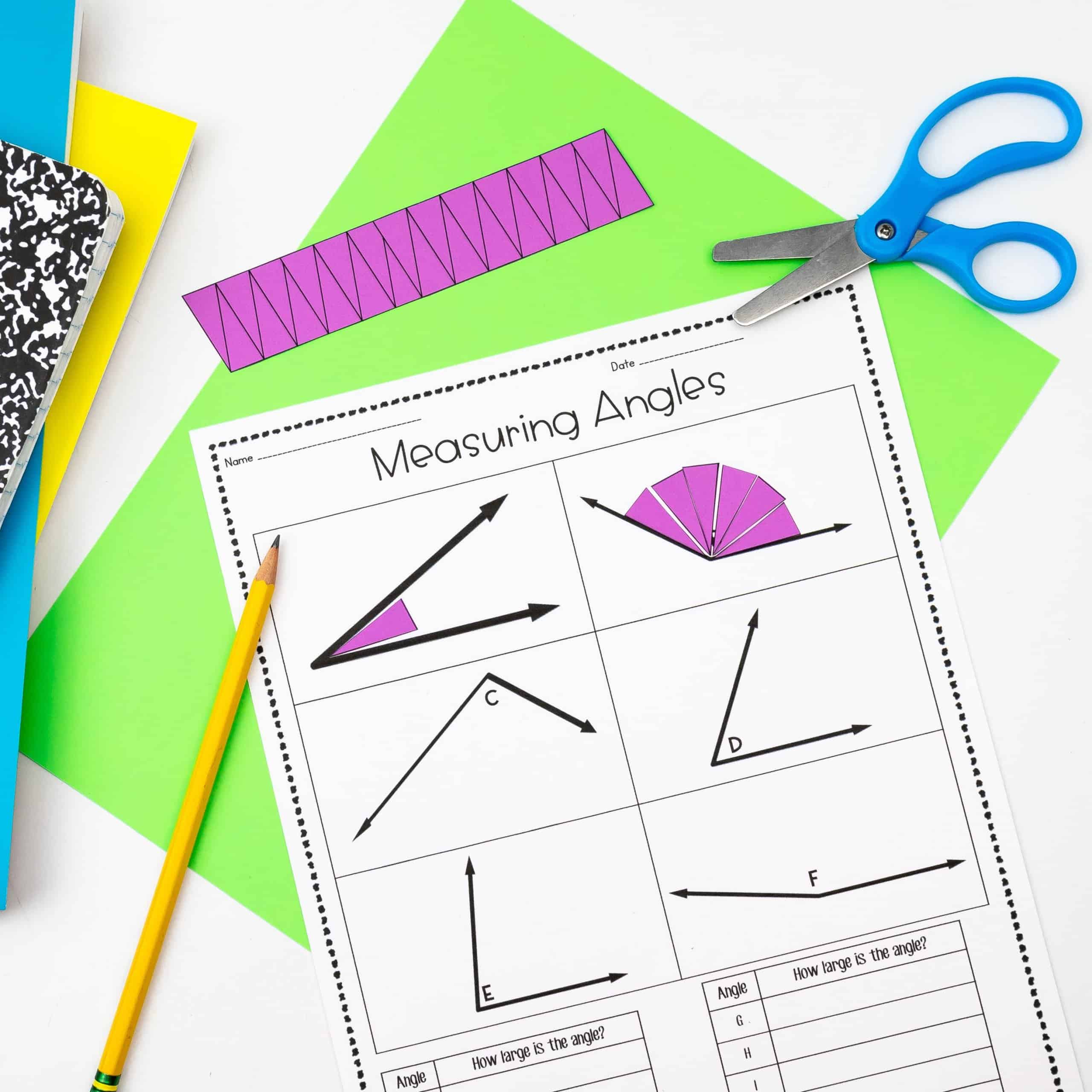
Practice measuring angles accurately.
For example, one activity might involve identifying vertically opposite angles, a fundamental concept for understanding angle measurements in parallel lines. Another activity could focus on finding missing angles in triangles, a practical application of angle knowledge. The worksheet also covers angle pair relationships, such as corresponding angles formed by a transversal crossing two parallel lines, providing a comprehensive understanding of angle behavior in different geometric scenarios.
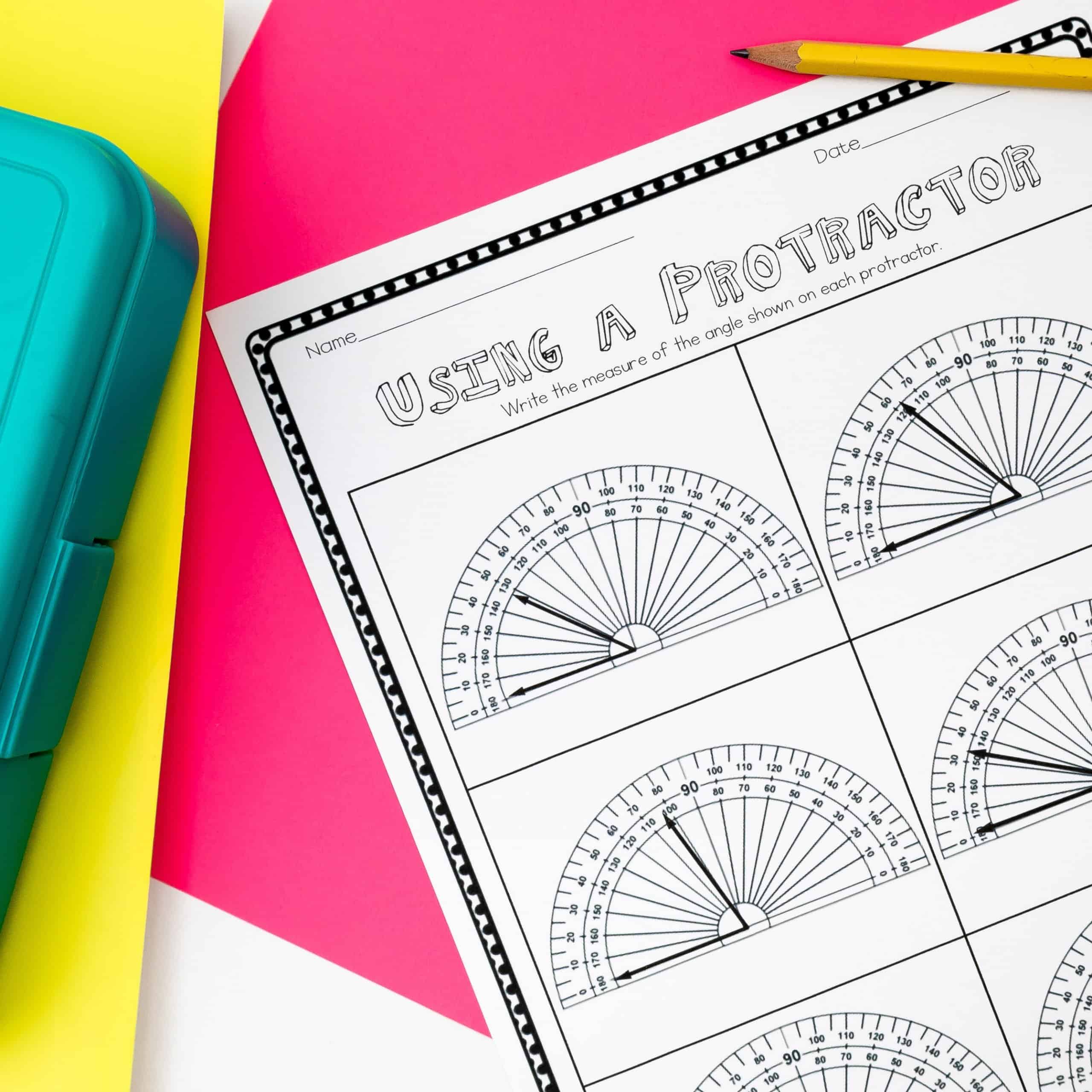
Angle measurement activities and worksheets.
People Also Ask: What Age Group is the Worksheet Suitable For?
The angles angles angles worksheet is designed with flexibility in mind, making it suitable for a wide range of age groups and learning levels. It can be adapted for use in primary and secondary education, catering to learners from early years to late teens. The worksheet's activities are carefully crafted to provide a progressive learning experience, allowing educators to tailor the content to the specific needs and abilities of their students.
For younger learners, the worksheet can introduce basic angle concepts and provide a foundation for further exploration. As students progress, the activities can become more challenging, incorporating more complex angle relationships and problem-solving tasks. This adaptability ensures the worksheet remains engaging and effective for learners at different stages of their mathematical journey.

7th grade: measure angles in shapes.
How to Use the Angles Angles Angles Worksheet Effectively
To make the most of the angles angles angles worksheet, consider the following practical tips:
- Printing and Organization: Ensure you have a good quality printout of the worksheet. Consider laminating it for durability, especially if you plan to reuse it with multiple students or for different activities. Organize the worksheet in a binder or folder, along with any other relevant resources, to keep it easily accessible.
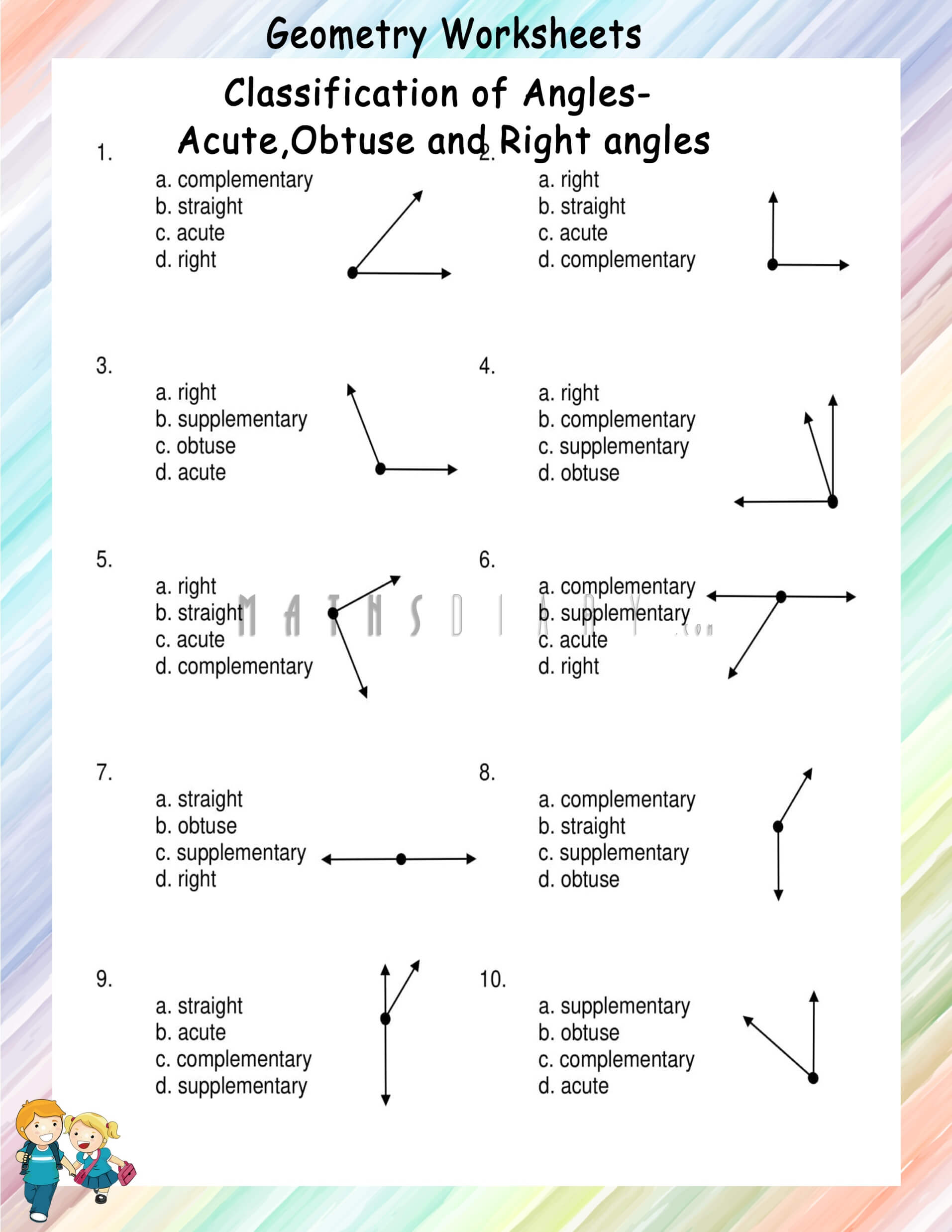
Angle measurement: a teacher-made resource.
- Guided Practice: Start by introducing the worksheet's activities to your learners, explaining the concepts and providing examples. Guide them through the initial steps, ensuring they understand the basic principles before moving on to more complex tasks. This step-by-step approach helps build confidence and a solid foundation for independent practice.

Geometry: angles and their classifications.
- Independent Practice and Review: Once learners have grasped the basics, encourage them to work through the worksheet independently. Provide opportunities for self-assessment and reflection, allowing them to identify areas of strength and weakness. Regularly review their progress, offering feedback and guidance to reinforce their understanding and address any misconceptions.

Calculating angles for KS3 and KS4.
- Varied Practice: The worksheet offers a range of activities, so encourage learners to explore different sections and concepts. This varied practice helps reinforce their understanding and prevents monotony. You can also assign specific activities based on individual needs, targeting areas where learners may require additional support or challenge.

Angles and parallel lines: 10th grade.
Enhancing Learning with Real-World Applications
One of the strengths of the angles angles angles worksheet is its ability to bridge the gap between theoretical concepts and real-world applications. By incorporating practical scenarios and problem-solving tasks, learners can see the relevance of angle relationships in everyday life and various fields of study.
For instance, the worksheet might include activities related to architecture, where understanding angle measurements is crucial for designing structures. It could also explore angles in nature, such as the angles formed by leaves on a tree or the trajectory of a bird in flight. These real-world connections help learners see the practical value of their mathematical knowledge and encourage a deeper engagement with the subject.

Finding angles in polygons: a geometry PDF.
Furthermore, the worksheet can be integrated into cross-curricular activities, linking angle relationships to topics in science, art, or even sports. This interdisciplinary approach enhances learning and helps learners make connections between different subjects, fostering a more holistic understanding of the world around them.

Grade 5: types of angles and turns.
Conclusion: A Versatile Learning Companion
The angles angles angles worksheet is a versatile and engaging resource, offering a comprehensive exploration of angle relationships. With its varied activities and progressive structure, it caters to a wide range of learners, providing a solid foundation in angle concepts and their real-world applications.
Whether used in the classroom, for homeschooling, or as a tutoring resource, this worksheet offers a practical and effective way to reinforce angle knowledge. Its adaptability and focus on practical learning make it an invaluable tool for educators and parents seeking to enhance their students' mathematical journey. So, why wait? Dive into the world of angles and unlock the secrets of these fascinating geometric relationships!

Classify and identify different angle types.

Calculating angles: a fun Year 6 PDF.
The angles angles angles worksheet is a great tool to have in your learning arsenal. It's an enjoyable way to sharpen your skills and explore the fascinating world of angles. So, why not give it a go? Print it out, gather your stationery, and dive into the wonderful world of geometry. Remember, practice makes perfect, and with this worksheet, you'll be mastering angles in no time!
Feel free to leave a comment and share your experiences with us. We'd love to hear how you're progressing and any tips you might have for fellow learners!
Measure angles inside shapes with precision.

Read also: 30 Special Triangles Worksheets for Class