




Compound Sentences Worksheet Practice Overview
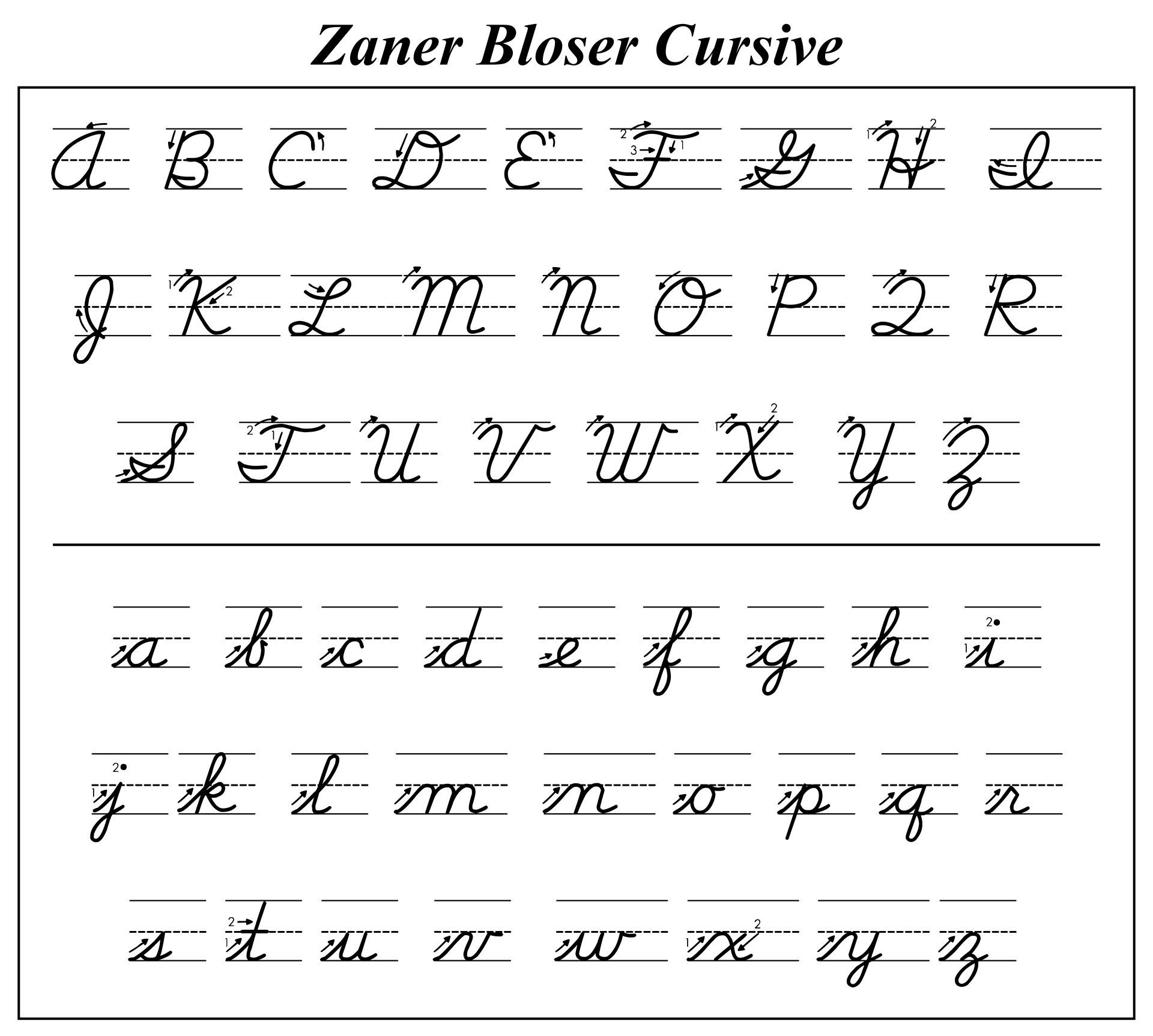
As a parent, I'm always on the lookout for resources to help my kids with their handwriting. Learning cursive can be a fun challenge, but it's not always easy to find the right tools. That's why I was glad to discover the zaner bloser cursive alphabet worksheet, a handy printable that makes practicing cursive a breeze. It's a simple yet effective way to improve handwriting skills, and I love that it's freely available.
Cursive writing samples for Zaner-Bloser style.
Zaner-Bloser Cursive Alphabet: A Foundation for Beautiful Script
When it comes to mastering cursive writing, the Zaner-Bloser Cursive Alphabet Worksheet is an invaluable resource that serves as a solid starting point for learners of all ages. This worksheet focuses on the fundamental skill of letter formation, providing a structured and engaging way to practice and improve handwriting.
No-prep alphabet handwriting practice sheets.
Beyond Basic Letters: Exploring Advanced Cursive Skills
While the primary focus of the Zaner-Bloser Cursive Alphabet Worksheet is on individual letter formation, it also introduces learners to the concept of word formation and sentence structure in cursive. This worksheet progresses beyond simple letter practice, offering a more comprehensive approach to developing cursive writing skills. By practicing word and sentence writing, learners can enhance their fluency and gain a deeper understanding of cursive as a connected script.
Create your own Zaner-Bloser handwriting worksheets.
The worksheet's activities encourage learners to pay attention to the flow and connectivity of letters within words, promoting a more natural and elegant cursive style. This progression from letter practice to word and sentence formation makes the worksheet suitable for a wider range of learners, from those just starting their cursive journey to those looking to refine their skills further.
BBS Cursive Zaner Bloser educational resource.
How Does the Zaner-Bloser Cursive Alphabet Worksheet Work?
The Zaner-Bloser Cursive Alphabet Worksheet is designed with a clear and straightforward approach, making it accessible and effective for learners of various ages and skill levels. Each worksheet typically features a combination of letter tracing and freehand writing exercises, allowing learners to develop muscle memory and refine their handwriting technique.
Tips to improve your Zaner-Bloser cursive handwriting.
The tracing exercises provide a visual guide, helping learners understand the correct formation and flow of each letter. As they progress, the freehand writing activities challenge them to apply their knowledge and write the letters independently. This progressive structure ensures that learners build confidence and improve their handwriting skills gradually.
Easy cursive handwriting practice with alphabet worksheets.
How Can I Print and Use the Zaner-Bloser Cursive Alphabet Worksheet?
Printing and using the Zaner-Bloser Cursive Alphabet Worksheet is a straightforward process, making it a convenient resource for parents, teachers, and learners alike. Here's a simple guide:
Practice masters: a collection of handwriting worksheets.
- Find the Worksheet: You can easily access the Zaner-Bloser Cursive Alphabet Worksheet online by searching for "Zaner-Bloser Cursive Alphabet Printable" or "Zaner-Bloser Cursive Worksheet."
Zaner-Bloser handwriting printables for early learners.
- Select and Download: Once you've found the worksheet, choose the format that best suits your needs. Some websites offer PDF files, which are convenient for printing, while others may provide image files.
Printable Zaner Bloser manuscript alphabet guide.
- Print and Prepare: After downloading, open the file and print the worksheet onto standard letter-sized paper. Ensure you have enough copies for each learner or practice session.
Cursive alphabet printable for Zaner-Bloser style.
- Introduce and Guide: Whether you're a parent, teacher, or tutor, take the time to introduce the worksheet and explain its purpose. Guide learners through the tracing and freehand writing exercises, providing feedback and encouragement as they practice.
Basic Zaner-Bloser cursive alphabet practice.
- Practice Regularly: Consistency is key when it comes to handwriting improvement. Encourage learners to practice regularly, ideally incorporating the worksheet into their daily or weekly routine.
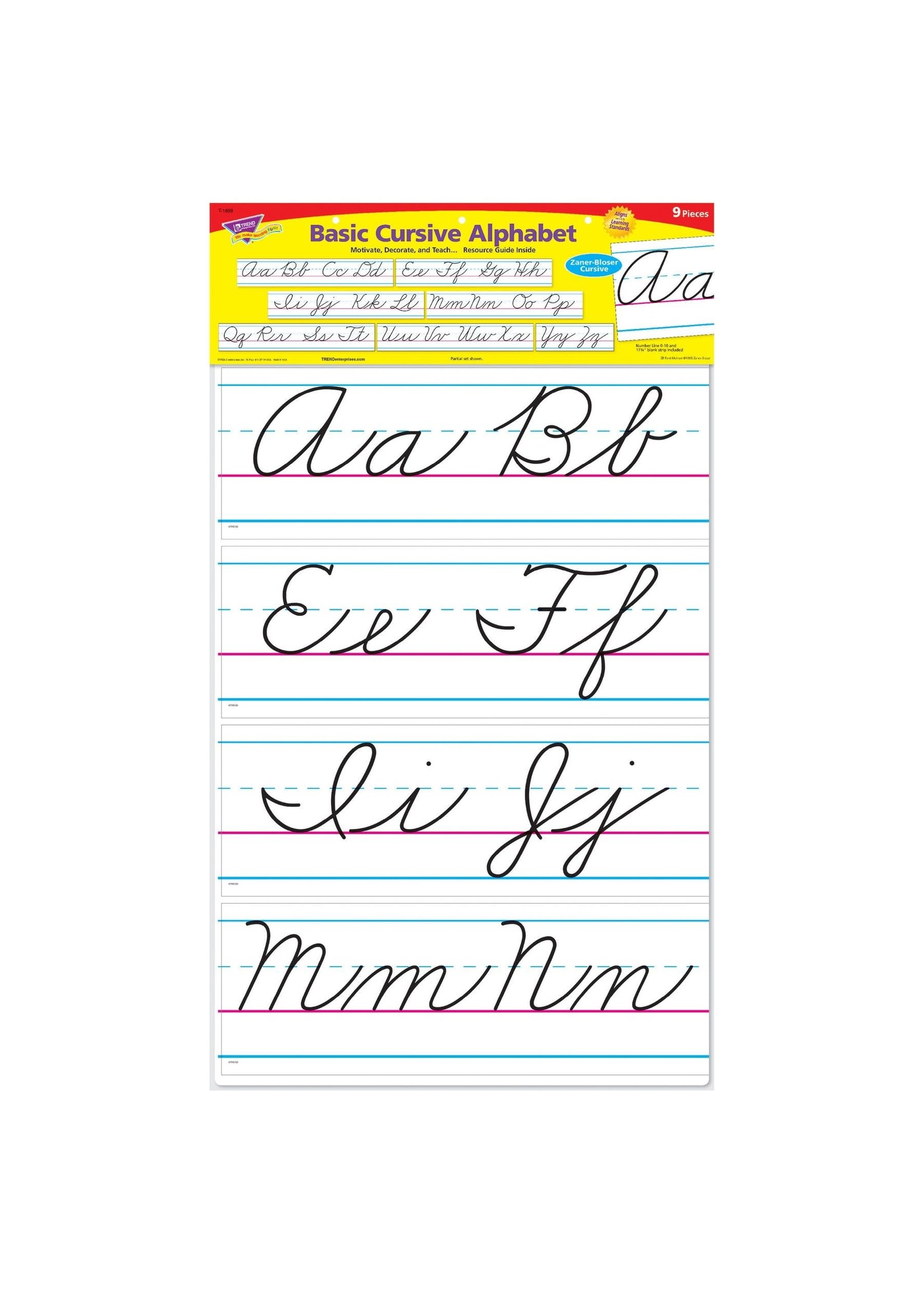
Bulletin board set: Zaner-Bloser cursive alphabet.
Incorporating the Worksheet into Learning: Practical Tips
The Zaner-Bloser Cursive Alphabet Worksheet is versatile and can be used in various learning settings, including classrooms, homeschooling environments, and tutoring sessions. Here are some practical tips for incorporating the worksheet into different learning scenarios:
Classroom Practice:
- Introduce the worksheet as a warm-up activity at the beginning of a handwriting lesson.
- Use it as a tool for individual practice during quiet work time or as a group activity, fostering a sense of community and support.
- Encourage learners to share their progress and provide peer feedback, creating a collaborative learning environment.
Homeschooling:
- Incorporate the worksheet into your daily or weekly handwriting curriculum, ensuring a consistent practice routine.
- Combine it with other handwriting resources, such as 28 Multiplication Worksheets for Grade 3, to create a well-rounded learning experience.
- Make handwriting practice fun by setting goals and rewarding progress, turning it into an engaging and motivating activity.
Tutoring Sessions:
- Use the worksheet as a diagnostic tool to assess a learner's handwriting skills and identify areas for improvement.
- Tailor your tutoring approach based on the learner's needs, focusing on specific letter formations or sentence structures.
- Provide additional resources, such as the Zaner-Bloser Cursive Handwriting Chart, to offer visual references and support.
Mastering Cursive: A Journey of Practice and Perfection
The Zaner-Bloser Cursive Alphabet Worksheet is an excellent starting point for learners embarking on their cursive writing journey. By focusing on letter formation and providing a structured practice environment, this worksheet lays the foundation for beautiful and legible cursive handwriting.
As learners progress, they can continue their cursive adventure by exploring more advanced worksheets and resources. The Zaner-Bloser Cursive Generator and Zaner-Bloser Cursive Letters offer additional practice opportunities, allowing learners to refine their skills and develop a unique and elegant cursive style.
Remember, mastering cursive is a process that requires patience, consistency, and a love for the art of handwriting. With the right resources, such as the Zaner-Bloser Cursive Alphabet Worksheet, learners can embark on a fun and rewarding journey towards penmanship perfection.
Hey there, aspiring calligraphers! I hope this worksheet becomes your trusty companion on your cursive adventure. Remember, practice makes perfect, so grab a pen and give it a go! You'll be amazed at how quickly your handwriting transforms. Don't forget to leave a comment and share your progress or any tips you discover along the way. Happy writing!
Learn cursive letter formation with Zaner-Bloser.
Read also: 21 Cat Pumpkin Stencil Designs
Related: 30 Cylinder Volume Worksheets
I've always found that having the right resources can make all the difference when it comes to learning, especially for visual learners. Whether you're a parent helping your child with homework or a teacher looking for extra practice, having a volume of a cylinder worksheet can be a real lifesaver. It's a simple yet effective tool to reinforce those volume of a cylinder calculation skills and ensure everyone's on the same page. I mean, who doesn't love a good stencil design? Check out this link for some fun ideas: 18 Stencil Designs for Painting Your Wall.
Find cylinder volumes with this practice sheet.
Unlocking the Volume: Mastering Cylinder Calculations
A volume of a cylinder worksheet is a powerful tool that unlocks the secrets of three-dimensional shapes. It's an essential resource for anyone looking to grasp the concept of volume and develop their problem-solving skills. This worksheet focuses on cylinders, a common shape in our daily lives, and provides a structured way to practice and master the art of calculating volume.
Volume word problems for geometry learners.
Beyond Basics: Exploring Advanced Concepts
While the primary focus is on finding the volume of a cylinder, this worksheet also introduces learners to related concepts. Students will encounter questions that involve calculating the cylinder radius, height, and even the surface area of these shapes. By tackling a variety of problems, learners develop a deeper understanding of cylinders and their properties. This comprehensive approach ensures that students not only know the volume of a cylinder formula but also understand its practical applications.
Excel and Word: A worksheet import guide.
People Also Ask: What Makes a Good Volume of Cylinder Worksheet?
A well-designed volume of a cylinder worksheet should offer a range of challenges to cater to different learning needs. It should start with simpler problems, allowing students to grasp the basic concept and build confidence. As they progress, the worksheet should introduce more complex scenarios, encouraging critical thinking and problem-solving skills. Additionally, a good worksheet provides clear instructions and offers a mix of visual and numerical representations to cater to various learning styles.
Visualizing cylinder volume with graphics.
How to Get the Most Out of Your Worksheet: Practical Tips
When using a volume of a cylinder worksheet, it's important to create a structured learning environment. Whether in a classroom, homeschooling setting, or as a tutoring resource, the worksheet should be introduced with a clear objective. Start by explaining the purpose and providing a brief overview of the concept. Then, guide students through the initial problems, offering support and encouragement. As they gain confidence, allow them to work independently, fostering a sense of achievement and ownership over their learning. Remember, the worksheet is a tool to enhance understanding, so ensure students have access to additional resources and support when needed.
Cylinder surface area and volume formulas.
Practical Application: Real-World Scenarios
One of the most engaging ways to use a volume of a cylinder worksheet is by incorporating real-world scenarios. For instance, students can be asked to calculate the volume of a cylinder-shaped water tank and determine how much water it can hold. This practical application not only reinforces the concept but also showcases the relevance of math in everyday life. By connecting abstract concepts to tangible situations, learners develop a deeper appreciation for the subject and are more likely to retain the information.
Comparing prism and cylinder volumes.
Final Thoughts: Nurturing a Love for Math
A volume of a cylinder worksheet is more than just a learning tool; it's a gateway to nurturing a love for math. By providing a structured yet engaging learning experience, this worksheet empowers students to explore and understand the beauty of geometry and measurement. With the right resources and a positive learning environment, students can develop a growth mindset, embracing challenges and seeing math as an exciting journey of discovery.
Cylinder volume practice for all.
Remember, learning is a process, and with the right tools like this worksheet, every student can unlock their full potential and master the art of calculating volume. So, whether you're a teacher, parent, or student, embrace the power of a well-designed worksheet and watch as mathematical concepts come to life!
Graduated cylinder reading skills.
16 Worksheets for There Their They're can also be a great resource for practicing grammar skills alongside math!
Cylinder volume for advanced students.
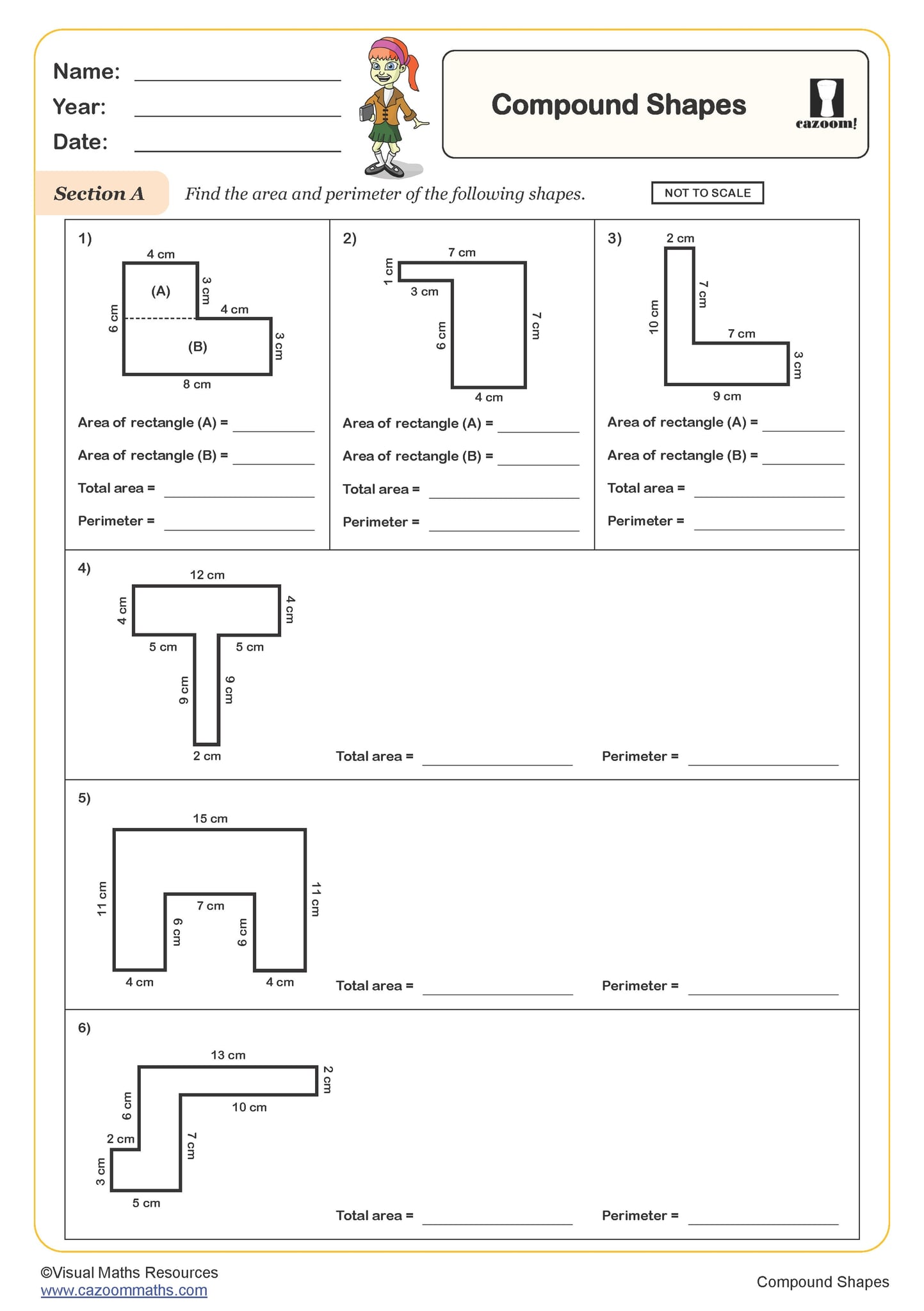
Compound shapes: Volume and more.
Cylinder surface area and volume.
Surface area of prisms: A focus.
Hey there, math enthusiasts! I hope this worksheet adventure has sparked your curiosity and left you eager to tackle more cylinder-related challenges. Remember, practice makes perfect, so feel free to explore additional worksheets and dive deeper into the world of three-dimensional calculations.
Don't forget, these worksheets are your secret weapon for mastering volume calculations. Give it a try, and don't hesitate to leave a comment or share your experiences below. I'd love to hear how your cylinder-conquering journey is going!
Reading graduated cylinders, a printable guide.
Related: 22 Sight Word Worksheets for Quick Practice
As a parent, I'm always on the lookout for fun and engaging ways to help my kids learn. One of the most practical tools I've found are sight word and worksheet combinations, which are a godsend for teaching young readers those tricky words that just don't follow the rules. These worksheets, like the sight word at worksheet free ones, are a great way to practice and reinforce those essential sight words, and they're so easy to print and use at home or in the classroom.
First grade sight word practice
Sight Words: Building a Strong Foundation for Young Readers
When it comes to teaching early reading skills, sight words are a crucial component. These are the words that appear frequently in texts but often don't follow traditional phonetic rules, making them tricky for beginners to decode. By introducing sight words early on, we give young learners a solid foundation for reading fluency and comprehension.
See sight word worksheet
Beyond Word Lists: Interactive Worksheets for Engaged Learning
While word lists are a common sight word teaching tool, worksheets offer a more interactive and engaging approach. These practice sheets go beyond simple word recognition, encouraging learners to actively engage with the material through various activities. From matching exercises to sentence completion and even creative writing prompts, worksheets provide a dynamic learning experience that keeps young minds captivated.
Kindergarten sight word books
People Also Ask: What Makes Sight Word Worksheets Effective?
Sight word worksheets are designed with a specific purpose: to reinforce word recognition and reading skills in a fun and interactive way. By presenting words in different contexts and through varied activities, these worksheets help learners develop a deeper understanding of the words' meanings and usage. This multi-sensory approach enhances memory retention and makes learning more enjoyable.
Sight word activities for kids
How to Make the Most of Sight Word and Worksheet Resources
Whether you're a parent, teacher, or tutor, incorporating sight word worksheets into your teaching arsenal is a simple and effective strategy. Here's a step-by-step guide:
Sight word practice: See
- Choose the Right Worksheets: Select worksheets that align with your learner's age, grade level, and reading ability. Look for a variety of activities to keep engagement high.
Printable sight word readers
- Print and Prepare: Many online resources offer free, printable sight word worksheets. Simply download, print, and gather the necessary materials (pencils, crayons, etc.) for a seamless learning experience.
Educational sight word printables
- Create a Comfortable Learning Environment: Set up a quiet, well-lit space where your learner can focus. Ensure they have a stable surface to work on and are comfortable.
Free sight word worksheets
- Introduce the Worksheet: Start by explaining the activity and its purpose. Encourage your learner to ask questions and engage in a dialogue about the words and their meanings.
Kindergarten sight word worksheets
- Provide Guidance and Support: As your learner works through the worksheet, offer help when needed. Be patient and positive, celebrating their achievements along the way.
Printable sight word templates
- Review and Reinforce: After completing the worksheet, take time to review the words and their usage. You can create flashcards or play word games to reinforce learning.
Learn the word 'like'
- Progress and Challenge: As your learner becomes more confident, introduce more advanced worksheets with longer words or more complex activities. This progressive approach keeps learning exciting and effective.
First grade sight word list
Flashcard Fun: A Creative Twist on Word Recognition
In addition to worksheets, flashcards are another excellent tool for sight word practice. By creating visual aids with words and corresponding images, you can turn word recognition into a fun game. For example, create a set of flashcards with the word "cat" and a picture of a cat. As your learner progresses, introduce more complex words and encourage them to create their own flashcards, fostering creativity and ownership of their learning journey.
As you explore the world of sight word and worksheet resources, you'll discover a wealth of engaging materials to support your learner's reading journey. With a focus on interactive learning, these tools make mastering sight words an enjoyable and rewarding experience. 15 Scientific Notation Worksheets for Practice offer a similar approach to building mathematical skills, showcasing the versatility of worksheets as a teaching tool.
Sight words are like the building blocks of a child's reading journey, and with the right tools, we can make learning an enjoyable adventure. Worksheets are a fantastic way to reinforce these essential words and give kids a fun, interactive way to practice.
So, why not give it a go? Print out a few worksheets, make it a game, and see the progress unfold. We'd love to hear how it goes and any tips you discover along the way! Leave a comment or share your experience below; we're all in this together, supporting our little readers.
Early sight word recognition
Read also: 14 Free Printable Alphabet Stencils