

Decimal Multiplication Worksheet For Kids Overview
Sometimes, finding the right resources to help kids grasp a concept can be a challenge, especially when it comes to multiplication. Multiplication using arrays worksheets can be a game-changer, offering a visual and engaging way to practice and understand this math skill. These worksheets are a great tool for parents, teachers, and homeschoolers alike, providing a simple and effective way to reinforce multiplication with arrays, especially for grade 4 students. With the right resources, learning can be fun and accessible!
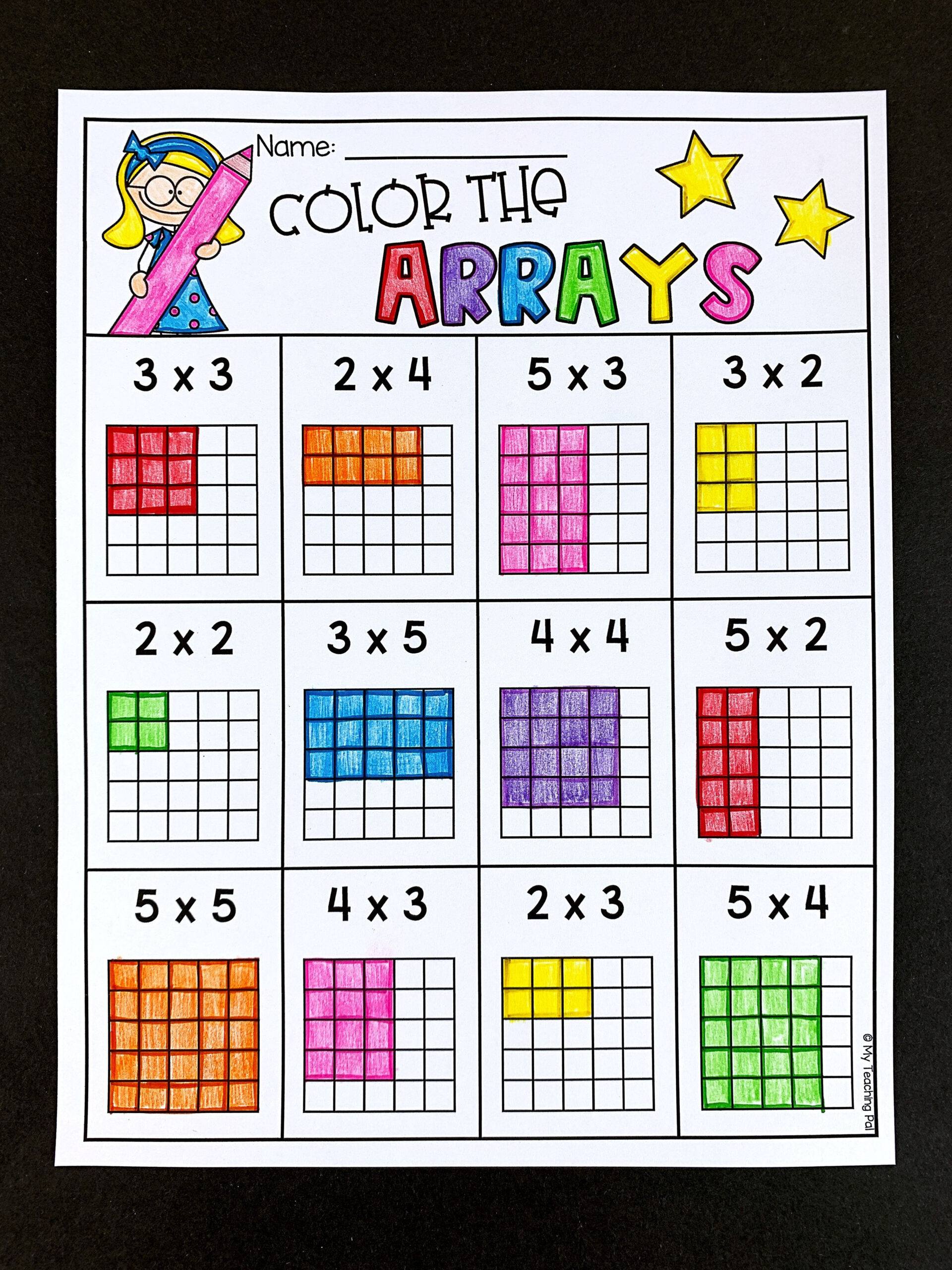
Practice multiplication with arrays for mastery.
Multiplication Made Visual: Mastering Arrays
Visualizing Arrays for Multiplication Mastery
Multiplication using arrays worksheets is a powerful tool that transforms the way students approach multiplication. By presenting multiplication as a visual concept, these worksheets offer a unique and engaging learning experience. The beauty of arrays lies in their ability to represent multiplication in a tangible way, making it easier for students to grasp the fundamental principles.
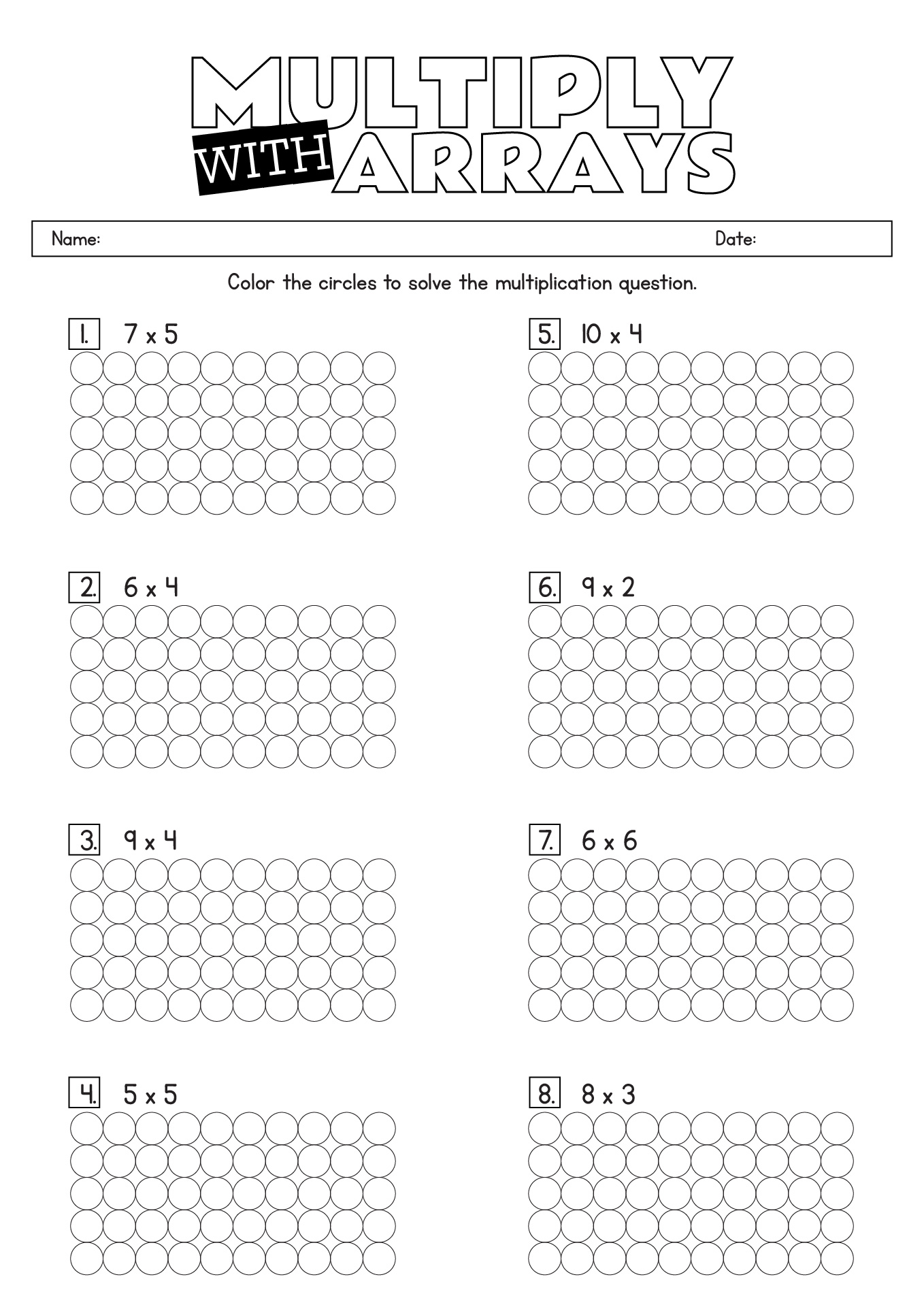
Free array worksheet for basic multiplication.
These worksheets are designed to guide students through the process of understanding multiplication, from the basic concept to more advanced applications. By arranging objects into rows and columns, students can visualize the relationship between numbers and multiplication, making it a memorable and effective learning journey.
Worksheets for teaching multiplication with arrays.
Beyond Basics: Advanced Array Worksheets
While multiplication using arrays worksheets is an excellent resource for beginners, it also caters to more advanced learners. As students progress, the worksheets evolve to challenge their understanding and skills. Advanced worksheets may introduce concepts like larger arrays, complex multiplication problems, and even word problems that require students to apply their array knowledge in real-world scenarios.
Free array-based multiplication practice sheet.
For instance, a more advanced worksheet might present a scenario where students need to determine the total number of items in a warehouse, given the number of rows and columns of items on the shelves. This not only tests their multiplication skills but also encourages critical thinking and problem-solving.
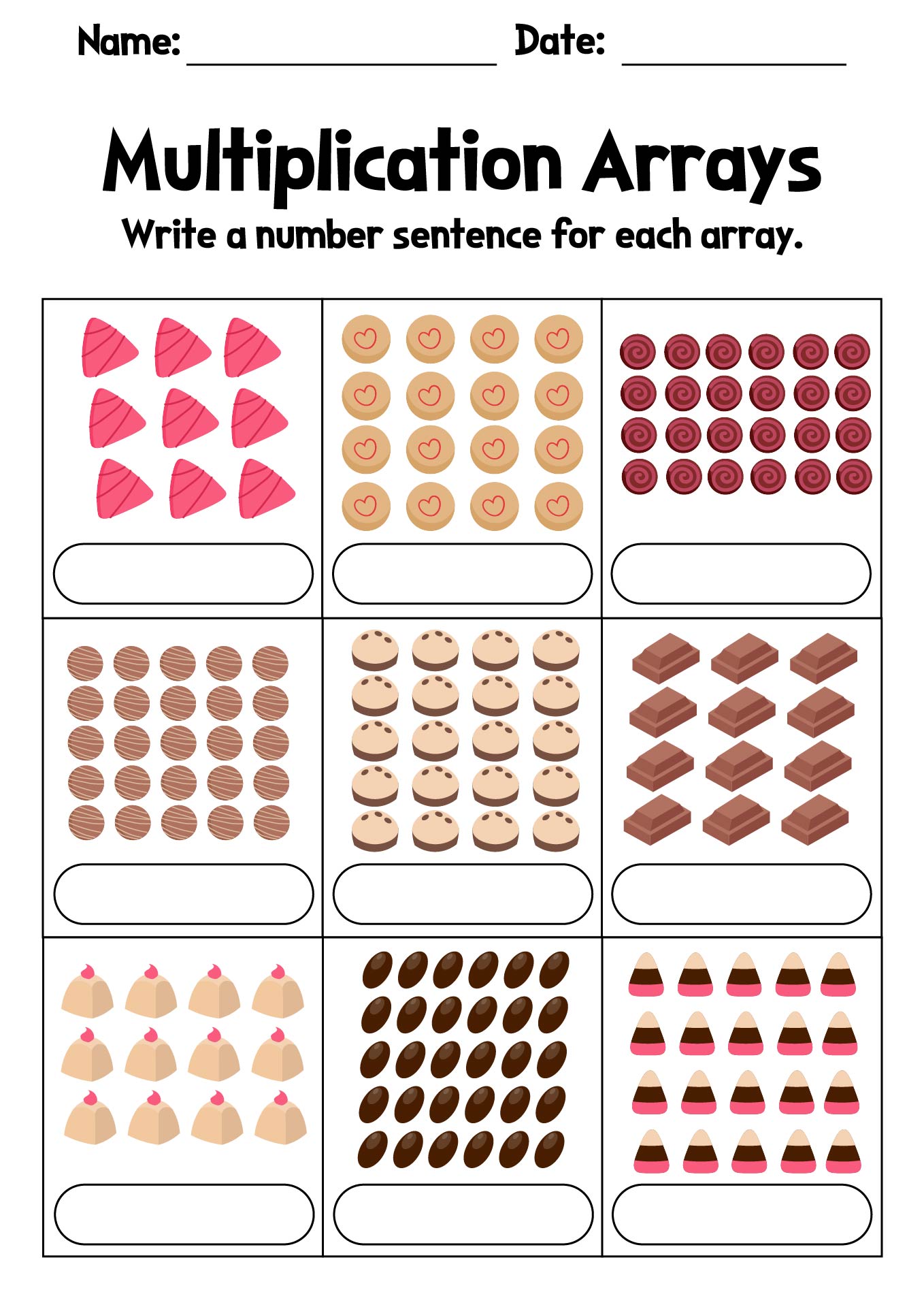
Picture-based multiplication worksheets for kids.
People Also Ask: What's the Benefit of Using Arrays for Multiplication?
Arrays provide a unique and effective approach to learning multiplication. By representing multiplication visually, arrays help students understand the concept of multiplication as a process of combining groups. This visual representation makes it easier for students to grasp the idea of multiplying numbers, especially when compared to traditional methods that rely solely on numerical operations.
Multiplication worksheets using arrays for all grades.
For example, when students see an array with 3 rows and 4 columns, they can quickly understand that the array represents the multiplication of 3 and 4, resulting in a product of 12. This visual approach simplifies the learning process and makes multiplication more accessible and enjoyable.
Multiplication and division practice with arrays.
How to Incorporate Arrays into Your Teaching or Learning Journey
Incorporating multiplication using arrays worksheets into your teaching or learning routine is a straightforward process. For teachers and homeschooling parents, these worksheets can be a valuable addition to their math curriculum. They can be used as a standalone activity or integrated into a larger lesson plan. The worksheets are designed to be flexible, allowing educators to adapt them to their teaching style and the needs of their students.
Array multiplication templates for hands-on learning.
For students, these worksheets provide an engaging and interactive way to practice multiplication. By working through the worksheets, students can reinforce their understanding of multiplication and build confidence in their math skills. The visual nature of arrays makes it easier for students to self-correct and learn from their mistakes, fostering a positive and empowering learning experience.
Multiplication worksheets with visual aids.
A Creative Twist: Arrays and Dragon Stencil Ideas
Multiplication using arrays worksheets can also be a fun and creative activity, especially when combined with other learning resources. For instance, 13 Dragon Stencil Ideas for Your Projects offers a unique twist to array practice. Students can create their own arrays using dragon stencils, adding a creative element to their multiplication journey.
Grade 3 multiplication arrays worksheets (PDF).
This approach not only enhances their understanding of arrays but also encourages creativity and imagination. By combining math and art, students can develop a deeper appreciation for the beauty of mathematics and its practical applications. It's a fun way to make learning multiplication an enjoyable and memorable experience.
Grade 3 multiplication arrays worksheets (PDF).
As students progress, they can create more complex arrays using different dragon stencils, challenging themselves to apply their multiplication skills in unique and imaginative ways. This creative approach to learning can inspire a love for mathematics and encourage students to explore the wonders of numbers.
Worksheets for multiplying with arrays.
Arrays are an awesome way to bring multiplication to life, and these worksheets are a great starting point for any math enthusiast. With their visual approach, they make learning fun and engaging. So, why not give them a go? Print out a few, gather your pens and pencils, and let your multiplication skills shine. It's a simple yet effective way to practice, and who knows, you might just discover a new favorite study method! Feel free to leave a comment and share your thoughts on this unique learning experience.
Fun array worksheets for multiplication practice.
Read also: 29 Cursive Alphabet Practice Worksheets
Related: 18 Math Currency Worksheets for Classroom Use
As a parent, I've found that math currency worksheets are a lifesaver when it comes to teaching kids about money and basic financial skills. These worksheets provide a simple and effective way to practice counting coins, making change, and understanding different currency values. It's a practical tool, especially for currency worksheets for grade 1, as it helps build a strong foundation for financial literacy. 20 Synthetic Division Worksheets for Practice can also be a great resource for more advanced math topics.
Grade 2 math: practice with currency.
Mastering Money: A Practical Approach with Math Currency Worksheets
Math currency worksheets are an invaluable tool for teaching children the fundamentals of money and financial management. These worksheets offer a hands-on approach to learning, covering a range of essential skills that build a strong foundation for financial literacy. From basic counting to more complex currency conversions, these worksheets provide a structured and engaging way to practice and master money-related concepts.
Third grade money math challenges.
Currency Conversion and Exchange Rates: Navigating Global Transactions
One of the most valuable aspects of math currency worksheets is their ability to introduce learners to the world of currency conversion and exchange rates. As children progress through their education, they will encounter situations where understanding different currencies and their values is crucial. These worksheets provide an early introduction to this concept, helping students grasp the idea of exchanging one currency for another and the factors that influence these rates.
Making change: a money math exercise.
By working through currency conversion problems, students not only enhance their math skills but also develop an awareness of global economics. They learn to calculate exchange rates, understand the impact of fluctuations, and appreciate the practical applications of math in real-world scenarios. This knowledge becomes especially relevant when traveling, engaging in international trade, or even just discussing global financial news.
Indian currency for second graders.
People Also Ask: What Specific Skills Do Math Currency Worksheets Target?
Math currency worksheets cover a range of essential financial skills, catering to different learning levels and needs. For beginners, these worksheets often start with basic counting exercises, helping students identify and count different coins and notes. As learners progress, the worksheets introduce more complex tasks, such as making change, calculating totals, and solving money-related word problems.
Counting Philippine pesos: a free worksheet.
Advanced learners can benefit from worksheets that delve into currency conversion and exchange rates, as mentioned earlier. These worksheets challenge students to apply their math skills in real-world contexts, strengthening their problem-solving abilities and critical thinking. Additionally, worksheets may include activities on budgeting, saving, and making financial decisions, providing a comprehensive approach to financial literacy.
Preschool coin identification worksheets.
How to Choose and Utilize Math Currency Worksheets Effectively
When selecting math currency worksheets, it's important to consider the learner's age, grade level, and specific financial skills they need to develop. For younger students, currency worksheets for grade 1 often focus on basic counting and identifying coins. As students advance, worksheets can introduce more intricate concepts and real-life scenarios.
Fourth grade money worksheets.
Teachers, parents, and tutors can utilize these worksheets in various settings, including classrooms, homeschooling environments, and individual tutoring sessions. Worksheets can be printed and distributed for hands-on practice, or digital versions can be used for online learning. It's beneficial to provide a mix of worksheet types, including fill-in-the-blank exercises, multiple-choice questions, and open-ended problems, to cater to different learning styles and keep students engaged.
Adding money: a practical skill.
Practical Application: Teaching Financial Literacy Beyond the Worksheet
While math currency worksheets are an excellent starting point for financial literacy, it's crucial to extend learning beyond the page. Teachers and parents can incorporate real-life situations to reinforce the concepts taught in the worksheets. For example, taking students on a field trip to a local market or grocery store can provide a practical context for understanding money and making financial decisions.
Visualizing money word problems.
Another effective strategy is to involve students in family budgeting and financial planning. By engaging in discussions about household expenses, savings goals, and financial responsibilities, students gain a deeper understanding of the value of money and the importance of wise financial choices. This hands-on approach to financial literacy not only enhances their math skills but also equips them with essential life skills for their future.
Counting money for second graders.
Math currency worksheets are a versatile and effective tool for teaching financial literacy. By covering a range of skills, from basic counting to currency conversion, these worksheets provide a solid foundation for students to navigate the world of money with confidence. Whether used in classrooms, homeschooling, or tutoring settings, these worksheets offer an engaging and practical approach to learning, ensuring that students develop the financial acumen they need to thrive in an increasingly globalized world.
Norwegian money worksheet.
Free printable money math resources.
Math currency worksheets are a fantastic way to make learning about money fun and engaging. By incorporating these practical exercises, you're setting your child up for a bright financial future. So, why not give it a go? Print out a few worksheets, gather some coins, and watch as your child's money skills flourish. It's a simple yet effective way to teach an important life skill. Feel free to share your experiences with these worksheets below; we'd love to hear how they've helped your family!
Currency practice sheets for kids.
Read also: 16 Dove Tattoo Stencil Ideas
Related: 15 Alphabet Worksheets for Kindergarten
As a parent, I'm always on the lookout for fun and engaging ways to help my kids learn. When it comes to teaching the alphabet, alphabet worksheets for kindergarten can be a real lifesaver! These worksheets are a great tool to keep little ones entertained while practicing their letters. It's like a fun secret weapon for parents and teachers, offering a simple solution to a common learning challenge.
Free PDF alphabet practice for kindergarten kids
The ABCs: Mastering the Alphabet with Fun Worksheets
Alphabet worksheets are a fantastic resource for kindergarteners, offering an enjoyable and effective way to learn the basics of letter recognition and writing. These worksheets provide a structured yet engaging approach to mastering the alphabet, making them a go-to tool for parents and educators alike.
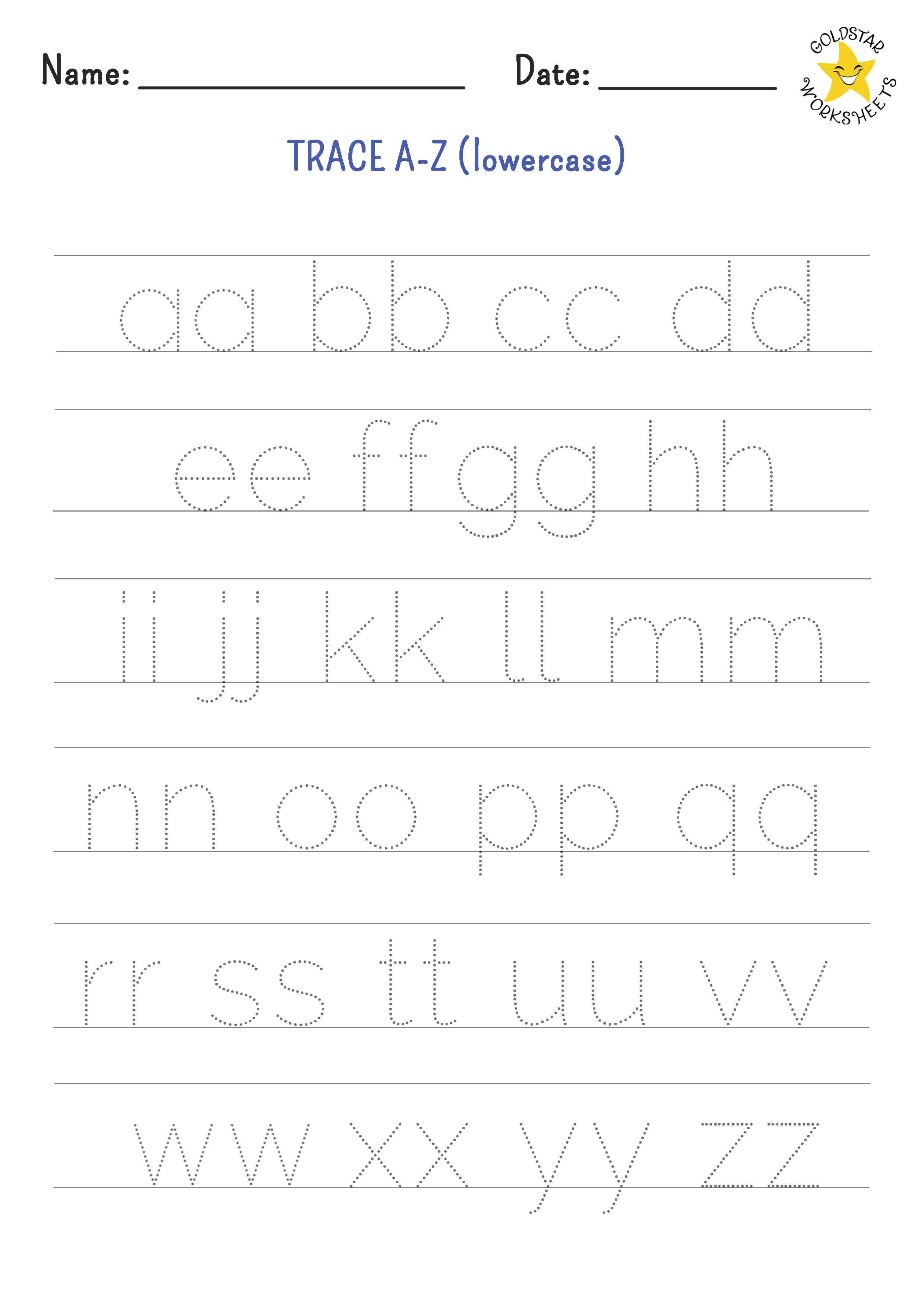
Fun lowercase letter tracing worksheets
Letter Tracing Fun: A Step-by-Step Guide
One of the most popular and effective types of alphabet worksheets for kindergarten is letter tracing sheets. These worksheets typically feature large, bold letters with dotted lines or guidelines to help kids trace and practice their handwriting. Tracing is an excellent way to develop fine motor skills and hand-eye coordination, which are crucial for early writing.
Alphabet letter tracing practice sheets
Letter tracing worksheets often come in sets, covering each letter of the alphabet. They may also include variations, such as uppercase and lowercase letters, or even different fonts to introduce diversity and keep the learning process exciting. Some worksheets might also incorporate simple illustrations or themes, like animals or objects, to make the tracing activity more engaging and memorable.
Printable sight words list for kindergarten
For instance, a tracing worksheet for the letter 'A' might feature a picture of an apple, with the word 'apple' written below, and dotted lines guiding the child to trace the letter. This approach not only reinforces letter recognition but also introduces vocabulary and basic reading skills.
Free alphabet worksheets for kindergarten
ABC Practice Sheets for All Learning Styles
Alphabet worksheets cater to a wide range of learning styles and abilities. While letter tracing is great for kinesthetic learners who enjoy hands-on activities, there are also other types of worksheets that suit different preferences.
Letter worksheets for preschoolers
Alphabet coloring pages for kindergarten are a vibrant and creative way to learn. These worksheets often feature letters with spaces or outlines for coloring, encouraging children to associate colors with letters and develop their artistic skills. Some coloring pages might even have simple sentences or words to color, promoting early reading and vocabulary development.
Letter B activity sheets for preschool
Missing alphabet worksheets for kindergarten are another popular choice, challenging kids to fill in the missing letters or complete the alphabet sequence. These worksheets help with letter recognition, sequencing, and problem-solving skills. They can be particularly useful for visual learners who thrive on recognizing patterns and completing puzzles.
Lowercase letter tracing fun
For more advanced learners, alphabet worksheets for preschool can be a great next step. These worksheets often introduce more complex tasks, such as matching letters to pictures, identifying initial sounds, or even simple word formation. They bridge the gap between basic alphabet recognition and early reading and writing skills.
Uppercase letter practice for preschool
People Also Ask: What's the Best Way to Use Alphabet Worksheets?
A common curiosity among parents and educators is how to effectively incorporate alphabet worksheets into learning routines. The key is to make it a fun and interactive experience, rather than a chore.
Kindergarten alphabet and sounds MEGA pack
Start by choosing worksheets that align with your child's interests or current learning goals. If they're fascinated by animals, opt for worksheets with animal themes. If they're learning about colors, choose worksheets that incorporate color recognition. Personalizing the learning experience can make it more engaging and memorable.
Missing letter worksheet: find the lowercase
Next, consider the learning environment. In a classroom setting, alphabet worksheets can be used as a group activity, fostering collaboration and peer learning. At home, they can be a fun solo activity or a bonding experience with parents or siblings.
Alphabet review worksheets: manners setup
It's also important to vary the types of worksheets used to maintain interest and cater to different learning styles. One day, focus on letter tracing, while another day might involve coloring or puzzle-solving worksheets. This variety keeps the learning process exciting and ensures a well-rounded approach to mastering the alphabet.
How to Print and Practice with Alphabet Worksheets
Printing and using alphabet worksheets is straightforward and convenient. Many websites offer alphabet worksheets pdf download options, allowing you to access and print worksheets quickly. Simply choose the worksheets you need, download the PDF, and print them out.
When printing, consider the number of copies you might need. For homeschooling or tutoring, having multiple copies of each worksheet can be beneficial for practice and reinforcement. In a classroom setting, printing one copy per student is often sufficient, as worksheets can be completed individually and then discussed as a group.
To make the most of alphabet worksheets, consider the following tips:
- Set a dedicated learning space: Create a comfortable and distraction-free area for your child to focus on their worksheets. This could be a small desk or a cozy corner with their favorite learning materials.
- Incorporate variety: Mix up the types of worksheets used to keep learning fun and engaging. Combine tracing, coloring, and puzzle-solving activities to cater to different learning styles and interests.
- Provide guidance and support: Especially for younger learners, offer guidance and encouragement as they work through the worksheets. Celebrate their achievements and offer gentle corrections or reminders when needed.
- Make it a routine: Establish a consistent learning routine by incorporating worksheets into your daily or weekly schedule. Consistency helps reinforce learning and makes it a natural part of your child's educational journey.
The Benefits: Learning Letters Quickly and Effectively
Alphabet worksheets offer a structured and progressive approach to learning, which is highly beneficial for young learners. They start with simple tracing or coloring activities, gradually introducing more complex tasks as the child's skills develop.
This progressive learning approach ensures that children master the basics before moving on to more advanced concepts. It builds a solid foundation for future learning, making it easier for kids to grasp more complex subjects as they progress through their educational journey.
Alphabet worksheets also provide an opportunity for independent learning and self-assessment. As children work through the worksheets, they can self-correct and learn from their mistakes, fostering a sense of autonomy and responsibility. This is particularly beneficial for homeschooling or independent learning environments, where immediate feedback and guidance might not always be available.
In conclusion, alphabet worksheets are a versatile and effective tool for teaching the alphabet to kindergarteners. They offer a fun and engaging way to learn, catering to different learning styles and abilities. With a wide range of worksheet types and activities, parents and educators can create a personalized and enjoyable learning experience, helping children master the alphabet quickly and effectively.
Well, there you have it! Alphabet worksheets are a brilliant way to make learning fun and interactive for little ones. It's a great tool to have in your back pocket, so why not give it a go? Print out a few worksheets, gather some colorful pens, and let your kindergartener explore the world of letters. It's an easy and effective way to support their learning journey.
We'd love to hear how it goes! Leave a comment and share your experiences with these worksheets. It's always inspiring to see how different families and educators make learning come alive.
Trace letter A: printable alphabet tracing
Read also: 13 Tattoo Stencil Ideas for Men