As a parent, I'm always on the lookout for fun and engaging resources to help my kids learn. When it comes to story time, I want them to not only enjoy the tale but also understand the key elements that make a story great. That's why I was thrilled to discover elements of a story worksheet, a simple yet effective tool that can enhance their reading experience. It's a great way to introduce them to the basics, and I even found a helpful story elements worksheet answer key for guidance.
Unveiling the Social Dynamics of Tbilisian Courtyards
Unlocking Storytelling Secrets: The Power of Elements
When it comes to fostering a love for reading and writing, understanding the building blocks of a story is essential. The elements of a story worksheet is a fantastic tool that empowers young learners to explore the magic behind their favorite tales. By breaking down stories into digestible components, this worksheet transforms reading from a passive activity into an engaging, interactive experience.

Story Structure Deconstructed: Planner for Young Learners
Beyond the Basics: Advanced Story Elements
While the elements of a story worksheet is a versatile resource, it's not a one-size-fits-all solution. For more advanced learners, such as those in upper elementary grades or even middle school, there are worksheets that delve deeper into the intricacies of storytelling. These worksheets introduce concepts like plot twists, setting details, and character development, challenging students to analyze stories on a more sophisticated level. By exploring these advanced elements, learners can develop a deeper appreciation for the craft of storytelling and even begin to apply these concepts to their own writing.

Ignoring the Answer Man: Focusing on Story Elements
People Also Ask: What's the Best Way to Use These Worksheets?
A common curiosity among parents and educators is how to effectively utilize story elements worksheets. The answer lies in flexibility and adaptability. These worksheets can be used as standalone activities or integrated into a larger lesson plan. For instance, after reading a story together, you can guide your child or students through the worksheet, discussing each element and encouraging them to identify and analyze these components in the story. This not only reinforces their understanding but also fosters critical thinking and active engagement with the text.
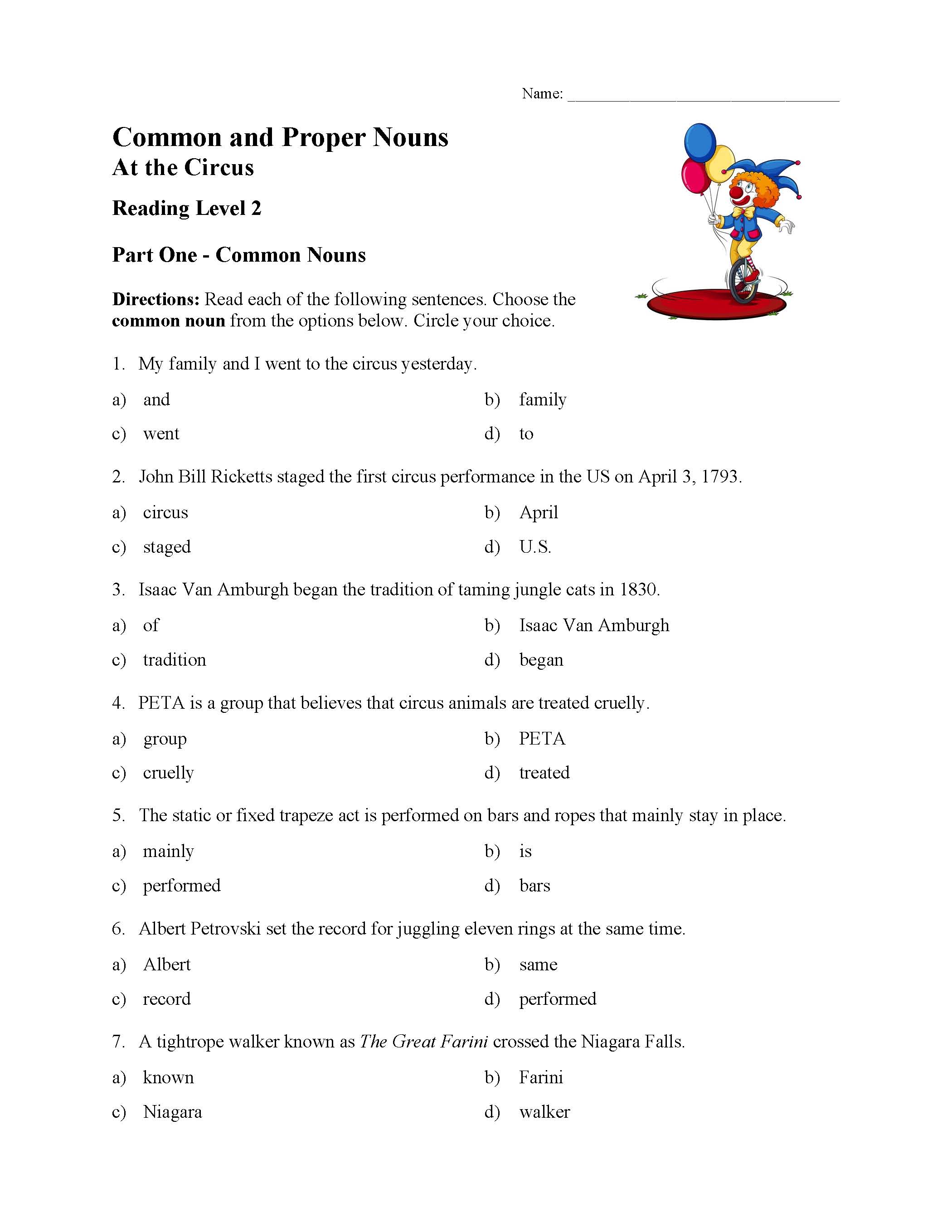
Nouns Test: Identifying Common and Proper Names
How to Make the Most of Story Elements Worksheets
To ensure a smooth and enjoyable learning experience, here are some practical tips for using story elements worksheets:
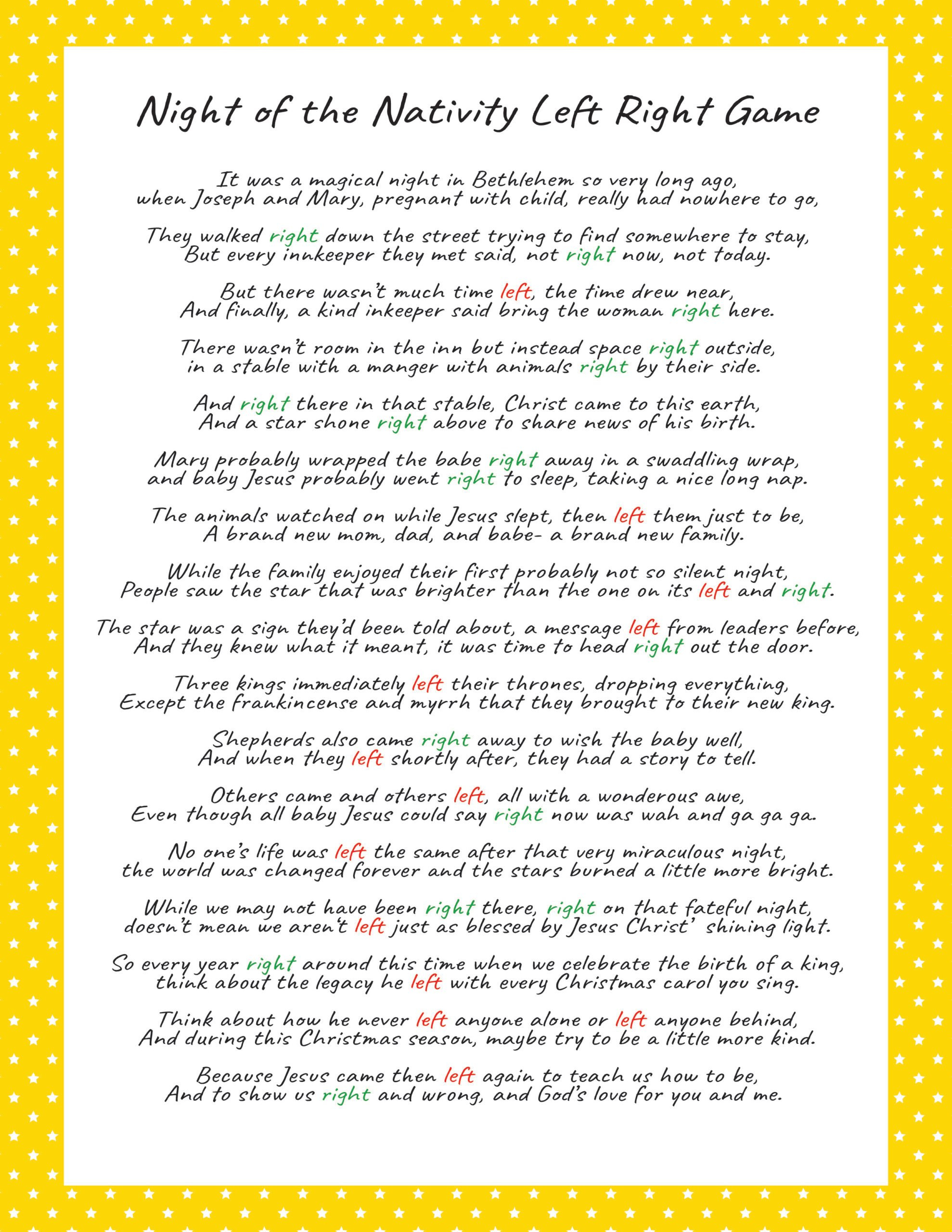
Left-Right Game: A Storytelling Adventure
- Printing and Preparation: Ensure you have a printer ready with sufficient ink and paper. Consider using thicker paper for a sturdier worksheet, especially if you plan to reuse it with multiple children or students.
- Guided Practice: Start by working through the worksheet together, explaining each element and providing examples. This guided practice helps learners grasp the concept and builds their confidence.
- Independent Exploration: Once they understand the basics, encourage independent exploration. Allow them to choose their own stories or books to analyze, fostering a sense of ownership and curiosity.
- Progressive Learning: Begin with simpler worksheets focusing on basic story elements and gradually introduce more complex concepts. This progressive approach ensures a solid foundation and prevents overwhelming learners with too much information at once.

Extortion Penalties: Unraveling Police Elements
From Analysis to Creation: The Creative Benefits
The true beauty of story elements worksheets lies in their ability to inspire creativity. By understanding the building blocks of a story, learners can begin to craft their own narratives. They can experiment with different plot twists, explore unique setting details, and develop compelling characters. This creative process not only enhances their writing skills but also boosts their confidence as they realize they have the power to bring their own stories to life. Furthermore, analyzing and discussing stories with peers or family members can foster collaboration and critical thinking, as they learn to articulate their thoughts and ideas effectively.
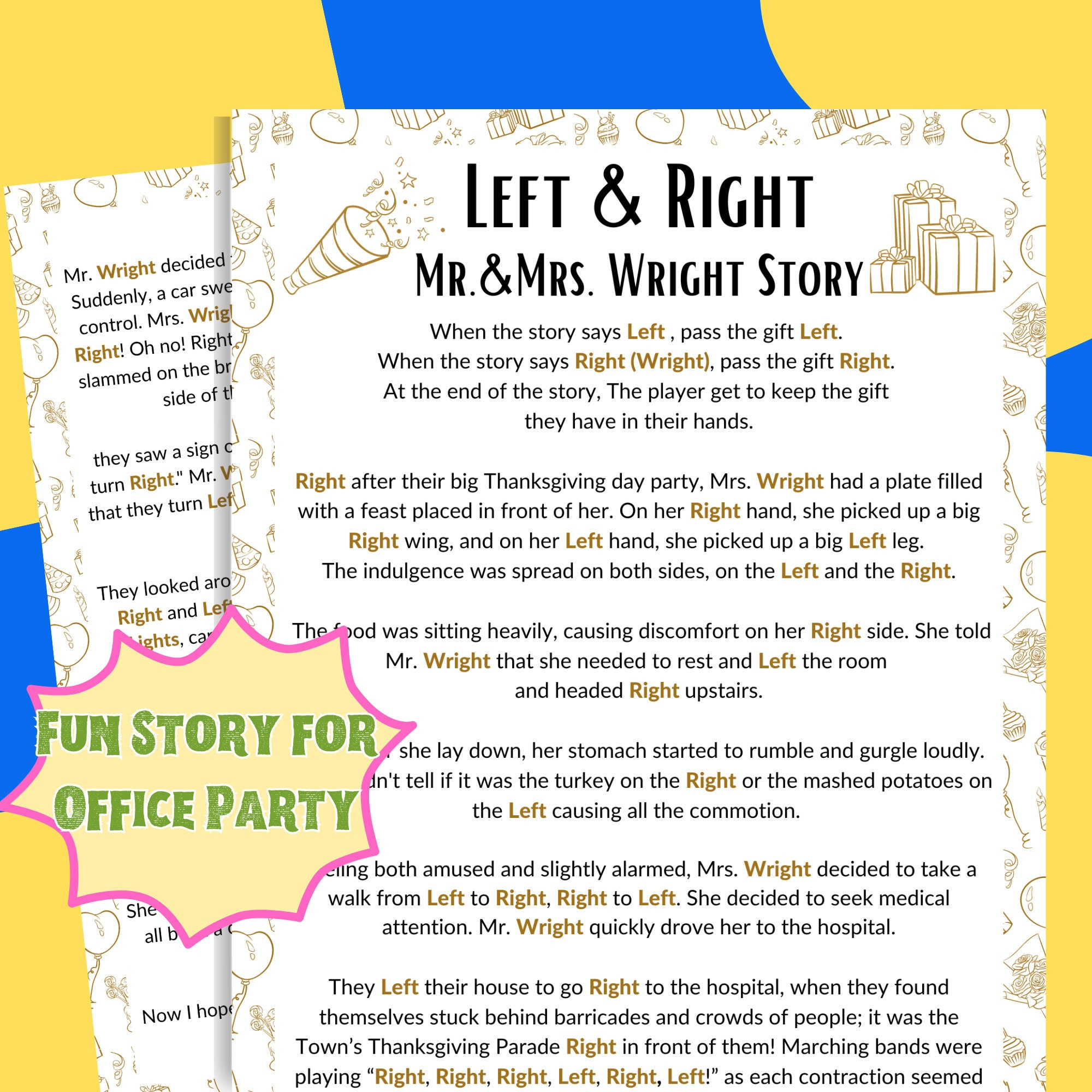
Left-Right Story Game: An Engaging Worksheet
As learners progress in their understanding of story elements, they can delve into more complex worksheets that challenge them to identify subtle nuances, such as the impact of descriptive words on the mood or atmosphere of a story. This deeper analysis not only enhances their comprehension skills but also encourages them to pay closer attention to the details within a narrative, a skill that can be applied to various forms of media and communication.

Elements of a Story: Unlocking the Secrets
Whether used in a classroom setting, during homeschooling, or as a fun activity at home, story elements worksheets offer a versatile and engaging way to enhance a child's reading and writing journey. By providing a structured yet flexible framework, these worksheets empower learners to explore the magic of storytelling, fostering a lifelong love for literature and creative expression.
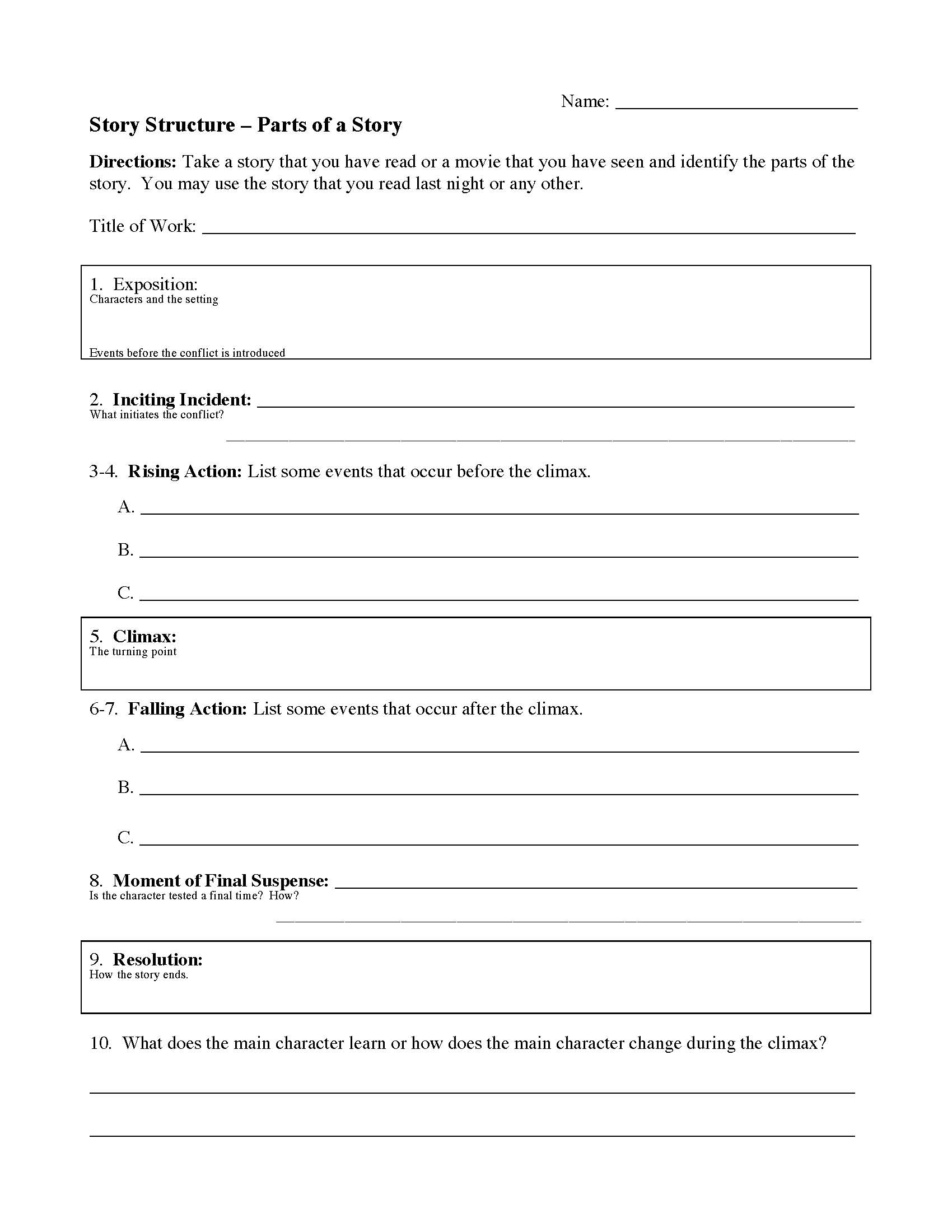
Story Structure Exploration: A Reading Journey

Finding the Golden Theme: A Worksheet Quest

Line Plots: Unraveling the Mystery

Layered Process: Crafting a Story Element by Element
So, there you have it! The elements of a story worksheet is a fun and insightful way to engage with literature. It's like having a secret code to decipher the magic of storytelling. With this tool, you can truly appreciate the art of crafting a tale and maybe even inspire some of your own creative writing adventures.
Why not give it a go? Print out a worksheet, gather your favorite stories, and see how this simple exercise can enhance your reading experience. I'd love to hear about your discoveries and any stories you create along the way. Leave a comment or share your experience below; I'm excited to hear all about it!
Identifying Story Elements: A Worksheet Adventure

Read also: 28 Santa Muerte Tattoo Stencil Ideas