Rough Edges and First Impressions
I recently stumbled upon envelope template printable options and decided to give them a go, and I must say, it was an interesting DIY adventure! I was intrigued by the idea of creating my own envelopes, but I soon realized it's not as simple as it seems.
After printing a few designs, I quickly learned that this process can be a bit finicky, with some templates requiring precise cutting and folding to get a neat, functional envelope. Still, I was determined to make it work and explore the potential of these printable templates. For a closer look at something similar, my post on color by number printable covers the details.
A Quick Learning Curve
At first glance, the variety of envelope templates available is impressive. You've got different sizes, styles, and even some with cute designs, perfect for adding a personal touch to your correspondence. I was excited to try out a few and see how they'd turn out. You can also compare this directly with bubble letters printable to see how they stack up.
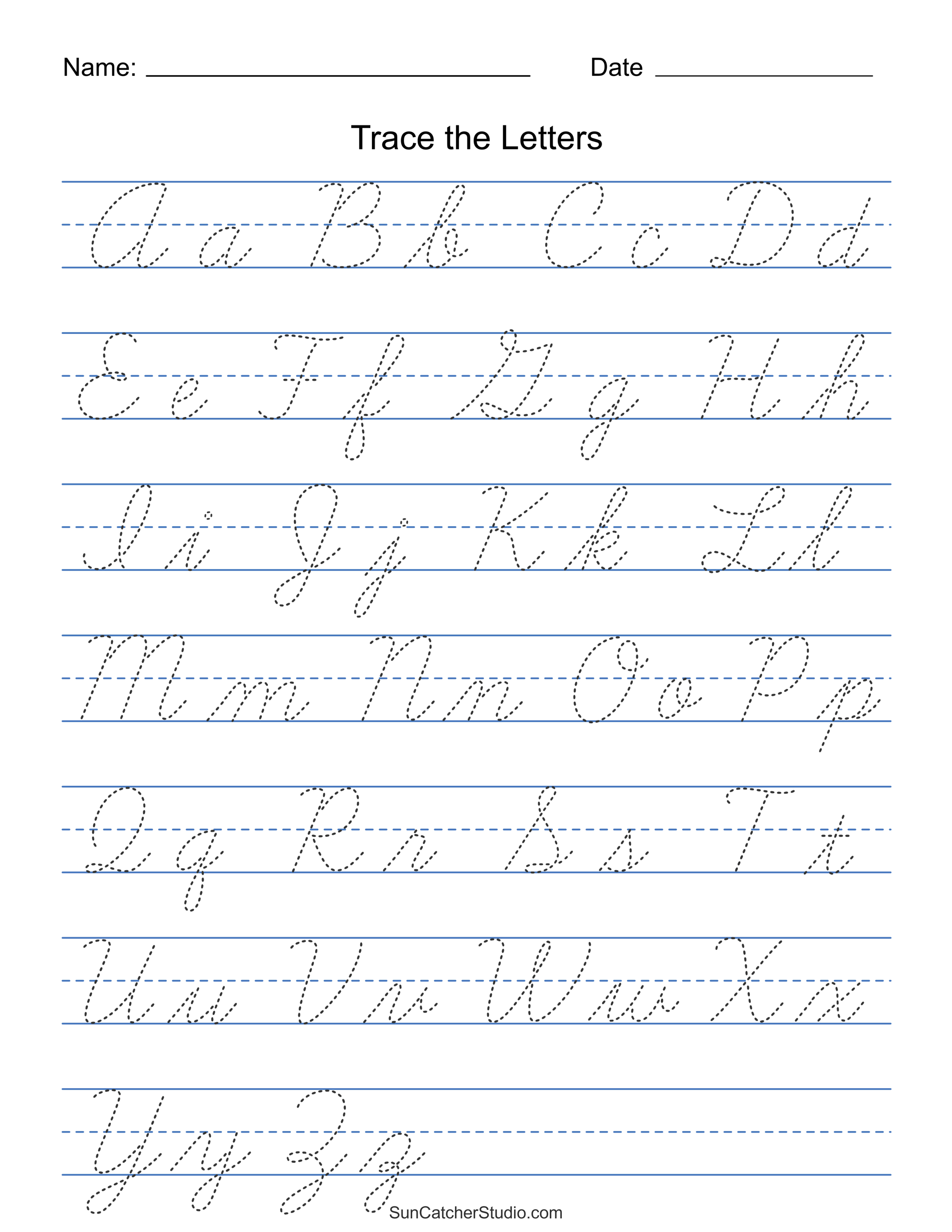
The initial printing process was straightforward. I chose a template, downloaded it, and sent it to my printer. If you want another perspective, check out my notes on printable cursive pages as well.
The key here is to ensure you're printing at the correct size, especially if you're using a template with intricate details. I learned the hard way that printing at "Fit to Page" can distort the design, so always opt for "Actual Size" for the best results. For a closer look at something similar, my post on sudoku printable sheets covers the details.
Practicality and Longevity
After printing, the real test began: assembly. This is where things can get a bit tricky. Some templates require precise cutting, and I found that using a paper cutter gave much neater results than scissors. You can also compare this directly with dot marker printables to see how they stack up.

Folding was another challenge, especially for the more complex designs. I had to be careful not to crease the paper too much, or the envelope would look wrinkled and unprofessional. If you want another perspective, check out my notes on printable bubble writing as well.
I also discovered that the weight of the paper matters. Lighter weight paper can be flimsy and may not hold its shape well, especially if you're planning to send something bulky. Heavier cardstock is a better option, but it can be more challenging to fold and may require a scoring tool for crisp creases.
Who Should Give It a Try?
Despite the challenges, I think printable envelope templates are worth exploring, especially for those who enjoy a bit of DIY crafting. They're a fun way to add a personal touch to your letters and invitations, and with practice, you can achieve professional-looking results.

For educators and parents, these templates can be a great resource for creating customized activity sheets or unique envelopes for student work. Imagine a classroom full of colorful, individually designed envelopes, each containing a special piece of writing or artwork!
However, if you're looking for a quick and easy solution, these templates might not be the best option. The learning curve and potential for errors mean it's not a foolproof process. But if you're patient and enjoy a good DIY project, give it a go! You might just discover a new creative outlet.
So, have you ever tried creating your own envelopes? I'd love to hear about your experiences!