

Factoring Quadratics Worksheet Grade 4 Overview
Sometimes, when working with multiple worksheets in Excel, it can be a bit of a hassle to navigate and manage them all. I often find myself wishing there was an easier way to handle these sheets, especially when I need to print or share specific data with others. Learning how to group worksheets in Excel is a great skill to have, and it's actually pretty simple once you know the trick! It's a useful technique for anyone, from students to parents, and it can save you time and effort. Ungrouping worksheets is also a handy feature to know about, so be sure to check out the related guides for a full understanding.
Learn to copy groups of data in Excel.
A Time-Saving Technique: Grouping Worksheets in Excel
When working with Excel, especially when dealing with multiple worksheets, efficiency is key. Grouping worksheets is a powerful tool that can streamline your workflow and make complex tasks more manageable. This technique is particularly useful when you need to apply the same formatting or calculations to a set of related worksheets. By mastering the art of grouping, you'll save time and effort, making your Excel experience smoother and more productive.
Grouping worksheets for crafting projects.
Advanced Excel Skills: Combining Cells and Grouping Objects
Excel offers a range of advanced features, and one such feature is the ability to combine cells and group objects across multiple worksheets. This skill is especially valuable for creating dynamic and visually appealing reports or presentations. By grouping cells or objects, you can easily apply consistent formatting or perform calculations across a set of worksheets, ensuring a professional and uniform look. Whether you're a data analyst, a financial planner, or a student working on a complex project, mastering these advanced techniques will enhance your Excel proficiency and impress your colleagues or teachers.
Multiplication practice for fourth graders.
People Also Ask: How Do I Group Worksheets in Excel?
Grouping worksheets in Excel is a straightforward process, but it's natural to have questions, especially if you're new to this feature. One common query is whether you can group sheets in Excel. The answer is a resounding yes! Excel provides a simple and intuitive way to group selected sheets, allowing you to work with multiple worksheets as if they were one. This feature is especially useful when you need to apply the same changes or calculations to a set of related sheets.
Grouping numbers on a math worksheet.
Another frequently asked question is how to group tabs in Excel. While Excel doesn't have a dedicated "tab" feature, you can achieve a similar effect by grouping worksheets. This allows you to treat multiple worksheets as a single unit, making it easier to navigate and manage your data.
Organize tabs in Chrome, not Excel.
Practical Application: Using Grouped Worksheets for Effective Learning
For educators and students, grouping worksheets in Excel can be a powerful tool for learning and assessment. Imagine creating a set of worksheets with different scenarios or data sets, each on its own sheet. By grouping these worksheets, you can easily navigate between them and apply the same calculations or formatting, saving time and effort. This is especially useful for homework assignments or practice exercises, as students can work through a series of related worksheets efficiently.
Grouping worksheets for busy moms.
Additionally, grouping worksheets allows teachers to provide a comprehensive learning experience. They can create a master worksheet with instructions and then group it with practice sheets, ensuring that students have a clear understanding of the concepts before attempting the exercises. This structured approach enhances the learning process and makes Excel a valuable tool for education.
Grouping worksheets in Hindi.
Excel Efficiency: The Benefits of Grouping Worksheets
Mastering the art of grouping worksheets in Excel brings numerous benefits to your workflow. Firstly, it saves time by allowing you to apply changes or calculations to multiple worksheets simultaneously. This is especially useful when working with large datasets or complex projects. Secondly, grouping worksheets promotes consistency. Whether it's formatting, formulas, or data entry, you can ensure that your worksheets follow a uniform pattern, maintaining a professional and organized appearance.
Group, collapse, and expand Excel data.
Moreover, grouping worksheets enhances collaboration. When working in a team, you can easily share and work on grouped worksheets, ensuring that everyone is on the same page. This feature is particularly valuable in project management or data analysis, where multiple team members need to access and contribute to the same set of worksheets. By mastering the skill of grouping worksheets, you'll elevate your Excel proficiency and become a more efficient and productive user.
Grouping worksheets for efficient file management.
Grouping Excel worksheets, a simple guide.
Grouping worksheets for better organization.
Grouping worksheets, a step-by-step guide.
Now that you've mastered the art of grouping worksheets, you'll be amazed at how much time and effort this simple technique can save you. It's a game-changer for anyone working with Excel, especially when dealing with large datasets or complex projects.
So, go ahead and give it a go! Group those worksheets, experiment with different formatting and calculations, and see the magic unfold. And don't forget to leave a comment or share your Excel adventures below; we'd love to hear how this tip has transformed your spreadsheet game!
Grouping elements on the periodic table.
Read also: 14 Spider Web Tattoo Stencil Ideas
Related: 22 Kindergarten Reading Worksheets You Can Use
As a parent, I'm always on the lookout for fun and engaging ways to help my child practice their reading skills. Kindergarten reading worksheets are a great resource for this, offering a structured yet playful approach to learning. With so many options available, including free printable reading for kindergarten, it's easy to find worksheets tailored to your child's needs and interests, making learning an enjoyable experience.
Kindergarten reading: boosting comprehension skills
Building a Strong Foundation: Phonics and Letter Recognition
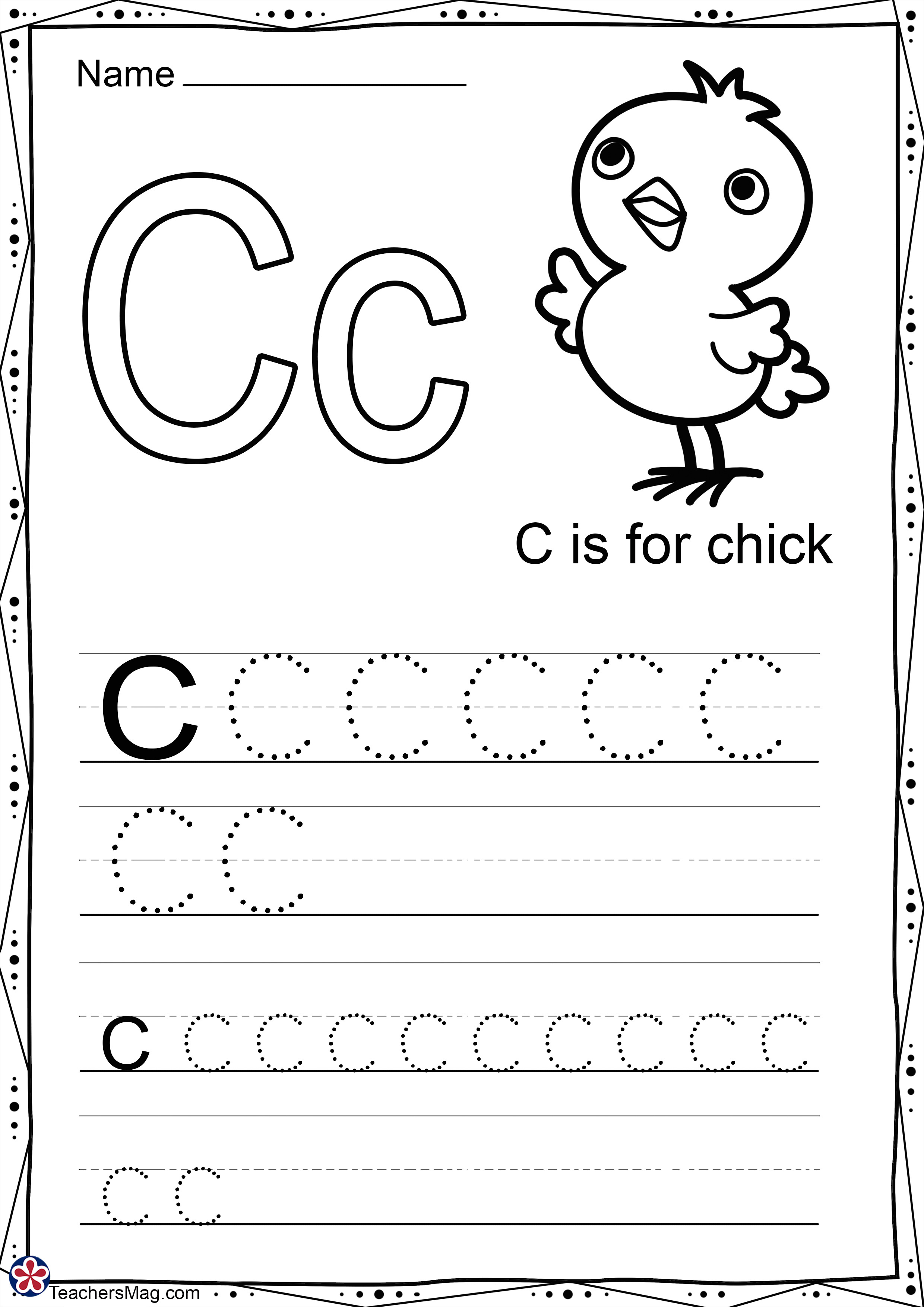
One of the core focuses of kindergarten reading worksheets is phonics and letter recognition. These worksheets provide a fun and interactive way for young learners to grasp the building blocks of reading. By engaging with activities that reinforce letter sounds and shapes, children develop a solid foundation for future reading and writing skills.
Reading comprehension practice for young learners
Kindergarten reading worksheets often incorporate a variety of engaging activities to make learning phonics enjoyable. For instance, letter, sound fun worksheets might include matching games where kids pair pictures with the corresponding beginning sounds. They might also feature find, the word activities, where children search for specific letters or words hidden within a fun picture scene. These interactive tasks not only reinforce letter recognition but also encourage visual discrimination and fine motor skills.
Printable reading adventure for curious kindergarteners
Additionally, sight word practice worksheets are invaluable for kindergarteners. These worksheets help children recognize and memorize high-frequency words, which are essential for reading fluency. By repeatedly encountering these words in different contexts, students build a sight word vocabulary that enables them to read more confidently and independently.
Worksheet activity: reading comprehension for kindergarten
Unlocking the Joy of Reading: Story Sequencing and Comprehension
Beyond phonics and letter recognition, kindergarten reading worksheets also introduce young learners to the wonderful world of stories and narrative comprehension. Story, sequencing cards are a popular activity that helps children understand the order of events in a story. By arranging picture cards in the correct sequence, kids develop an awareness of story structure and narrative flow.
Printable calendars with reading comprehension exercises
Reading, comprehension quizzes are another effective tool for assessing a child's understanding of a story. These worksheets typically feature a short story followed by a set of questions that require students to recall details, make inferences, and demonstrate their comprehension of the text. By regularly engaging with these activities, kindergarteners develop critical thinking skills and a deeper appreciation for the joy of reading.
Printable worksheets for kindergarten reading practice
People Also Ask: What Age Are Kindergarten Reading Worksheets Suitable For?
Kindergarten reading worksheets are specifically designed for young learners aged 4 to 6, typically corresponding to the kindergarten grade level. However, it's important to note that the exact age range can vary depending on the child's individual development and prior exposure to reading concepts.
Free printable kindergarten reading adventures
For instance, some children may benefit from starting with simpler worksheets at an earlier age, while others might require more advanced worksheets to challenge and engage them. It's crucial for parents and educators to assess each child's unique needs and select worksheets that align with their skill level and interests.
Beginning reading adventures: worksheets for young minds
How to Incorporate Kindergarten Reading Worksheets into Learning Routines
Incorporating kindergarten reading worksheets into learning routines can be a fun and effective way to enhance a child's reading skills. Here are some practical tips for making the most of these resources:
Free reading comprehension: an engaging journey
- Choose the Right Worksheets: Select worksheets that align with your child's current reading level and interests. Look for a variety of activities to keep engagement high and cater to different learning styles.
April reading: a fun adventure for kindergarten
- Create a Dedicated Learning Space: Set up a comfortable and distraction-free area where your child can focus on their worksheets. Ensure they have all the necessary supplies, such as pencils, erasers, and coloring materials.
Kindergarten reading: set 1 comprehension passages
- Make it a Routine: Consistency is key. Aim to incorporate worksheets into your child's daily or weekly learning routine. Short, focused sessions are often more effective than longer, less frequent ones.
Free printables: reading practice for kindergarten
Offer Guidance and Support: Be available to provide assistance and encouragement as needed. Explain concepts, offer hints, and celebrate your child's progress and achievements.
Print and Practice: Printing worksheets in advance allows for a smooth and uninterrupted learning experience. Consider laminating frequently used worksheets to make them reusable and eco-friendly.
Progress Gradually: Start with simpler worksheets and gradually introduce more challenging activities as your child's skills improve. This progressive approach ensures a steady development of reading skills.
Exploring Word Families: A Fun Way to Expand Vocabulary
Kindergarten reading worksheets often incorporate word, family fun activities, which are an excellent way to introduce children to word patterns and expand their vocabulary. These worksheets typically feature a target word, such as "cat," and then present a series of related words that follow the same pattern, like "hat," "bat," and "mat."
By engaging with word, family fun worksheets, children learn to recognize word patterns and understand how changing one letter can create a new word with a different meaning. This activity not only reinforces phonics skills but also encourages critical thinking and an awareness of the relationship between words.
Additionally, color, by sight worksheets are a creative way to reinforce sight word recognition. These worksheets feature pictures or scenes with words hidden within them, and children are tasked with finding and coloring the specified words. This activity combines word recognition with a fun coloring element, making learning an enjoyable and engaging experience.
Kindergarten reading worksheets offer a versatile and enjoyable approach to building essential reading skills. By providing a structured yet playful learning environment, these resources help young learners develop phonics, letter recognition, sight word vocabulary, and narrative comprehension. Whether used in the classroom, for homeschooling, or as a supplement to learning at home, kindergarten reading worksheets are a valuable tool for fostering a love of reading and setting the stage for future academic success.
Kindergarten reading worksheets are an excellent tool to get those little minds excited about learning. With a focus on phonics and letter recognition, these worksheets lay the groundwork for a lifetime of reading and writing adventures. So, why not give them a go?
Print out a few worksheets, gather some colorful pencils, and create a fun learning environment. Let your child's creativity and curiosity take the lead as they explore the world of letters and sounds. It's a great way to spend quality time together and watch their confidence grow.
Feel free to share your experiences and any tips you discover along the way!
Building sentences and comprehension with labeling
Read also: 22 Alphabet Tracing Worksheets for Kids
Related: 24 Preschool Shapes Worksheets to Try
As a parent, I'm always on the lookout for fun and engaging ways to teach my kids. Preschool shapes worksheets have been a lifesaver for me! These printable resources are an easy way to keep the little ones occupied and learning, especially when you need a quick activity. It's a great way to reinforce shape recognition and fine motor skills, and I love how many free options there are, like free printable shapes for preschoolers. It's a win-win, and I even found some 13 Horror Tattoo Stencil Ideas for myself while browsing!
Shape recognition for kindergartners.
A Fun Way to Learn: Preschool Shapes Worksheets
Exploring Geometric Concepts
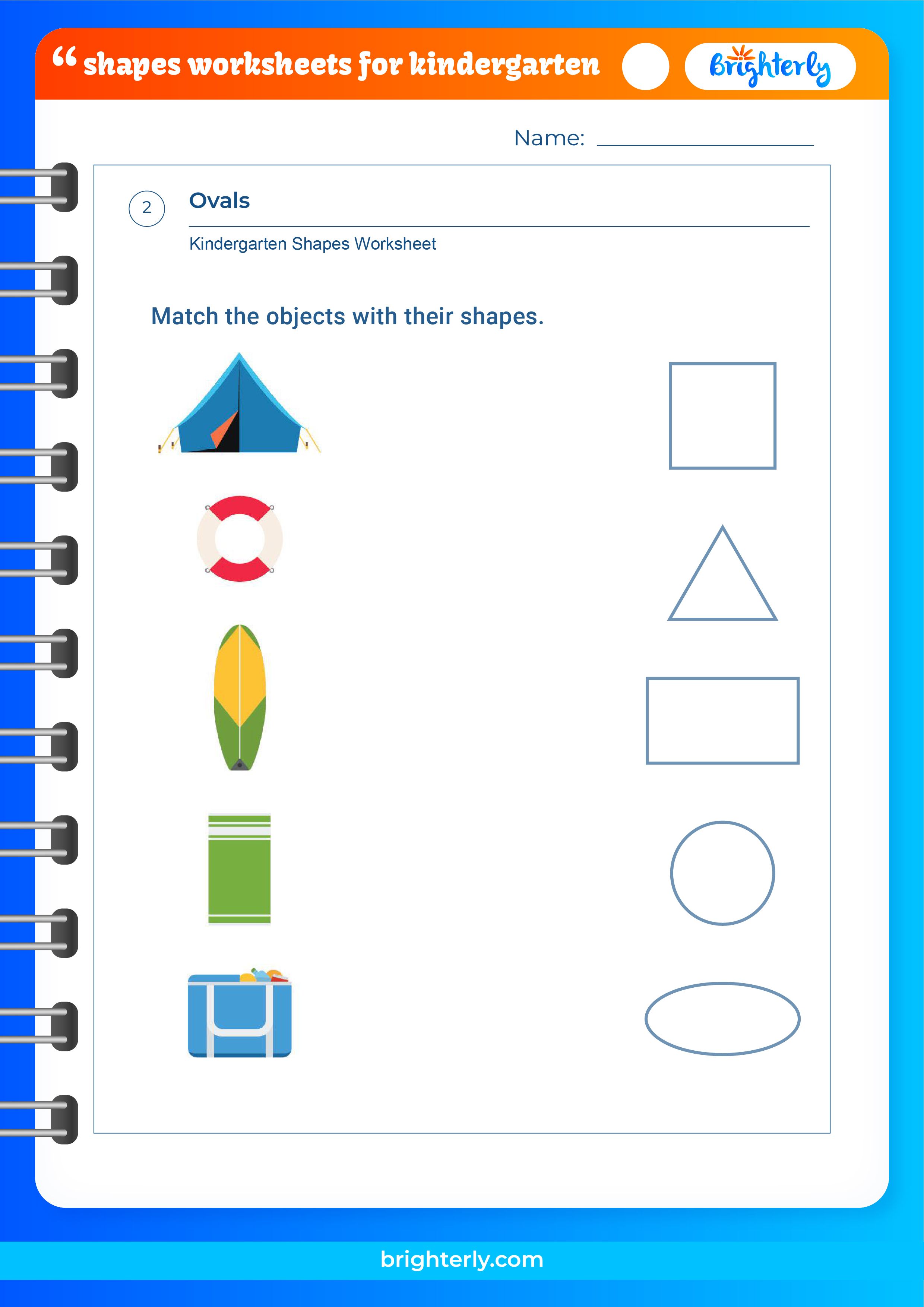
Preschool shapes worksheets are an excellent tool to introduce young learners to the world of geometry and spatial awareness. These worksheets often focus on basic shapes like circles, triangles, squares, and rectangles, which form the foundation for more complex geometric concepts later on. Through these worksheets, children can develop an understanding of shape recognition, identification, and even begin to explore basic properties and attributes of different shapes.
Free printable shapes for kindergarten.
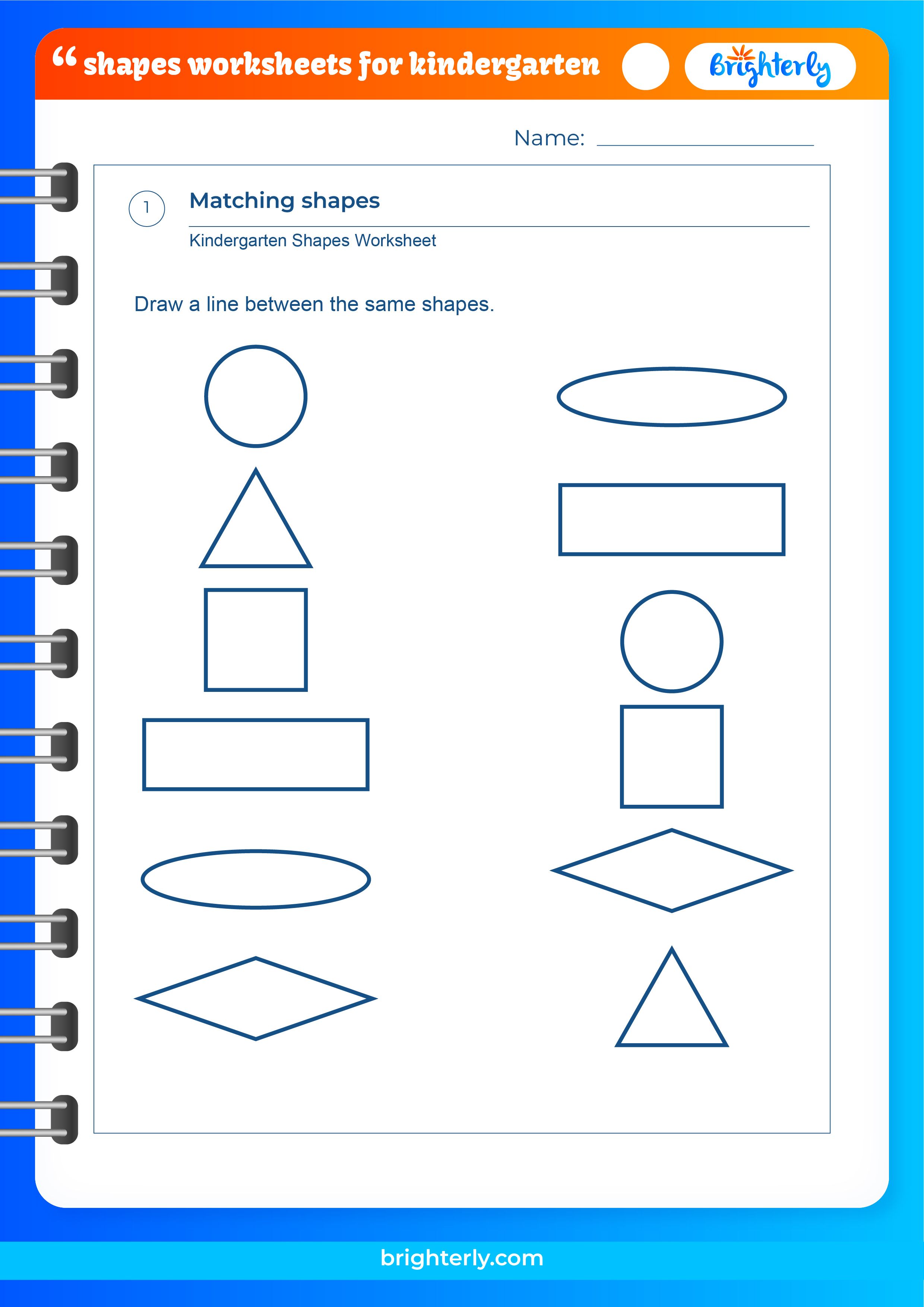
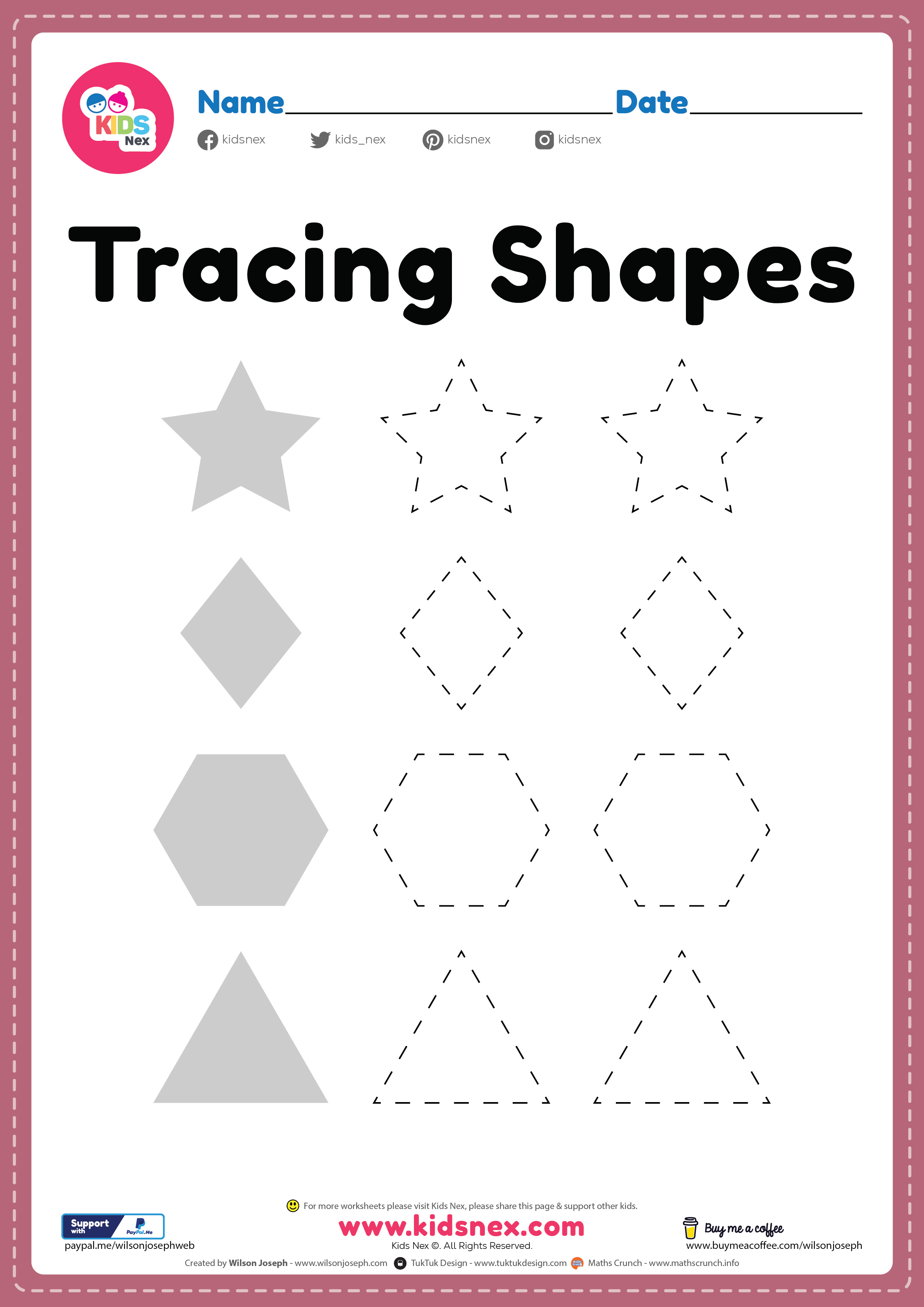
The activities on these worksheets are designed to be engaging and interactive, often incorporating coloring, tracing, and matching exercises. For instance, a worksheet might ask children to identify and color all the circles on the page, or trace and connect the dots to form a triangle. These simple activities help reinforce shape recognition and fine motor skills, which are essential for early childhood development.
Tracing shapes for young learners.
Beyond Basics: Advanced Shape Worksheets
While basic shape recognition is an important first step, preschool shapes worksheets can also cater to more advanced learners or those who quickly grasp the fundamentals. These advanced worksheets introduce concepts like shape patterns, symmetry, and even simple geometric constructions. For example, a worksheet might challenge students to complete a pattern of shapes, such as a sequence of circles, squares, and triangles, or to draw the mirror image of a given shape to explore symmetry.
A fun shapes worksheet for kids.
Advanced shape worksheets might also introduce more complex shapes like ovals, diamonds, and hexagons, encouraging students to expand their shape vocabulary and understanding. These worksheets often provide a progression of difficulty, allowing students to build on their skills and knowledge over time.
Kindergarten's shape adventure.
People Also Ask: What Age are Preschool Shapes Worksheets Suitable For?
Preschool shapes worksheets are typically designed for children aged 3 to 5, which is a crucial period for cognitive and fine motor skill development. However, these worksheets can also be beneficial for slightly older children who may need extra practice or reinforcement in shape recognition and geometry. It's important to note that while these worksheets are often associated with preschool, they can be used in a variety of educational settings, including kindergarten, early elementary grades, and even at home for independent learning or as a supplement to other educational materials.
Basic shapes for beginners.
How to Use Preschool Shapes Worksheets Effectively
Preschool shapes worksheets can be used in various ways to enhance learning and engagement. Here are some practical tips:
Tracing shapes, a PDF activity.
- In the Classroom: Teachers can incorporate these worksheets into their lesson plans as a fun break from traditional teaching methods. They can be used as a warm-up activity, a review session, or even as a reward for good behavior or completed work.
- Homeschooling: For parents homeschooling their children, these worksheets can be a valuable resource to structure learning and provide a change of pace from other educational activities. They can be used to reinforce concepts learned through other means, such as hands-on activities or interactive games.
- Tutoring: Tutors can use preschool shapes worksheets to assess a child's understanding of basic geometry and shape recognition. They can also be used as a diagnostic tool to identify areas where a child may need extra support or practice.
- Independent Learning: Older preschoolers or kindergarteners who are eager to learn can use these worksheets independently. They provide a structured and engaging way for children to practice their skills and explore geometry at their own pace.
Matching shapes, a fun practice.
Creative Corners: Incorporating Shapes into Play
Preschool shapes worksheets are just one tool in the toolkit for teaching geometry and spatial awareness. To further enhance learning, consider incorporating shapes into everyday play and activities. For example, you could create a "shape hunt" game where children search for objects around the house or classroom that match a given shape. Or, you could provide a variety of craft materials and challenge children to create their own "shape monsters" or "shape towns."
Tracing and coloring, preschool style.
These hands-on activities not only reinforce shape recognition but also encourage creativity and imagination. By combining worksheets with practical, real-world applications, children can develop a deeper understanding of shapes and their properties, setting the foundation for more advanced geometric concepts in the future.
2D and 3D shapes, a mega pack.
Remember, learning should be fun and engaging, and preschool shapes worksheets are a great way to achieve that, especially when combined with other creative and interactive activities.
Matching shapes, a kindergarten skill.
Pattern recognition, a kindergarten task.
Shapes are an exciting gateway to a world of creativity and problem-solving! With these worksheets, kids can explore their artistic side while grasping the fundamentals of geometry. It's a win-win!
So, go ahead and give these preschool shapes worksheets a go. Let your little ones have some fun while learning, and don't forget to leave a comment or share your unique experiences below. We'd love to hear how it went!
Preschoolers' shape identification.
Read also: 28 Stitch Stencil Designs to Try