


Figurative Language Worksheet Classroom Overview
Sometimes, when you're teaching or learning a new concept, you just need a simple tool to focus your practice. That's where a graphing inequalities worksheet can be a real lifesaver! It's an easy-to-use resource that can help anyone, from students to parents, grasp the basics of graphing inequalities on a number line. I mean, let's be honest, sometimes we all need a little extra practice, and these worksheets are a great way to get it without the hassle of creating your own. Oh, and if you're looking for other simple practice tools, check out that graphing inequalities on a number line worksheet I used earlier; it was a breeze to use!
Practice graphing systems of inequalities.
Graphing Inequalities: A Visual Journey
Graphing inequalities is a fundamental skill in mathematics, and a graphing inequalities worksheet is an excellent tool to guide learners through this visual journey. It provides a structured approach to understanding and representing inequalities on a number line, offering a clear path for students to grasp this concept.
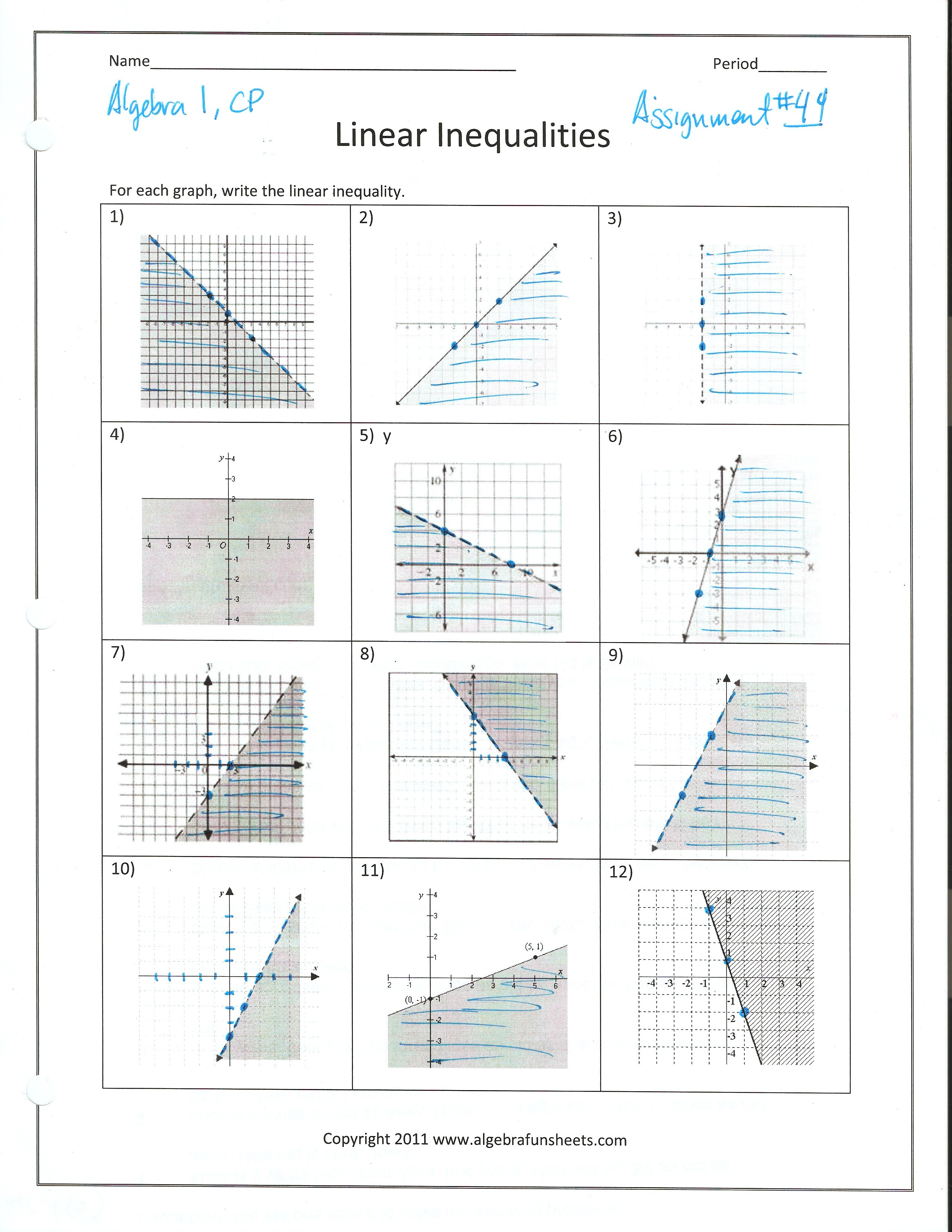
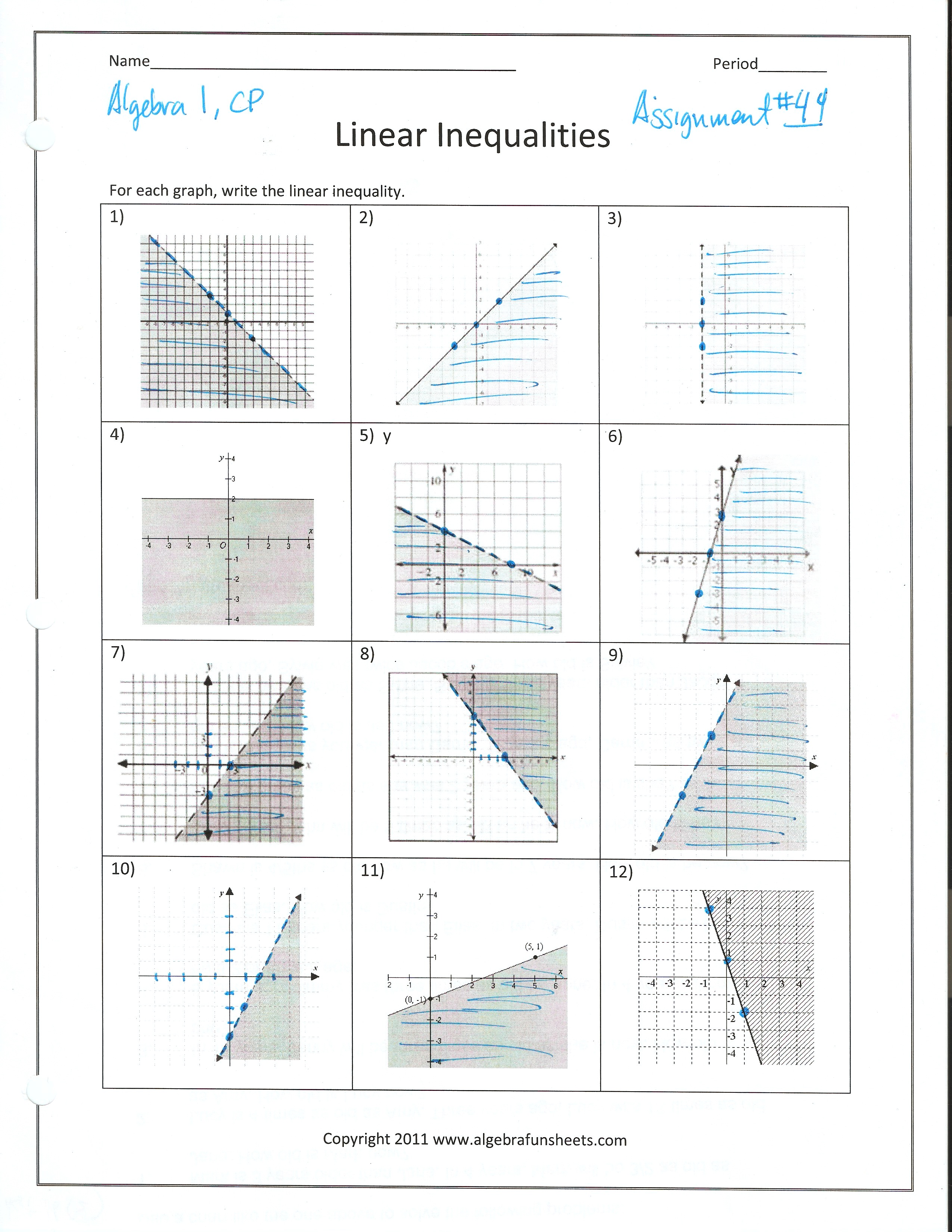
Answers for linear inequalities graphing.
Beyond the Basics: Advanced Worksheets for Deeper Understanding
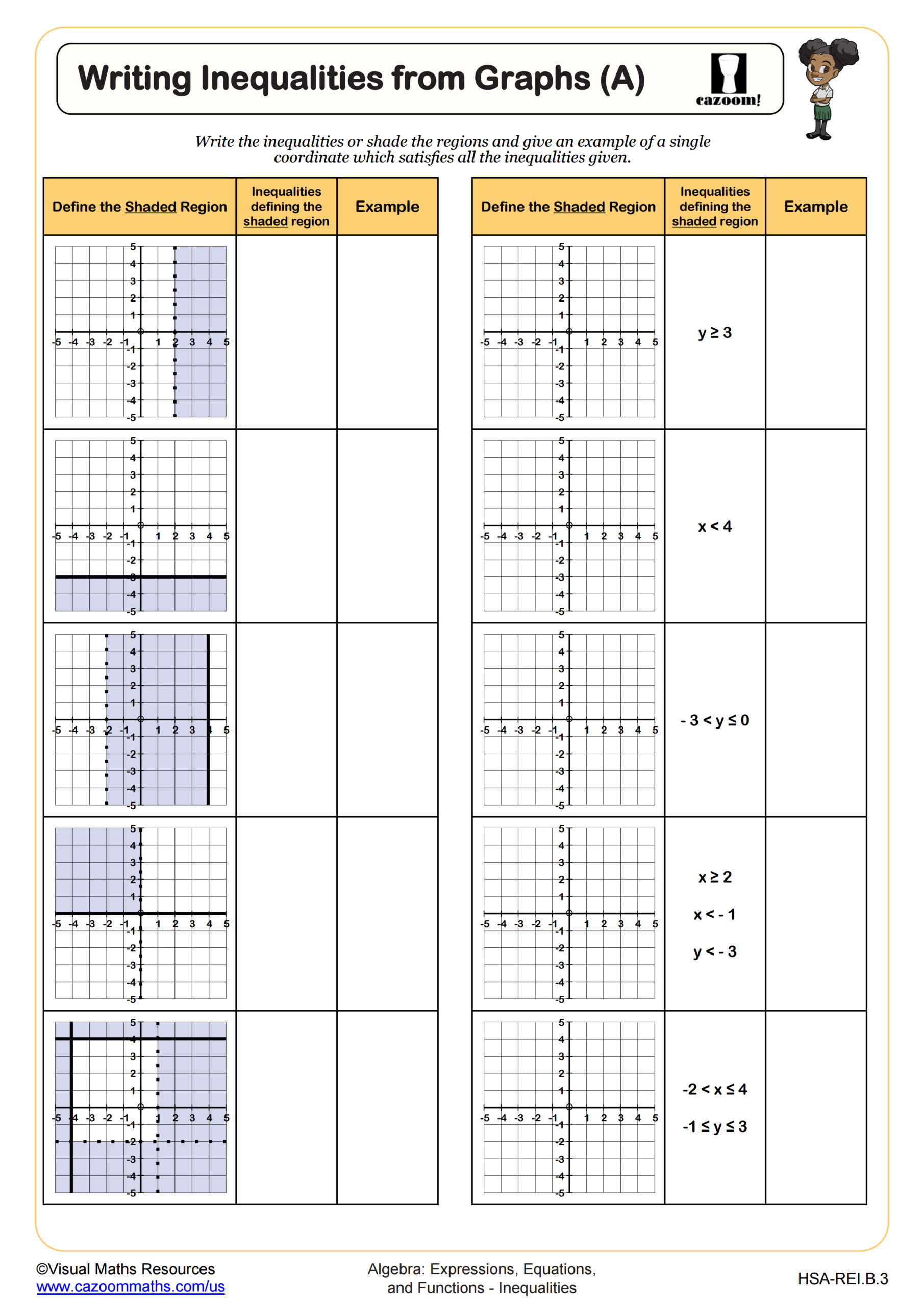
While the foundational graphing inequalities worksheet focuses on the basics, there's a whole world of more advanced worksheets to explore. These resources delve into the intricacies of graphing inequalities, offering a deeper dive into this mathematical concept. For instance, some worksheets introduce the concept of shaded inequality regions, where learners must not only plot data points but also understand the visual representation of the inequality. This advanced skill is a natural progression for students who have mastered the basics, allowing them to tackle more complex mathematical problems.
Sketching linear inequality graphs: answers.
People Also Ask: What's the Best Way to Use These Worksheets?
A common question that arises is how to effectively utilize graphing inequalities worksheets. The answer lies in their versatility and adaptability. These worksheets can be tailored to suit various learning needs and environments. In a classroom setting, teachers can use them as a group activity, fostering collaboration and discussion. For homeschooling or tutoring sessions, worksheets provide a structured yet flexible approach, allowing educators to adapt the pace and difficulty level to suit individual students. Additionally, learners can use them independently, providing a self-guided learning experience.
Writing and graphing inequalities: printable.
How to Choose and Incorporate the Right Worksheet
Selecting the appropriate graphing inequalities worksheet is crucial for an effective learning experience. When choosing a worksheet, consider the learner's skill level and the specific mathematical concept being targeted. For beginners, start with simple worksheets that focus on the basics, gradually introducing more complex concepts as their understanding deepens. It's also essential to consider the worksheet's layout and design. Clear, well-organized worksheets with appropriate difficulty levels and a variety of question types can enhance the learning experience.
Graphing systems of inequalities: exercises.
To incorporate these worksheets into your teaching or learning routine, begin by identifying the specific mathematical goal you want to achieve. Whether it's reinforcing basic skills or introducing more advanced concepts, there's a worksheet to match. Provide clear instructions and guidance, ensuring learners understand the purpose and expectations of the worksheet. Encourage active engagement and discussion, promoting a deeper understanding of the material. Finally, offer feedback and support to help learners reflect on their progress and identify areas for improvement.
Inequalities worksheets: practice and learn.
Practical Application: From Worksheets to Real-World Scenarios
One of the most valuable aspects of graphing inequalities worksheets is their ability to bridge the gap between theoretical concepts and real-world applications. By practicing with these worksheets, learners develop a strong foundation in graphing inequalities, which can then be applied to solve practical problems. For example, in everyday life, understanding and representing inequalities is crucial in various scenarios, such as budgeting, comparing prices, or analyzing data. By mastering the skills taught in these worksheets, learners gain a powerful tool for navigating real-world mathematical challenges.
Graphing linear systems: a visual guide.
Furthermore, the visual nature of graphing inequalities worksheets makes them an excellent resource for developing spatial reasoning and problem-solving skills. As learners progress from simple to more complex worksheets, they enhance their ability to interpret and analyze visual data, a skill that is transferable to many other areas of mathematics and beyond.
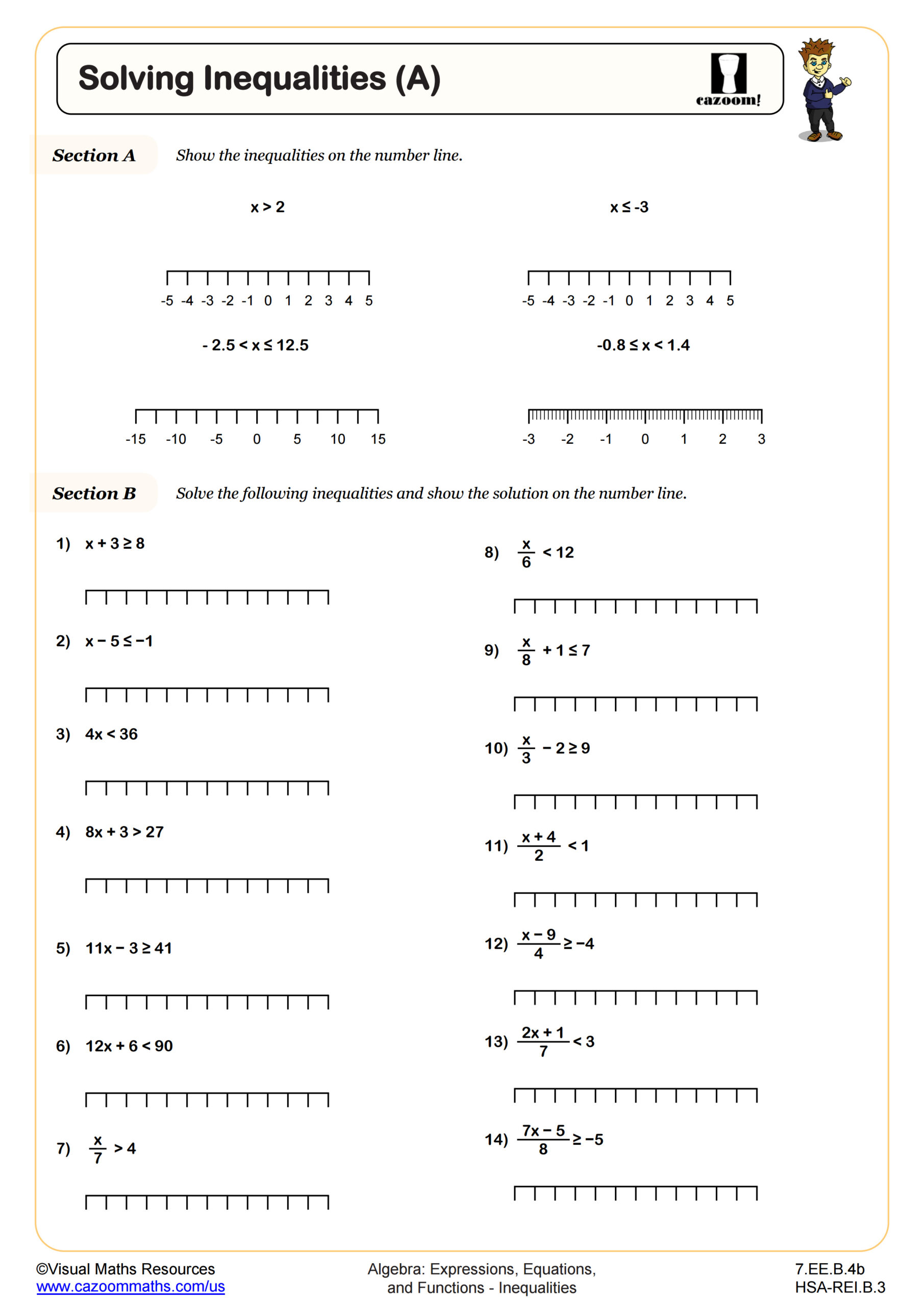
Solving and graphing inequalities: combined.
In conclusion, graphing inequalities worksheets are a versatile and powerful tool for learners of all ages and skill levels. From basic to advanced concepts, these worksheets provide a structured yet engaging approach to mastering the art of graphing inequalities. Whether used in a classroom, homeschooling, or independent learning setting, they offer a practical and effective way to enhance mathematical understanding and apply it to real-world scenarios. So, embrace the journey of graphing inequalities, and let these worksheets be your guide to unlocking the wonders of mathematical representation!
Graphing inequalities: visual representation.
25 Floral Stencil Ideas for Diy Projects can also be a fun break from the serious learning, offering a creative outlet for learners to explore their artistic side while still engaging with mathematical concepts.
Worksheets for solving and graphing inequalities.
Inequalities practice: solving and graphing.
More worksheets for solving inequalities.
Graphing inequalities might seem like a daunting task at first, but with a good worksheet as your guide, it becomes an enjoyable and rewarding experience. These worksheets offer a fun way to visualize and understand mathematical concepts, so why not give it a go?
Print out a worksheet, grab a pen, and start your mathematical adventure! It's a great way to reinforce your understanding and, who knows, you might even discover a new passion for graphing. Leave a comment or share your experience below; we'd love to hear how it went!
Free graphing inequalities practice sheet.
Read also: 15 Lotus Flower Tattoo Stencil Designs
Related: 29 Money Practice Worksheets for Kids
I've been thinking about how to teach my kids about money and financial literacy. It's not an easy task, especially when they're young and just starting to grasp these concepts. I've found that money practice worksheets are a great way to introduce and reinforce these skills in a fun and engaging manner. These worksheets, like free printable money recognition worksheets, are an excellent resource for parents and teachers alike, offering a simple and effective tool to help kids practice and understand money-related topics.
Match words with same beginning sound
Money Practice Worksheets: Mastering the Art of Financial Literacy
Money practice worksheets are an invaluable resource for anyone looking to enhance their financial literacy skills. These worksheets offer a structured and engaging approach to learning about money, covering a range of topics from basic currency recognition to more complex budgeting exercises. By providing a hands-on and interactive learning experience, money practice worksheets cater to different learning styles and help solidify financial concepts in a fun and memorable way.
Counting money for all skill levels
Coin Recognition Sheets and Currency Counting Tasks
One of the fundamental aspects of financial literacy is recognizing and understanding different currencies. Coin recognition sheets are an excellent starting point for young learners, helping them identify and differentiate between various coins and their values. These sheets often feature colorful illustrations and simple exercises, making it an enjoyable learning experience.
Practice counting coins for 3rd graders
As learners progress, currency counting tasks become an essential part of their financial education. These worksheets introduce the concept of adding up different denominations of coins and bills to calculate the total amount. By practicing these tasks, learners develop their mathematical skills and gain a deeper understanding of monetary values.
Money writing practice for 1st grade
Practice Money Problems: From Basic to Advanced
Money practice worksheets offer a progressive learning journey, starting with simple addition and subtraction problems involving money. These worksheets often use real-life scenarios, such as calculating the cost of items at a store or splitting a bill, to make learning relevant and engaging. As learners advance, the worksheets introduce more complex problems, including multiplication and division of money amounts, percentage calculations, and even simple interest concepts.
Learn to identify and count money
The progression from basic to advanced money problems ensures that learners can build a strong foundation and gradually tackle more challenging financial concepts. This structured approach allows for a smooth transition and helps learners apply their skills to real-life situations.
Count coins with this free printable
People Also Ask: What Age Group Benefits from Money Practice Worksheets?
Money practice worksheets are versatile and can be tailored to different age groups and learning levels. While they are commonly used for elementary and middle school students, they can also be beneficial for older learners who are looking to improve their financial literacy skills. The beauty of these worksheets lies in their adaptability, allowing educators and parents to choose the appropriate level of difficulty based on the learner's needs.
KS1 money basics for years 1-2
For younger children, the focus may be on recognizing coins and understanding basic money values. As they grow older, the worksheets can introduce more complex concepts, such as budgeting, saving, and investing, preparing them for financial responsibilities in adulthood.
Compare and contrast money amounts
How to Use Money Practice Worksheets Effectively
To make the most of money practice worksheets, it's important to consider a few practical aspects. Firstly, ensure that you have a suitable printer and access to the necessary materials, such as colored pencils or markers, to make the learning experience enjoyable.
KS2 money worksheets with answers
When using these worksheets, it's beneficial to create a dedicated learning space, whether it's a classroom, homeschool environment, or a quiet corner at home. This helps learners stay focused and engaged. Additionally, consider incorporating interactive elements, such as using real coins or play money, to bring the worksheets to life and make learning more tangible.
Free money practice sheet download
Financial Literacy Games: Making Learning Fun
One of the most effective ways to engage learners and reinforce financial literacy concepts is through games. Financial literacy games, often incorporated into money practice worksheets, add an element of excitement and competition. These games can be played individually or in groups, fostering a collaborative learning environment.
Combine coins to make amounts
For example, a popular game often featured in money practice worksheets is "Monetary Value Puzzles." This game involves matching different currency amounts with their corresponding values, encouraging learners to think critically and apply their knowledge. By incorporating games into the learning process, educators and parents can make financial literacy an enjoyable and memorable experience.
Count cents with different coins
In conclusion, money practice worksheets are a powerful tool for teaching financial literacy, offering a structured and engaging approach to learning about money. From coin recognition to budgeting exercises, these worksheets cater to different learning levels and provide a progressive learning journey. By incorporating interactive elements and financial literacy games, learners can develop a strong foundation in financial concepts, preparing them for a financially responsible future.
Money practice worksheets are a fantastic tool to have in your financial literacy toolkit. They provide an interactive and fun way to learn, and with so many topics covered, you can really tailor your learning experience. So, why not give these worksheets a go? Print a few out, gather your pens and calculators, and dive into the world of financial literacy. It's a great way to stay motivated and engaged, and you might just surprise yourself with how much you can achieve. Leave a comment or share your experience below; we'd love to hear how these worksheets have helped you on your financial journey!
Recognize and count American money
Read also: Understanding Ww2 Stencil Serial Numbers
Related: 29 Order of Operations Math Worksheets
Learning the order of operations can be tricky, especially for those who struggle with math. It's a crucial step in solving equations, and having the right resources can make all the difference. Order of operations math worksheets are a simple yet effective tool to help students grasp this concept. With these worksheets, like our Pemdas practice problems with answers, learners can practice and reinforce their understanding, making it a breeze to tackle those two-step equations. Check out our collection, including 12 Worksheets for Solving Two Step Equations, for a fun and practical way to master this skill!
First grade math standards overview.
Mastering the Order of Operations: A Fundamental Math Skill
When it comes to mathematics, the order of operations is a fundamental concept that forms the basis for more complex problem-solving. Order of operations math worksheets are an invaluable resource for students, providing a structured and engaging way to master this essential skill. By following a clear set of rules, learners can confidently tackle equations and gain a deeper understanding of mathematical concepts.
Free common core order of operations practice.
Exploring PEMDAS Practice Problems
One of the most common approaches to teaching the order of operations is through the acronym PEMDAS, which stands for Parentheses, Exponents, Multiplication and Division (from left to right), and then Addition and Subtraction (from left to right). PEMDAS serves as a mnemonic device, helping students remember the correct sequence of operations. Order of operations math worksheets often incorporate PEMDAS practice problems, allowing students to apply this concept in a variety of scenarios.
Answer key for order of operations worksheet.
These worksheets typically present equations with a mix of operations, requiring students to apply the PEMDAS rule to solve them accurately. By practicing with different types of equations, students can develop a strong foundation in this critical skill. The worksheets may also include variations, such as equations with multiple steps or those that require the application of additional mathematical concepts, like negative numbers or fractions.
Order of operations worksheets collection.
People Also Ask: How Do I Teach the Order of Operations Effectively?
Teaching the order of operations can be a challenging task, especially for educators or parents who are not math specialists. Fortunately, order of operations math worksheets offer a straightforward and effective solution. These worksheets provide a clear framework for students to follow, breaking down the concept into manageable steps.
Free order of operations worksheets for all.
By presenting equations with a consistent structure and gradually increasing the complexity, learners can build their confidence and understanding. The worksheets often include answer keys, allowing students to check their work and identify any mistakes. This self-assessment feature is invaluable, as it encourages students to reflect on their progress and make necessary adjustments.
PEMDAS problems, a fun challenge.
How Can I Use Order of Operations Math Worksheets in My Teaching Practice?
Order of operations math worksheets are versatile resources that can be utilized in various educational settings. Whether you're a teacher in a traditional classroom, a homeschooling parent, or a tutor, these worksheets can be a valuable addition to your teaching toolkit.
Examples of math order of operations.
In a classroom setting, worksheets can be distributed to students individually or used as a group activity. They provide a structured practice session, allowing students to work at their own pace and receive immediate feedback. For homeschooling parents, order of operations math worksheets offer a convenient way to reinforce mathematical concepts at home. Parents can guide their children through the worksheets, providing support and encouragement as needed.
Mom-approved order of operations worksheets.
Tutors can also benefit from incorporating these worksheets into their sessions. By selecting appropriate worksheets based on the student's level and needs, tutors can target specific areas of improvement. The worksheets can be used as a diagnostic tool, helping tutors identify areas where the student may be struggling and tailoring their teaching approach accordingly.
PDF order of operations worksheets for mastery.
A Step-by-Step Approach to Mastering the Order of Operations
Order of operations math worksheets often follow a progressive structure, starting with simpler equations and gradually introducing more complex concepts. This step-by-step approach allows students to build their skills incrementally, ensuring a solid foundation before moving on to more challenging problems.
Order of operations math worksheets with answers.
For beginners, worksheets may focus on basic equations with a single operation, such as addition or multiplication. As students become more comfortable, the worksheets can introduce equations with multiple operations, requiring them to apply the PEMDAS rule. Advanced worksheets may include equations with parentheses, exponents, or a combination of operations, pushing students to think critically and apply their understanding of the order of operations in more complex scenarios.
Worksheets to teach order of operations.
By progressing through a series of carefully designed worksheets, students can develop a deep understanding of the order of operations and its applications. This structured approach ensures that learners can master this fundamental skill, setting them up for success in more advanced mathematical concepts.
Free order of operations worksheets with answers.
Enhancing Learning with Practical Applications
While order of operations math worksheets provide a structured learning environment, they can also be used to enhance practical applications of mathematics. By incorporating real-world scenarios or word problems into the worksheets, students can see the relevance of the order of operations in everyday situations.
For example, a worksheet might present a scenario where students need to calculate the total cost of items with varying prices and discounts. By applying the order of operations, students can accurately calculate the final cost, reinforcing the practical value of this mathematical concept.
Incorporating practical applications into order of operations math worksheets not only makes learning more engaging but also helps students develop critical thinking skills. It encourages them to think beyond the equations and apply their mathematical knowledge to solve real-life problems.
In conclusion, order of operations math worksheets are a powerful tool for students, educators, and parents alike. By providing a structured and engaging learning experience, these worksheets help students master a fundamental mathematical skill. With a range of worksheet types, difficulty levels, and practical applications, order of operations math worksheets offer a versatile and effective approach to teaching and learning.
So, there you have it! The order of operations may seem daunting at first, but with consistent practice and the right resources, it becomes second nature. These worksheets are a fantastic way to reinforce this skill, and I highly encourage you to give them a go.
Why not print a few out and test your skills? It's a great way to keep your math muscles strong and ensure you're ready for more complex equations. Leave a comment or share your experience below; I'd love to hear how you get on!
Practice order of operations with this worksheet.
Read also: 16 Addition to 20 Worksheets for Practice