


First Grade Reading Worksheets A4 Overview
I remember when my little one was just starting grade 1, and addition was a whole new world for them. It can be a tricky concept for kids to grasp, and as a parent, I wanted to find fun and engaging ways to help them practice. That's when I discovered addition worksheets for grade 1 - a simple yet effective tool to reinforce their learning. These worksheets, especially the ones with pictures, made it easier for my child to visualize and understand addition. I even found some great resources, like addition worksheets for grade 1 with pictures, which were a lifesaver! It's a great way to keep kids engaged and 23 Distributive Property Worksheets for Practice can also be a fun challenge for them.
Free first grade math practice
Mastering Basic Addition Skills: A First Grade Adventure
Visualizing Addition with Worksheets
One of the most effective ways to introduce and reinforce basic addition skills in first graders is through visual aids. Addition worksheets for grade 1 with pictures are a brilliant tool for this purpose. These worksheets often feature colorful illustrations or simple images that represent the numbers being added together. For instance, a worksheet might show two apples and three apples, with the question prompting students to find the total number of apples. This visual approach helps young learners make the connection between the abstract concept of addition and real-world objects, making it easier for them to understand and solve basic addition problems.
Visual worksheets are particularly beneficial for kinesthetic and visual learners, who tend to grasp concepts better when they can see and interact with them. By associating addition with familiar objects, these worksheets make the learning process more engaging and memorable. This approach not only helps students develop their basic addition skills but also fosters a positive attitude towards math, setting a strong foundation for future learning.
NCERT grade 1 math exercises
Beyond Simple Sums: Exploring Number Bonds and Equations
While basic addition worksheets are a great starting point for first graders, it's important to gradually introduce more complex concepts to keep their learning journey exciting and challenging. Addition worksheets for grade 1 often incorporate number bonds, a concept that helps students understand the relationship between numbers in an addition equation. For instance, a number bond worksheet might show the equation 5 + 3 = 8, with the visual representation of five circles bonded to three circles, forming a larger group of eight circles. This visual representation helps students grasp the concept that the two numbers being added together are part of a whole, enhancing their understanding of addition.
As students progress, they can move on to simple equations that involve adding larger numbers or even multiple addends. These worksheets might present equations like 2 + 3 + 4 = ? or 10 + 5 = ?, challenging students to apply their addition skills in more complex scenarios. By gradually increasing the difficulty level, these worksheets ensure that students not only master basic addition but also develop the ability to solve more intricate problems, building a strong mathematical foundation.
Science worksheets for curious minds
People Also Ask: What Are Some Common Challenges in Teaching Addition to First Graders?
Teaching addition to first graders can present several challenges, especially when it comes to keeping their attention and ensuring they understand the concept. One common issue is the tendency for young learners to count all the numbers in the equation rather than understanding the concept of addition as a process of combining two quantities. For instance, when faced with the equation 3 + 2, some students might count all five numbers (1, 2, 3, 4, 5) instead of understanding that 3 and 2 make 5. This can be addressed by using visual aids and worksheets that emphasize the concept of addition as a process of joining or combining, rather than simply counting.
Another challenge is helping students develop mental math skills for addition. While worksheets and visual aids are great tools, it's important to encourage students to practice addition mentally, without relying solely on visual representations. This can be achieved through games, verbal exercises, and real-life scenarios where addition is applied, such as counting objects or adding up scores in a game. By combining visual aids with practical applications and mental math exercises, teachers and parents can ensure that first graders not only learn the mechanics of addition but also develop a deep understanding of the concept, setting them up for success in more advanced math topics.
Math code challenges for kids
How Can Parents and Teachers Effectively Use Addition Worksheets for Grade 1?
Addition worksheets for grade 1 are versatile tools that can be used in various educational settings, including classrooms, homeschooling environments, and tutoring sessions. For teachers, these worksheets provide a structured way to introduce and reinforce addition concepts, ensuring that all students have the opportunity to practice and master basic addition skills. Worksheets can be used as part of a lesson plan, with teachers guiding students through the exercises and providing explanations and examples as needed. They can also be used for independent practice, allowing students to work at their own pace and reinforcing their understanding of addition.
Parents, too, can benefit from using addition worksheets at home. These worksheets provide a fun and engaging way for parents to support their child's learning, especially when combined with real-life scenarios and games. For instance, parents can use everyday objects like toys or snacks to demonstrate addition concepts, and then follow up with a related worksheet to reinforce the learning. This integrated approach helps children make connections between abstract math concepts and their real-world applications, fostering a deeper understanding of addition.
Two-digit addition problems to solve
When using addition worksheets, it's important to consider the printing and practical usage aspects. While digital worksheets can be convenient, having physical copies allows students to write directly on the worksheet, providing a more tactile learning experience. Additionally, physical worksheets can be easily stored and reused, making them a cost-effective and environmentally friendly option. Whether using digital or physical copies, the key is to ensure that students have a comfortable and distraction-free environment to focus on their addition practice, fostering a positive and productive learning experience.
Easy addition practice sheets
Engaging Activities for Addition Practice: Making Learning Fun
One of the best ways to keep first graders engaged in addition practice is through fun and interactive activities. In addition to traditional worksheets, teachers and parents can incorporate games and real-life scenarios to make learning addition an enjoyable experience. For instance, a simple game of "Addition Bingo" can be a fun way to practice addition facts. Each student gets a bingo card with addition equations, and as the teacher or parent calls out the answers, students mark the corresponding equation on their card. This game not only reinforces addition skills but also adds an element of excitement and competition, motivating students to actively participate and learn.
Another engaging activity is the use of addition-themed crafts or projects. For example, students can create their own addition flashcards using colorful paper and markers. They can design the flashcards with fun illustrations or patterns, making the learning process more creative and personalized. This hands-on approach not only reinforces addition facts but also develops fine motor skills and creativity. By incorporating such activities into addition practice, teachers and parents can make math learning an exciting adventure, fostering a lifelong love for learning and a positive attitude towards math.
Grade 1 math worksheets: addition
As first graders progress in their addition journey, it's important to gradually introduce more challenging activities to keep their learning journey stimulating. While basic addition worksheets are a great starting point, teachers and parents can incorporate more complex equations and word problems to stretch students' thinking and problem-solving skills. By providing a variety of engaging activities and gradually increasing the difficulty level, we can ensure that first graders not only master basic addition but also develop a strong foundation for more advanced math concepts, setting them up for success in their academic journey.
Adding numbers 1-10: fun worksheets
First grade math worksheets: addition
Grade 1 addition worksheets collection
Fourth grade math: addition worksheets
Earthworm-themed math for grades 2-3
Well, there you have it! Visualizing addition through these fun and colorful worksheets is an excellent way to make learning enjoyable for young minds. It's a great strategy to keep them engaged and excited about math.
So, why not give it a go? Print out a few of these addition worksheets and let your first grader dive into the world of numbers. It's a simple and effective way to boost their confidence and skills. Leave a comment or share your experience below; we'd love to hear how it goes!
Math charts for visual learners
Read also: Free Heart Stencil Printable for Easy Crafts
Related: 19 First Grade Addition Worksheets
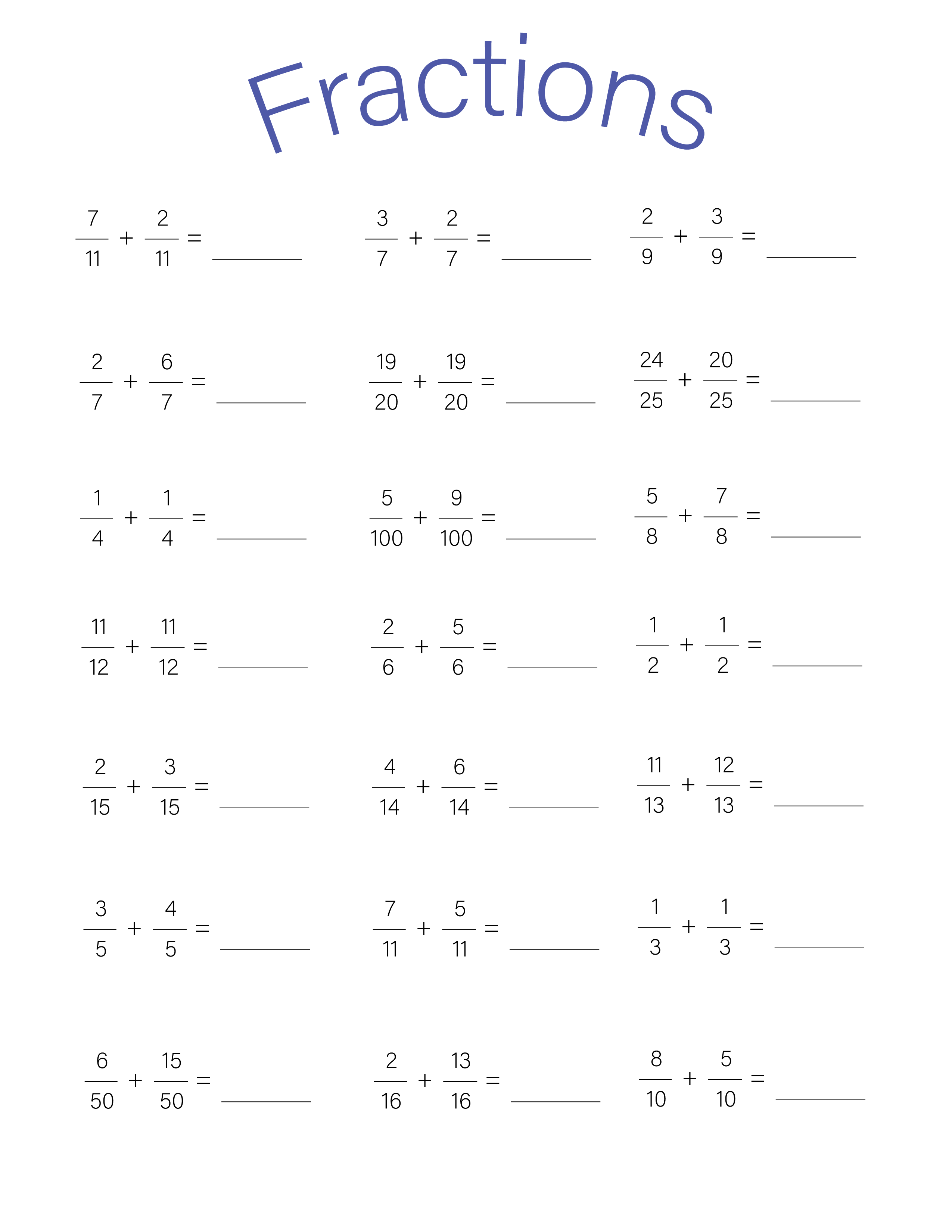
As a parent, I'm always on the lookout for fun and engaging ways to help my child practice their math skills. First grade addition worksheets can be a real lifesaver, offering a simple and effective tool to reinforce those early addition concepts. These worksheets, like one digit addition worksheets pdf, are perfect for a quick practice session, and they can even be a fun break from regular lessons.
First graders add single digits.
A Strong Foundation: Building Early Addition Skills
First grade addition worksheets are a fantastic resource for introducing young learners to the world of mathematics. These worksheets focus on the fundamental concept of addition, providing a solid foundation for further mathematical exploration. By engaging with these worksheets, children can develop a strong understanding of basic sums, setting them up for success in more complex mathematical concepts down the line.
Single-digit addition practice.
Beyond One-Digit: Exploring Two-Digit Addition
While one-digit addition worksheets, such as one digit addition worksheets pdf, are an excellent starting point, first grade addition worksheets often progress to include two-digit addition problems. This progression allows children to gradually build their confidence and skills, tackling more challenging calculations while still within the familiar and supportive framework of addition.
PDF: 1st grade math worksheets.
The beauty of these worksheets lies in their adaptability. They can be tailored to suit the needs of individual learners, whether they are just beginning to grasp the concept of addition or are ready to move beyond single-digit sums. This flexibility ensures that each child can work at their own pace, reinforcing their understanding and building their mathematical confidence.
Missing addend challenge for grade 1.
People Also Ask: What Makes First Grade Addition Worksheets Effective?
First grade addition worksheets are designed with a specific purpose in mind: to provide a fun and engaging way for children to practice and reinforce their addition skills. But what sets these worksheets apart from other learning resources?
First grade math practice.
The key lies in their simplicity and focus. These worksheets are specifically tailored to the learning needs of first graders, offering a gentle introduction to mathematical concepts without overwhelming young minds. By presenting addition problems in a clear and structured manner, these worksheets allow children to build a solid foundation of understanding, which is essential for future mathematical success.
[IGNORE JUNK]
How to Use First Grade Addition Worksheets Effectively
When it comes to using first grade addition worksheets, there are a few practical considerations to keep in mind. Firstly, ensure that the worksheets are age-appropriate and aligned with the child's current mathematical understanding. This will help maintain a healthy balance between challenge and accessibility, keeping the child engaged and motivated.
Addition worksheets for 1st grade.
Secondly, consider the learning environment. While these worksheets can be used in a variety of settings, from classrooms to homeschooling environments, it's important to create a calm and focused atmosphere. This might involve finding a quiet space, providing adequate lighting, and ensuring the child has all the necessary materials, such as a pencil, eraser, and a dedicated workspace.
Elementary math: PDF worksheets.
Lastly, don't underestimate the power of repetition and practice. First grade addition worksheets are an excellent tool for reinforcing mathematical concepts, so encourage the child to work through multiple worksheets over time. This consistent practice will help solidify their understanding of addition, laying the groundwork for more advanced mathematical skills.
Free 1st grade math printables.
Fun and Games: Making Addition Practice Enjoyable
One of the great advantages of first grade addition worksheets is their versatility. Beyond their educational value, these worksheets can be incorporated into a variety of fun activities and games, making learning an enjoyable experience for children.
Grade 1: Addition and subtraction.
For example, you could create a scavenger hunt where the child has to find and solve addition problems hidden around the house or classroom. Or, turn it into a competition, challenging the child to complete a certain number of worksheets within a set time frame. These interactive approaches not only make learning more engaging but also help reinforce the child's understanding of addition in a practical and memorable way.
Addition flashcards for kids.
Additionally, first grade addition worksheets can be a great resource for parents and caregivers looking to support their child's learning at home. By working through these worksheets together, parents can actively participate in their child's mathematical journey, offering guidance and support while also spending quality time with their little ones.
Math worksheets for 1st graders.
Segundo Paso Worksheet Answers Chapter 1 offers a wealth of resources for further mathematical exploration, providing a natural progression from first grade addition worksheets. With a focus on building a strong foundation, these worksheets and resources ensure that children are well-equipped to tackle more complex mathematical concepts with confidence and enthusiasm.
So, there you have it! First grade addition worksheets are a fun and effective way to get kids comfortable with numbers and build their confidence in math. It's an essential step towards a bright and curious mind.
Why not give these worksheets a go and see the magic unfold? It's a great way to spend some quality time with your little ones, and who knows, you might even learn something new yourself! Leave a comment or share your experience below; we'd love to hear how it goes!
Simple addition for grade 1.
Read also: 16 Simple Stencil Paint Ideas
Related: 18 Reading Worksheets for 2nd Graders
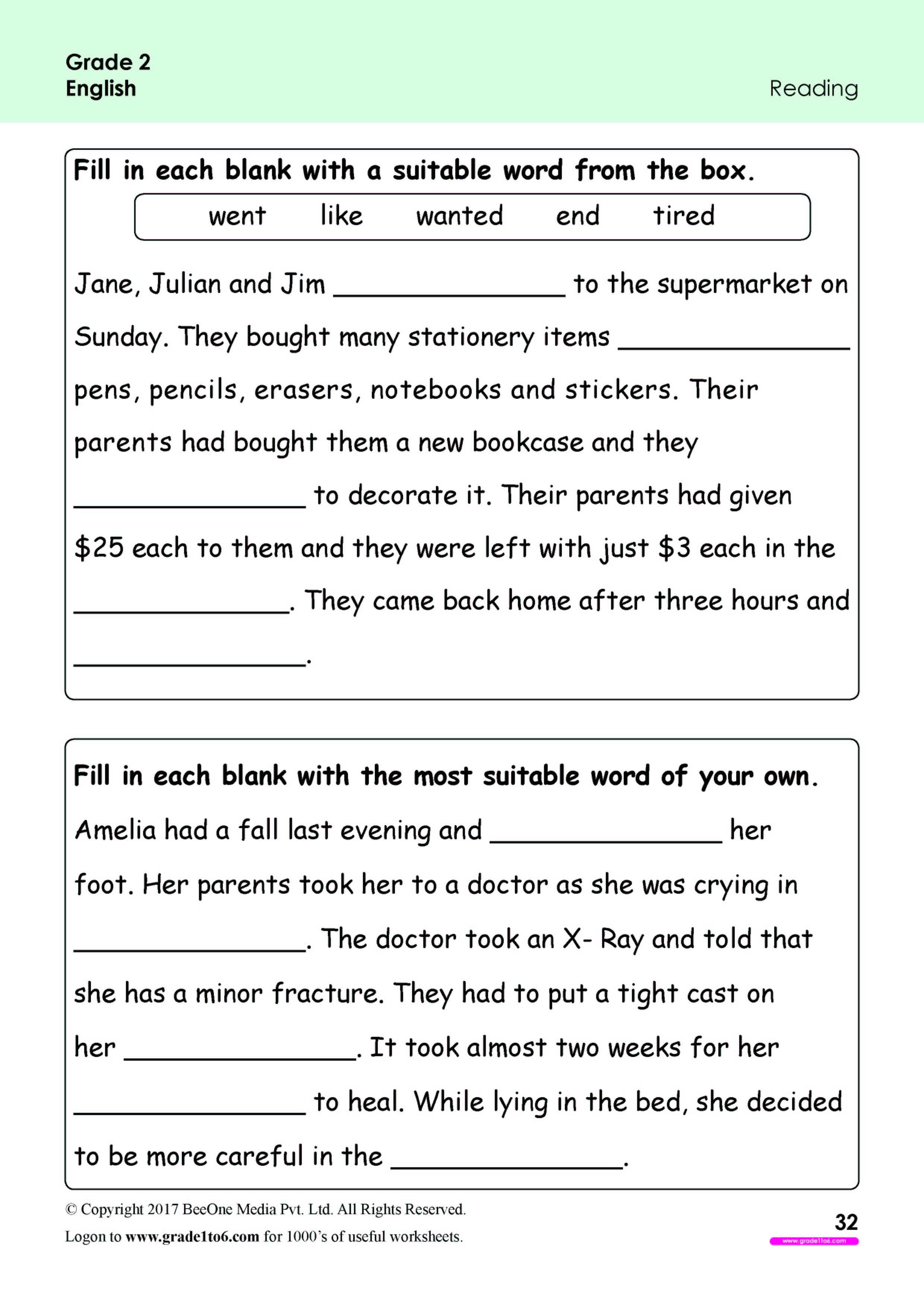
As a parent, I'm always on the lookout for fun and effective ways to engage my second grader in reading. Reading worksheets for 2nd graders can be a real lifesaver, offering a structured yet flexible approach to practice. With a simple search, you can find a treasure trove of resources, like free second grade worksheets reading, that cater to various skills and interests. For instance, if your child is learning cursive, you might want to check out 29 Cursive Alphabet Practice Worksheets for a fun and focused activity.
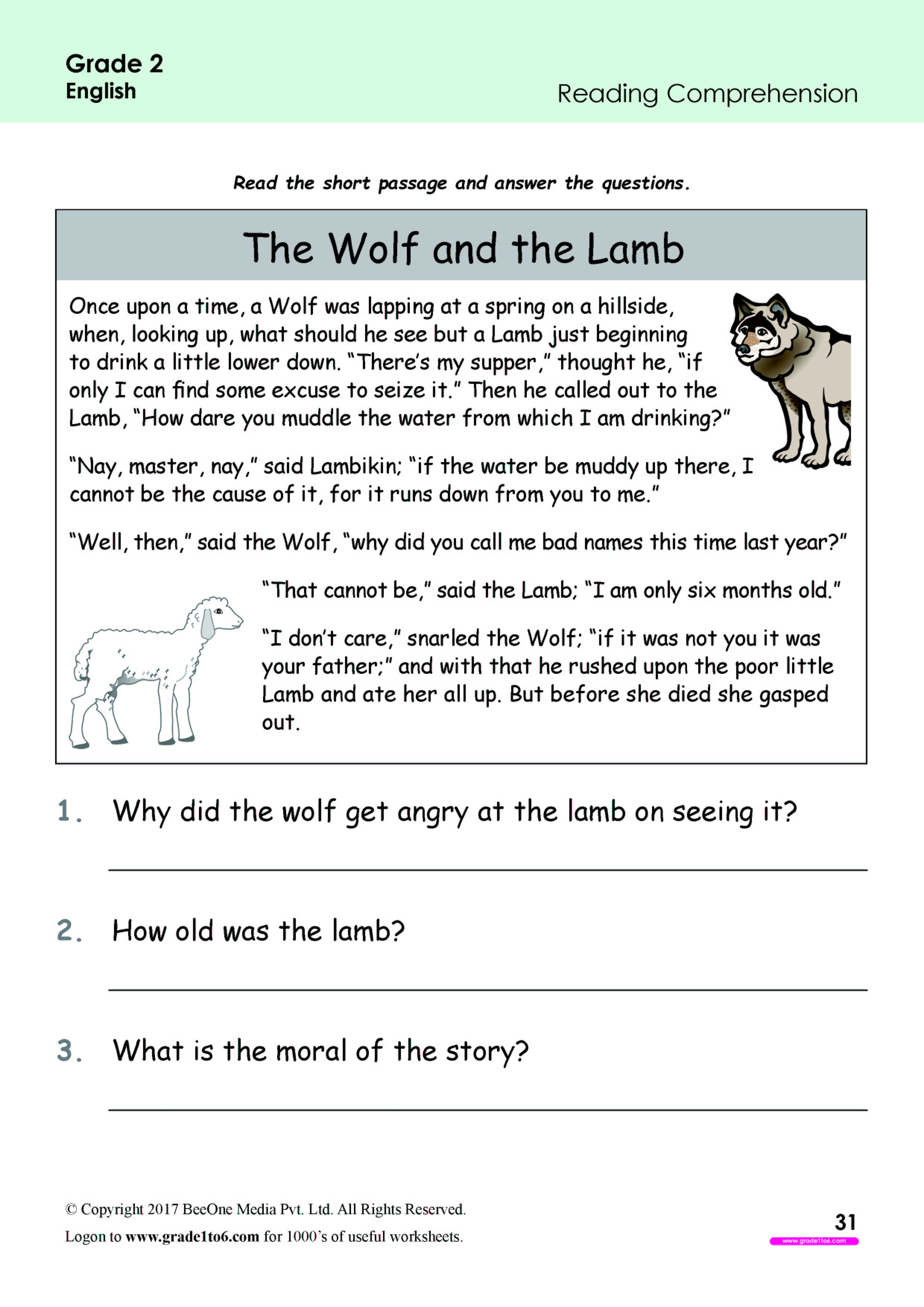
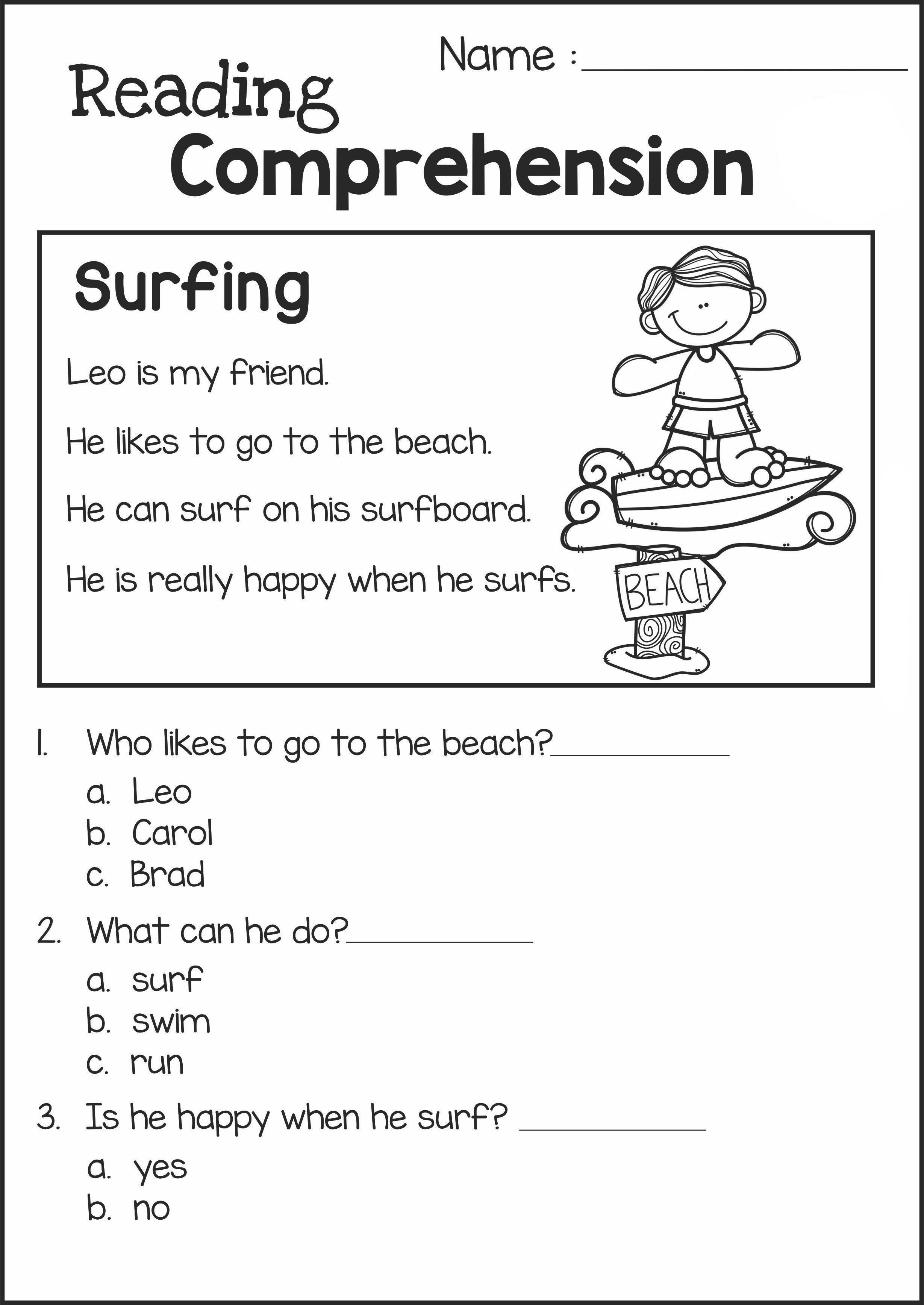
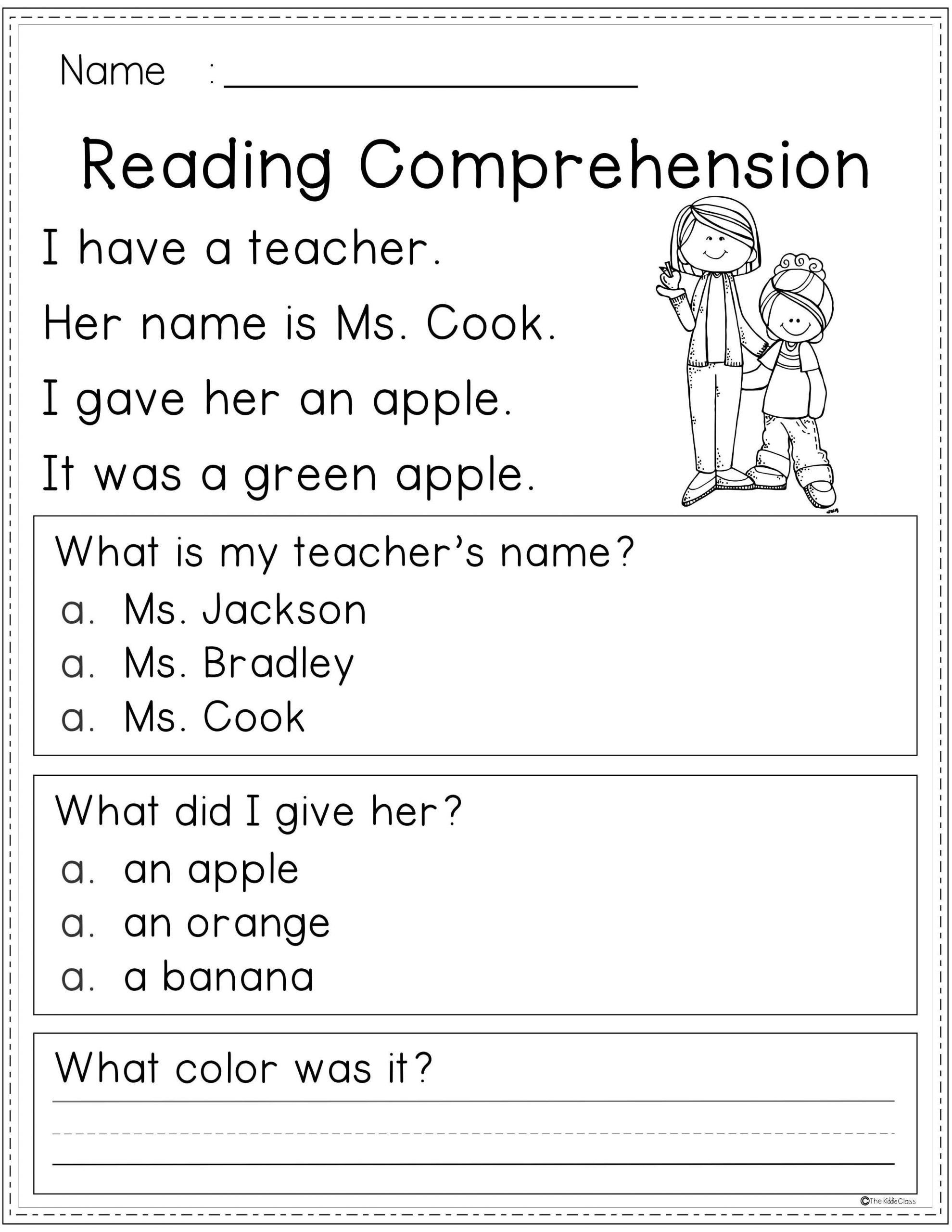
Comprehension practice for second graders.
Building Reading Confidence with Second Grade Worksheets
Reading worksheets are an excellent tool for second graders, offering a fun and interactive way to develop their reading skills. These worksheets provide a structured framework for practice, allowing young learners to explore various reading concepts and improve their comprehension abilities.
K5 learning: fun reading comprehension.
Beyond Basic Reading: Exploring Advanced Skills
While reading worksheets for second graders often focus on fundamental reading skills, such as phonics and sight words, they can also introduce more advanced concepts. Worksheets can help students practice reading fluency, vocabulary building, and even early literary analysis. For instance, a worksheet might present a short story followed by questions that encourage students to think critically about the plot, characters, or themes. This type of activity not only enhances reading comprehension but also fosters a deeper appreciation for literature.
School essays: a 2nd grade reading challenge.
People Also Ask: What Types of Worksheets are Best for Second Graders?
When selecting reading worksheets for second graders, it's essential to consider the specific skills and interests of your child or students. Free second grade worksheets reading can cover a wide range of topics, from simple word recognition to more complex reading comprehension exercises. Some popular types of worksheets include matching words, word searches, fill-in-the-blanks, and reading comprehension passages with corresponding questions. It's beneficial to offer a variety of worksheet types to keep learning engaging and cater to different learning styles.
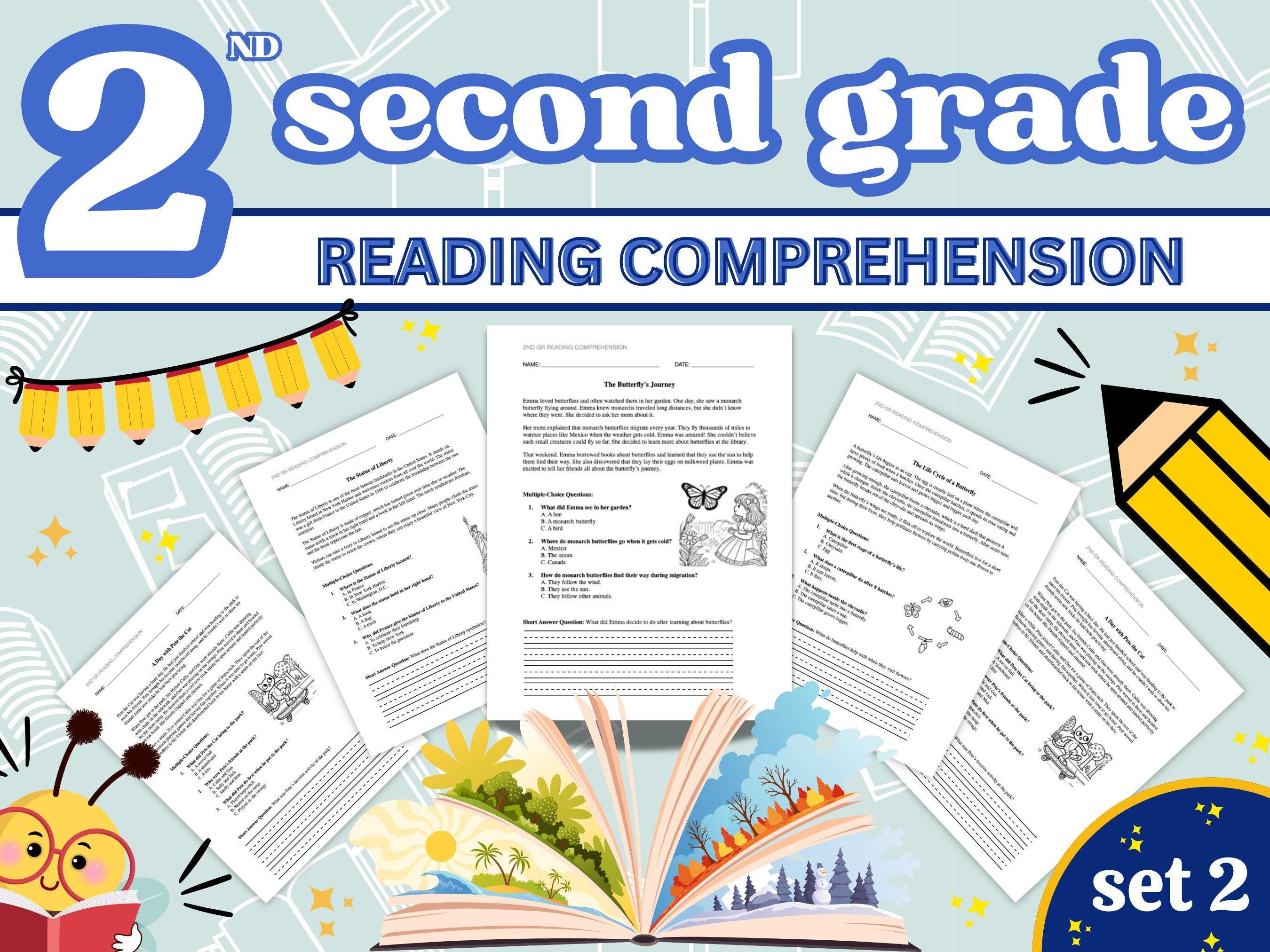
Set 2: reading comprehension exercises.
How to Make the Most of Reading Worksheets at Home or in the Classroom
Incorporating reading worksheets into your child's learning routine can be a straightforward and effective practice. For parents, these worksheets can provide a structured yet flexible approach to supplement your child's reading education. You can print out worksheets from online resources or create your own tailored to your child's needs. In a classroom setting, teachers can use worksheets as a group activity, allowing students to work together and discuss their answers, or as individual practice to reinforce reading skills.
Boost reading skills with printable passages.
When using reading worksheets, it's important to consider the printing process. Ensure that you have a good-quality printer and paper to produce clear, readable worksheets. If you're using digital worksheets, make sure the display is clear and easy to read, especially for younger students. Additionally, consider the timing and frequency of worksheet use. Short, focused practice sessions can be more effective than lengthy, infrequent ones.
Writing prompts for second graders.
Story Sequencing: A Fun Activity for Reading Practice
One engaging activity that reading worksheets can facilitate is story sequencing. This activity helps students understand the flow and structure of a story by ordering events or characters. Worksheets can present a story in a jumbled format, and students must rearrange the parts to create a logical sequence. This not only improves reading comprehension but also enhances critical thinking and problem-solving skills. Story sequencing can be a fun and interactive way to engage second graders in reading practice, especially when combined with colorful illustrations or creative writing prompts.
Reading activity sheets for grade 2.
Reading worksheets for second graders offer a versatile and effective tool for building reading skills. From fundamental reading concepts to more advanced literary analysis, these worksheets provide a structured yet flexible approach to learning. Whether used in the classroom, for homeschooling, or as supplementary practice at home, reading worksheets can be a valuable resource for parents, teachers, and students alike. With a variety of worksheet types and activities, learning can be tailored to individual needs and interests, making reading practice an enjoyable and rewarding experience.
Long vowel reading passages with questions.
12 Golf Ball Stencil Designs to Try can be a fun break from reading practice, offering a creative outlet for students. While it might seem unrelated, activities like stencil design can enhance fine motor skills and provide a refreshing change of pace during learning sessions.
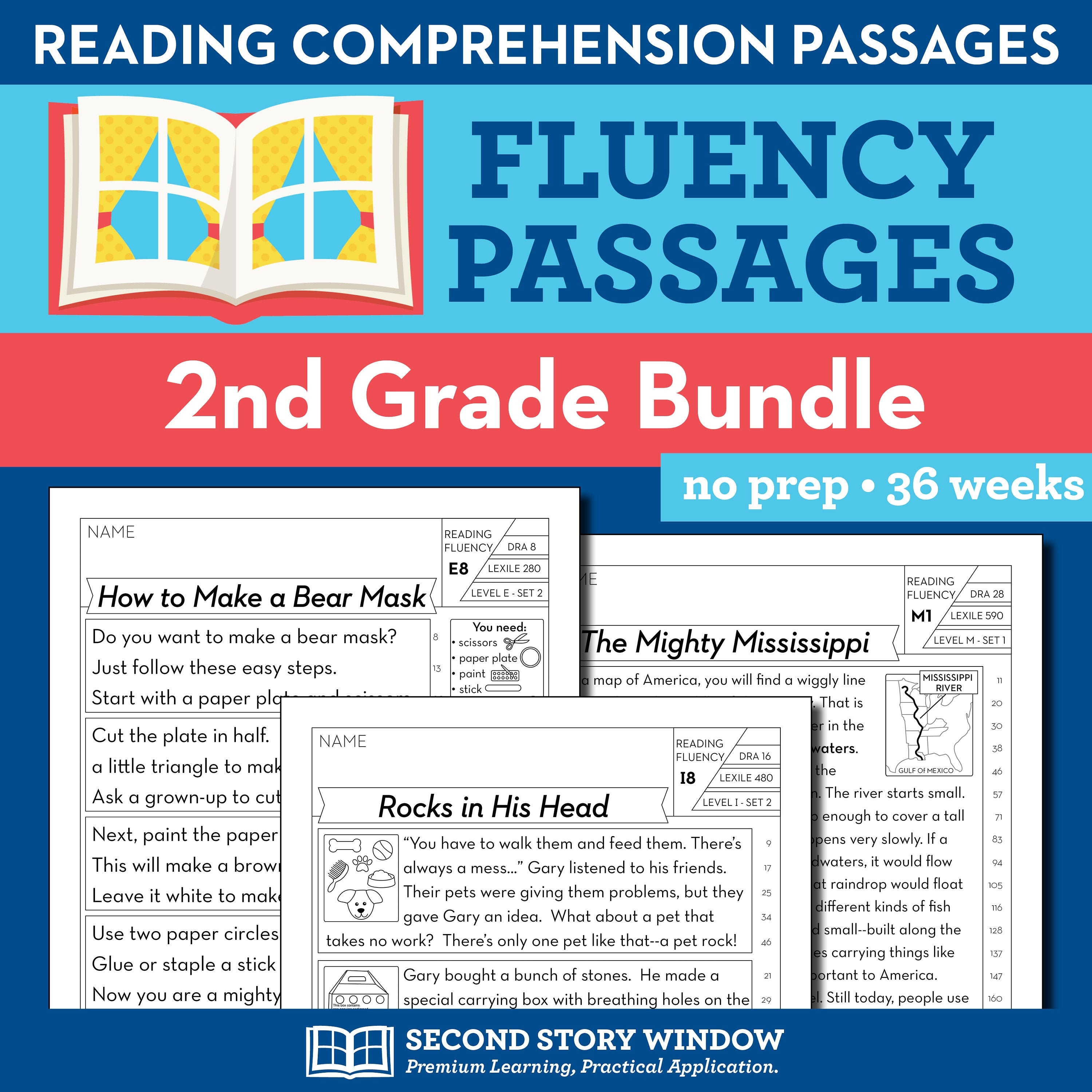
Fun bundle: 2nd grade reading comprehension.
Coloring pages with reading challenges.
Multiple choice: reading comprehension quiz.
Reading practice sheets for second grade.
Second grade is an exciting time for young readers; it's a period of growth and discovery. With these worksheets, students can really dive into the world of reading and explore its depths. So, why not give them a go? Print a few, gather some eager young readers, and watch their confidence soar.
Feel free to leave a comment or share your experiences with reading worksheets below. We'd love to hear how these tools have helped your little ones!
Free reading adventure for young learners.
Read also: 20 Literal Equations Worksheet Ideas