



Geometry Worksheets Grade 5 Overview
Sometimes, finding the right resources to support our kids' learning journey can be a challenge. Whether it's a quick review or a fun practice session, having perimeter area worksheets handy can make a world of difference. These printable tools are a great way to reinforce concepts, especially for visual learners. Check out this collection of perimeter worksheets for different grade levels, including some fun ones for preschoolers, like 24 Preschool Shapes Worksheets to Try.
Practice finding area and perimeter of rectangles.
Perimeter: A Key Geometric Concept
Understanding perimeter is an essential skill for learners of all ages, especially as they progress through their mathematical journey. Perimeter is a fundamental concept that helps us grasp the basic properties of shapes and objects, and it's a building block for more advanced geometric and spatial reasoning.
Area and perimeter challenge for grade 5.
Mastering Measurements with Perimeter Worksheets
Perimeter worksheets are an excellent way to introduce and reinforce the concept of perimeter, particularly for younger learners who are just starting to explore geometry. These worksheets often present simple shapes, such as squares, rectangles, and triangles, and guide students through the process of measuring and calculating the total length of their sides.
Grade 4: Perimeter and area with hexagons.
For instance, a basic perimeter worksheet might present a square with a side length of 5 units and ask the learner to calculate the perimeter. This not only reinforces the concept of perimeter but also helps students practice their addition skills, as they must add the side lengths together to find the total.
Perimeter and area worksheets for all grades.
People Also Ask: What's the Difference Between Perimeter and Area?
It's a common question, and an important one to address when introducing perimeter to learners. Perimeter and area are two distinct geometric concepts, each with its own unique application. While perimeter refers to the distance around the outer boundary of a shape, area measures the space enclosed within that shape.
Free printable area and perimeter practice.
For example, if you were to draw a rectangle on a piece of paper, the perimeter would be the total length of the four sides, while the area would be the amount of paper covered by the rectangle. Understanding the difference between these two concepts is crucial for learners to develop a strong foundation in geometry.
Top 10 area and perimeter exercises.
How to Use Perimeter Worksheets Effectively
Perimeter worksheets can be a versatile tool for teachers, parents, and tutors alike. Here are some practical tips for incorporating these worksheets into your teaching or learning routine:
Math skills: Area and perimeter problems.
- Print and Practice: Perimeter worksheets are often designed to be printed and completed by hand, allowing learners to physically interact with the concept. Printing the worksheets on sturdy paper and providing learners with a dedicated notebook or folder for their geometric explorations can help create a sense of structure and ownership over their learning.
Free area and perimeter worksheets with answers.
- Graded Difficulty: Look for perimeter worksheets that offer a range of difficulty levels. Some worksheets might start with basic shapes like squares and rectangles, while others might introduce more complex shapes like trapezoids or irregular polygons. This allows you to tailor the practice to the learner's skill level and gradually increase the challenge as they progress.
Surface area: Square pyramid worksheets.
- Visual Aids: Incorporate visual aids into your perimeter practice. For example, you could use real-world objects like blocks or even household items to demonstrate the concept of perimeter. This hands-on approach can help learners make a stronger connection between the abstract concept and its real-world applications.
Missing side: Perimeter worksheet for practice.
Practical Applications: Perimeter in Real Life
Understanding perimeter has numerous practical applications in our daily lives. For instance, when planning a garden or landscaping a yard, you need to calculate the perimeter to determine how much fencing or edging is required. Similarly, when laying out a room or designing a floor plan, understanding the perimeter of the space is crucial for efficient furniture placement and decor planning.
Free 2nd grade: Area and perimeter intro.
Perimeter worksheets can help learners make these real-world connections by presenting scenarios and problems that mimic these practical applications. For example, a worksheet might ask learners to calculate the perimeter of a room to determine how much wallpaper is needed for a feature wall, or how much fencing is required to enclose a rectangular garden.
Area and perimeter worksheets with answers.
By incorporating these practical scenarios into their learning, students can see the relevance and applicability of perimeter in their everyday lives, making the concept more engaging and memorable.
Remember, when it comes to learning, variety is key. Mixing up your teaching and learning strategies with resources like perimeter worksheets can keep students engaged and motivated, helping them develop a strong foundation in geometry and spatial reasoning.
Perimeter is a fun concept to explore, and these worksheets are a great way to get hands-on with math. They provide an opportunity to apply your knowledge and really understand the practical side of geometry. So, why not give them a go? Print a few out, gather your tools, and see how your skills measure up! It's a fun way to spend some time and a great way to reinforce your learning. Don't forget to leave a comment and let us know how you get on; we'd love to hear your experiences and any tips you discover along the way!
Grade 6: Area and perimeter practice problems.
Read also: 30 Inverse Functions Worksheets for Practice
Related: 21 Cutting Worksheets for Kids
As a parent, I've found cutting worksheets to be a lifesaver when it comes to teaching my kids fine motor skills. These simple tools, like line cutting worksheets, are an easy way to practice and improve those essential skills, and they're so accessible too! With just a quick print, you've got an activity that keeps the kids engaged and learning, which is a win-win. I even know some teachers who use these, and they've shared some great 31 Name Practice Worksheets for Kids with me!
Practice cutting with fun shapes.
Cutting Worksheets: A Fine Motor Skill Essential
Cutting worksheets are an incredibly versatile and beneficial tool for developing fine motor skills, especially when it comes to mastering the art of using scissors. These worksheets offer a range of activities that cater to different skill levels, making them suitable for a wide age range and learning environments. Whether you're a parent, teacher, or tutor, cutting worksheets can be a valuable addition to your toolkit for fostering precision and control in young learners.
Free printable cutting activities.
Beyond Basic Scissor Skills: Shapes and Precision
While the primary focus of cutting worksheets is indeed scissor skills, they offer more than just basic practice. These worksheets often incorporate various shapes, from simple circles and squares to more complex polygons and curved designs. By cutting out different shapes, learners not only refine their scissor control but also develop an understanding of spatial awareness and geometric concepts. This aspect of cutting worksheets makes them ideal for introducing or reinforcing shape recognition and identification, a fundamental skill in early childhood education.
Fine motor skills: lines and shapes.
People Also Ask: How Can I Make Cutting Worksheets Engaging?
One common concern when using cutting worksheets is keeping the activity engaging and fun for learners. After all, repetition can quickly lead to boredom if not carefully managed. To address this, many cutting worksheets incorporate themes, stories, or creative elements to capture and hold students' interest. For instance, a cutting worksheet might feature a series of shapes that, when cut out and arranged, form a picture of a house, a tree, or even a favorite cartoon character. This adds an element of surprise and creativity, transforming a simple cutting activity into a fun craft project.
Kindergarten cutting practice: develop skills.
How to Choose and Use Cutting Worksheets Effectively
When selecting cutting worksheets, it's essential to consider the learner's skill level and interests. For beginners, start with simple, straight lines and basic shapes. As their skills progress, introduce more complex shapes and patterns to challenge and refine their cutting abilities. Additionally, look for worksheets that offer a variety of cutting lines, including straight, curved, and zigzag paths, to provide a well-rounded practice experience.
Scissor skills: haircut challenge.
In terms of practical use, cutting worksheets can be easily incorporated into various learning settings. In a classroom, they can be used as a warm-up activity, a break between lessons, or as part of a larger art or craft project. For homeschooling or tutoring sessions, cutting worksheets can be integrated into a structured lesson plan or used as a fun, hands-on activity to reinforce fine motor skills.
Cut and paste: engaging tools.
Creative Snipping: A Fun and Educational Craft Activity
Cutting worksheets can also be a gateway to more creative and expressive art forms. Once learners have mastered the basic skills of cutting, they can explore more open-ended cutting activities. For example, providing learners with a blank sheet of paper and a set of interesting shapes or patterns to cut out can encourage creativity and self-expression. They might use these cut-out shapes to create their own unique pictures, collages, or even 3D paper sculptures. This not only extends the learning benefits of cutting worksheets but also fosters imagination and artistic exploration.
Preschool cutting worksheets: fun practice.
Furthermore, cutting worksheets can be a valuable resource for teaching and reinforcing other skills beyond fine motor control. For instance, they can be used to practice following instructions, as learners must carefully cut along the designated lines. Additionally, cutting worksheets can be a fun way to introduce or reinforce color and shape recognition, especially when the cut-out shapes are color-coded or labeled.
Cutting activities: perfect for preschoolers.
In conclusion, cutting worksheets are a versatile and engaging tool for developing fine motor skills and promoting creativity. By offering a range of cutting activities, from basic line cutting to more complex shape recognition and creative snipping, these worksheets cater to different skill levels and learning styles. Whether used in a classroom, at home, or as part of a tutoring session, cutting worksheets provide an accessible and enjoyable way to practice and improve essential scissor skills. 20 Cross Stencil Tattoo Designs offer a unique twist on this traditional art form, combining precision cutting with the beauty of intricate cross designs. So, whether you're a parent, teacher, or learner, don't underestimate the power of cutting worksheets - they're a simple yet effective way to enhance fine motor skills and spark creativity!
Kindergarten cutting worksheets: learn and grow.
Preschool cutting: DIY fun.
Cutting practice: all-in-one resource.
Color, cut, and glue: creative worksheets.
So, there you have it! Cutting worksheets are a fantastic resource to have in your toolkit when it comes to enhancing fine motor skills. They're not only educational but also a lot of fun, and the best part is, they're suitable for all ages and skill levels.
Why not give them a go and see the progress your little ones (or even yourself!) can make? It's a simple and effective way to keep those fine motor skills sharp. Don't forget to leave a comment and share your experiences with us; we'd love to hear how these worksheets have helped you and your family.
Cut and paste for kids.
Read also: 21 Cat Pumpkin Stencil Designs
Related: 26 Name Writing Worksheets for Kids
As a parent, I'm always on the lookout for fun and engaging ways to help my kids practice their writing skills. Name writing worksheets have been a real game-changer for us! These simple yet effective tools provide a great starting point for little ones to learn and practice writing their names. With free name handwriting worksheets and tracing name worksheets, kids can easily grasp the basics and build their confidence. It's a great way to make learning fun and interactive, and it's a relief to have these resources readily available!
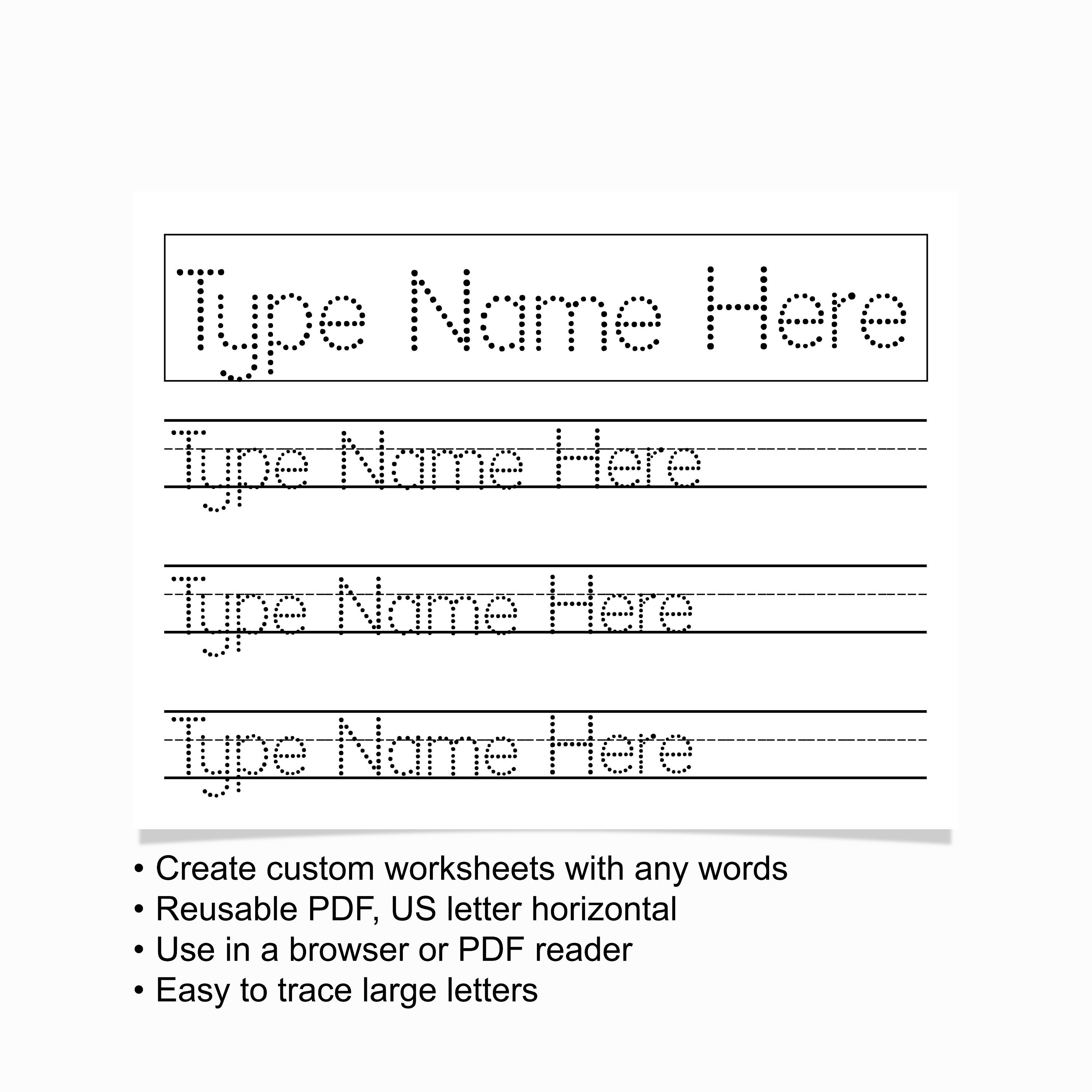
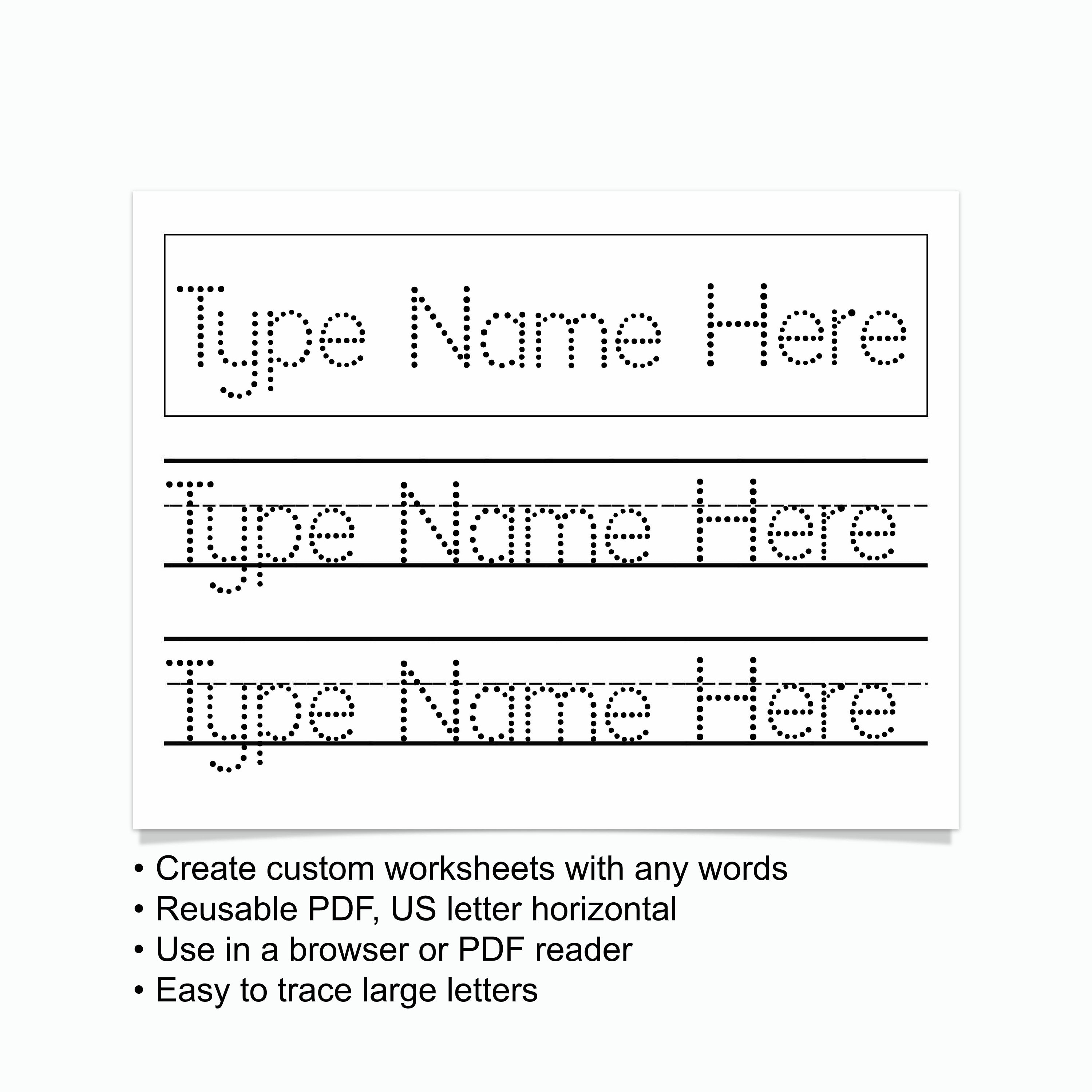
Editable name tracing template for practice.
Name Writing Worksheets: A Powerful Tool for Early Literacy
Name writing worksheets are an excellent resource for young learners, offering a structured and engaging way to develop an essential skill: writing their own name. These worksheets provide a solid foundation for early literacy, helping children master a skill that will serve them throughout their academic journey and beyond.
Customizable handwriting practice with your name.
Tracing and Beyond: Exploring Different Worksheet Types
When it comes to name writing worksheets, there's more than meets the eye. While tracing name worksheets are a great starting point, especially for beginners, there's a whole range of activities and worksheet types to explore. These worksheets often begin with simple tracing exercises, guiding children to follow dotted lines or trace over their names. This initial step is crucial for developing fine motor skills and hand-eye coordination.
Edit and trace names on this worksheet.
As learners progress, worksheets can introduce more complex tasks. For instance, free name handwriting worksheets may feature blank lines where children practice writing their names independently, without the initial guidance of tracing. This progression challenges learners to apply their newly acquired skills and builds confidence in their writing abilities.
I can write my name! Handwriting practice.
People Also Ask: What Ages Benefit from Name Writing Worksheets?
A common question among parents and educators is whether name writing worksheets are suitable for a specific age group. The beauty of these worksheets is their versatility; they can be tailored to various age ranges and skill levels. While they are particularly beneficial for preschoolers and kindergarteners who are just beginning to write, they can also be adapted for older children who need extra practice or for those with special educational needs.
Free printable name handwriting worksheets.
For younger learners, name writing worksheets often incorporate fun and colorful designs, making the learning process enjoyable. As children grow and their writing skills develop, the worksheets can become more intricate, offering a gradual progression that keeps learning engaging and effective.
Name writing practice: trace and learn.
How to Make the Most of Name Writing Worksheets: Practical Tips
To ensure name writing worksheets are an effective learning tool, it's essential to consider a few practical tips. First, choose worksheets that align with the learner's age and skill level. This ensures the activities are neither too easy nor too challenging, maintaining a healthy balance between comfort and growth.
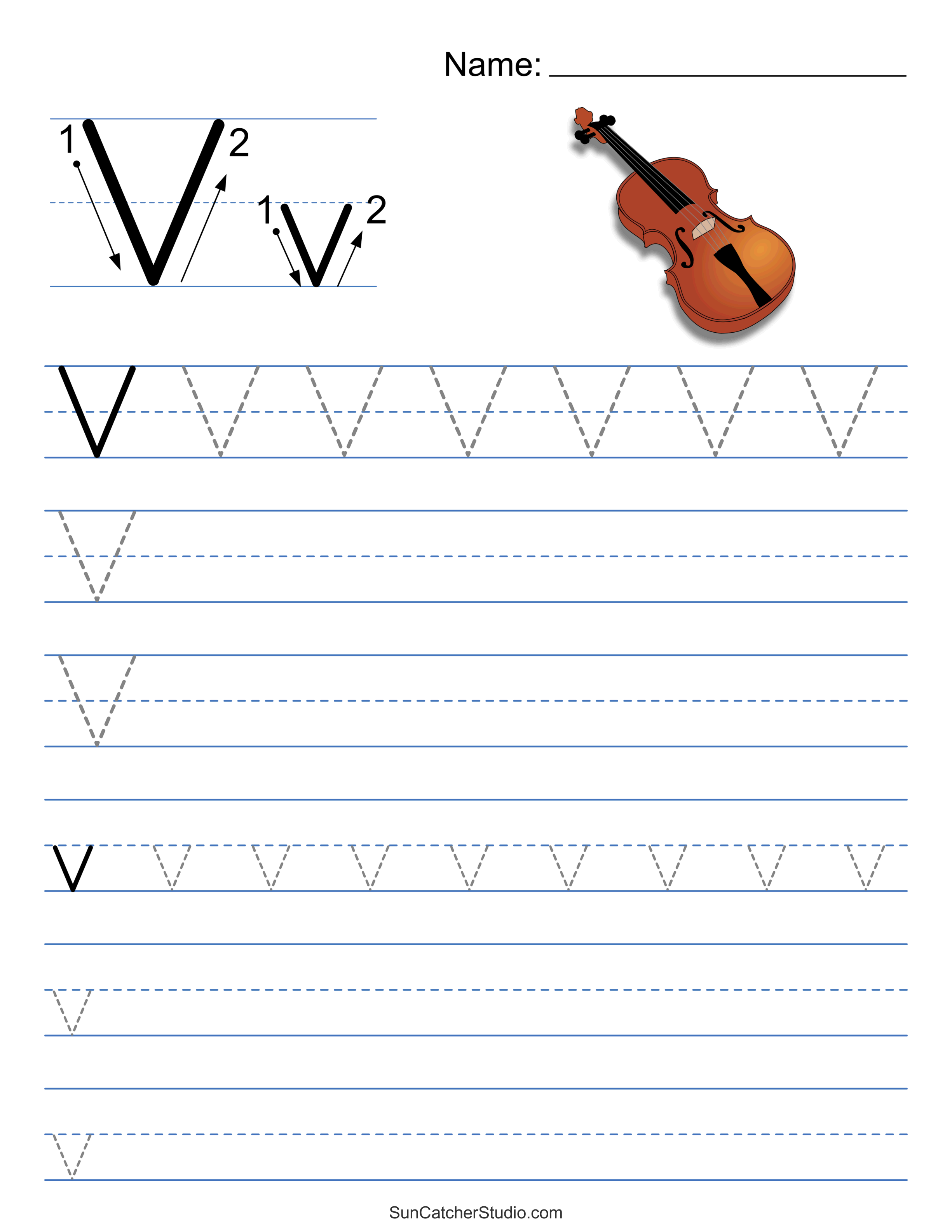
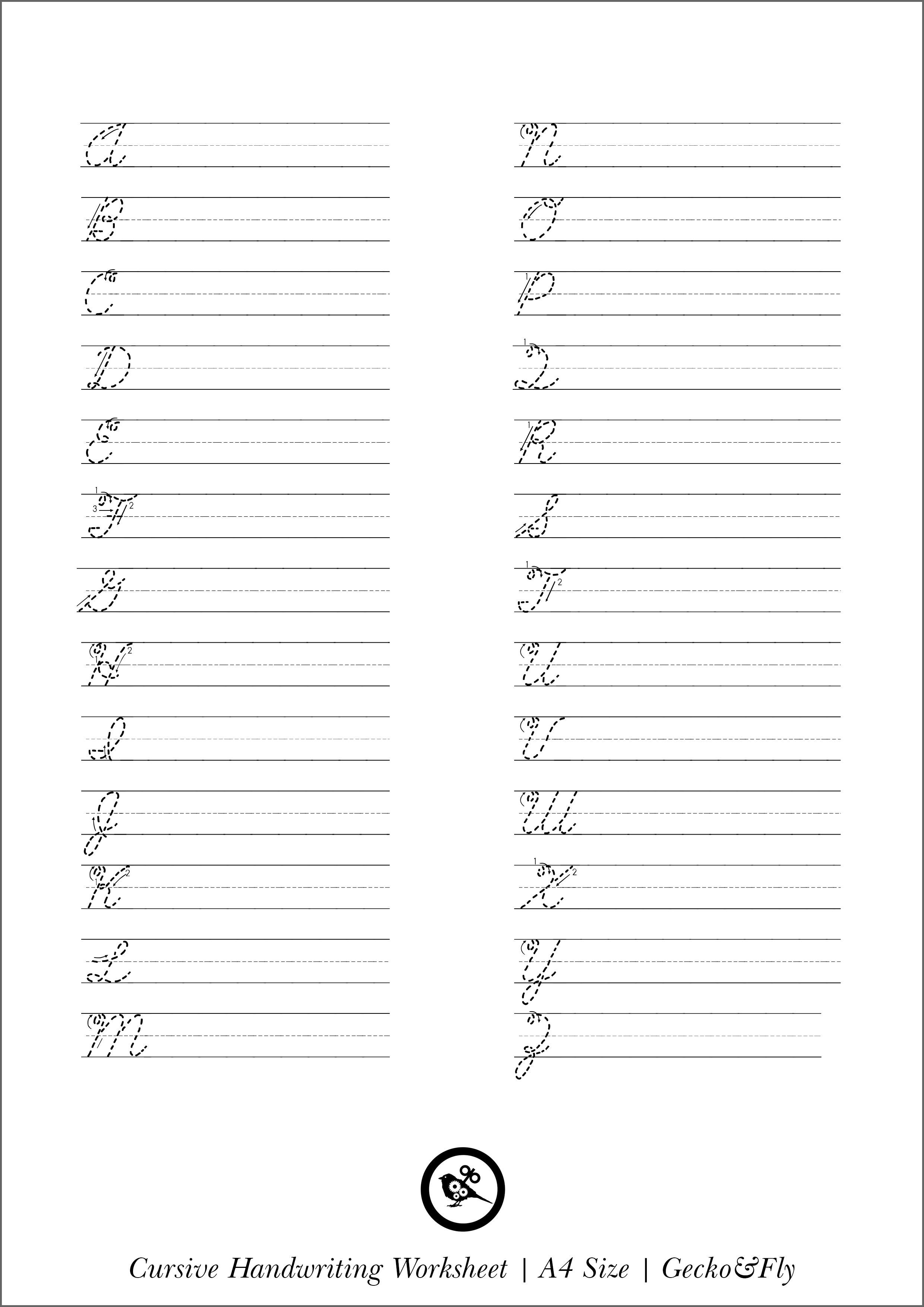
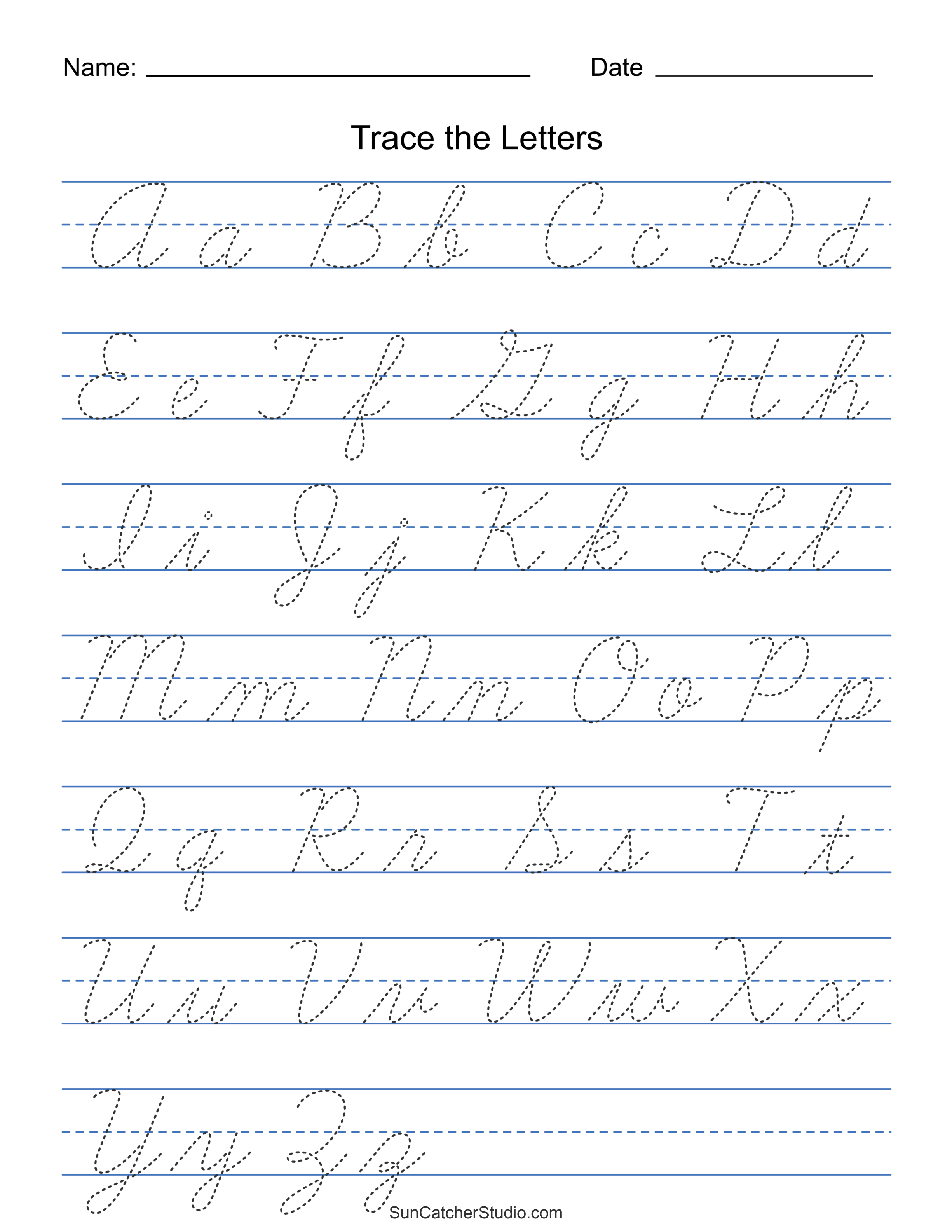
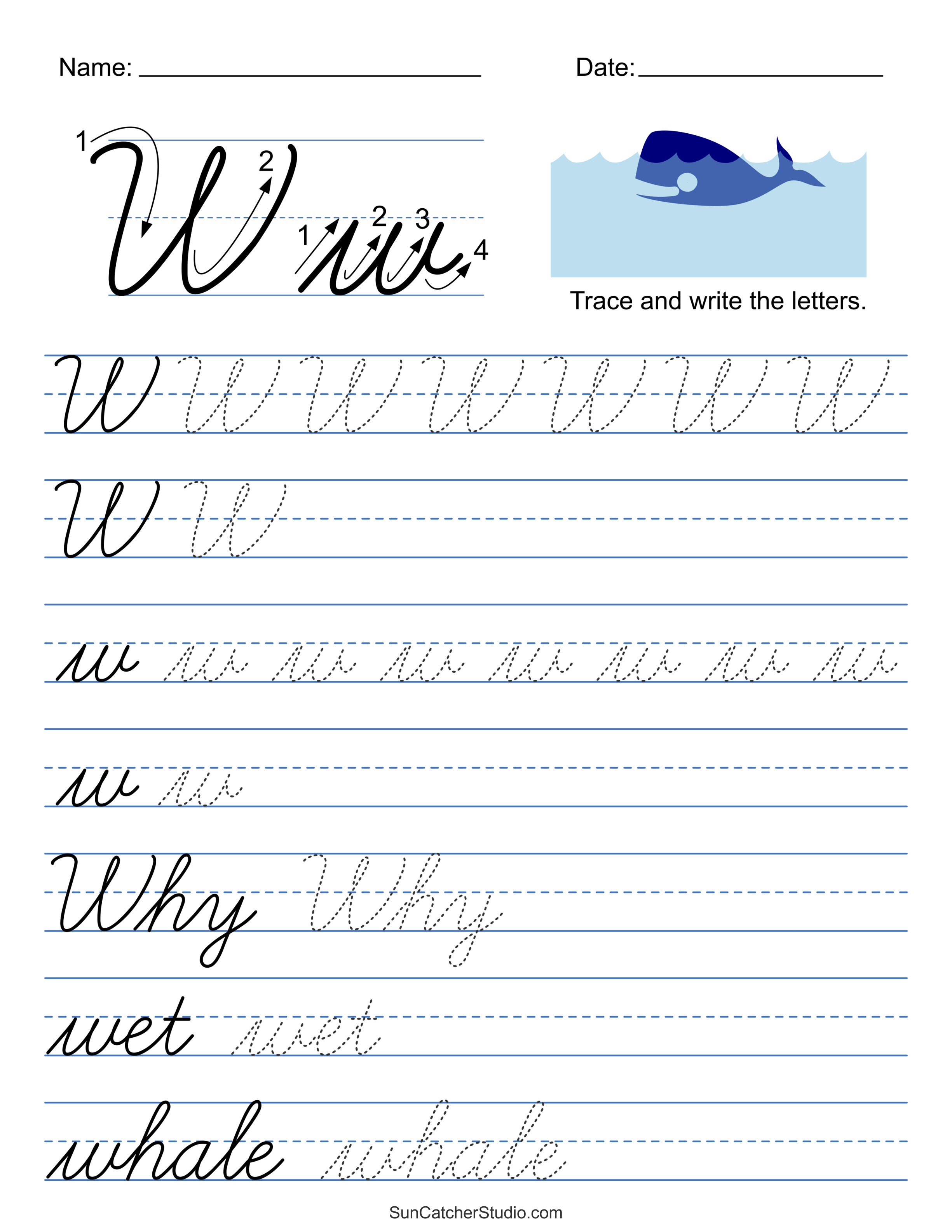
Cursive writing practice: free printable sheet.
When printing worksheets, consider the learner's needs. For instance, if a child has visual impairments, opt for larger font sizes and bold outlines to enhance visibility. Additionally, ensure the printing quality is high to provide a clear guide for tracing or writing.
Printable cursive handwriting worksheets for all.
In a classroom setting, name writing worksheets can be a great group activity, fostering a sense of community and friendly competition. Teachers can encourage learners to help and support each other, creating a positive and collaborative learning environment.
Preschoolers practice handwriting with their names.
Creative Writing Prompts: Extending the Learning Experience
Name writing worksheets don't have to be limited to just writing names. They can be a gateway to more creative and imaginative activities. Once learners have mastered the basic skill of writing their names, educators and parents can introduce creative writing prompts.
My name handwriting practice sheet.
For example, after writing their names, children could be asked to create a story or poem featuring their name. This not only reinforces name writing but also encourages creativity and a love for language. It's a fun way to extend the learning experience and explore the joy of self-expression through writing.
Free name handwriting worksheets: try now!
Moreover, name writing worksheets can be used to create personalized gift ideas. Learners can design unique name art projects, incorporating their names into creative designs. This not only enhances their writing skills but also fosters a sense of pride and ownership over their creations.
Cursive name writing practice: perfect your style.
In conclusion, name writing worksheets are a versatile and powerful tool for early literacy. They offer a structured yet engaging approach to learning, providing a solid foundation for writing skills. With a range of worksheet types, activities, and creative extensions, these resources can cater to various learner needs and preferences, making the learning process enjoyable and effective.
Name writing is an exciting milestone for both kids and parents, and these worksheets are a fantastic way to make it an enjoyable experience. With a bit of practice and these fun resources, your child will be signing their name with confidence in no time!
So, why not give it a go? Print out a few worksheets, gather your pencils and erasers, and make name writing practice a fun activity. It's a simple yet powerful way to support your child's early literacy skills. Leave a comment or share your experience below; we'd love to hear how it goes!
Personalized name tracing sheets for kids.
Read also: 20 Stencil Word Cyber Sigilism Tattoo Ideas