As a parent, I'm always on the lookout for fun and effective ways to help my kids learn. That's why I was thrilled to discover homeostasis graph worksheet answers. These worksheets are a great tool for anyone looking to reinforce their understanding of homeostasis, and they're perfect for visual learners too! If you're after some inspiration for teaching this topic, check out some homeostasis flow chart ideas and real-life examples 14 Stencil Design Ideas for a creative twist.
Domain and range graph practice for all.

Exploring Homeostasis: Unlocking the Secrets of Biological Balance
Homeostasis is a fascinating concept in biology, and understanding it is crucial for anyone interested in the inner workings of living organisms. Homeostasis graph worksheet answers offer an engaging and effective way to delve into this topic, providing learners with a visual representation of how organisms maintain stability. These worksheets are designed to guide students through the process of interpreting data and recognizing the balance point, or equilibrium state, that defines homeostasis.
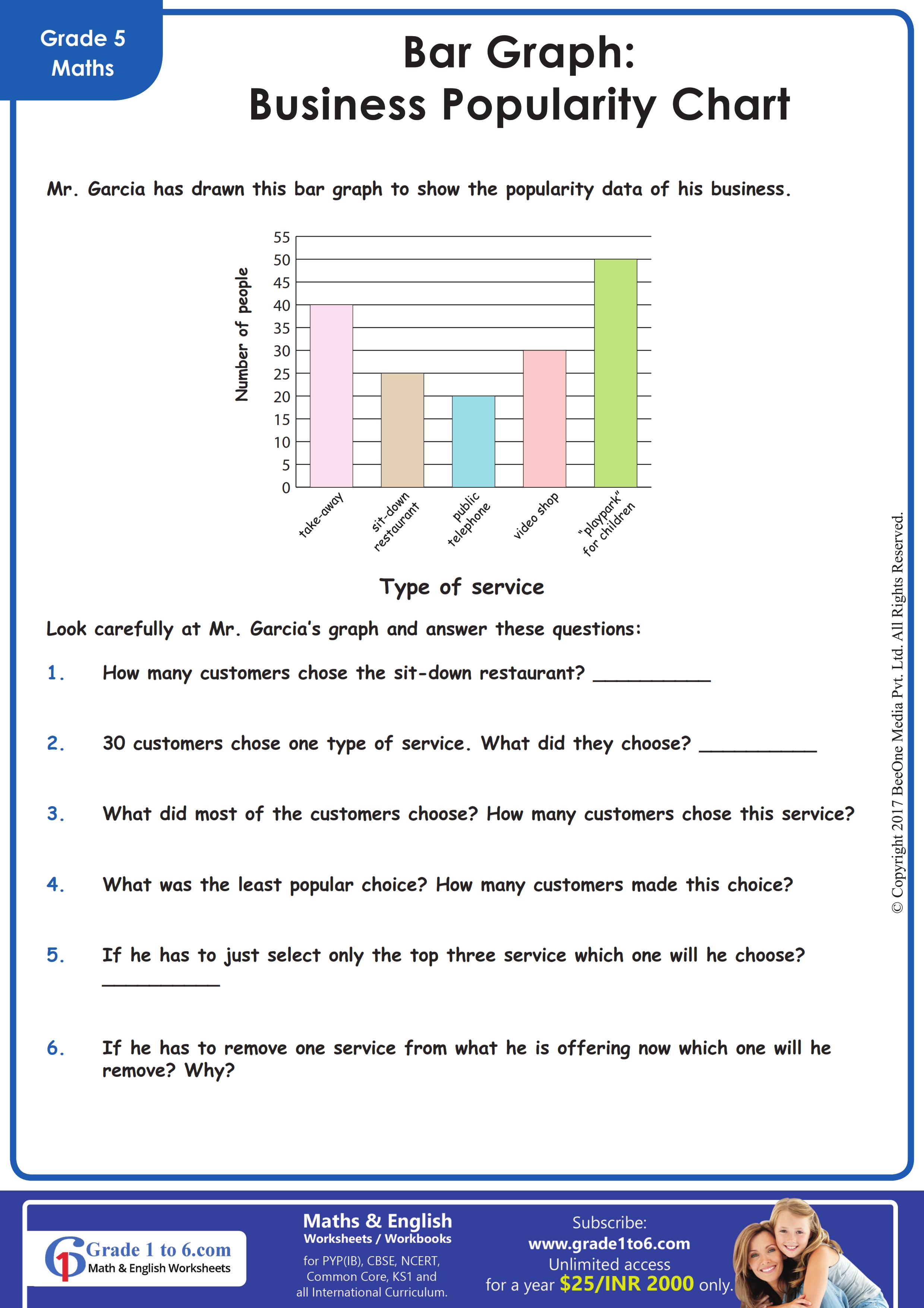
Graph worksheets for Year 5 students.
Visualizing Homeostasis: Graphs and Beyond
While homeostasis graph worksheet answers primarily focus on interpreting graphical data, they can also incorporate other visual representations. For instance, learners might be presented with homeostasis pictures that depict various biological processes, and they must identify the stable condition or equilibrium state. This approach allows students to develop their observational skills and apply their knowledge of homeostasis in different contexts.

Homeostasis graph answer key revealed.
People Also Ask: What is the Balance Point?
The balance point, or equilibrium state, is a fundamental concept in homeostasis. It refers to the stable condition an organism aims to maintain, despite external changes or challenges. This state of balance is essential for the organism's survival and optimal functioning. By understanding the balance point, learners can grasp the dynamic nature of homeostasis and how organisms adapt to their environment.
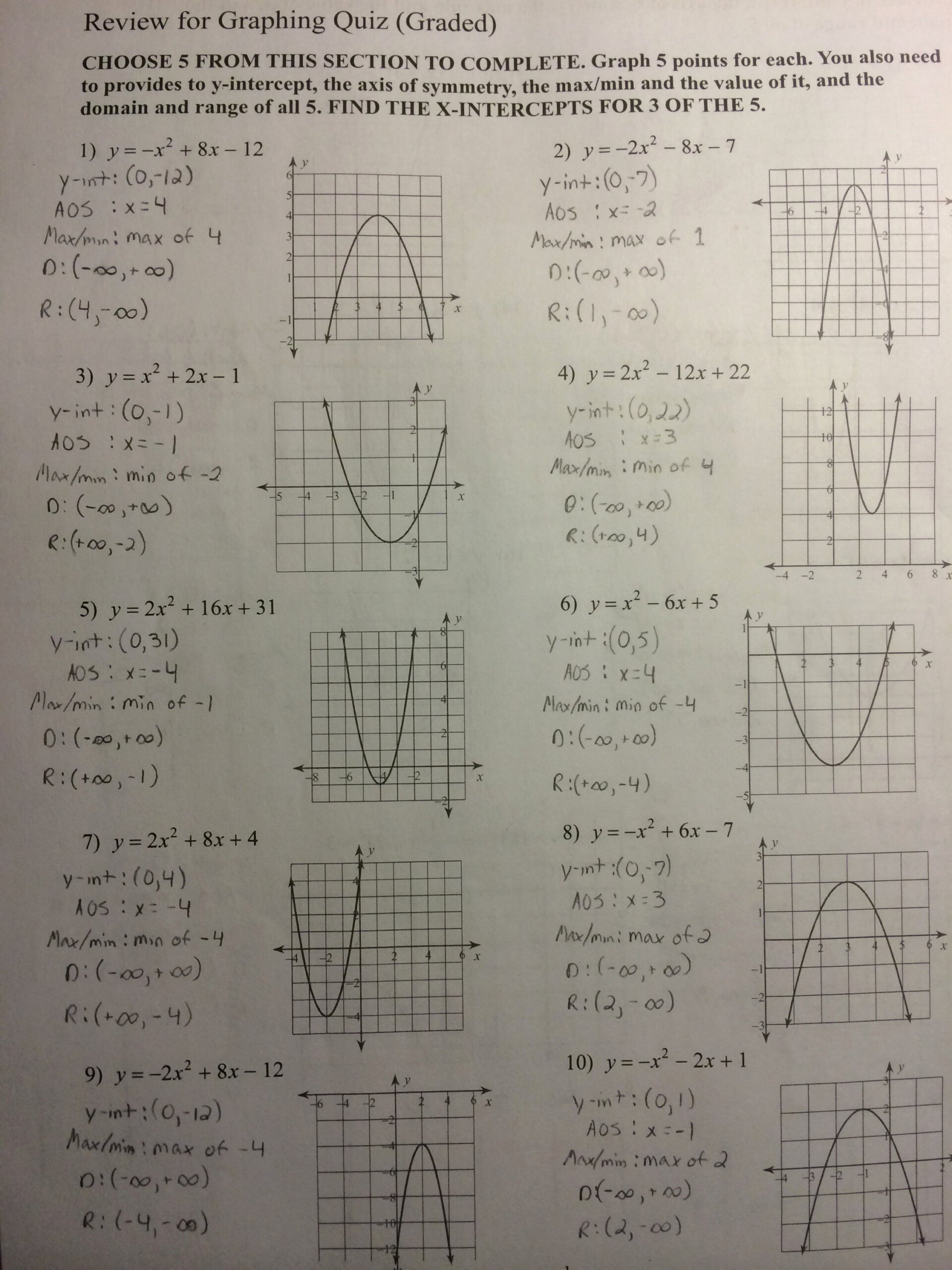
Graphing quadratic functions, a fun challenge.
How to Use Homeostasis Graph Worksheet Answers Effectively
Using homeostasis graph worksheet answers can be a valuable tool for teachers, parents, and learners alike. Here are some practical tips:
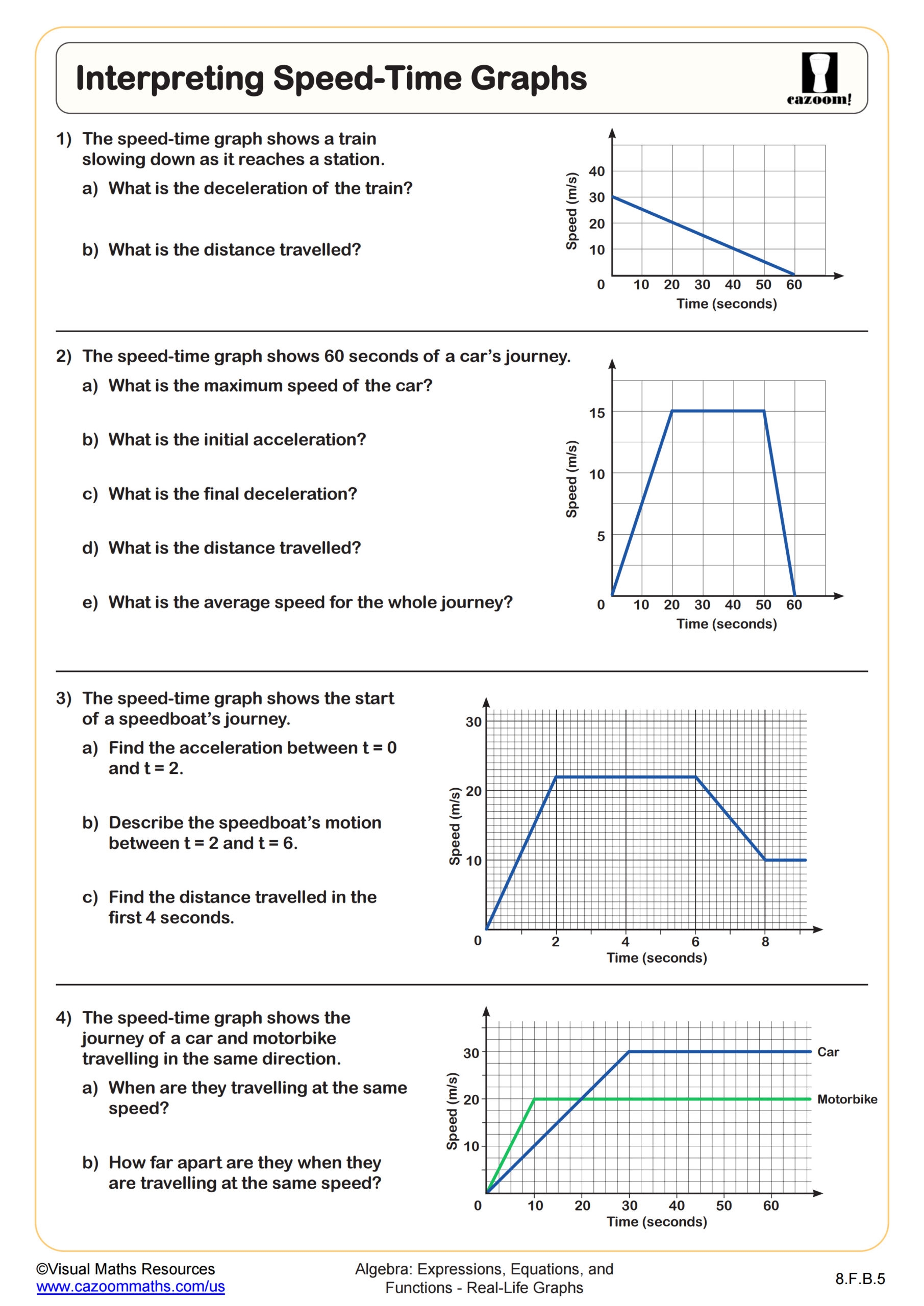
Motion graphs with answers, ready to go.
- Printing and Sharing: These worksheets can be easily printed and distributed to students in a classroom setting. Alternatively, they can be shared digitally for remote learning or as a supplementary resource for homeschooling.

Algebra 1 inequalities, practice worksheets.
- Guided Practice: Teachers or tutors can use these worksheets to guide students through the process of interpreting graphs and understanding homeostasis trends. This step-by-step approach ensures that learners develop a solid foundation in data analysis.

Graphing cubic functions, a step-by-step guide.
- Independent Practice: Once students have a basic understanding of homeostasis and graph interpretation, they can practice independently. Homeostasis graph worksheet answers provide a structured way for learners to reinforce their skills and build confidence in analyzing biological data.

6th grade graph reading practice, get ready!
Applying Homeostasis Knowledge: Real-Life Examples
Understanding homeostasis isn't just an academic exercise; it has real-world applications. By exploring homeostasis real-life examples, learners can see how this concept plays out in various scenarios. For instance, students might investigate how the human body maintains a stable internal temperature, despite changes in external conditions. This practical application of knowledge reinforces the importance of homeostasis and encourages learners to think critically about the world around them.

Circular functions graphing, a new skill.
Furthermore, homeostasis flow chart ideas can be a fun and interactive way to visualize the complex processes involved in maintaining homeostasis. These charts can help students trace the steps an organism takes to achieve and maintain balance, providing a clear and concise representation of this biological phenomenon.

Scatter plots, a fun way to learn.
By combining homeostasis graph worksheet answers with real-life examples and flow charts, learners can develop a comprehensive understanding of homeostasis and its significance. This approach not only enhances their scientific knowledge but also fosters critical thinking and problem-solving skills, which are valuable across various disciplines.
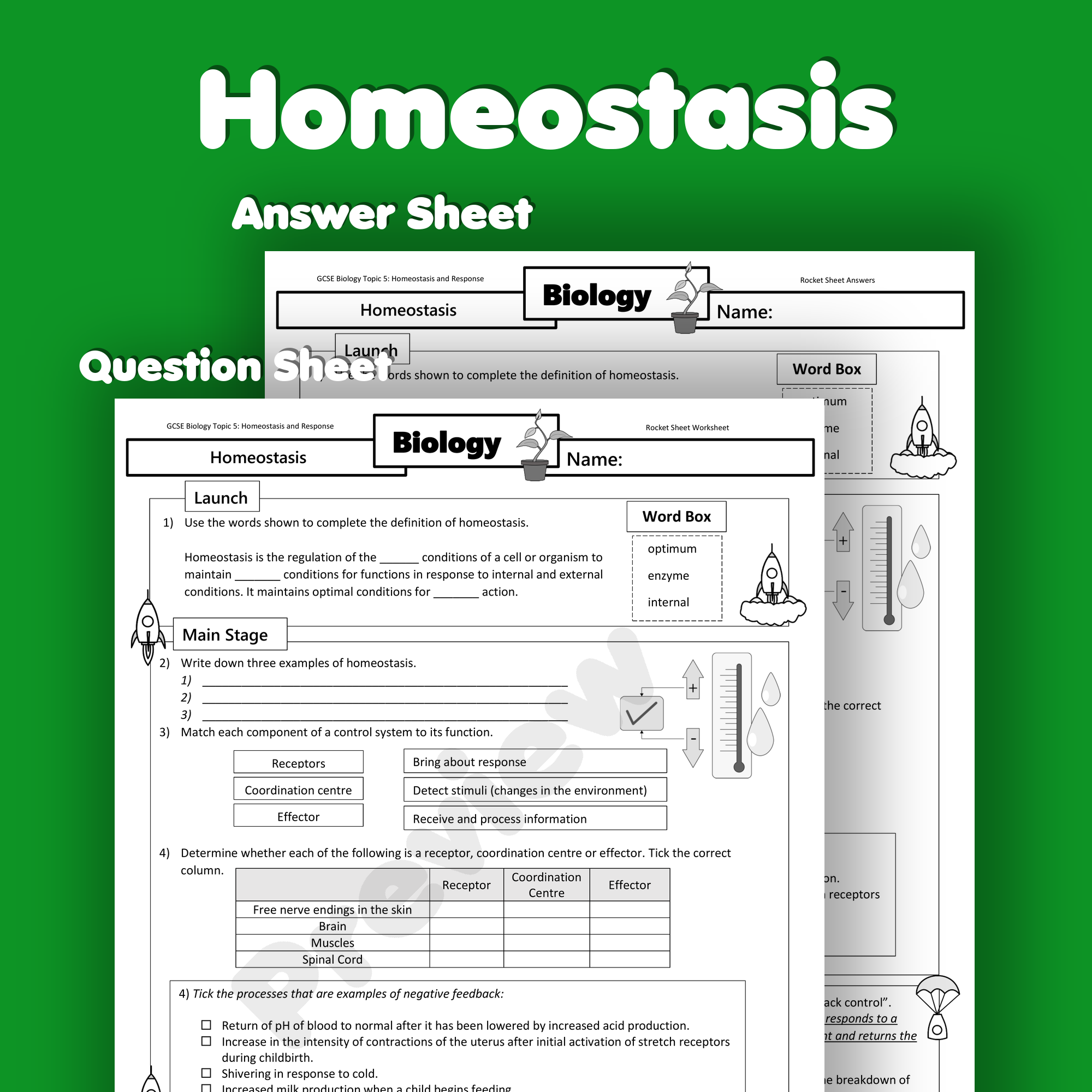
Homeostasis graph answers, it's time!
Remember, 29 Simple Ways to Add Within 20 Worksheets can also be a fun way to reinforce basic mathematical skills, providing a well-rounded educational experience.
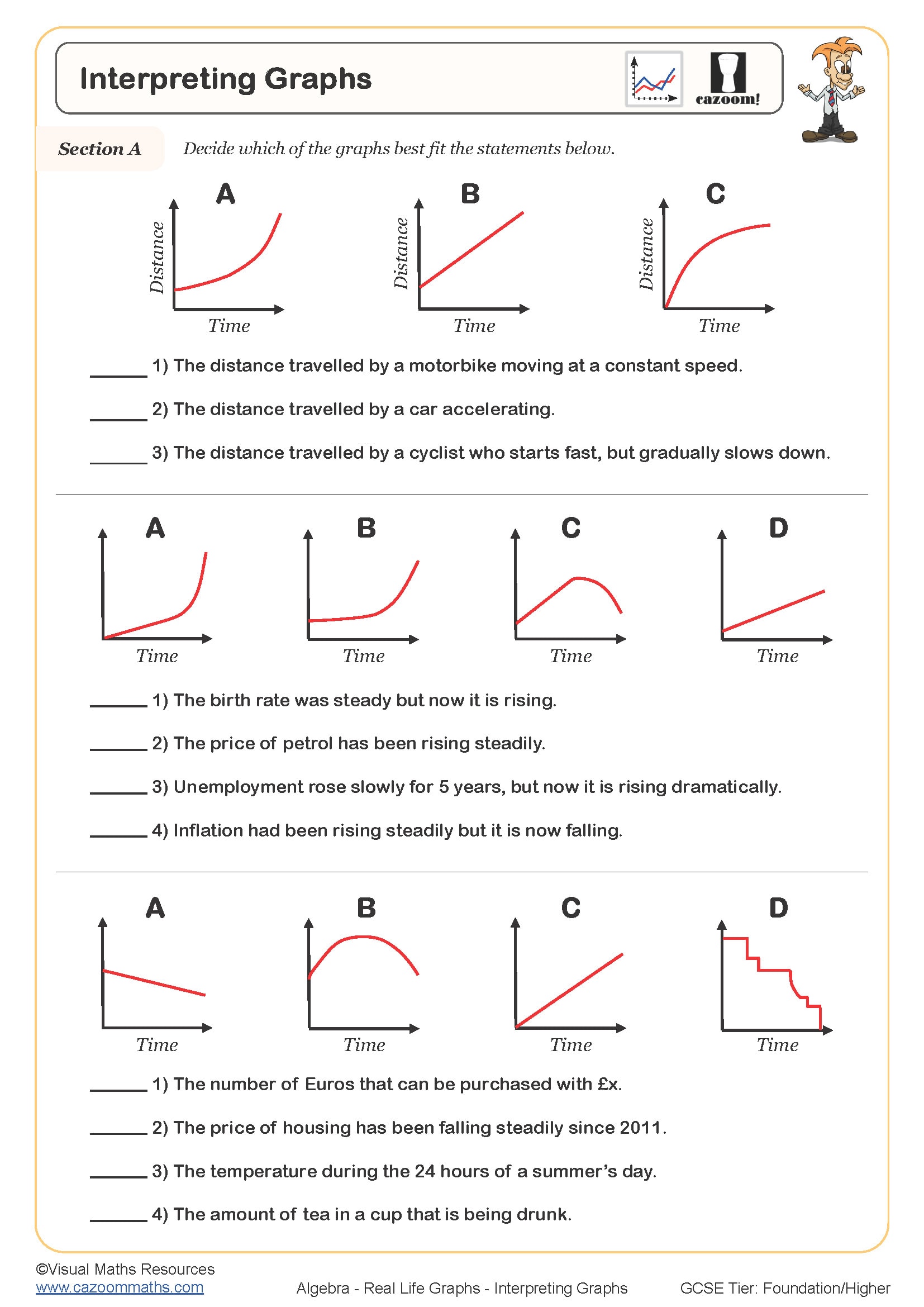
Real-life graphs, a KS3 essential.
Hey there, homeostasis enthusiasts! I hope this worksheet adventure has sparked some curiosity and a deeper understanding of how our bodies (and all living organisms) maintain that delicate balance.
These graph worksheets are a fun way to visualize and grasp the concept, so why not give them a go? Print one out, gather your pens, and dive into the world of homeostasis. It's a great way to reinforce your learning and make it stick.
Leave a comment or share your experience below. Did you find the worksheets helpful? How did your understanding of homeostasis evolve? I'd love to hear your thoughts and experiences!
Time series graphs for Year 9 and 10.

Read also: 20 Butterfly Tattoo Stencil Ideas