I often find myself wishing for a simple tool to help me communicate better, especially in challenging situations. That's why I was excited to discover the I statements worksheet - a handy resource that's not just for kids! It's a great way to practice expressing yourself clearly and assertively, and it can be a game-changer for anyone wanting to improve their communication skills. I mean, who doesn't want to learn to say what they mean without causing drama? Check out this 29 Simple Ways to Add Within 20 Worksheets guide for a fun take on learning.
Communicating with 'I' Statements

Asserting Yourself: The Power of "I" Statements
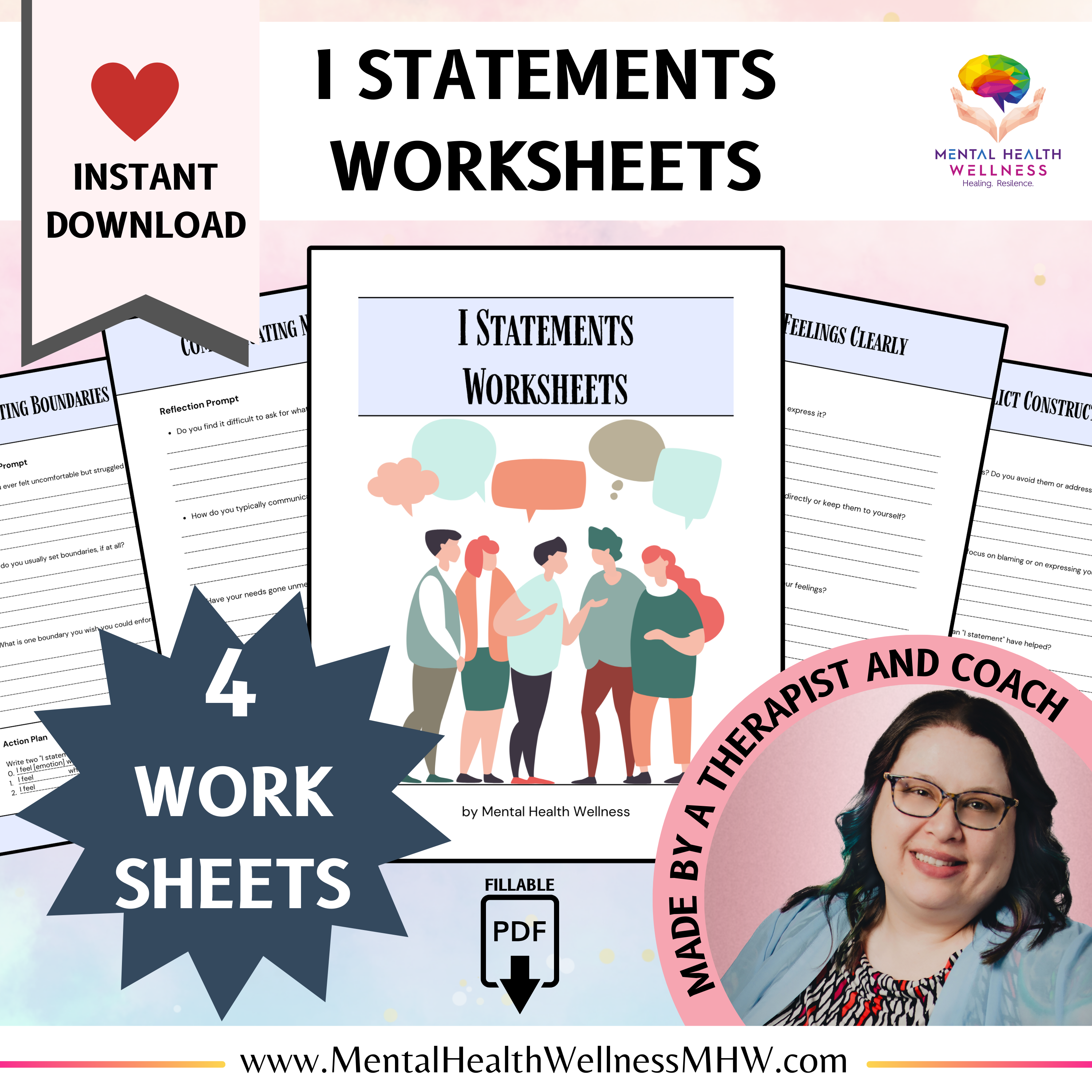
"I" statements are a powerful tool for clear and assertive communication, and the "I Statements Worksheet" is an excellent resource to master this skill. By focusing on personal expression, these statements help individuals convey their thoughts, feelings, and needs without blame or aggression. This simple yet effective technique can transform how we interact, fostering healthier relationships and a more positive self-image.

Fact or Opinion?
Beyond Kids: Empowering Adults with "I" Statements
While often associated with teaching children emotional intelligence, "I" statements are just as beneficial for adults. They provide a structured way to express oneself, ensuring that your message is heard and understood. This worksheet is an excellent tool for personal growth, helping adults navigate challenging conversations and assert their needs confidently.
Printable 'I' Statement Practice
People Also Ask: What Are "I" Statements, and Why Are They Important?
"I" statements are a communication technique that emphasizes personal responsibility and ownership of one's feelings and thoughts. They are important because they promote honesty and clarity in expression, reducing misunderstandings and conflicts. By using "I" statements, individuals can convey their emotions and needs without sounding accusatory or aggressive, which is crucial for maintaining healthy relationships and effective communication.

Writing Hooks: A Creative Exercise
How to Use the "I Statements Worksheet": A Practical Guide
The "I Statements Worksheet" is a versatile tool that can be used in various settings and by different age groups. For younger learners, it can be an introduction to emotional intelligence and self-expression. In a classroom setting, teachers can use it to facilitate group discussions, helping students understand the impact of their words and actions. For adults, it can be a powerful tool for self-reflection and improving communication skills, especially in personal relationships or professional settings.

Couples Therapy: Communication Tools
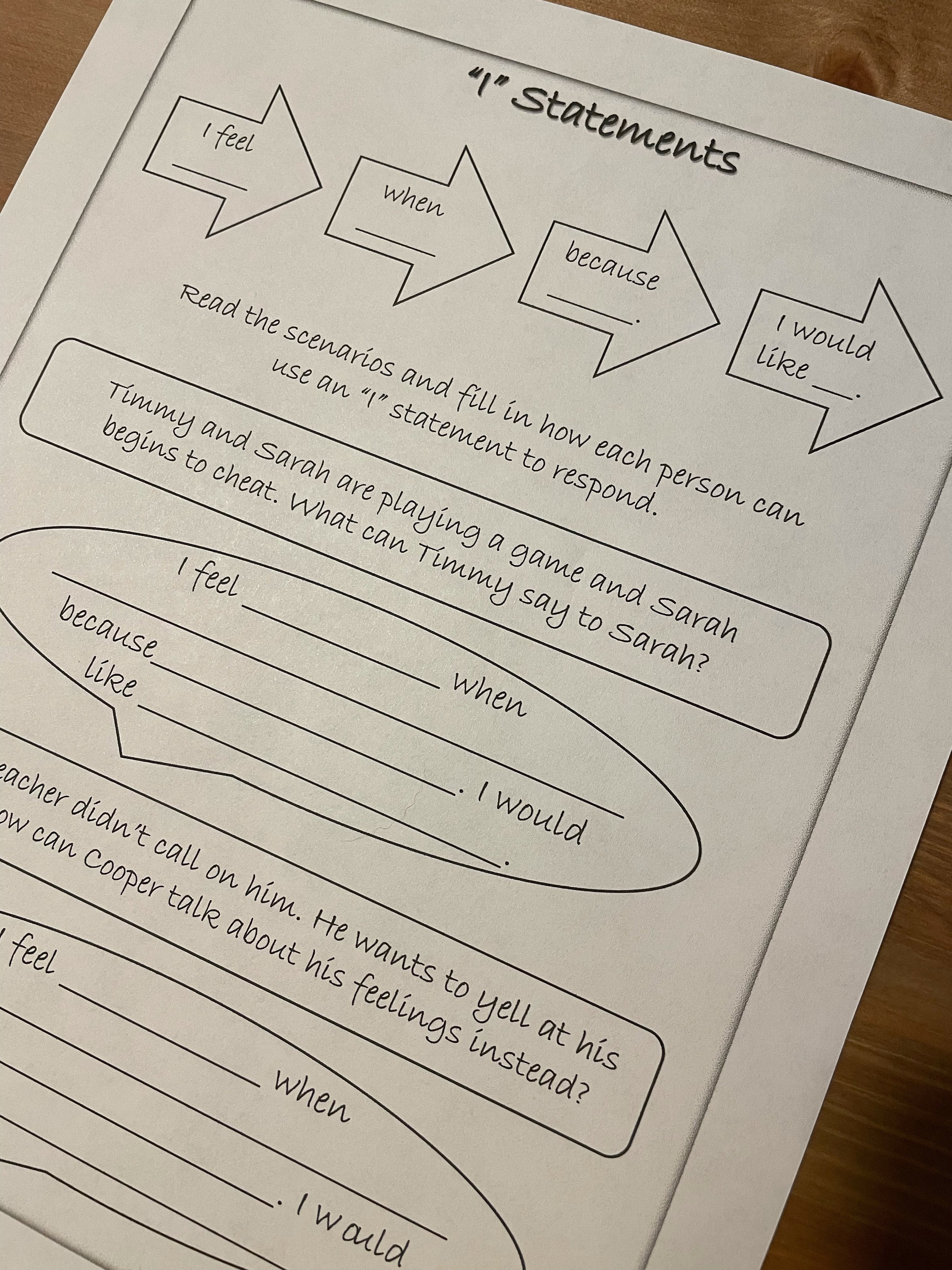
The worksheet typically consists of prompts or sentence starters, guiding individuals to express their feelings and needs. For example, "I feel ____ when ____ because ____." Filling in the blanks encourages users to identify and articulate their emotions, providing a structured approach to self-expression. This worksheet can be printed and used individually or in groups, making it a flexible and accessible resource.

Adult-Focused 'I' Statement Worksheet
From Classroom to Home: Practical Applications of "I" Statements
The beauty of the "I Statements Worksheet" is its adaptability. It can be incorporated into various learning environments, from traditional classrooms to homeschooling and even personal development workshops. Teachers and tutors can use it to teach emotional intelligence and assertiveness, while parents can utilize it to foster open communication with their children.
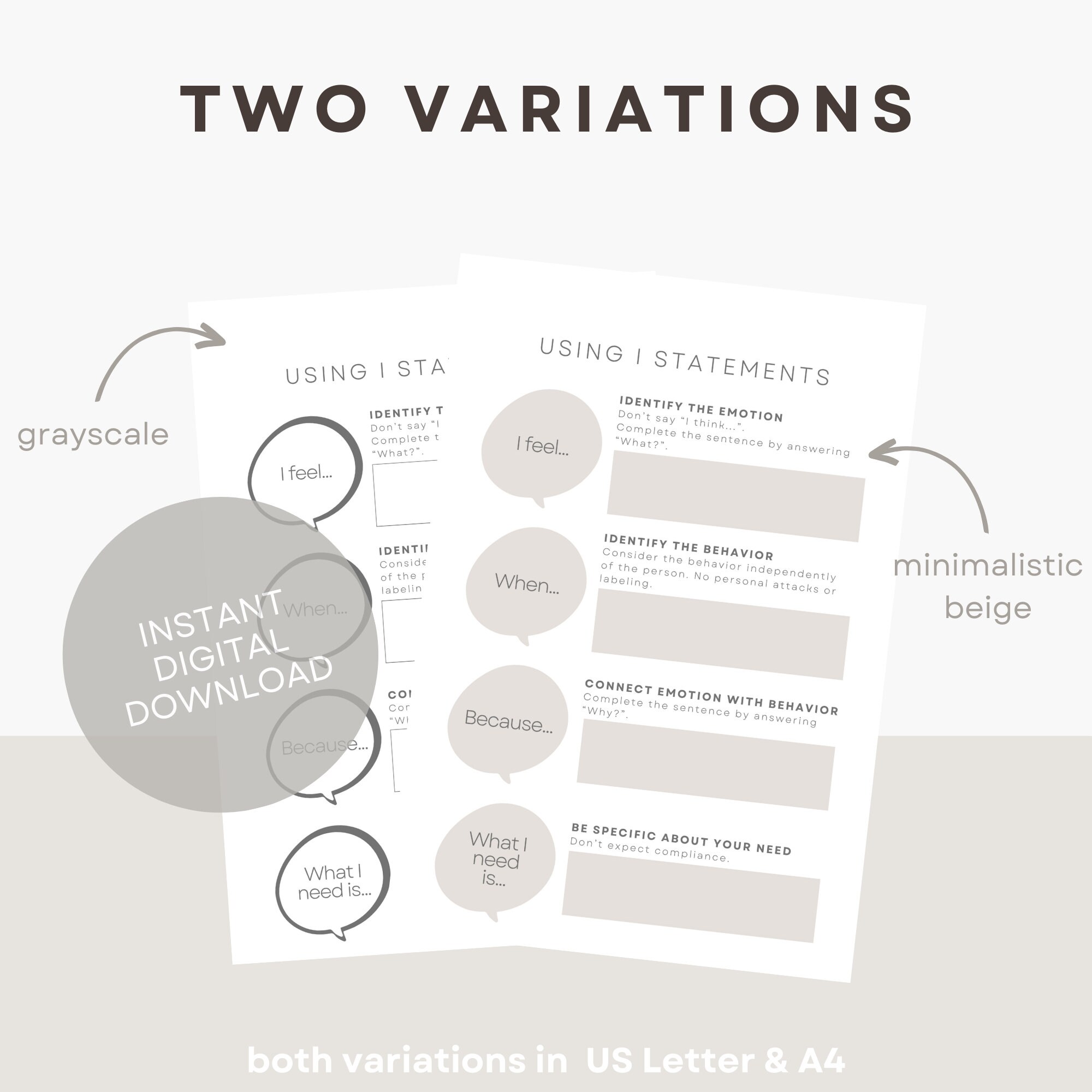
Therapy Aid: Couples Communication
For homeschooling families, this worksheet can be a valuable addition to their curriculum, promoting self-awareness and effective communication skills. It can also be a useful tool for therapists and counselors, aiding clients in expressing their emotions and needs clearly.
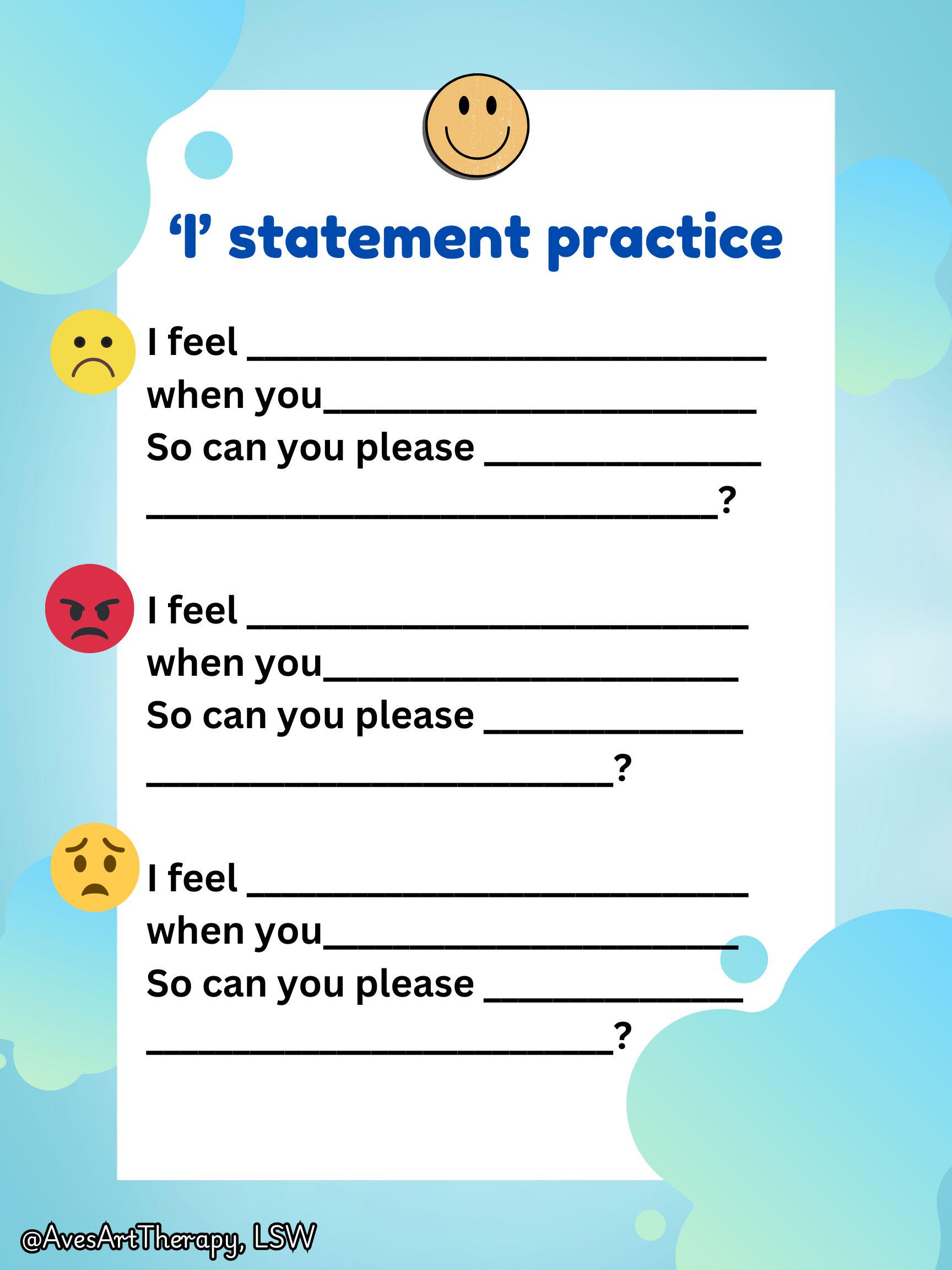
'I' Statement Practice for Kids
Furthermore, the worksheet's simplicity makes it accessible for all ages. While it may be introduced to younger students as a basic emotional expression tool, it can also be a powerful resource for teens and adults, helping them navigate complex emotions and relationships.

Encouraging Self-Expression in Children
As learners progress, the worksheet can be adapted to include more challenging prompts, encouraging deeper self-reflection and more nuanced expressions of emotions and needs. This progression ensures that the worksheet remains relevant and effective as learners' communication skills develop.

Mastering 'I' Statements
In conclusion, the "I Statements Worksheet" is a versatile and powerful tool for anyone looking to improve their communication skills. By focusing on personal expression and assertiveness, it empowers individuals to speak their truth without causing unnecessary drama. Whether in the classroom, at home, or in therapeutic settings, this worksheet is a valuable resource for fostering clear and honest communication.

Income Tax: A Different Worksheet
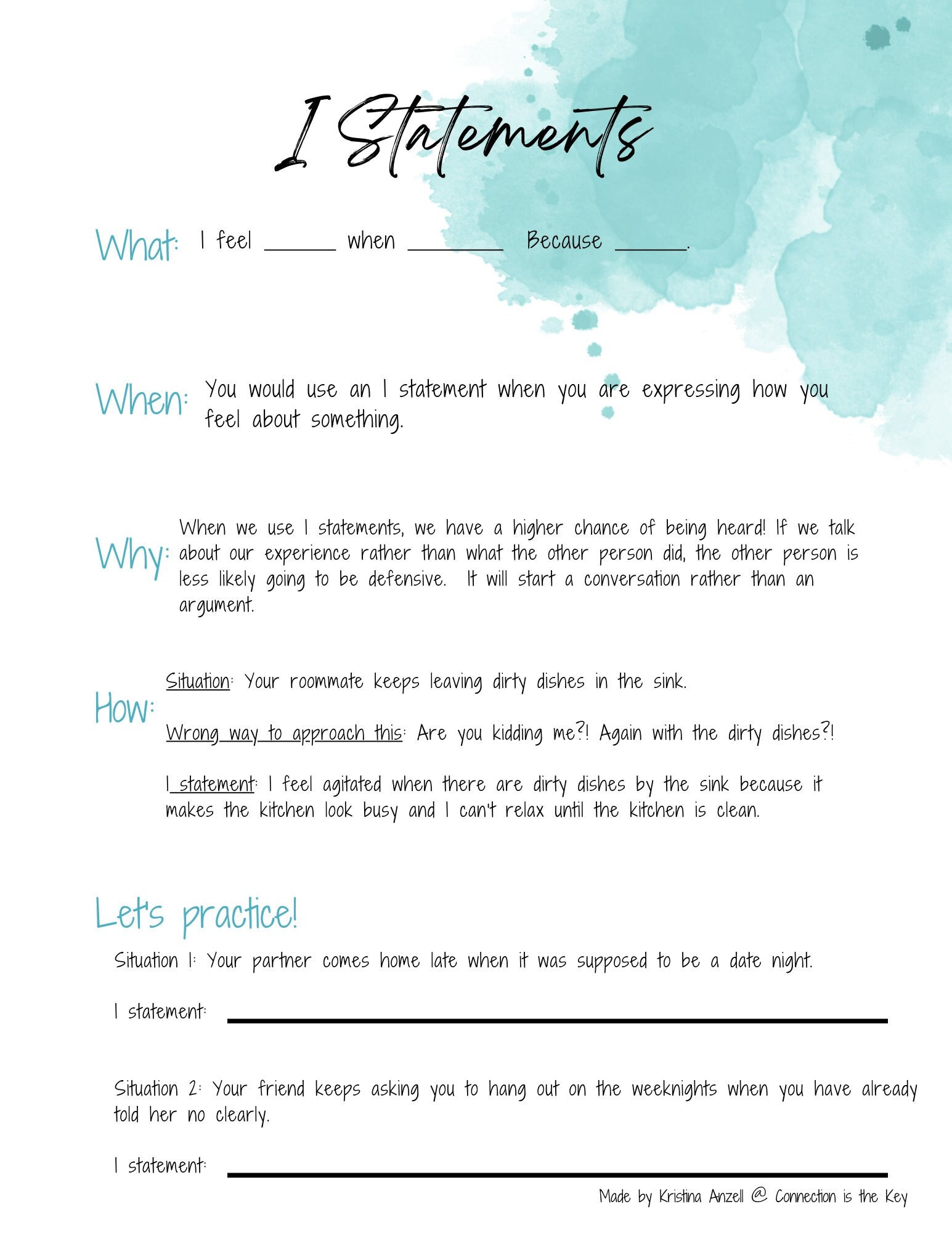
Etsy's 'I' Statement Worksheet
"I" statements are an empowering way to express yourself, and with practice, they can become a natural part of your communication toolkit. So, why not give the "I Statements Worksheet" a go? It's a fun and effective way to explore this technique and gain confidence in asserting yourself.
Feel free to print it out, jot down your thoughts, and see the impact it has on your interactions. It's an eye-opening experience, and I'd love to hear about your journey with it. Leave a comment or share your experience below; I'd love to know how it's helping you find your voice!
Psychoeducation: Effective Communication Styles
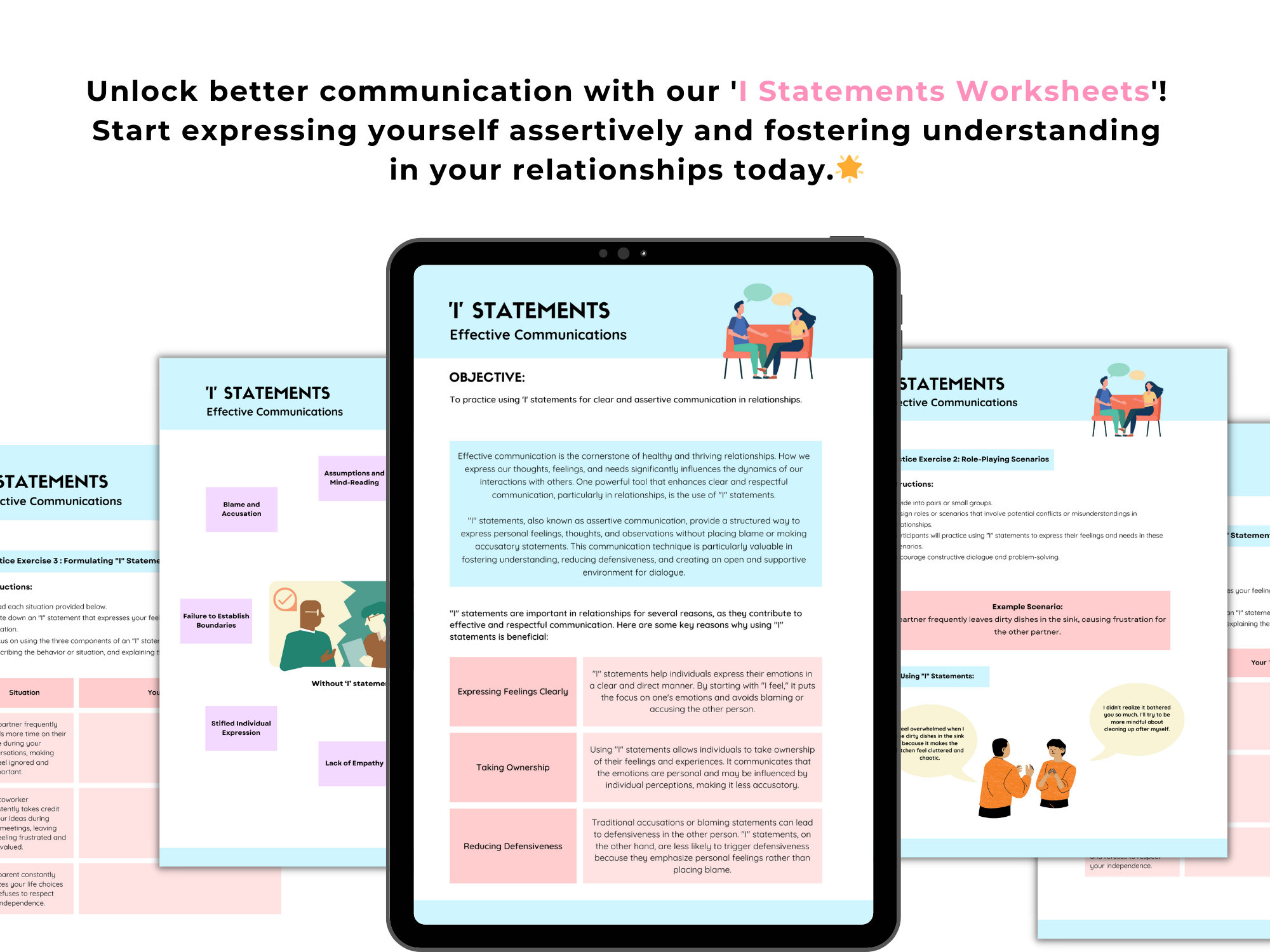
Read also: Capitulo 2 Primer Paso Worksheet Answers Explained