



K5 Learning Math Worksheets Classroom Overview
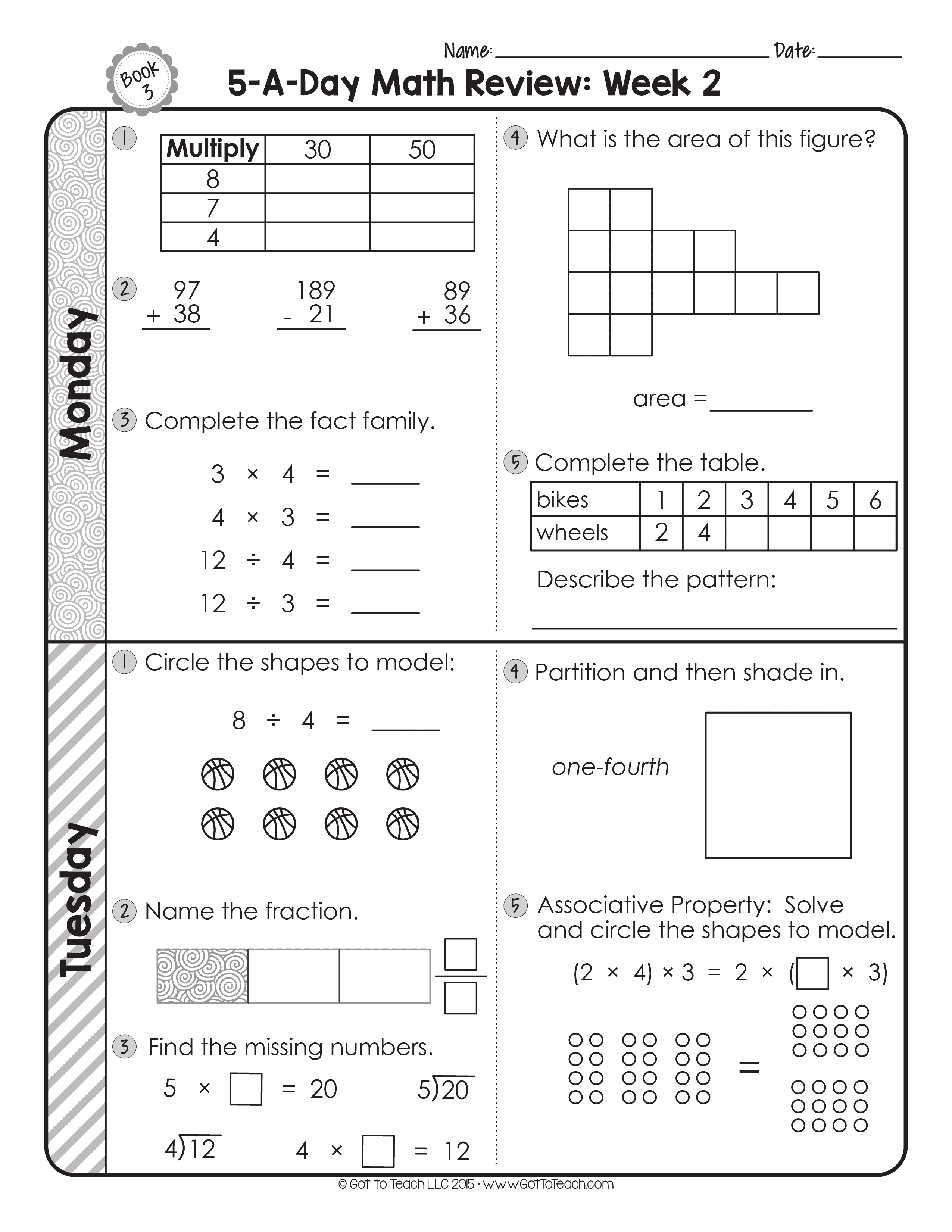
Sometimes, finding the right resources to help with math can be a real challenge, especially when it comes to something like exponents. Exponents worksheets can be a lifesaver for students and parents alike, offering a structured way to practice and master this tricky topic. I remember using similar tools when I was younger, and they were a great way to get some extra practice without feeling overwhelmed. It's all about finding the right tools, and these worksheets, like exponents worksheets grade 8, can make a real difference.
Practice with printable exponent worksheets.
Unlocking the Power of Exponents: A Comprehensive Practice Guide
Exponents are a fundamental concept in mathematics, and mastering them is crucial for building a strong foundation in algebra and higher-level math. Exponents worksheets offer a structured and effective way to practice and reinforce this essential skill, making them an invaluable resource for students and educators alike.
Master exponent rules with these printable sheets.
Beyond Basics: Exploring Advanced Exponent Concepts
While many exponents worksheets focus on the fundamental operations of exponents, such as multiplying and dividing, it's important to acknowledge that exponents are a versatile and powerful tool in mathematics. Worksheets that delve into more advanced concepts, such as power laws, base exponents, and exponential growth, can help students develop a deeper understanding of this topic.
Free exponents worksheets, a math resource.
For instance, worksheets that introduce students to the concept of fractional powers and negative exponents can expand their mathematical horizons. These advanced topics are crucial for understanding more complex mathematical models and equations, and they can be introduced gradually through well-designed worksheets.
Word problems with exponents, a challenging worksheet.
People Also Ask: What Are the Different Types of Exponent Worksheets?
There is a wide variety of exponents worksheets available, catering to different learning needs and skill levels. Some common types include:
Grade 8 math, focusing on exponents.
- Basic Exponent Operations Worksheets: These focus on the fundamental operations of exponents, such as simplifying expressions, multiplying and dividing exponents, and raising numbers to powers.
8th grade exponents, a comprehensive Quizizz.
- Exponent Rules Worksheets: These worksheets introduce and reinforce the rules of exponents, such as the product rule, quotient rule, and power rule.
Exponents of 10, a unique worksheet.
- Exponential Growth and Decay Worksheets: These worksheets explore the concept of exponential growth and decay, which is crucial for understanding many real-world applications, from population growth to financial investments.
Adding exponents, a free practice sheet.
- Negative and Fractional Exponent Worksheets: As mentioned earlier, these worksheets introduce students to the more advanced concepts of negative and fractional exponents, helping them expand their mathematical toolkit.
Power of exponents, a PDF to explore.
How to Make the Most of Exponents Worksheets: Practical Tips
To ensure that exponents worksheets are effective learning tools, here are some practical tips for their use:
Exponents and division, a skill-building exercise.
- Choose the Right Level: Select worksheets that are appropriate for the student's grade level and mathematical proficiency. Worksheets that are too easy may not provide enough challenge, while those that are too difficult can be frustrating and demotivating.
Addition with exponents, a fun activity.
- Gradual Progression: Start with simpler worksheets and gradually increase the difficulty level as the student gains confidence and proficiency. This progressive approach ensures that students build a solid foundation before tackling more complex concepts.
Simple exponents, a beginner's guide.
Provide Guidance: While worksheets can be used for independent practice, it's beneficial to provide guidance and explanations, especially for more advanced topics. This can be done through teacher-led instruction, tutoring sessions, or even video tutorials.
Incorporate Variety: To keep students engaged, use a variety of worksheet types and activities. This can include word problems, matching exercises, fill-in-the-blank questions, and even real-world application scenarios.
Print and Practice: While digital worksheets have their advantages, printing physical copies can be beneficial, especially for younger students. Physical worksheets allow for hands-on practice, and students can write directly on the paper, making it easier to track their progress and identify areas for improvement.
Real-World Applications: Bringing Exponents to Life
One of the most exciting aspects of exponents is their real-world applicability. Exponents worksheets can help students understand how this mathematical concept is used in various fields, from science and engineering to economics and finance.
For instance, understanding exponential growth is crucial for predicting population trends, understanding the spread of diseases, or even managing investments. Worksheets that incorporate real-world scenarios can help students see the practical value of exponents and motivate them to master this topic.
Additionally, exponents are fundamental to understanding concepts like square roots and cube roots, which have applications in geometry, physics, and computer graphics. By mastering exponents, students open doors to a wide range of mathematical and scientific explorations.
21 Tree Stencil Designs for Easy Crafting
Exponents worksheets are a versatile and powerful tool for practicing and mastering this essential mathematical concept. Whether used in the classroom, for homeschooling, or as a supplement to tutoring, they offer a structured and effective way to build a strong foundation in exponents. With the right approach and a variety of worksheet types, students can develop a deep understanding of this topic, setting them up for success in higher-level math and beyond.
Exponents are a fun way to explore the world of mathematics and its endless possibilities. With these worksheets, you can really dive deep into this concept and discover its beauty. So, why not give it a go? Print out a few, gather your pens and calculators, and have some exponent fun! It's a great way to keep your math skills sharp and explore a crucial aspect of algebra.
Don't forget to leave a comment and share your experience with us. We'd love to hear how these worksheets helped you master exponents and if you have any fun tips to share with fellow math enthusiasts!
Evaluate exponential expressions, a fun PDF.
Read also: 30 Stencil Flower Wall Designs
Related: 22 Reading Worksheets for 2nd Grade
As a parent, I'm always on the lookout for resources to support my child's learning journey. When it comes to reading, 2nd grade reading worksheets can be a real lifesaver! These worksheets provide a structured way to practice and improve reading skills, and they're so convenient, especially when you find free second grade worksheets reading online. With just a click, you can access a wealth of practice materials, like our 30 Multiply Polynomials Worksheets for Practice, and download them for instant use.
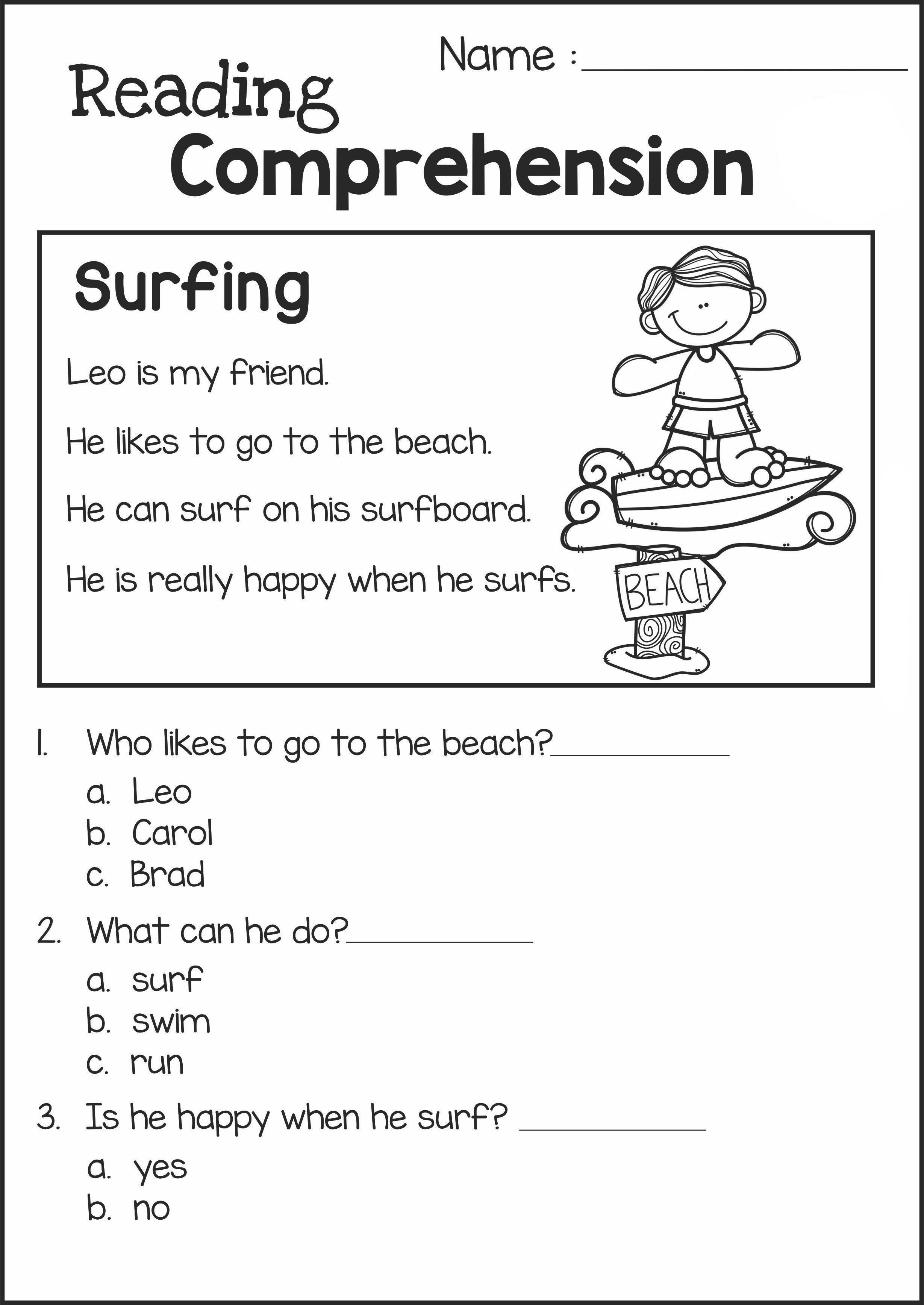
Comprehension practice with Jenny's story.
Reading Fluency and Comprehension Made Easy
When it comes to fostering a love for reading in young learners, 2nd grade reading worksheets are an invaluable tool. These worksheets offer a structured approach to enhancing reading skills, making them an essential resource for educators and parents alike. By providing a range of engaging activities, these worksheets cater to different learning styles and help build a strong foundation for reading fluency and comprehension.
Beyond Simple Stories: Building Vocabulary and Language Skills
While fun stories and simple sentences are an integral part of 2nd grade reading worksheets, they also introduce more complex language structures and vocabulary. Worksheets often include colorful vocabulary lists, word search puzzles, and matching games practice to reinforce new words and their meanings. This gradual progression helps students expand their linguistic repertoire, enhancing their reading and writing abilities.
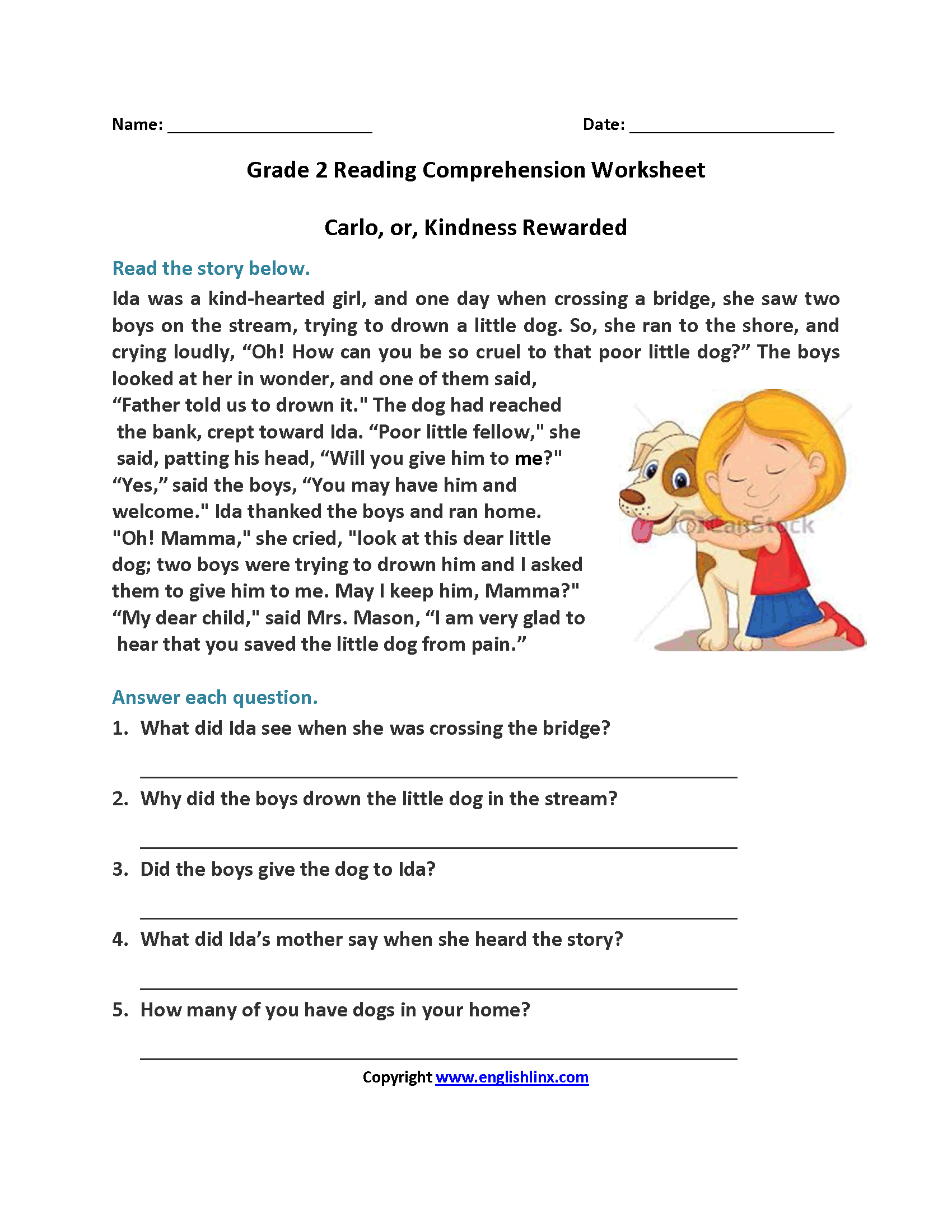
Essays: a reading comprehension challenge.
For instance, a worksheet might present a short story followed by a set of questions to test comprehension. These questions might range from basic recall to more analytical queries, encouraging students to think critically about the text. By providing a mix of reading fluency drills and comprehension activities, these worksheets ensure that students not only read fluently but also understand and interpret the text effectively.
People Also Ask: What Types of Worksheets Are Available?
2nd grade reading worksheets come in various formats to cater to different learning needs and preferences. Some common types include:
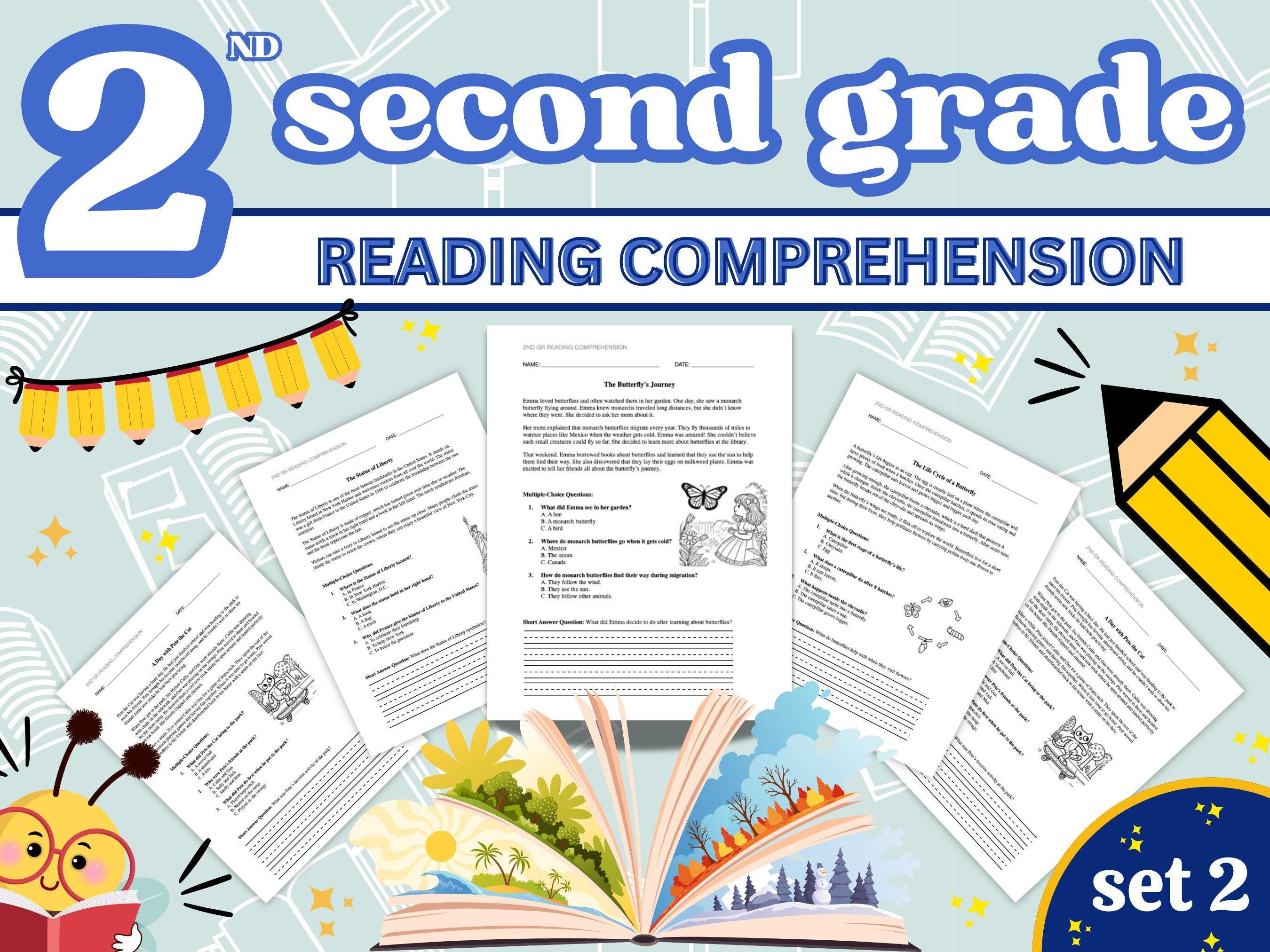
Set 2: advanced reading skills.
Short Story Worksheets: These worksheets present engaging stories, often with vibrant illustrations, followed by a set of questions to assess comprehension. They help students develop reading fluency and encourage them to think critically about the text.
Vocabulary Building Worksheets: Focused on expanding vocabulary, these worksheets introduce new words and their meanings through various activities like word searches, matching games, and sentence completion exercises.
Creative writing prompts for second graders.
Picture Description Activities: Students are presented with a picture and are asked to describe it in detail, enhancing their language skills and imagination.
Reading Fluency Drills: Designed to improve reading speed and accuracy, these worksheets often include timed reading exercises and repetition drills.
Free reading comprehension template.
- Comprehension Question Sets: A collection of questions related to a specific reading passage, these worksheets assess students' understanding of the text and their ability to analyze and interpret it.
By offering a diverse range of worksheet types, educators can cater to different learning styles and ensure a well-rounded reading practice experience.
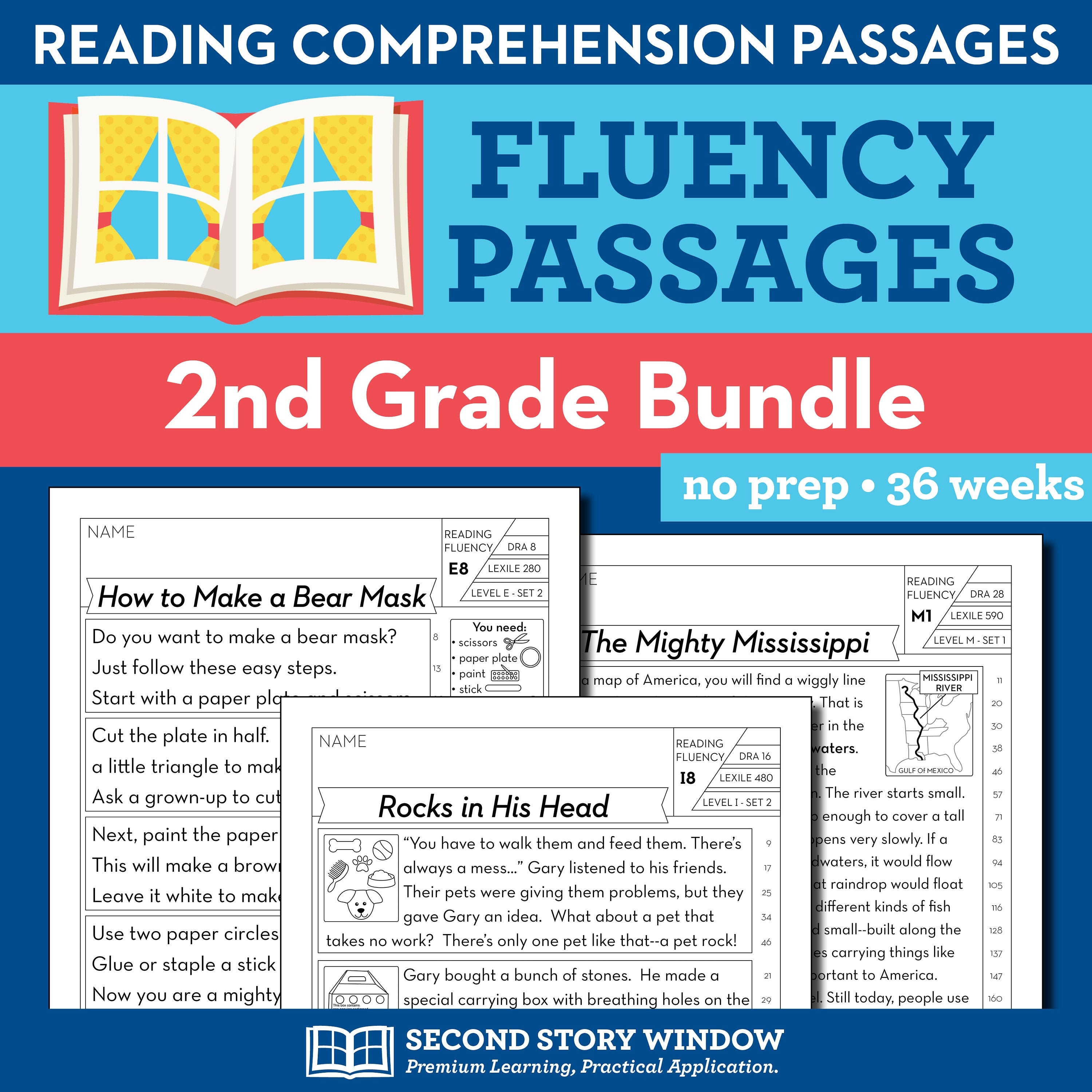
Fun bundle: engaging reading adventures.
How Can I Effectively Use 2nd Grade Reading Worksheets?
2nd grade reading worksheets are versatile and can be used in various learning environments, including classrooms, homeschooling, and tutoring sessions. Here are some practical tips for incorporating these worksheets into your teaching or learning routine:
- Choose the Right Worksheets: Select worksheets that align with your curriculum or learning goals. Look for worksheets that cater to the specific skills you want to develop, whether it's vocabulary building, comprehension, or reading fluency.
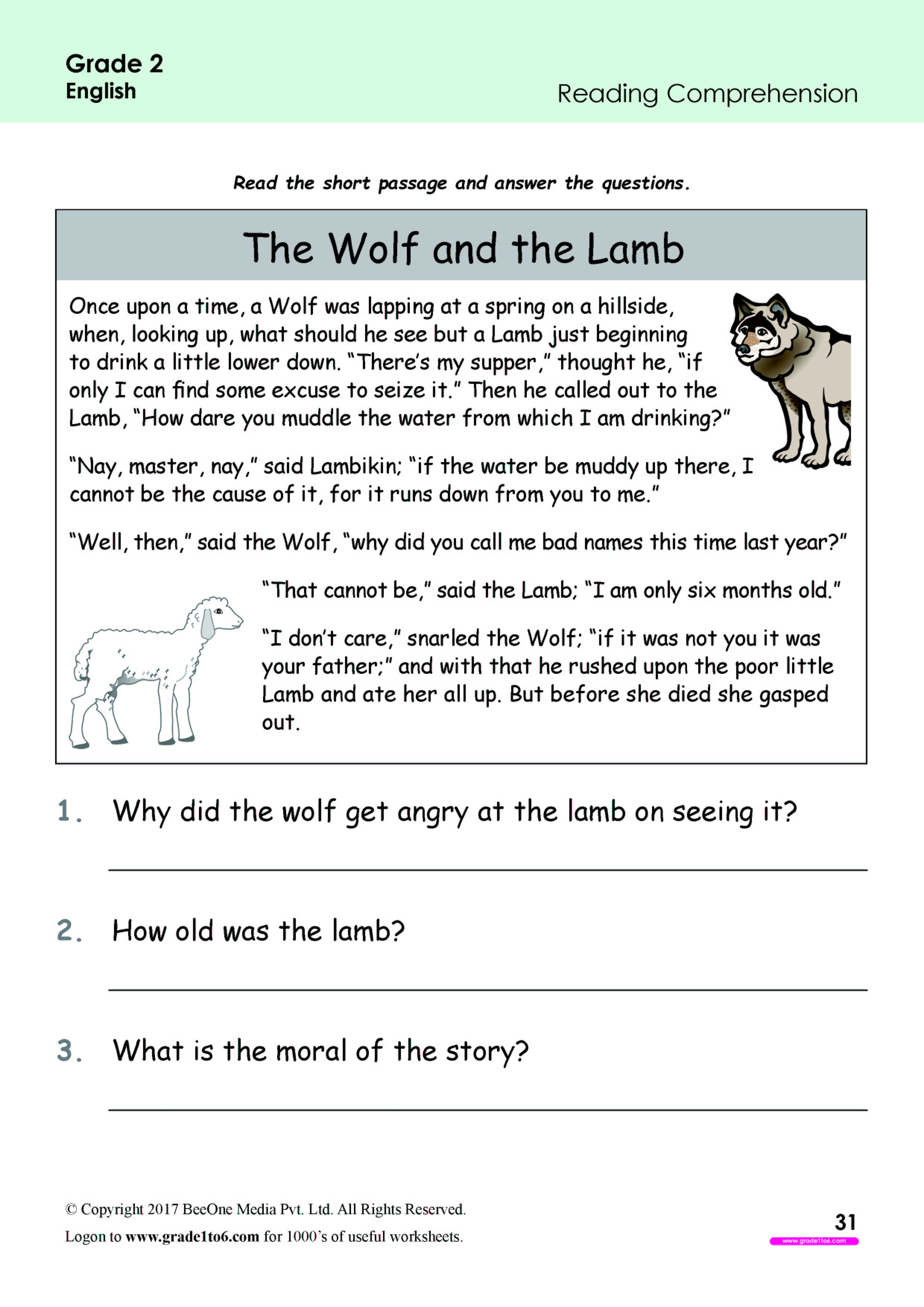
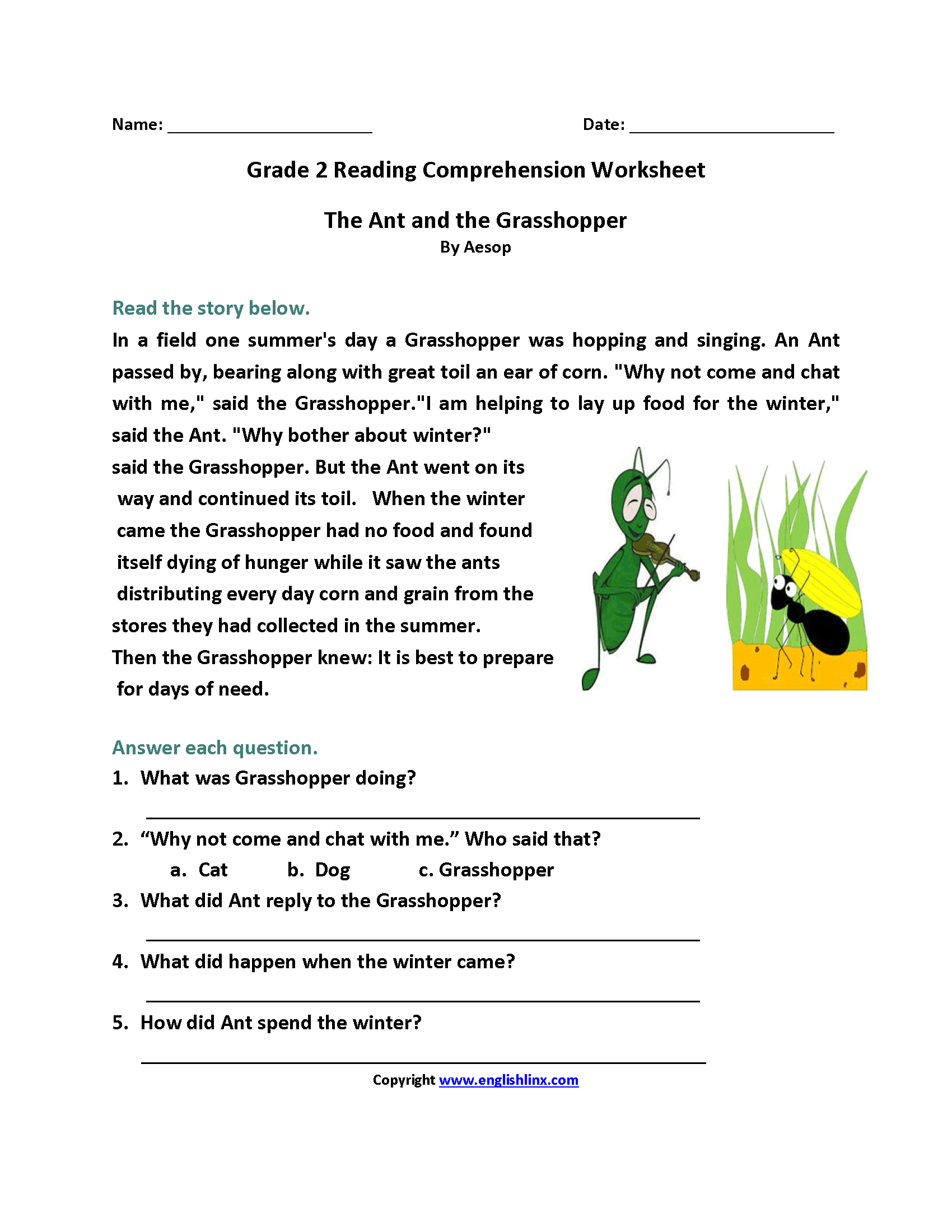
Reading comprehension: second grade.
Print and Prepare: Many 2nd grade reading worksheets are available online as PDF files, which you can easily download and print. Ensure you have a good-quality printer and sufficient paper supply. Consider laminating the worksheets for durability, especially if you plan to reuse them.
Incorporate Variety: To keep students engaged, vary the types of worksheets you use. Mix short story worksheets with vocabulary-focused activities and reading fluency drills to maintain interest and cater to different learning styles.
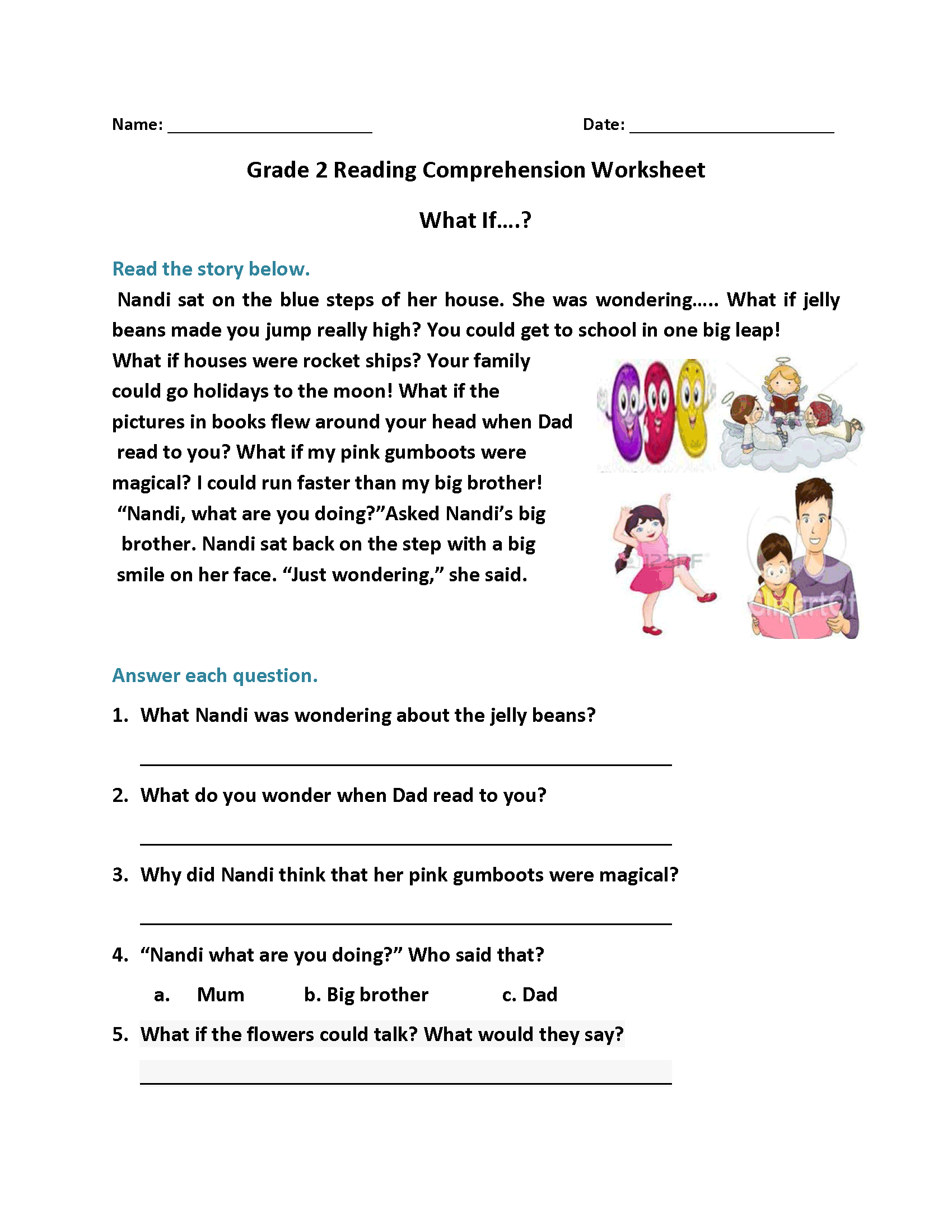
Reading practice: second grade.
Provide Guidance: Whether you're a teacher or a parent, offer guidance and support as students work through the worksheets. Explain new concepts, provide context, and encourage discussion to deepen their understanding.
Gradual Progression: Start with simpler worksheets and gradually increase the difficulty level as students gain confidence and proficiency. This progressive approach ensures that students are challenged appropriately and continue to make progress.
Fluency and vocabulary boosters.
- Make It Fun: Incorporate elements of play and creativity into the worksheet activities. For example, you could organize a reading fluency competition or create a reward system for completing worksheets. Making learning fun motivates students and fosters a positive attitude towards reading.
By following these practical tips, you can effectively utilize 2nd grade reading worksheets to enhance reading skills and create an engaging learning environment.
Printable reading sheets for 2nd grade.
Creative Practice: Bringing Worksheets to Life
While 2nd grade reading worksheets provide a structured framework for practice, they can also be a springboard for creative learning experiences. Here are some ideas to bring worksheets to life and make learning even more engaging:
- Storytelling Sessions: After completing a short story worksheet, encourage students to retell the story in their own words. This activity enhances comprehension and allows students to express their creativity.
Enhancing fluency and vocabulary.
Art and Craft Activities: Pair a reading worksheet with a related art project. For example, after reading a story about a character's adventure, students can create a collage or painting to depict a scene from the story.
Role-Playing Games: Transform a reading worksheet into a role-playing game. Students can take on the roles of characters from the story and act out different scenes, bringing the narrative to life.
Vocabulary and fluency exercises.
Group Discussions: Facilitate group discussions about the stories or topics presented in the worksheets. This encourages students to share their interpretations, thoughts, and ideas, fostering a collaborative learning environment.
Creative Writing Prompts: Use worksheets as a starting point for creative writing. Students can continue the story, write a sequel, or create a new story based on the characters and setting introduced in the worksheet.
By incorporating these creative elements, you can make 2nd grade reading worksheets an even more enjoyable and memorable part of the learning journey.
Well, there you have it! Worksheets can be a fun and effective way to boost reading skills and confidence. Remember, every child learns at their own pace, so take it one step at a time and enjoy the process.
Why not give these worksheets a go and see the magic unfold? You might just discover a new favorite activity to enhance your child's reading journey. Feel free to leave a comment and share your experiences with us! We'd love to hear how these worksheets have made a difference.
Fluency and vocabulary builders.
Read also: 16 Butterfly Tattoo Stencil Ideas
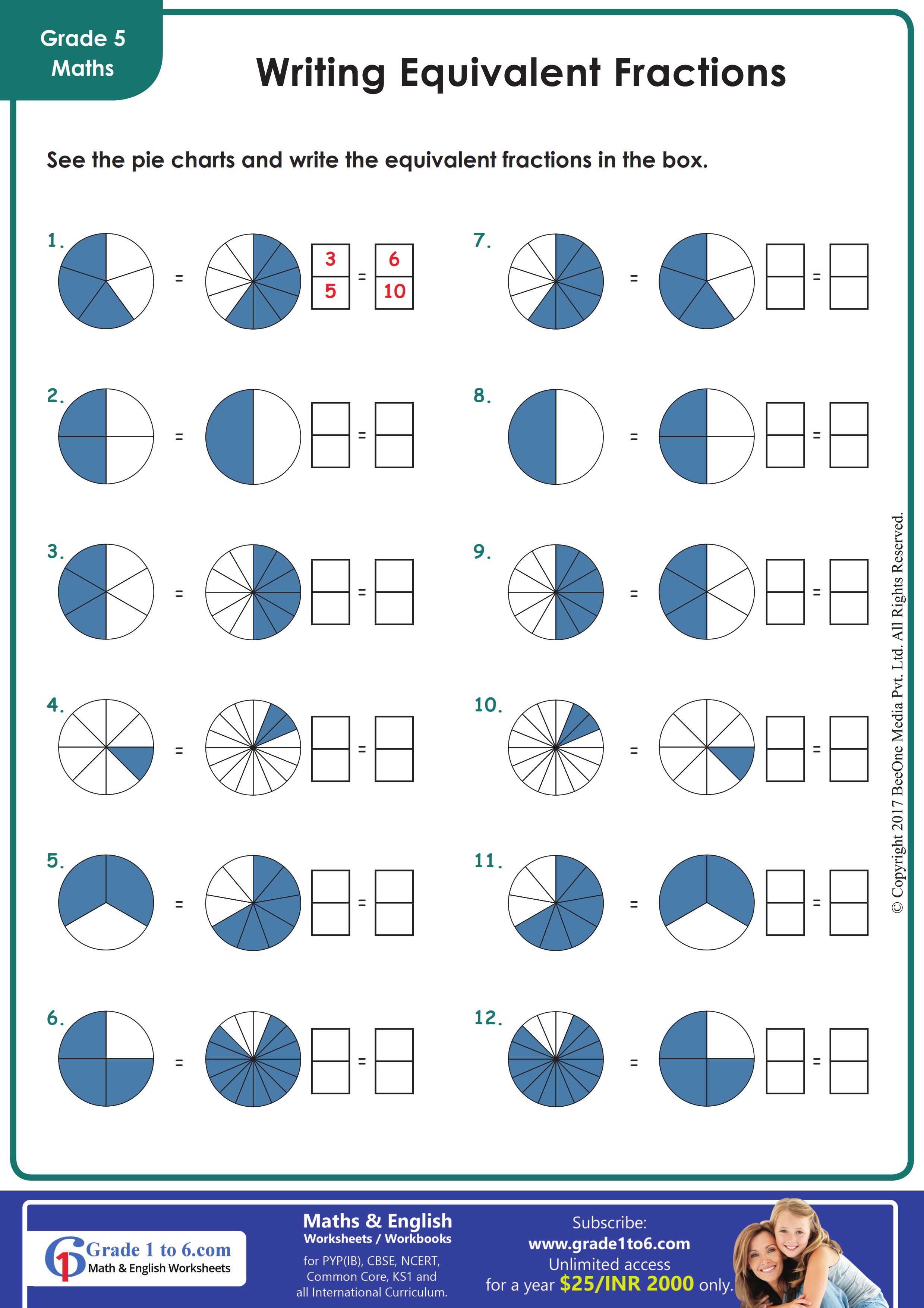
Related: 12 Easy Fractions Worksheets for Adding and Subtracting
Fractions can be a tricky concept for many learners, and finding the right resources to practice can make all the difference. I've found that having a good adding subtracting fractions worksheet at hand is a lifesaver for parents and teachers alike. These worksheets are an excellent tool to reinforce skills, especially when you're dealing with adding subtracting fractions worksheets 5th grade level or even higher. With printable resources like these, you can ensure a seamless learning experience at home or in the classroom.
Practice adding and subtracting fractions.
Mastering Fraction Arithmetic: The Essential Guide
Adding and Subtracting Fractions: A Fundamental Skill
One of the key concepts in mathematics is the ability to work with fractions, and a critical part of this is mastering the art of addition and subtraction. Adding subtracting fractions worksheets provide an excellent foundation for learners to grasp this skill, building a strong mathematical base. These worksheets are an invaluable resource for educators and parents, offering a structured approach to teaching fraction arithmetic.
Add and subtract fractions with different denominators.
By focusing on adding and subtracting fractions, these worksheets cover a vital aspect of mathematics, one that often poses challenges for students. They offer a range of practice problems, gradually increasing in complexity, to ensure learners develop a solid understanding and the ability to apply these skills in various mathematical contexts.
Grade 6 math: Fraction operations.
Beyond Basic Addition: Exploring Fraction Subtraction and Mixed Numbers
While addition is an essential starting point, adding subtracting fractions worksheets go further, delving into the world of subtraction and mixed numbers. This is a crucial step, as it allows learners to tackle more complex fraction problems and understand the relationship between different types of fractions.
Fraction addition and subtraction with regrouping.
For instance, learners will encounter problems involving unlike denominators, where they must find a common denominator to simplify the fractions before subtracting them. This process not only enhances their mathematical skills but also teaches them a valuable strategy for solving real-world problems.
Adding and subtracting fractions: Practice sheet.
Additionally, these worksheets often introduce the concept of mixed numbers, which combines whole numbers and fractions. This adds a layer of complexity, as learners must not only understand how to add and subtract fractions but also how to manipulate mixed numbers in these operations.
Visual guide to adding and subtracting fractions.
People Also Ask: What Are Some Common Challenges with Adding and Subtracting Fractions?
When it comes to adding and subtracting fractions, one of the most common challenges is dealing with unlike denominators. Many learners struggle with the process of finding a common denominator, which is essential for combining fractions with different denominators.
Word problems for 4th graders: Fraction challenges.
Another challenge is the concept of simplifying fractions, especially when dealing with larger numbers. Learners must understand how to reduce fractions to their simplest form, which can be a tricky task for those new to fraction arithmetic.
Subtracting fractions from 1: Math drill.
How to Make the Most of Adding Subtracting Fractions Worksheets: A Practical Guide
To make the most of adding subtracting fractions worksheets, it's important to provide a structured approach. Start with simpler problems, such as adding and subtracting fractions with like denominators, to build a solid foundation. Gradually introduce more complex problems, such as those with unlike denominators, to challenge learners and reinforce their understanding.
Grade 3 fractions: Adding and subtracting.
Encourage learners to break down the steps involved in adding and subtracting fractions. This includes identifying the denominators, finding a common denominator if needed, and then performing the addition or subtraction. By breaking the process down into manageable steps, learners can develop a systematic approach to solving fraction problems.
Mastering unlike denominators: Fraction worksheets.
Reinforcing Skills: The Power of Practice and Application
The true power of adding subtracting fractions worksheets lies in their ability to reinforce skills and provide practical application. By offering a variety of practice problems, these worksheets allow learners to apply their knowledge in different contexts, strengthening their understanding and confidence.
Add and subtract fractions: Fundamental skills.
For instance, learners can encounter real-world scenarios where fraction arithmetic is essential. This could include measuring ingredients in a recipe, calculating distances, or even understanding the concept of fractions in sports statistics. By connecting fraction arithmetic to practical situations, learners can see the relevance and importance of their mathematical skills.
Fraction addition and subtraction: Grade 3.
Furthermore, these worksheets can be used as a tool for assessment, allowing educators and parents to gauge a learner's understanding and identify areas that may need further reinforcement. This targeted approach ensures that learners receive the support they need to master fraction arithmetic.
In conclusion, adding subtracting fractions worksheets are an invaluable resource for anyone teaching or learning fraction arithmetic. They provide a structured and progressive approach to mastering this fundamental mathematical skill, offering a wealth of practice problems and practical applications. By utilizing these worksheets effectively, learners can develop a strong foundation in fraction arithmetic, a skill that will serve them well in their mathematical journey.
Fractions can be a tricky concept, but with the right tools and practice, anyone can become a fraction master! These worksheets are a fantastic way to get hands-on and really understand the mechanics of adding and subtracting fractions. So, why not give it a go? Print out a worksheet, grab a pen, and see how you get on. It's a fun way to reinforce your skills, and you might just surprise yourself with your fraction-wrangling abilities! Feel free to leave a comment and share your experiences with us; we'd love to hear how you're getting on with your fraction adventures!
Fractions, decimals, percentages: KS2 skills.
Read also: 24 Frankenstein Pumpkin Stencil Ideas