As a parent, I'm always on the lookout for fun and engaging ways to help my little ones learn. Kindergarten worksheets have been a lifesaver, offering a simple and effective tool to practice and reinforce various skills. Whether it's math, reading, or even coloring, these worksheets provide a structured yet playful approach to learning. For instance, check out these preschool math worksheets that you can easily print at home.
Filipino language practice for young learners.

Early Math Skills Made Fun with Kindergarten Worksheets
Kindergarten worksheets are an excellent resource for introducing and reinforcing foundational math concepts in a fun and engaging way. These worksheets provide a structured framework for young learners to practice basic math skills, making learning an enjoyable experience.
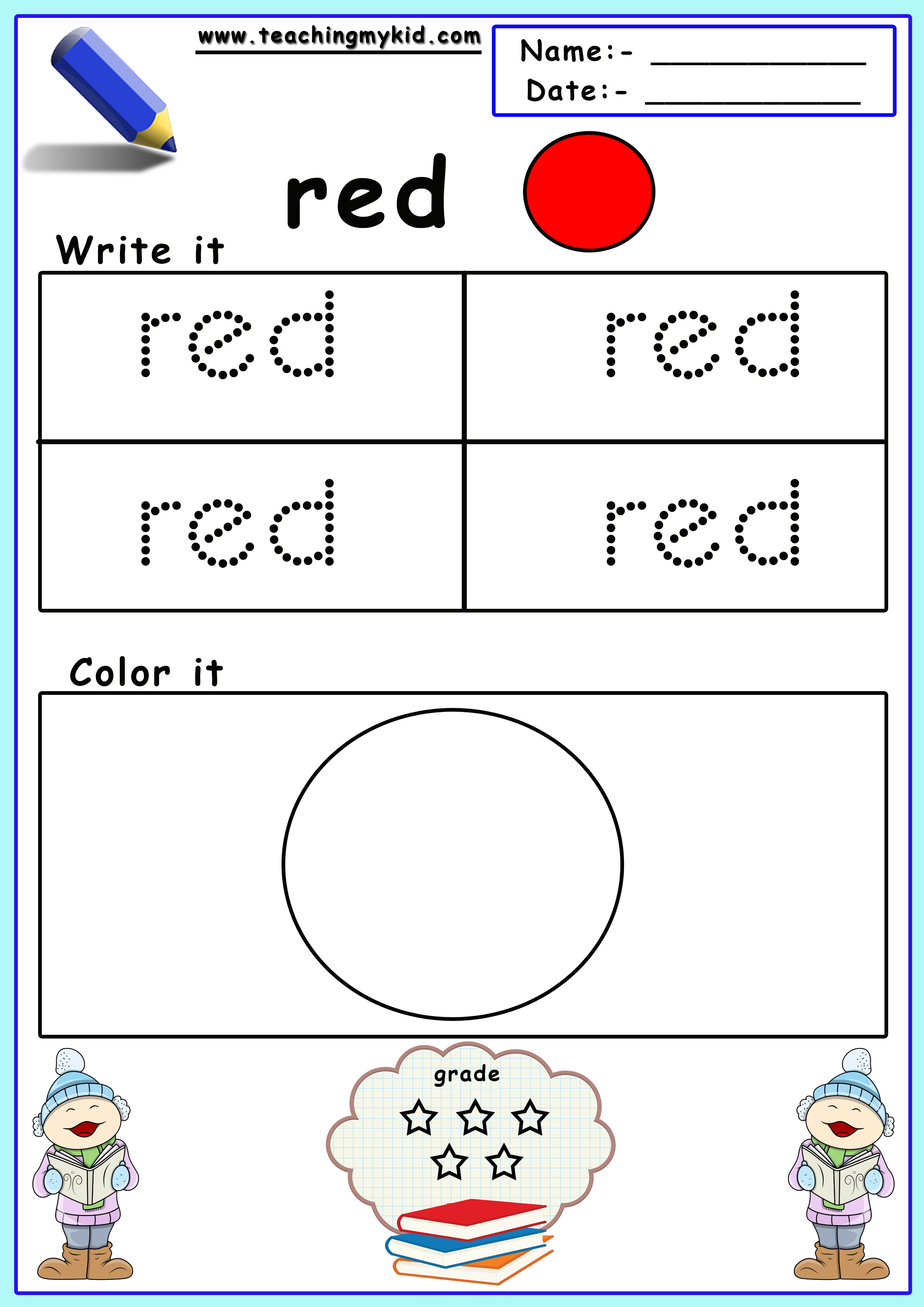
Red color recognition and tracing.
Beyond Numbers: Exploring Shapes and Patterns
While math often brings to mind numbers and calculations, kindergarten worksheets offer a broader range of activities. One such activity is shape recognition and matching. Worksheets with match the shapes exercises help children identify and differentiate various shapes, such as circles, squares, triangles, and more. This activity not only enhances their visual discrimination skills but also lays the foundation for understanding geometry and spatial relationships.

Alphabet letter sight words.
Another popular type of worksheet focuses on pattern recognition and continuation. These worksheets present a series of shapes or pictures with a missing element, and children are asked to complete the pattern. By identifying and extending patterns, learners develop logical thinking and problem-solving abilities, which are essential for higher-level math concepts.
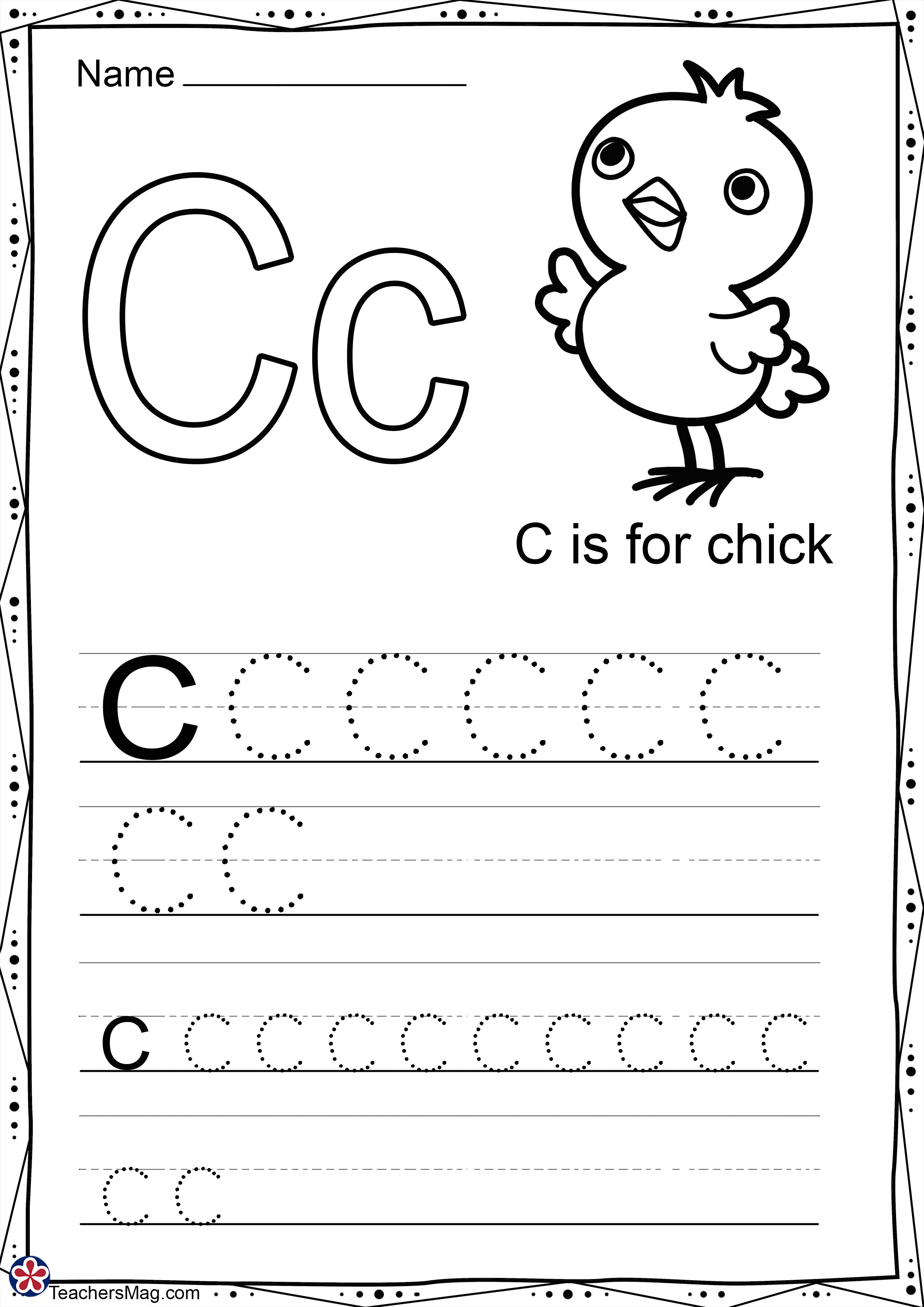
Letter C identification and writing.
People Also Ask: What Age Group Benefits from Kindergarten Worksheets?
Kindergarten worksheets are designed with young learners in mind, typically targeting children aged 4 to 6. This age range encompasses the early years of formal education, where children are introduced to basic academic concepts. However, it's important to note that the specific age range can vary depending on the child's developmental stage and the curriculum followed.
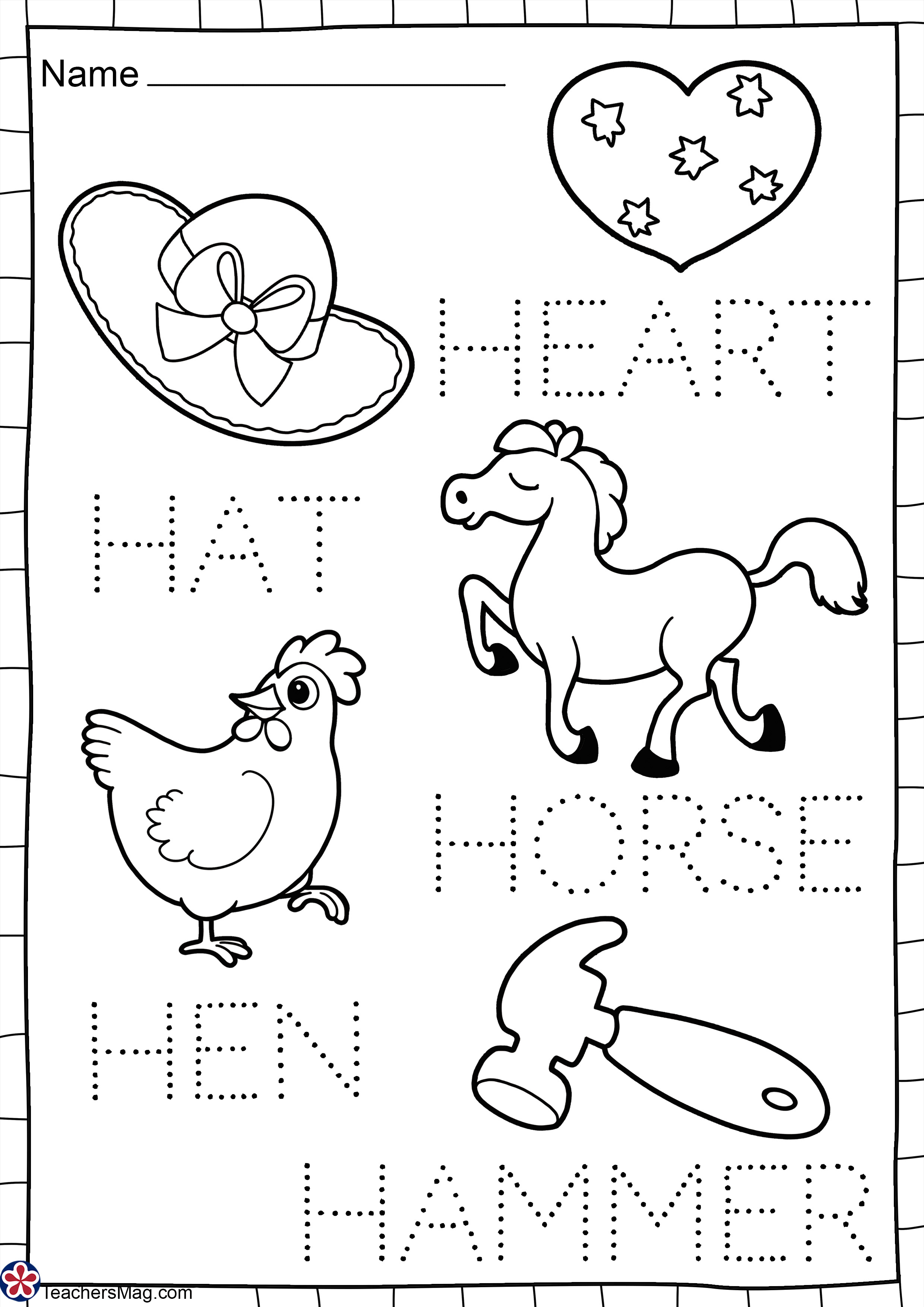
Letter H recognition and tracing.
For instance, some children may benefit from starting with kindergarten worksheets a little earlier, especially if they show an interest in learning or if they are in a homeschool setting with flexible pacing. On the other hand, some children might need a slightly later start, especially if they are in a more relaxed learning environment or if they have unique learning needs.

Shape recognition and matching.
How to Choose and Use Kindergarten Worksheets Effectively
When selecting kindergarten worksheets, it's crucial to consider the child's age, grade level, and individual learning pace. Worksheets should provide an appropriate level of challenge, offering a balance between familiar concepts and new skills.

Letter B practice sheet.
To make the most of these resources, parents and educators can follow these tips:
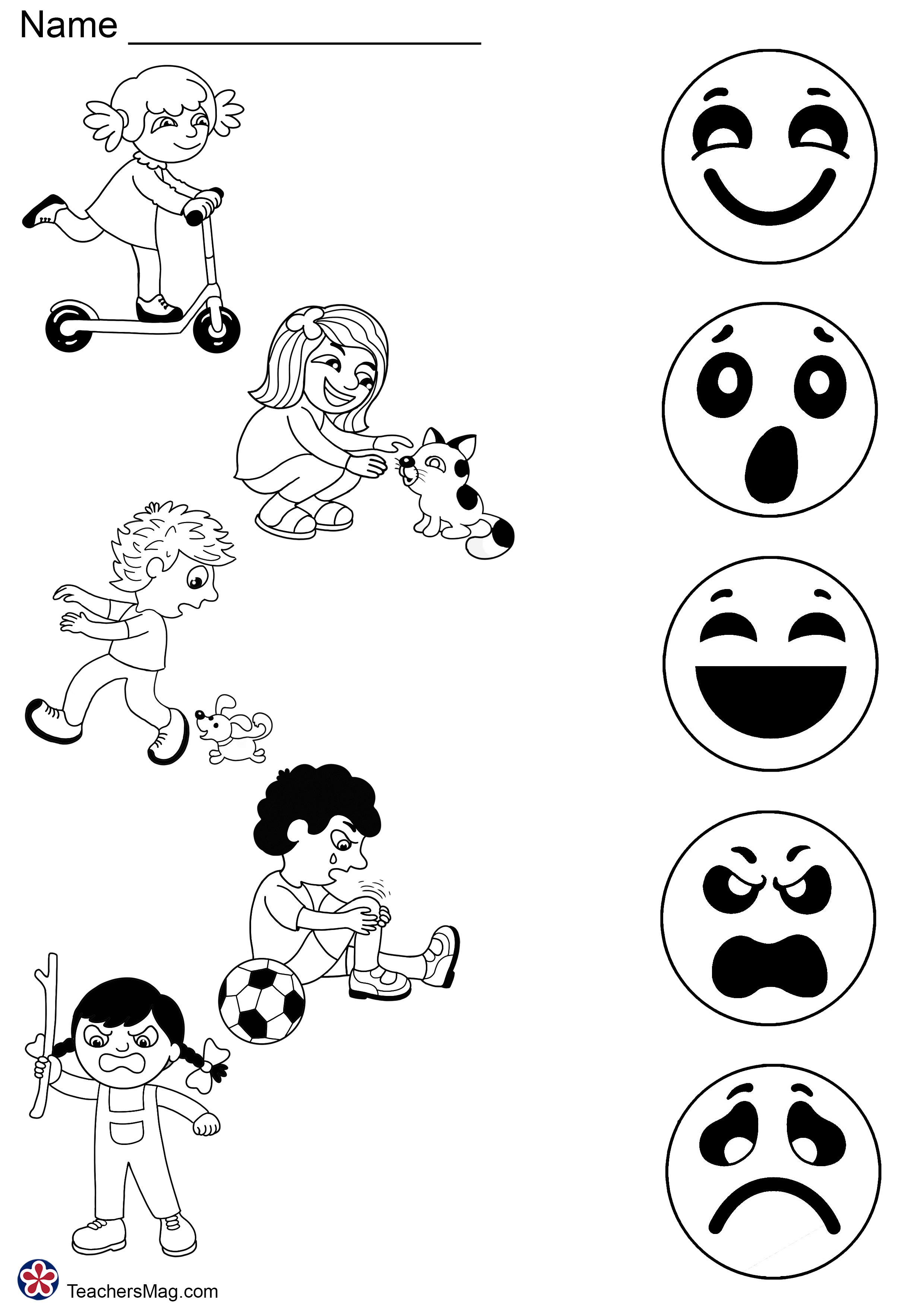
Number recognition and counting.
- Start with simpler worksheets: Begin with activities that focus on basic skills, such as counting, shape recognition, or simple addition. This builds confidence and ensures a solid foundation.
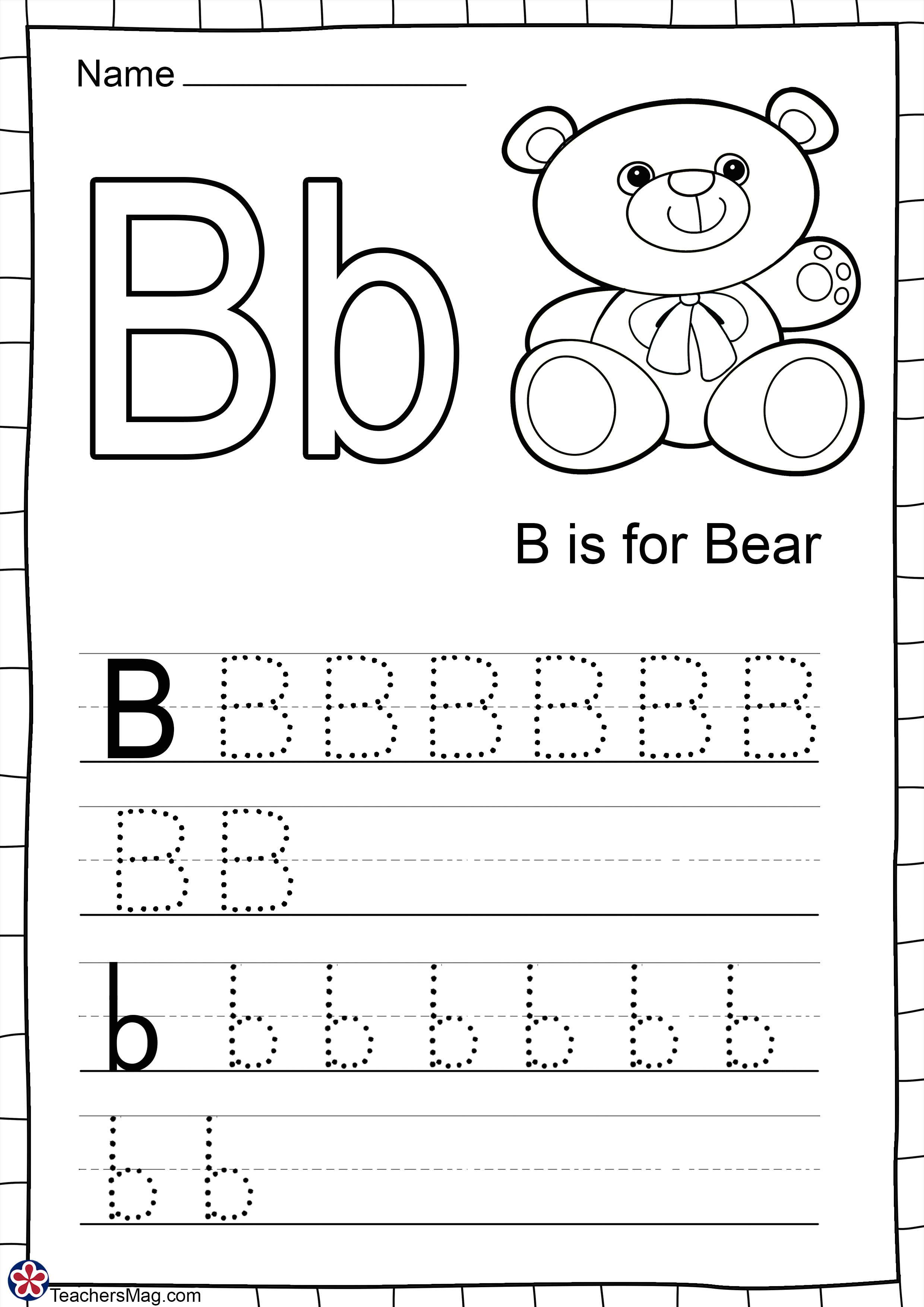
Letter B tracing and writing.
- Gradually increase difficulty: As children master the basics, introduce worksheets with slightly more complex tasks. This could include activities like count and color or trace and write numbers or letters.

Basic math skills for kindergarten.
- Incorporate variety: Offer a mix of worksheet types to maintain engagement. For example, include find the pairs activities, cut and paste exercises, or even a fun word search with math-related words.

Addition practice: adding zero.
- Provide guidance: While worksheets can be completed independently, offering guidance and support is beneficial. Explain concepts, answer questions, and provide encouragement to help children understand and enjoy the learning process.

Scissor skills: cutting activity.
- Print and practice: Kindergarten worksheets are often available as free printable kindergarten math worksheets or in PDF format for easy printing. Ensure you have a good quality printer and suitable paper to create an appealing learning experience.
Enhancing Learning with Interactive Worksheet Activities
Kindergarten worksheets can be used not only for individual practice but also as a tool for interactive learning experiences. Teachers and parents can incorporate these worksheets into group activities or learning centers to promote collaboration and social interaction.
For instance, a teacher might organize a math scavenger hunt where students search for and identify shapes in the classroom or outdoors. Alternatively, a parent could create a shape sorting game using cut-out shapes from worksheets, encouraging children to match and categorize them.
These interactive approaches not only reinforce math skills but also foster critical thinking, communication, and collaboration, making learning a more well-rounded and enjoyable experience.
By leveraging the versatility of kindergarten worksheets, educators and parents can create a stimulating learning environment that caters to different learning styles and preferences, ensuring that every child has the opportunity to thrive and develop a love for learning.
Kindergarten worksheets offer a fantastic opportunity to make math an exciting adventure for little ones. By incorporating these into your child's learning routine, you're not only setting them up for success but also making math an enjoyable part of their day.
So, go ahead and give it a go! Print out a few worksheets, gather some colorful pencils, and watch as your child embraces the world of numbers and shapes. And remember, learning should be fun, so feel free to share your experiences and any creative ways you've used these worksheets below. We'd love to hear all about it!
Scissor skills activity for preschoolers.

Read also: 16 Long a Worksheets for Easy Practice