





Letter F Printable Frustrations: When Theory Fails Reality
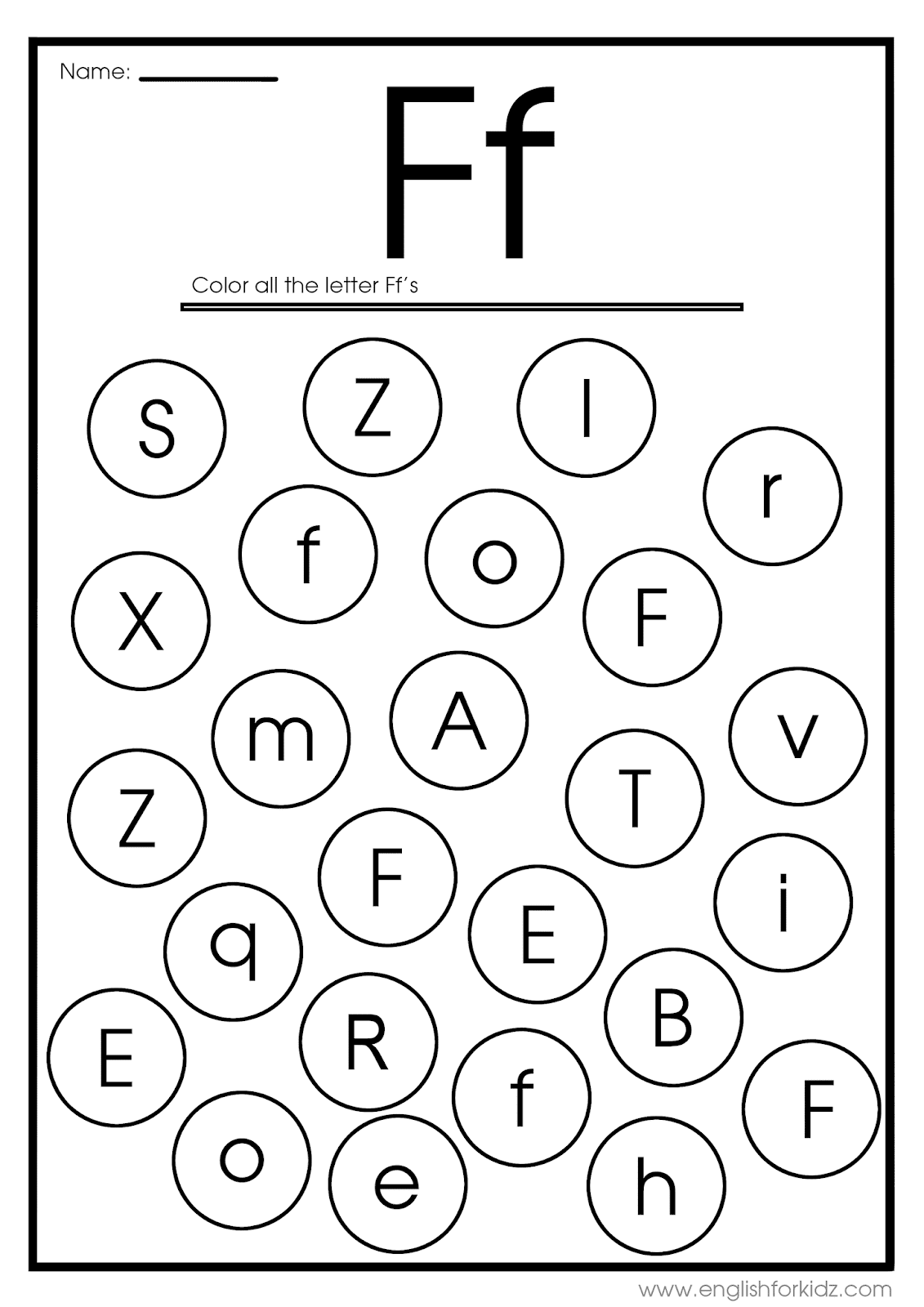
I've been on the hunt for some letter printables to engage my preschooler in some alphabet learning, and "letter F printable" was my search term. But, oh boy, the results! An overwhelming mix of worksheets, coloring pages, and letter tracing activities, many with distracting ads and confusing layouts.
Worth the Effort? A Value Judgment
Despite the clutter, there's real value in these free resources. They offer a quick, accessible way to reinforce letter recognition, writing, and creativity. Ideal for parents and teachers seeking fun, educational tools on a budget. But be warned: not all designs are created equal, and some need serious tweaking to work. For a closer look at something similar, my post on abc printables covers the details.
Smooth Performance: A Hands-On Test
Print quality and paper choice make all the difference. I found that printing at Actual Size on 80-100 GSM paper works best for coloring pages and worksheets. Heavier paper (120-160 GSM) is better for letter tracing and letter templates, as it handles pen pressure without tearing.

Design Details: Aesthetics and Function
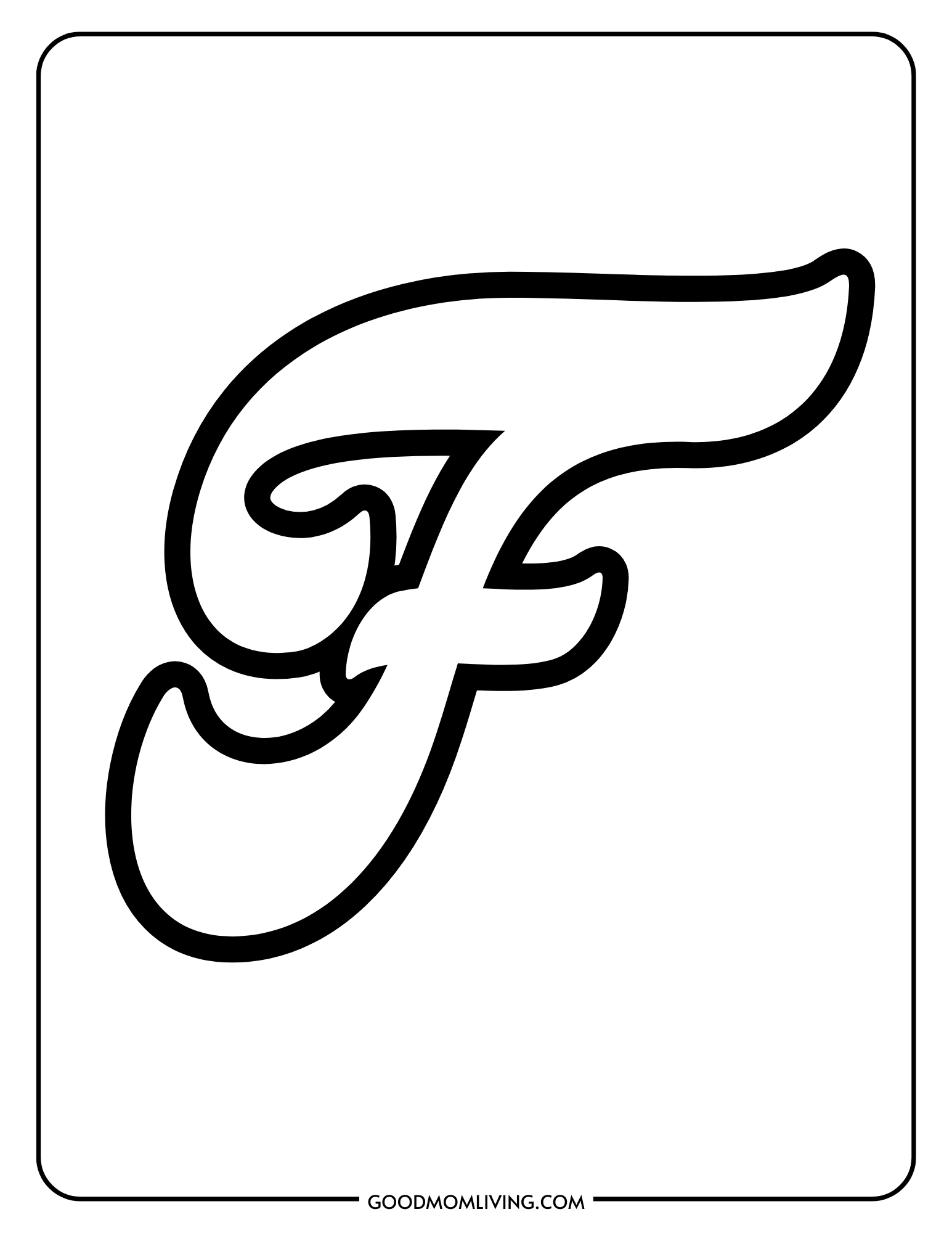
The visual appeal varies wildly. Some designs are bright, engaging, and age-appropriate, while others are dull, overly complex, or just plain ugly. Pay close attention to line thickness and clarity, especially for letter tracing worksheets.

Thicker lines are easier to follow, especially for younger kids. Also, consider the space around the letter—is there room for kids to add their own creative touches?
Reality Check: Expectations vs. Experience
Many of these letter printables fall short of their potential. Some have tiny, hard-to-read text or confusing instructions. Others are poorly formatted, with cut-off margins or awkward page breaks. And while some designs are cute, they may not hold a child's interest for long. It's a fine line between educational and entertaining.

In my experience, finding the right letter F printable is a bit of a lottery. You'll need patience and a keen eye to sort the wheat from the chaff. But with the right tools and a bit of DIY spirit, these resources can be a fun, effective way to support early literacy skills.