




Letter Z Worksheets Template Overview
Learning to read and write is an exciting journey for kids, but it can also be a challenging one. As parents and educators, we often look for fun and effective ways to support their literacy skills. That's where worksheets for and come in handy! These practical tools can make a world of difference in helping young learners grasp concepts like letter recognition and sight words. For instance, take a look at these sight word the worksheet resources for kindergarteners, which offer a fun and engaging way to practice.
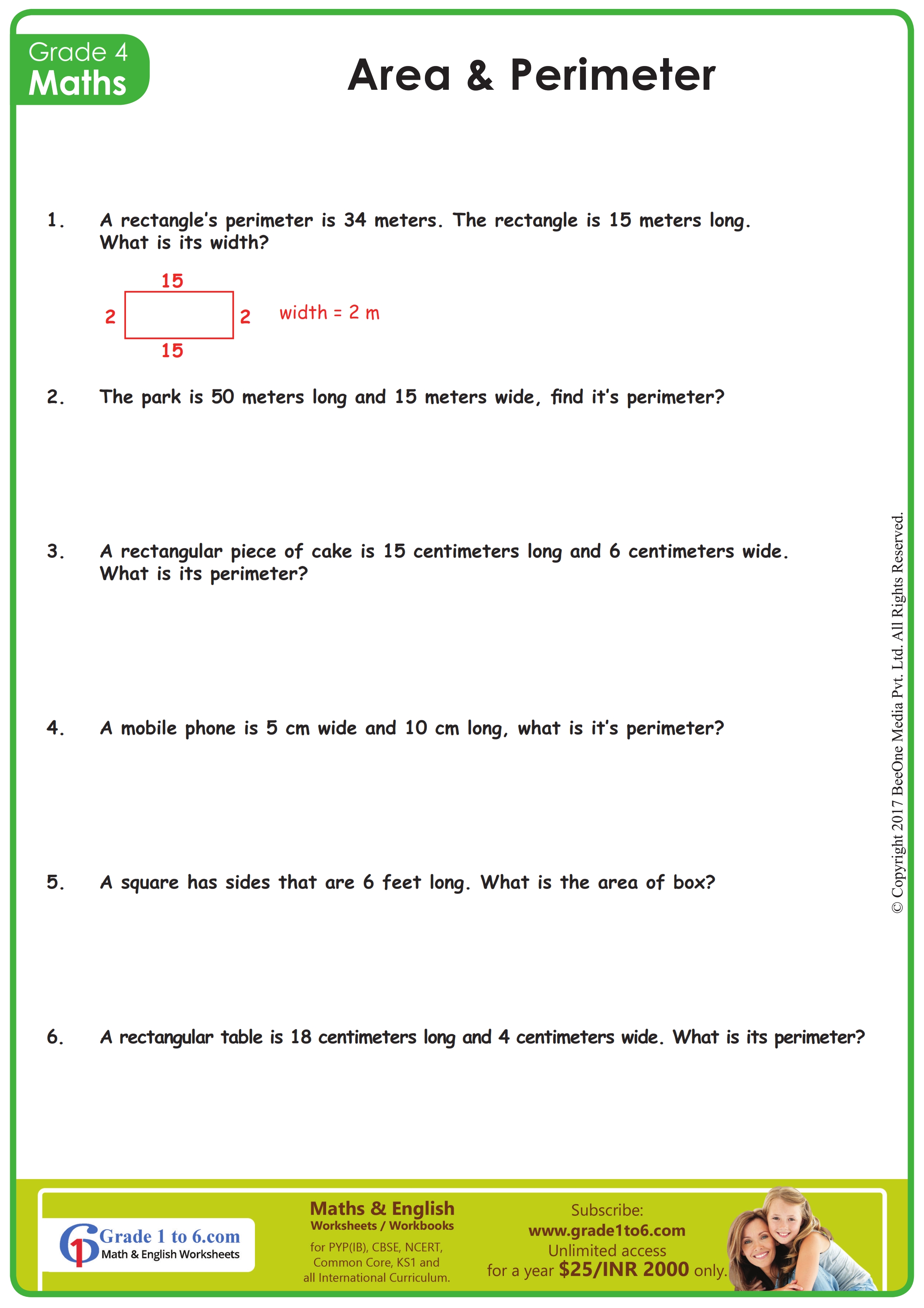
Addition practice for third graders.
Developing Early Literacy: The Power of "And" Worksheets
When it comes to fostering early literacy skills in young learners, worksheets for and are an invaluable resource. These worksheets focus on a fundamental concept: understanding and using the conjunction "and" in sentences. By providing a structured and engaging practice platform, these worksheets empower kids to develop their language skills and enhance their overall literacy journey.
Multiplication and division exercises.
Join and Match: Exploring Different "And" Worksheet Types
Worksheet for and offers a diverse range of activities to cater to different learning styles and skill levels. From simple matching exercises to more complex sentence construction tasks, these worksheets provide a progressive learning experience. For instance, beginners can start with basic worksheets with letter a that introduce the concept of "and" as a joining word. As they progress, they can move on to sight word the worksheet kindergarten resources, which encourage them to recognize and use "and" in context. These worksheets often include engaging visuals and interactive elements to make learning fun and memorable.
Rounding numbers, a basic skill.
People Also Ask: What's the Purpose of "And" Worksheets?
A common curiosity among parents and educators is understanding the specific role of "and" worksheets in early literacy development. These worksheets serve as a crucial tool to reinforce the concept of conjunction, specifically the use of "and" to join words, phrases, or clauses. By practicing with these worksheets, kids develop their understanding of sentence structure, improve their vocabulary, and enhance their overall language skills. The interactive nature of these worksheets makes learning an enjoyable experience, encouraging kids to explore and experiment with language.
Feelings and emotions for kids.
Plan and Execute: Using "And" Worksheets Effectively
When it comes to utilizing worksheet for and, there are several practical considerations to ensure an effective learning experience. Firstly, choose worksheets that align with the child's age and skill level. For instance, sight word the worksheet free resources are excellent for kindergarteners who are just beginning to grasp sight words and sentence construction. Secondly, consider the learning environment. Worksheet for and can be seamlessly integrated into classroom practice, homeschooling sessions, or even as a fun activity during tutoring sessions. Additionally, ensure that the worksheets are easily accessible and printable, allowing for flexibility in learning.
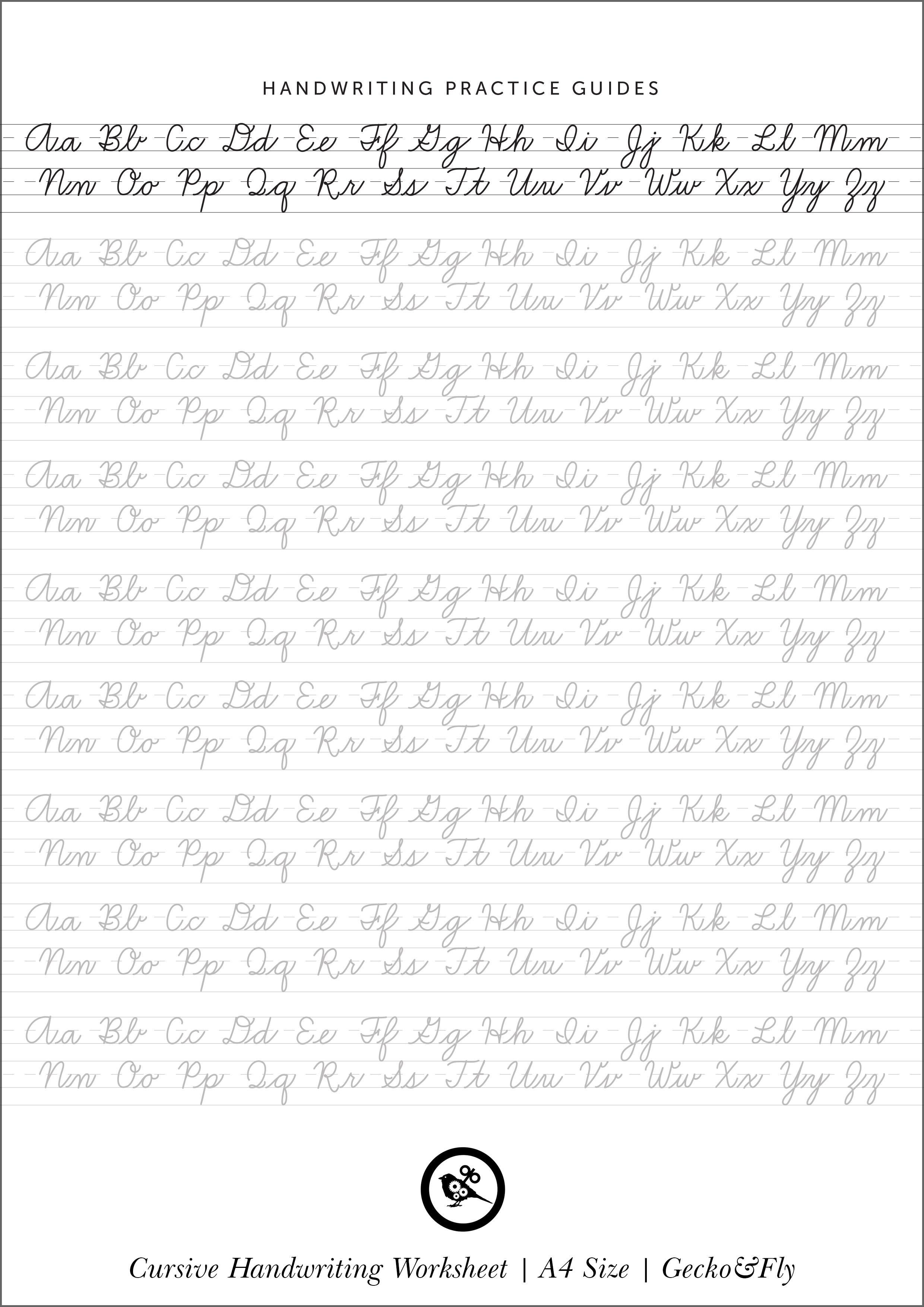
Letter H recognition and writing.
Connect and Create: The Benefits of "And" Practice
Engaging with worksheet for and offers numerous advantages for young learners. Firstly, it encourages critical thinking and creativity. As kids construct sentences using "and," they learn to make meaningful connections between words and ideas. This process enhances their cognitive abilities and fosters a deeper understanding of language. Secondly, these worksheets provide a structured yet flexible learning environment. Kids can work at their own pace, reinforcing their understanding of "and" in a non-intimidating manner. Furthermore, the interactive nature of these worksheets often includes fun elements like coloring, cutting, and pasting, making learning an enjoyable and memorable experience.
Tens and ones identification.
By incorporating worksheet for and into early literacy education, parents and educators can empower kids to develop their language skills in a fun and engaging way. These worksheets serve as a valuable tool, offering a progressive learning journey that caters to different skill levels and learning styles. With their focus on the conjunction "and," these resources play a crucial role in building a strong foundation for language development.
Farm animals and their habitats.
Insects, a fun printable collection.
Sight words for kindergarteners.
Alphabet with animals, a fun way to learn.
Coordinate geometry, a challenging proof.
Basic addition and subtraction for grade 1.
So, there you have it! Worksheets centered around the little word "and" can be a powerful tool to enhance a child's language development. It's amazing how such a simple conjunction can open up a world of expressive possibilities.
Why not give these worksheets a go and see the magic unfold? It's a fun and effective way to boost your child's literacy skills. Feel free to leave a comment and share your experiences with us; we'd love to hear how these worksheets have helped your little ones!
Fun activities for preschoolers.
Read also: 22 Cat Pumpkin Carving Stencil Ideas
Related: 22 Kindergarten Pattern Worksheets to Try
Patterns are an essential part of early learning, and it's amazing how quickly kids pick up on them! As a parent or teacher, finding the right resources to reinforce these skills can be a challenge. That's why kindergarten worksheets on patterns are such a handy tool. They provide a structured way to practice and identify patterns, which is a crucial step in early math and logic development. With so many options, from simple patterns for kindergarten to more complex ones, these worksheets are a great way to keep learning fun and engaging.
Free printable pattern matching worksheets
Patterns: A Fundamental Building Block
Kindergarten worksheets on patterns are an excellent tool for introducing young learners to the concept of patterns and helping them develop their logical thinking skills. By engaging with these worksheets, children can explore and understand the fundamental building blocks of pattern recognition, which is a crucial skill for their mathematical and cognitive development.
Matching patterns with algorithms, a fun challenge
Visualizing Patterns with Colors and Shapes
One of the most engaging aspects of kindergarten worksheets on patterns is their focus on visual repetition. These worksheets often use colors and shapes to create simple patterns, allowing children to identify and continue series. For example, a worksheet might present a sequence of colored shapes, such as a red circle, blue square, red circle, and ask the child to identify the pattern and choose the correct shape to complete the sequence. This activity helps children develop their visual discrimination skills and understand the concept of repetition and order.
Spelling patterns, a creative approach for young learners
Who Benefits from Pattern Worksheets?
Kindergarten worksheets on patterns are designed for young learners, typically in the early years of education, such as preschool or kindergarten. However, they can also be beneficial for slightly older children who need a refresher or additional practice with pattern recognition. These worksheets are a great resource for parents who homeschool their children, as they provide a structured and engaging way to reinforce pattern skills at home. Additionally, teachers can use pattern worksheets as a fun classroom activity or as a tool for assessing students' understanding of patterns.
Writing practice with pattern-based prompts
How Do Patterns Relate to Real-World Learning?
A common question that arises is how pattern recognition relates to real-world learning and everyday situations. The ability to identify patterns is a fundamental skill that extends beyond the classroom. For instance, children can apply their pattern recognition skills when sorting and organizing objects, such as toys or clothes. They can also use patterns to predict outcomes, like understanding the days of the week or recognizing seasonal changes. Pattern worksheets for kindergarten printable resources are a great way to bridge the gap between abstract concepts and practical, everyday applications.
Reading comprehension, a fun pattern-filled adventure
How Can Parents and Teachers Use These Worksheets?
Using kindergarten worksheets on patterns is straightforward and can be adapted to different learning environments. For parents, these worksheets are easily accessible online or can be printed from various educational websites. Parents can choose worksheets based on their child's age and skill level, starting with simple patterns for kindergarten and gradually progressing to more complex patterns. Tutors and teachers can also utilize these worksheets as part of their lesson plans, either as a whole-class activity or for individual practice. The versatility of pattern worksheets makes them a valuable resource for educators.
A-B pattern worksheets, a classic for kindergartners
Printing and Practicing with Pattern Worksheets
When it comes to printing and using kindergarten worksheets on patterns, there are a few practical considerations. Firstly, ensure that you have a good-quality printer to produce clear and legible worksheets. It's also beneficial to have a variety of writing utensils, such as colored pencils or markers, to make the activity more engaging for children. Additionally, consider laminating the worksheets to make them reusable and more durable, especially if you plan to use them with multiple children or for extended practice sessions.
Exploring patterns, a creative worksheet for kids
Progression and Challenge in Pattern Worksheets
Kindergarten worksheets on patterns offer a progressive learning experience, allowing children to build upon their skills and gradually tackle more complex patterns. As children master simple patterns, they can move on to continue series that involve number patterns or more intricate visual repetitions. This progression ensures that children are constantly challenged and motivated to explore patterns in greater depth. Educators can also customize the difficulty level by choosing worksheets that align with the child's current understanding and learning pace.
Before and after, a simple pattern exercise
Benefits of Pattern Practice for Early Learners
Engaging with kindergarten worksheets on patterns provides numerous benefits for early learners. Firstly, it helps develop their fine motor skills as they practice writing, drawing, or coloring within the worksheets. Additionally, pattern recognition enhances their problem-solving abilities and critical thinking, as they learn to analyze and predict sequences. This skill transfer translates into other areas of learning, such as mathematics and language, where pattern recognition plays a significant role. By incorporating pattern worksheets into their learning journey, children can develop a strong foundation for future academic success.
Body part pattern recognition, a unique activity
A Fun and Engaging Learning Experience
Lastly, kindergarten worksheets on patterns offer a fun and engaging learning experience for children. The use of colors, shapes, and visual repetition makes pattern recognition an enjoyable activity. Children can explore and create their own patterns, fostering their creativity and imagination. With the right resources and a bit of guidance, pattern worksheets can be a valuable tool for parents, teachers, and tutors to enhance early learning and make it an exciting adventure for young minds.
Math patterns, a visual guide for preschoolers
A Stepping Stone to Mathematical Proficiency
As children progress through their educational journey, the skills they develop through pattern recognition will serve as a solid foundation for more complex mathematical concepts. The ability to identify patterns and understand visual and numerical sequences is an essential prerequisite for advanced mathematical thinking. By starting early with kindergarten worksheets on patterns, educators and parents can lay the groundwork for a strong mathematical foundation, ensuring that children are well-prepared for future learning challenges.
Free printable activities, including pattern worksheets
Nursery pattern activity, a hands-on learning experience
Patterns are an exciting gateway to a world of discovery for little learners. By encouraging pattern recognition, we're not just teaching kids about sequences and repetitions; we're fostering their ability to think logically and creatively. So, why not give it a go? Print out some worksheets, and let's see how your child's pattern-finding skills blossom. And remember, every child learns at their own pace, so embrace the process and have fun with it! Leave a comment or share your experience below; we'd love to hear how your little ones are enjoying their pattern adventures.
Pattern recognition practice for kindergarten
Read also: 30 Addition Worksheets for Grade 1
Related: 21 Phonics Worksheets for Kg
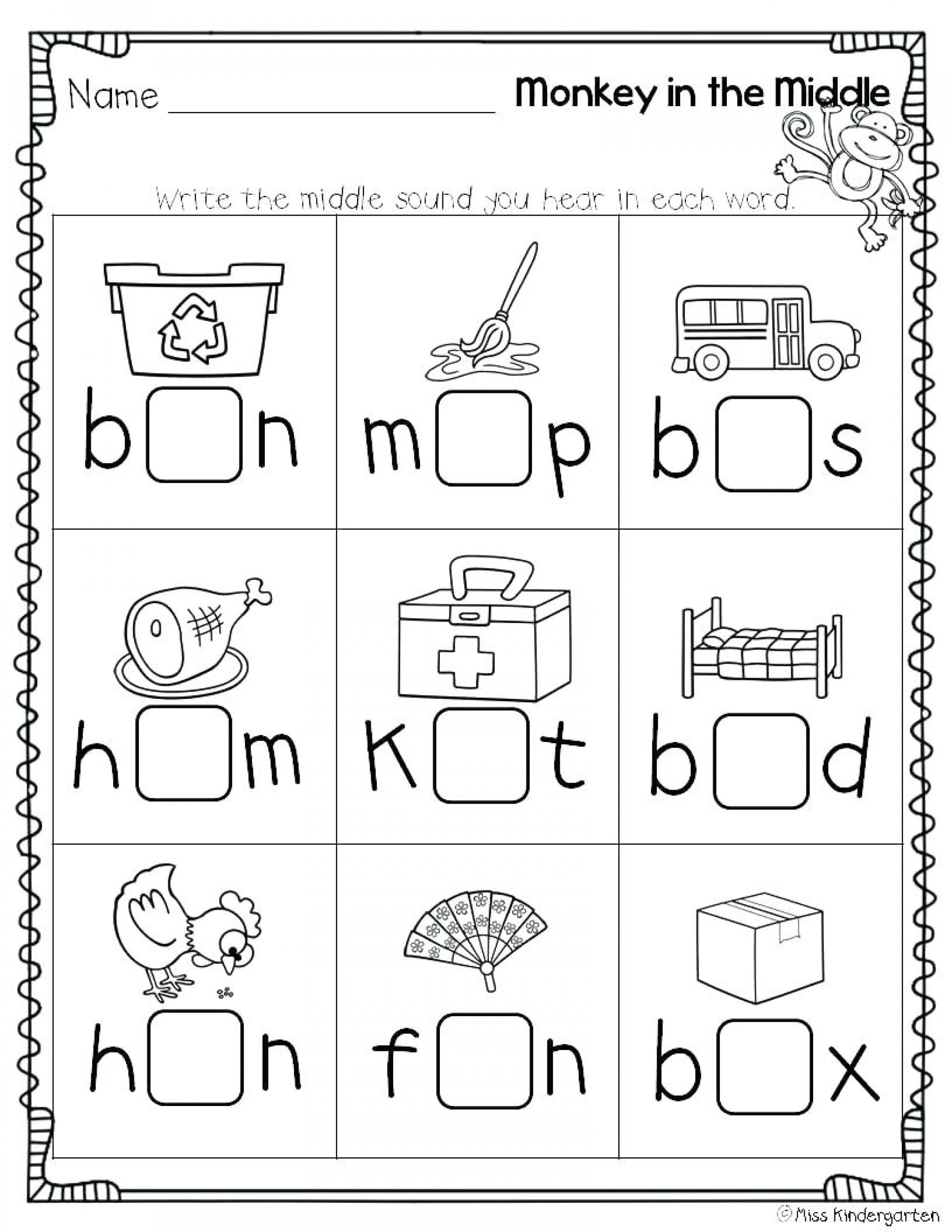
As a parent, I'm always on the lookout for fun and engaging ways to help my little ones learn. Phonics worksheets for kg are a great resource for early readers, offering a structured way to practice phonics skills. These worksheets are a handy tool for parents and teachers alike, providing an easy way to reinforce learning at home or in the classroom. Oh, and if you're looking for more practice, we've got free phonics for kindergarten resources, including this one for fractions: 12 Easy Fractions Worksheets for Adding and Subtracting.
Printable phonics activities for young learners.
Phonics Worksheets: A Fun Way to Learn Letter-Sound Connections
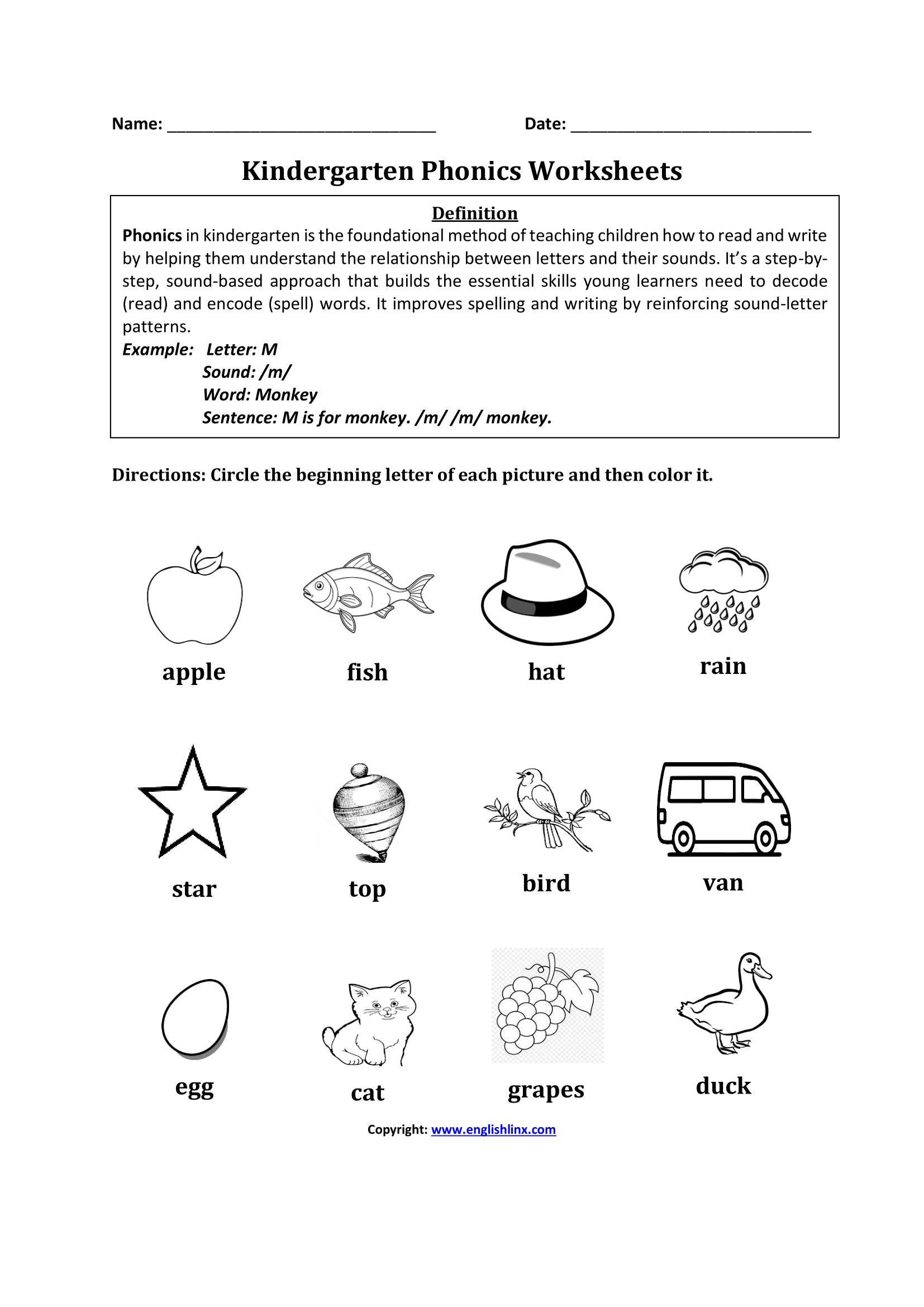
Phonics worksheets are an excellent tool for young learners, offering a structured and engaging approach to mastering the building blocks of reading. These worksheets focus on the relationship between letters and the sounds they represent, a fundamental skill for early readers. By providing a variety of activities and exercises, phonics worksheets help children practice and reinforce their understanding of letter-sound connections, an essential step towards becoming confident and independent readers.
Free phonics printables for beginners.
Exploring Different Phonics Worksheet Types and Skills
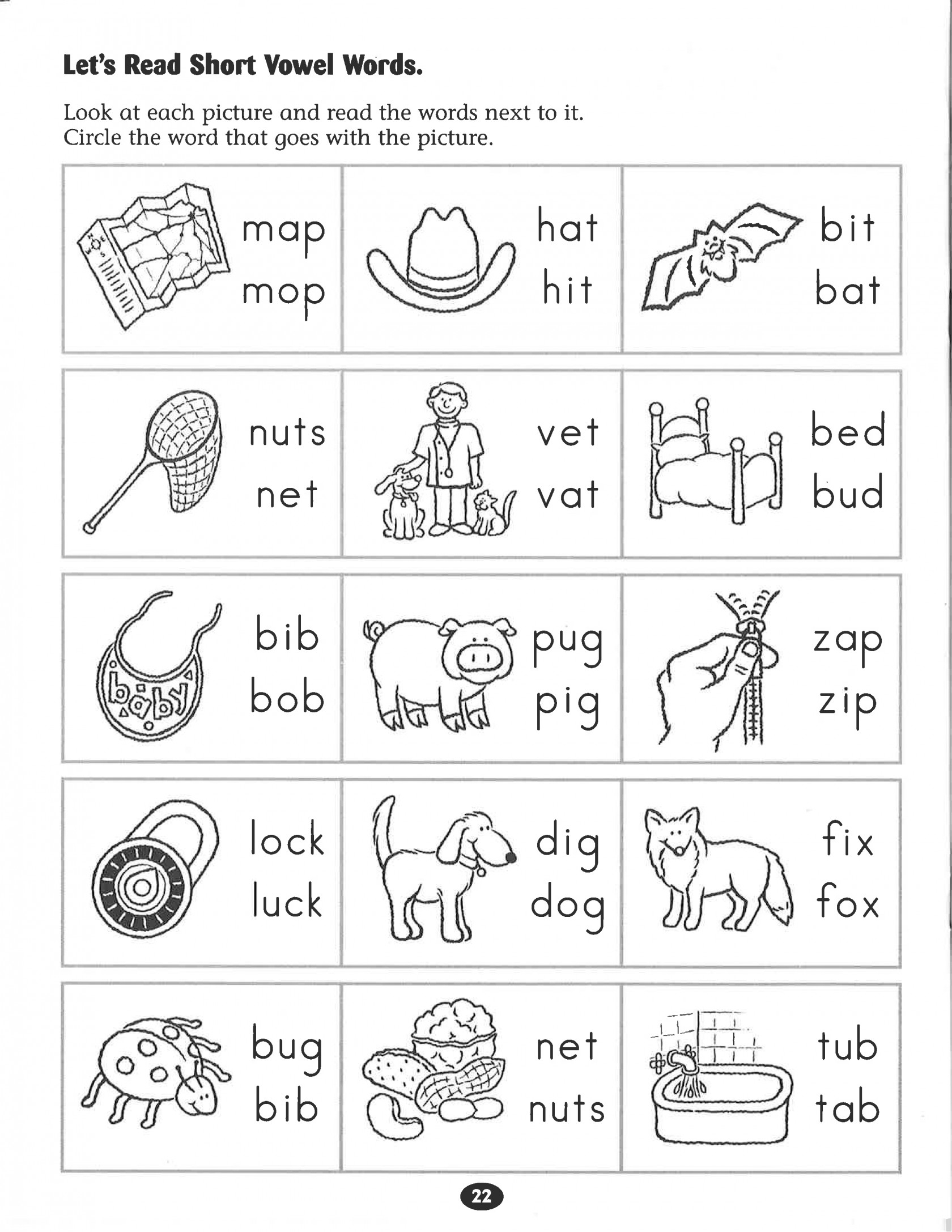
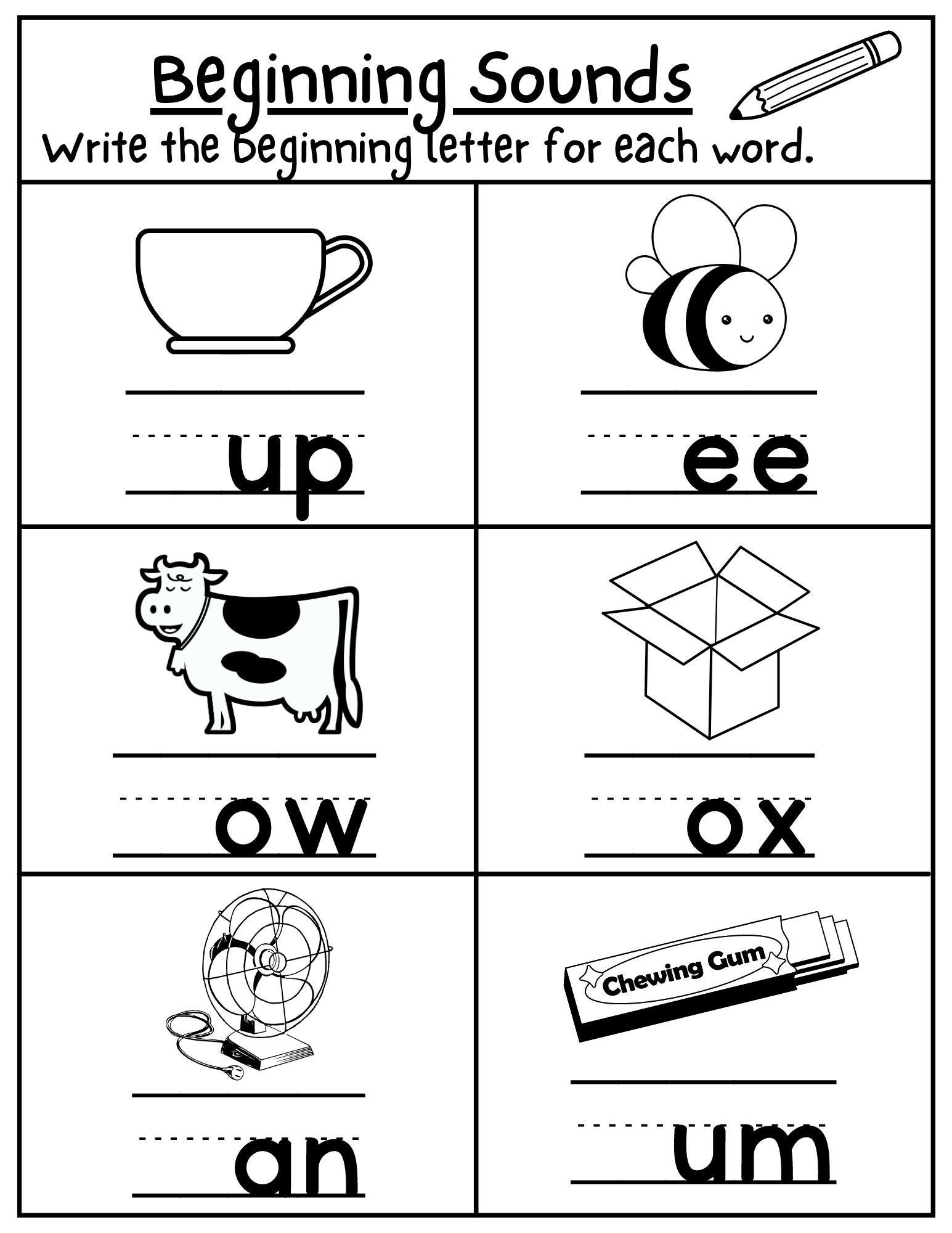
When it comes to phonics worksheets, there's a diverse range of activities and formats to choose from, catering to different learning styles and skill levels. For instance, some worksheets may focus on identifying and writing individual letters, helping children recognize the visual representation of each sound. Others might introduce simple words, encouraging children to blend letter sounds together to read and write basic words. This progressive approach builds a solid foundation for more complex reading skills.
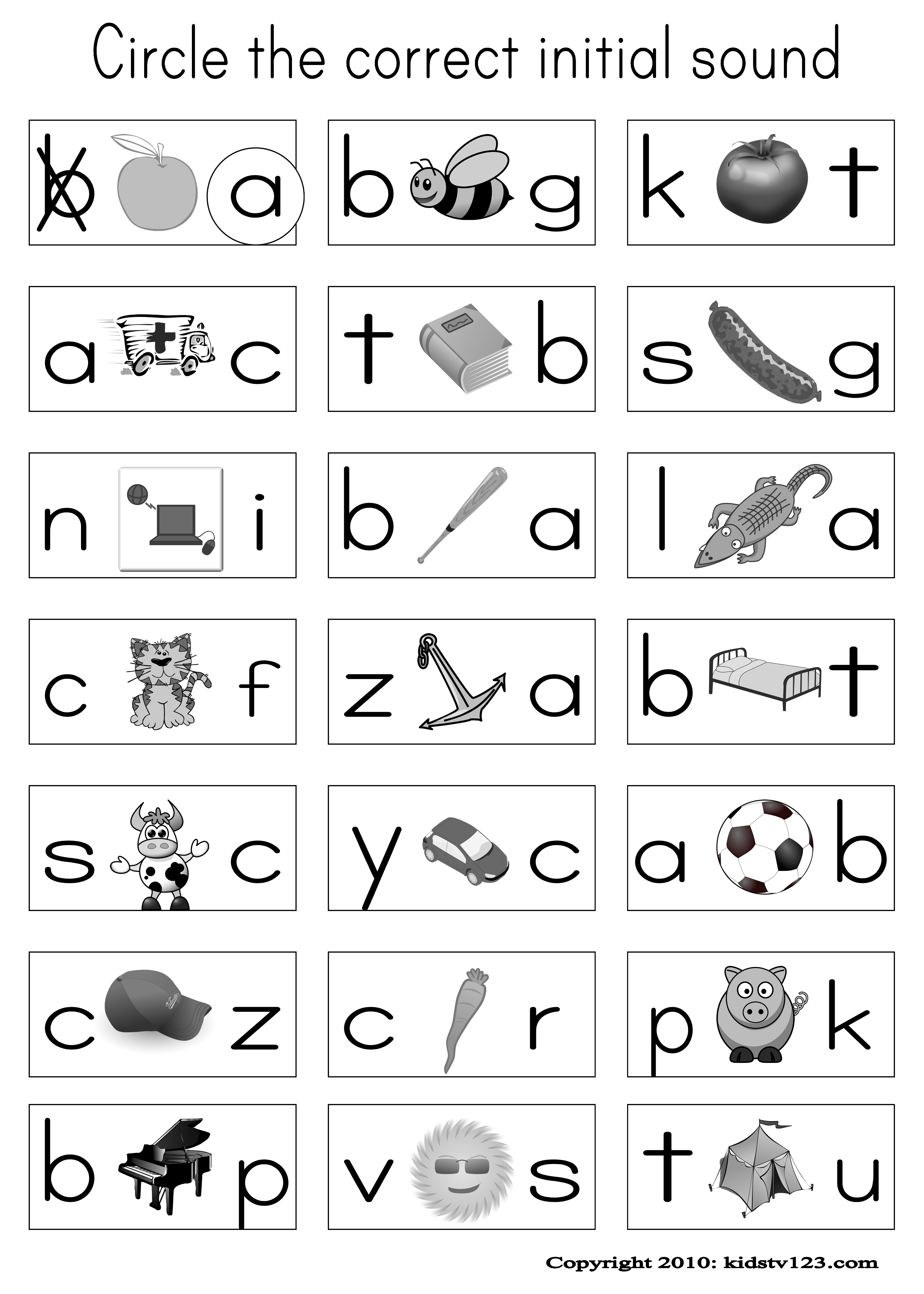
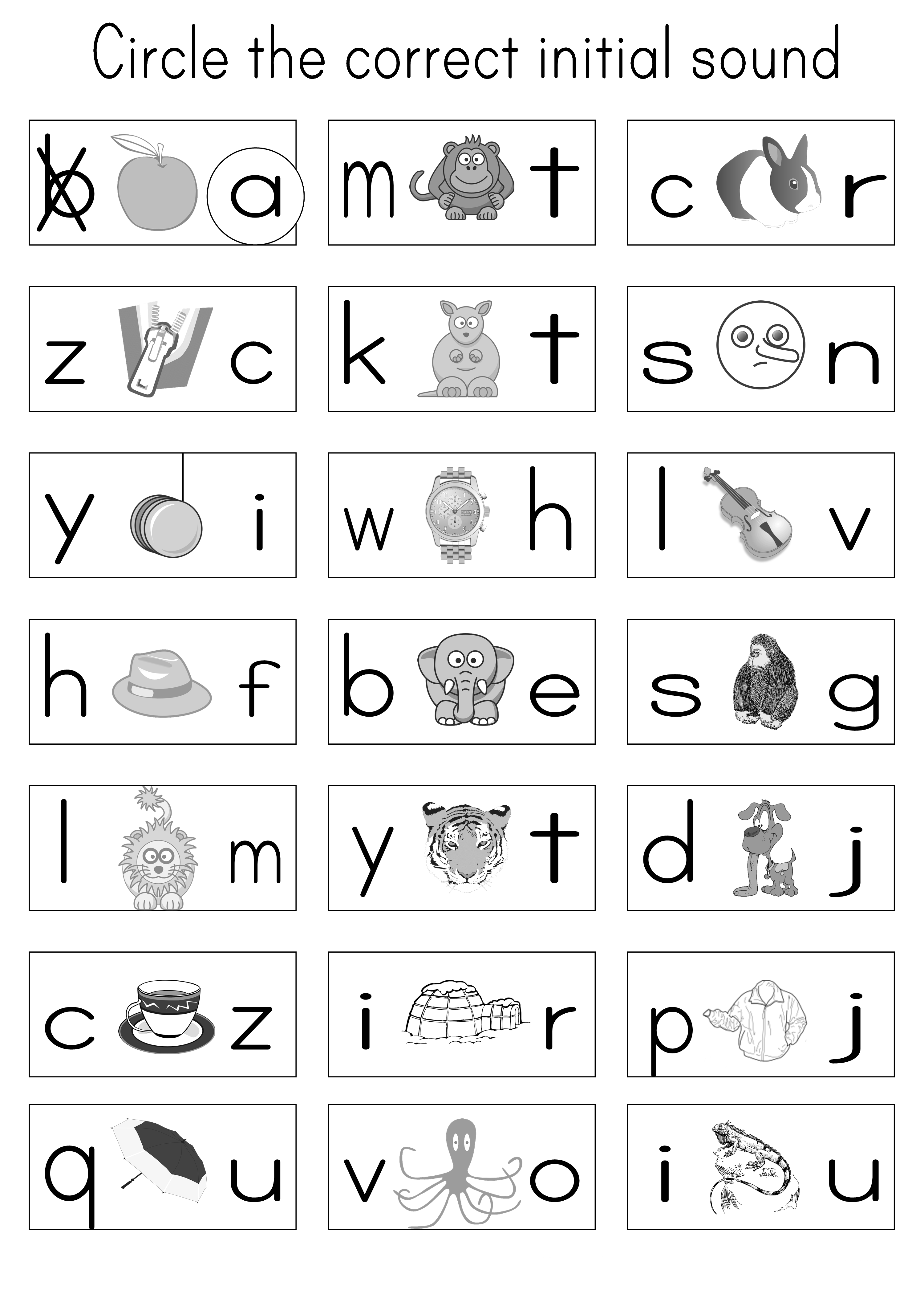
Cut and match beginning sounds.
Additionally, phonics worksheets often incorporate fun and interactive elements to keep children engaged. Colorful pictures, matching games, and creative themes can make learning phonics an enjoyable experience. For instance, a worksheet might feature a fun scavenger hunt activity, where children search for and identify words or pictures that begin with a specific sound. This not only reinforces phonics skills but also adds an element of excitement to the learning process.
Phonics coloring fun for KG.
People Also Ask: What Age Group Benefits from Phonics Worksheets?
Phonics worksheets are particularly beneficial for children in the early stages of their reading journey, typically starting around kindergarten or the first grade. This is when children are first introduced to the concept of letter-sound correspondence and begin to build their foundational reading skills. By providing targeted practice and reinforcement, phonics worksheets support these young learners as they develop their phonemic awareness and decoding abilities.
Free phonics worksheets for KG.
However, it's important to note that phonics worksheets can also be a valuable resource for older students who may be struggling with reading or need additional practice. In these cases, the worksheets can serve as a remedial tool, helping students catch up with their peers and build their confidence in reading. The structured and focused nature of phonics worksheets makes them an effective resource for targeted intervention and support.
KG phonics practice with pins.
How to Use Phonics Worksheets Effectively: Tips and Tricks
To make the most of phonics worksheets, it's essential to consider a few practical tips. Firstly, ensure that the worksheets are age-appropriate and aligned with the child's current reading level. This ensures that the activities are neither too easy nor too challenging, providing an optimal learning experience. Additionally, consider the child's interests and preferences when selecting worksheets. Incorporating familiar themes or characters can make the learning process more enjoyable and engaging.
Phonics exercises for kindergarten.
When using phonics worksheets, it's beneficial to create a dedicated learning space. This could be a quiet area at home or a designated corner in the classroom. Having a consistent and comfortable learning environment helps children focus and associate that space with focused learning. Furthermore, consider incorporating hands-on elements alongside the worksheets. For instance, using letter magnets or manipulatives can provide a tactile experience, reinforcing the letter-sound connections in a multi-sensory way.
Printable phonics worksheets for all.
Building Reading Confidence: The Power of Phonics Practice
Regular practice with phonics worksheets can have a significant impact on a child's reading journey. By consistently reinforcing letter-sound relationships, children develop a strong foundation for reading and writing. This practice not only improves their decoding skills but also boosts their confidence as they begin to recognize and understand more complex words and texts.
20 worksheets for beginning sounds.
Furthermore, phonics worksheets can be a valuable tool for parents and educators to track a child's progress. By observing how a child interacts with and completes the worksheets, it's possible to identify areas of strength and weakness. This information can then be used to tailor future learning experiences, ensuring that the child receives targeted support and guidance where needed. In this way, phonics worksheets become a powerful tool for personalized learning and growth.
Free phonics resources for KG.
As children progress through their phonics journey, the worksheets can gradually increase in complexity, introducing more advanced concepts and skills. This progressive approach ensures that children are continually challenged and engaged, building their reading abilities step by step. With consistent practice and a variety of engaging worksheets, children can develop a strong and lasting love for reading, setting them up for success in their academic and personal lives.
Printable phonics sheet for KG.
Beginning sounds worksheet for KG.
Phonics worksheets are a fantastic resource to have in your teaching toolkit. They offer a fun and interactive way to reinforce those all-important letter-sound connections, which are the foundation of reading. So, why not give them a go?
Print out a few worksheets, gather your little learners, and see the magic unfold. It's a great way to keep the learning process exciting and engaging. Leave a comment or share your experience below; we'd love to hear how these worksheets have helped your kids master their phonics!
Ch digraph practice for kindergarten.
Read also: 31 Mario Pumpkin Carving Stencils