





Money Practice Worksheets: Mastering the Art of Financial Literacy
Money practice worksheets are an invaluable resource for anyone looking to enhance their financial literacy skills. These worksheets offer a structured and engaging approach to learning about money, covering a range of topics from basic currency recognition to more complex budgeting exercises. By providing a hands-on and interactive learning experience, money practice worksheets cater to different learning styles and help solidify financial concepts in a fun and memorable way.
Counting money for all skill levels
Coin Recognition Sheets and Currency Counting Tasks
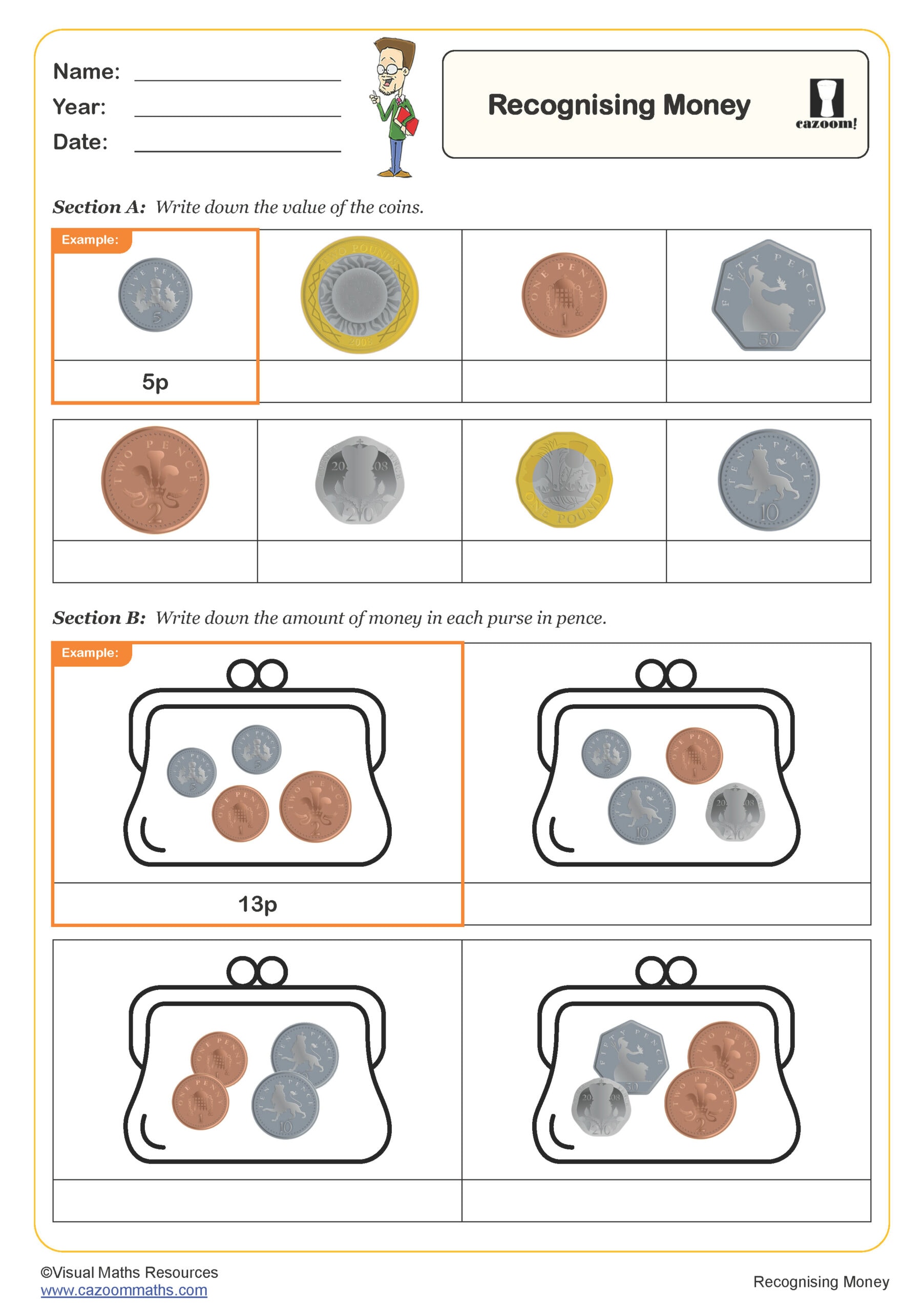
One of the fundamental aspects of financial literacy is recognizing and understanding different currencies. Coin recognition sheets are an excellent starting point for young learners, helping them identify and differentiate between various coins and their values. These sheets often feature colorful illustrations and simple exercises, making it an enjoyable learning experience.
Practice counting coins for 3rd graders
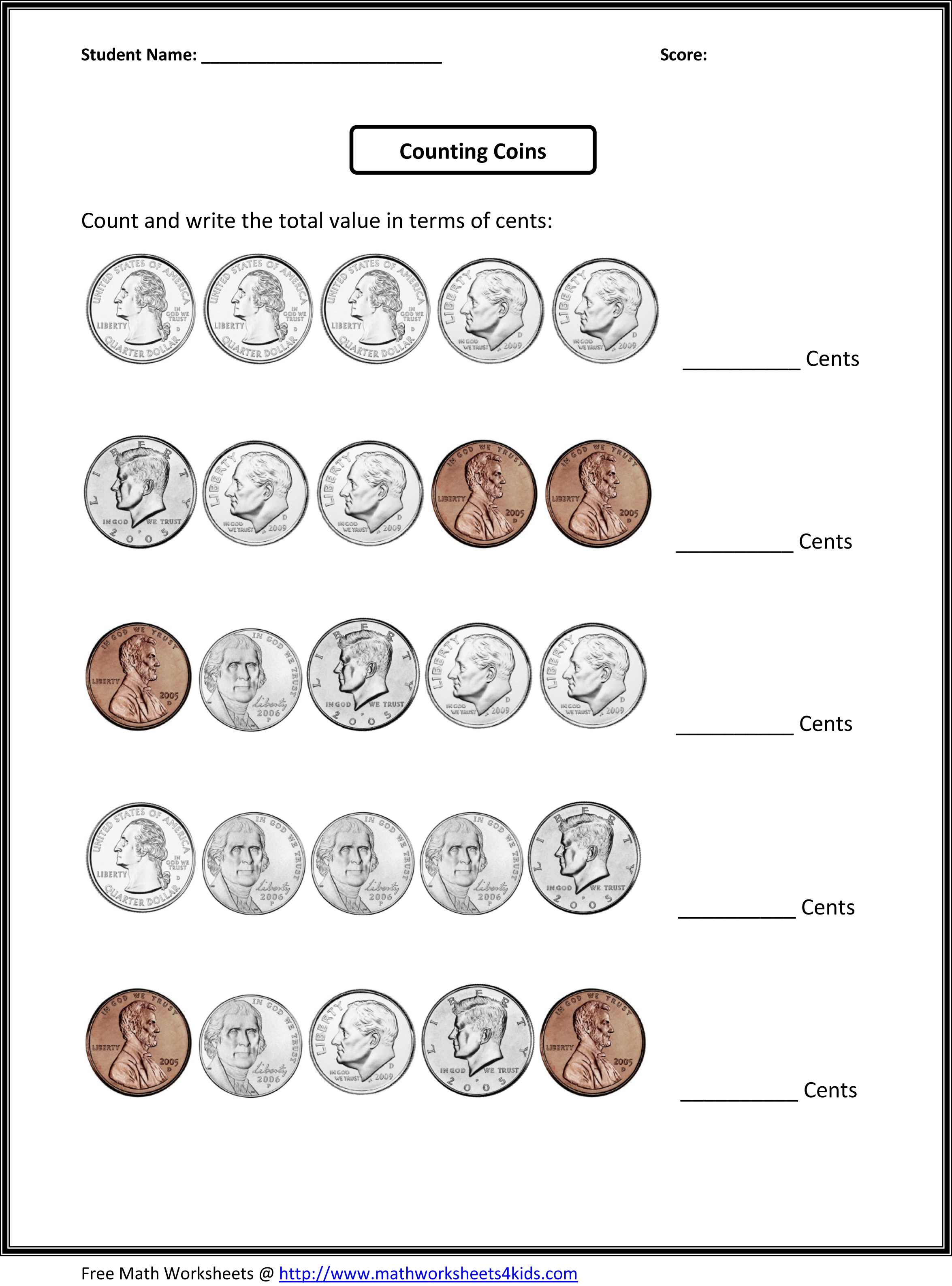
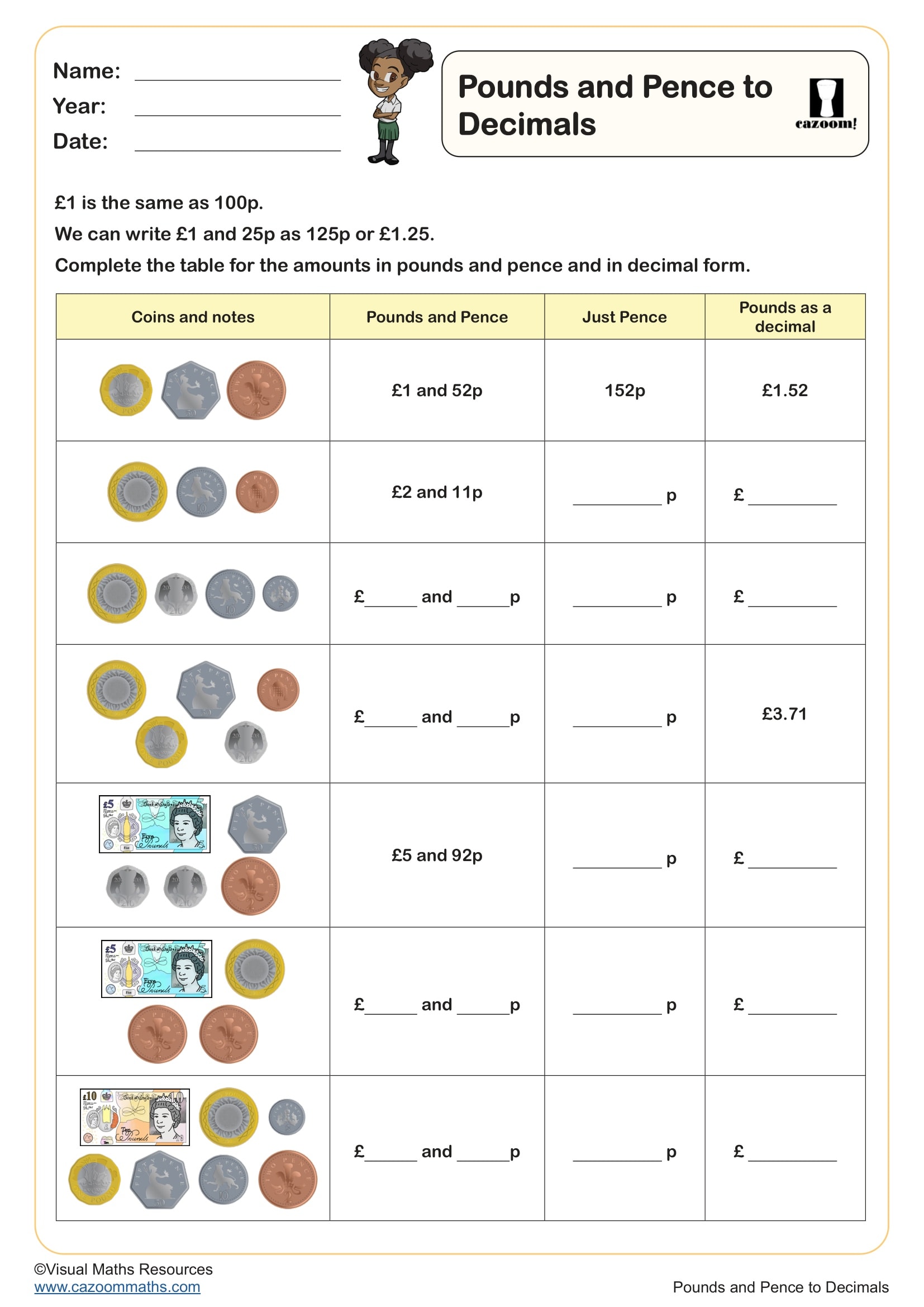
As learners progress, currency counting tasks become an essential part of their financial education. These worksheets introduce the concept of adding up different denominations of coins and bills to calculate the total amount. By practicing these tasks, learners develop their mathematical skills and gain a deeper understanding of monetary values.
Money writing practice for 1st grade
Practice Money Problems: From Basic to Advanced
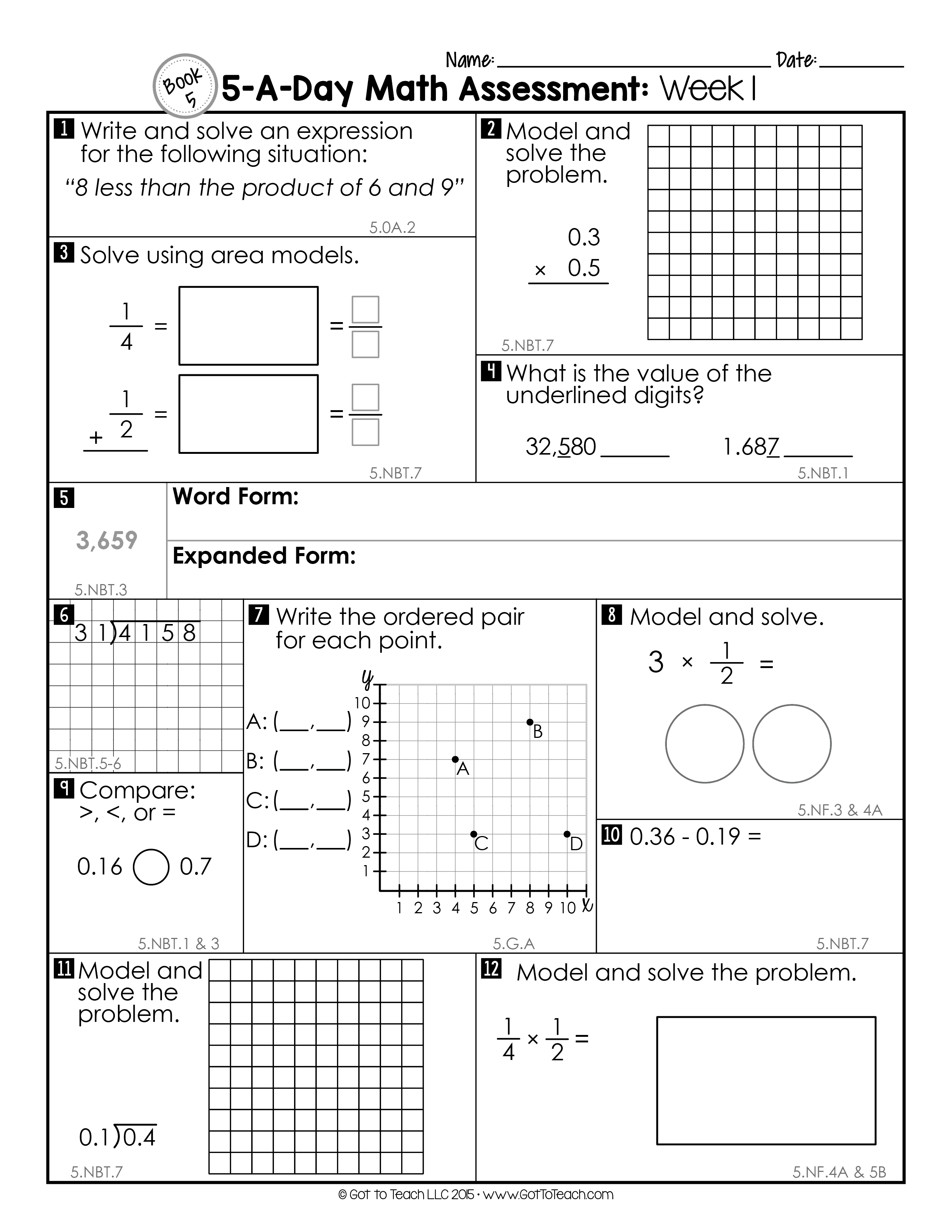
Money practice worksheets offer a progressive learning journey, starting with simple addition and subtraction problems involving money. These worksheets often use real-life scenarios, such as calculating the cost of items at a store or splitting a bill, to make learning relevant and engaging. As learners advance, the worksheets introduce more complex problems, including multiplication and division of money amounts, percentage calculations, and even simple interest concepts.
Learn to identify and count money
The progression from basic to advanced money problems ensures that learners can build a strong foundation and gradually tackle more challenging financial concepts. This structured approach allows for a smooth transition and helps learners apply their skills to real-life situations.
Count coins with this free printable
People Also Ask: What Age Group Benefits from Money Practice Worksheets?
Money practice worksheets are versatile and can be tailored to different age groups and learning levels. While they are commonly used for elementary and middle school students, they can also be beneficial for older learners who are looking to improve their financial literacy skills. The beauty of these worksheets lies in their adaptability, allowing educators and parents to choose the appropriate level of difficulty based on the learner's needs.
KS1 money basics for years 1-2
For younger children, the focus may be on recognizing coins and understanding basic money values. As they grow older, the worksheets can introduce more complex concepts, such as budgeting, saving, and investing, preparing them for financial responsibilities in adulthood.
Compare and contrast money amounts
How to Use Money Practice Worksheets Effectively
To make the most of money practice worksheets, it's important to consider a few practical aspects. Firstly, ensure that you have a suitable printer and access to the necessary materials, such as colored pencils or markers, to make the learning experience enjoyable.
KS2 money worksheets with answers
When using these worksheets, it's beneficial to create a dedicated learning space, whether it's a classroom, homeschool environment, or a quiet corner at home. This helps learners stay focused and engaged. Additionally, consider incorporating interactive elements, such as using real coins or play money, to bring the worksheets to life and make learning more tangible.
Free money practice sheet download
Financial Literacy Games: Making Learning Fun
One of the most effective ways to engage learners and reinforce financial literacy concepts is through games. Financial literacy games, often incorporated into money practice worksheets, add an element of excitement and competition. These games can be played individually or in groups, fostering a collaborative learning environment.
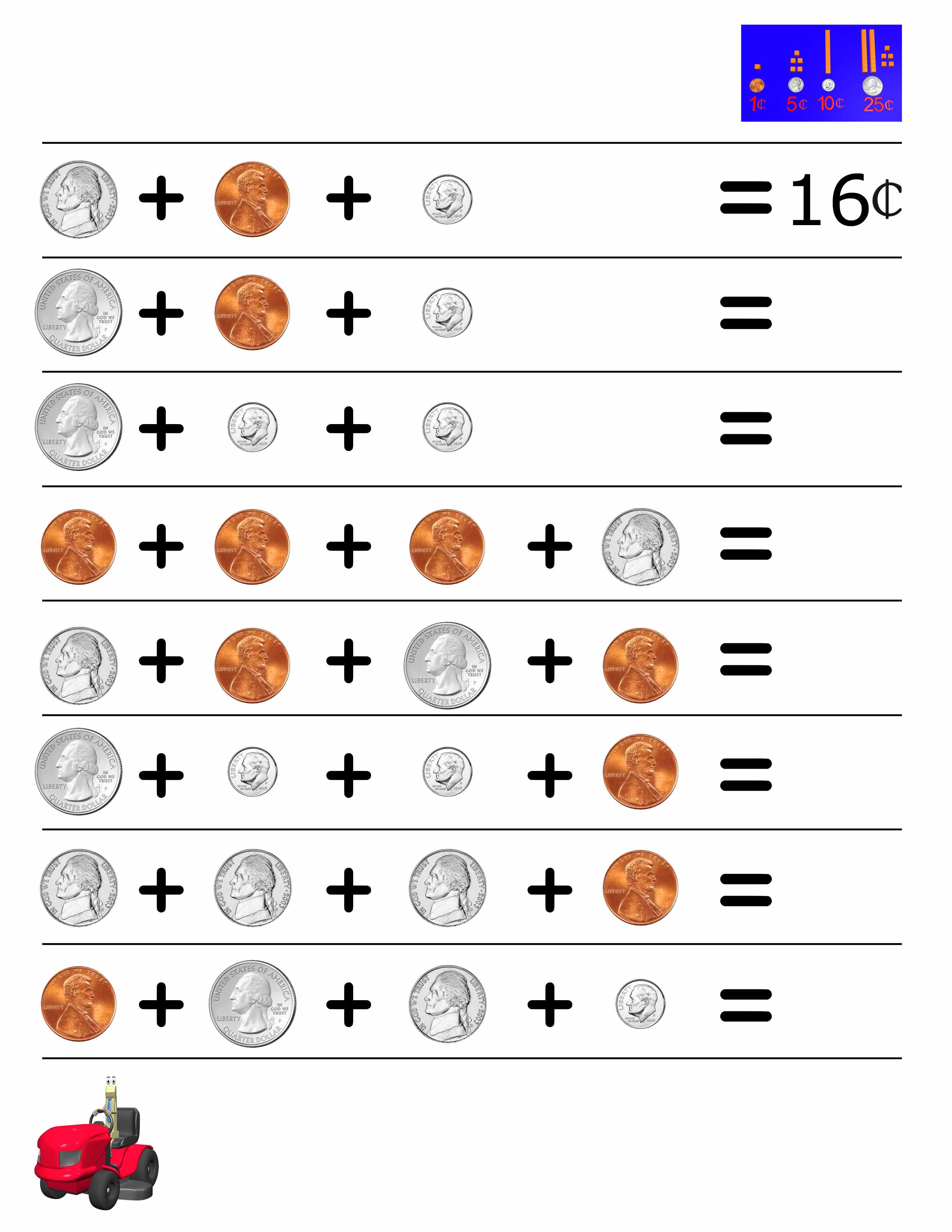
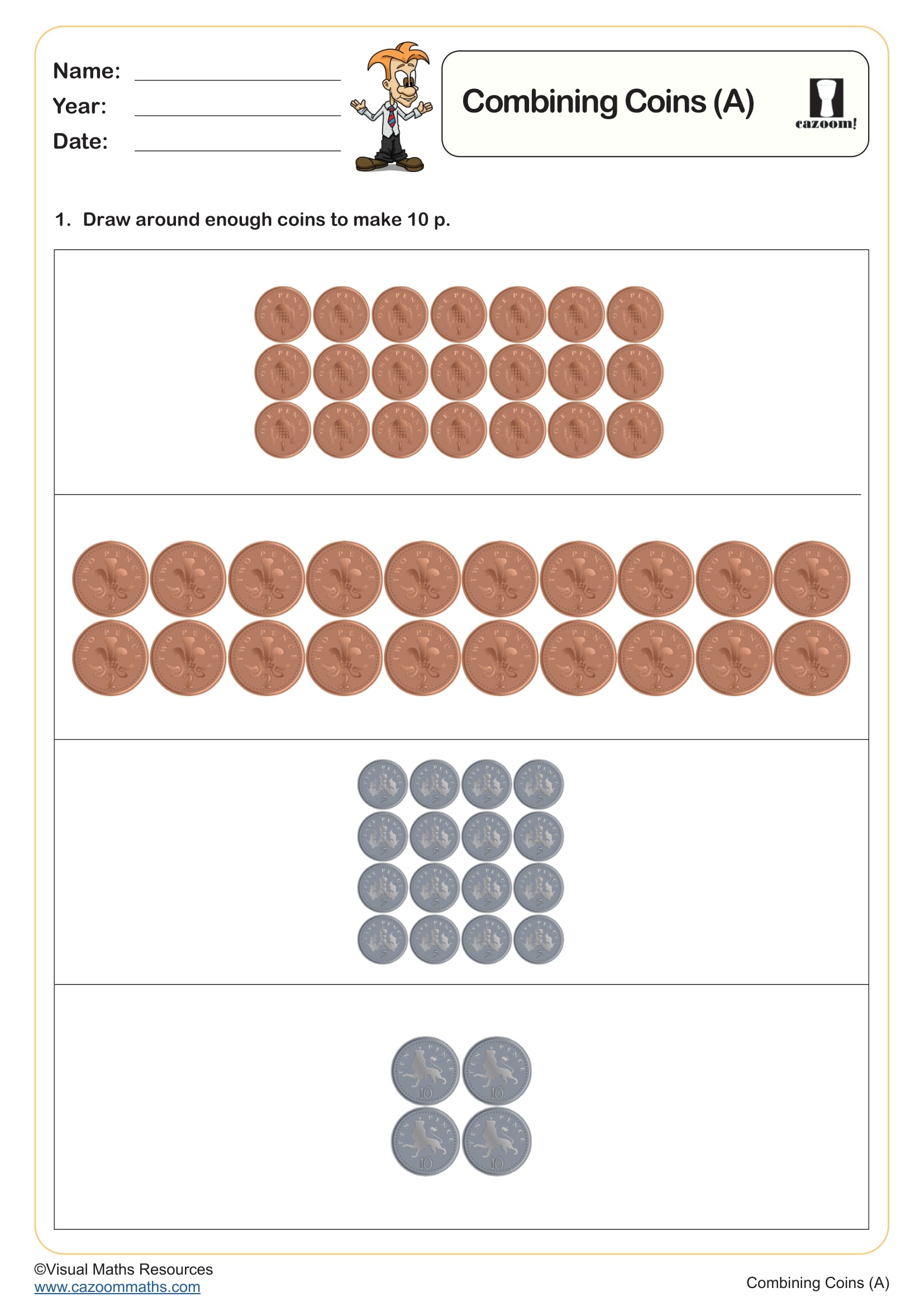
Combine coins to make amounts
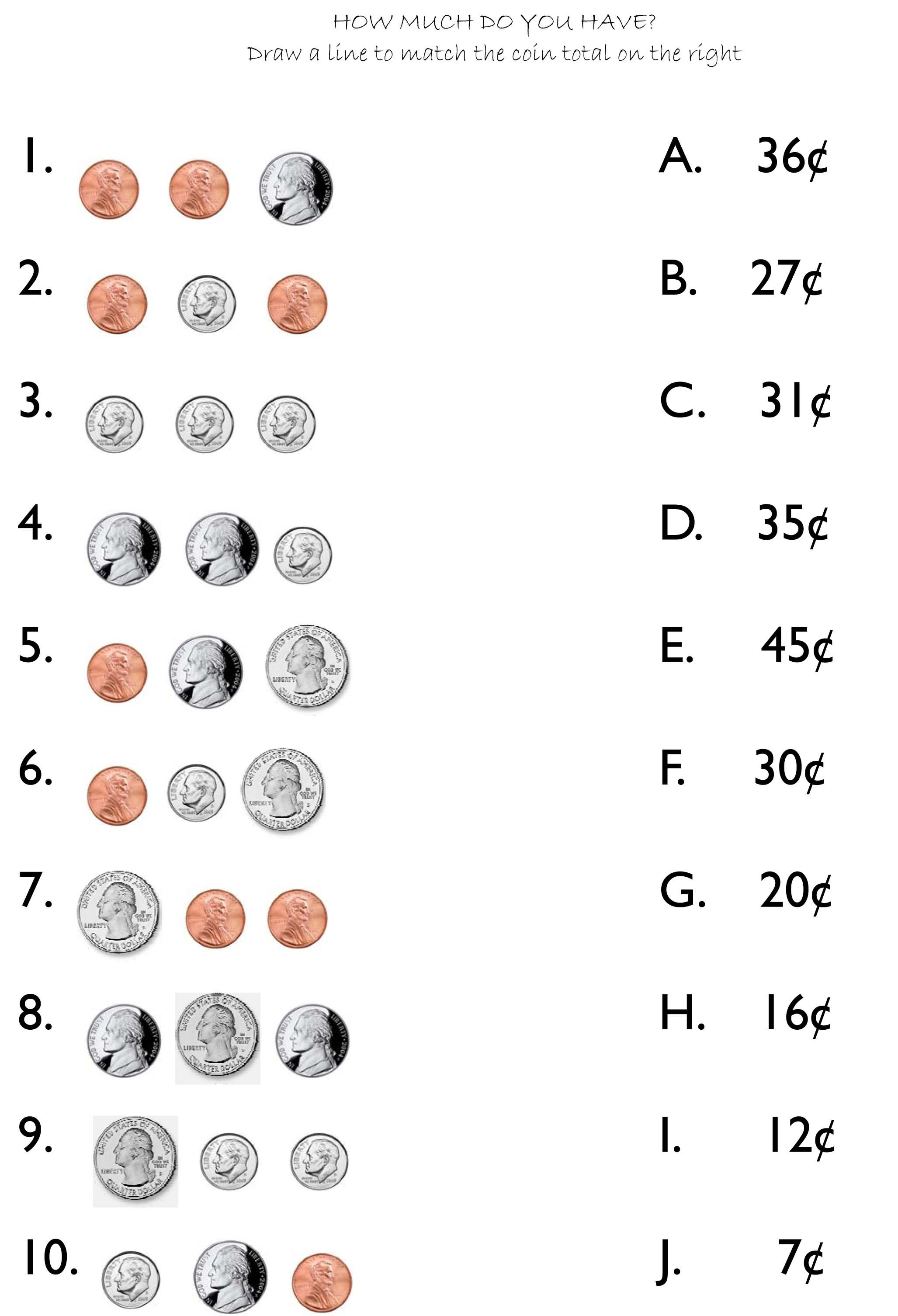
For example, a popular game often featured in money practice worksheets is "Monetary Value Puzzles." This game involves matching different currency amounts with their corresponding values, encouraging learners to think critically and apply their knowledge. By incorporating games into the learning process, educators and parents can make financial literacy an enjoyable and memorable experience.
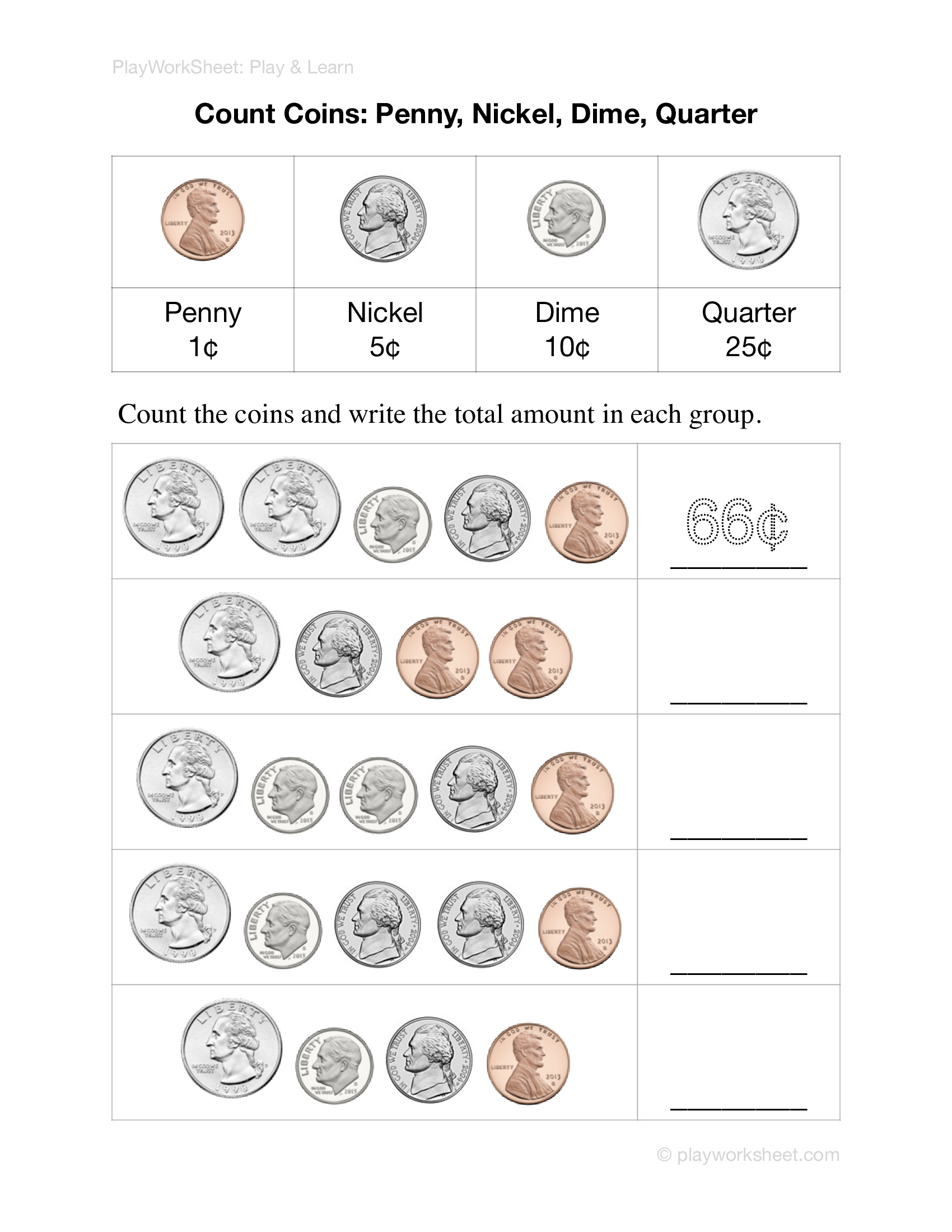
Count cents with different coins
In conclusion, money practice worksheets are a powerful tool for teaching financial literacy, offering a structured and engaging approach to learning about money. From coin recognition to budgeting exercises, these worksheets cater to different learning levels and provide a progressive learning journey. By incorporating interactive elements and financial literacy games, learners can develop a strong foundation in financial concepts, preparing them for a financially responsible future.