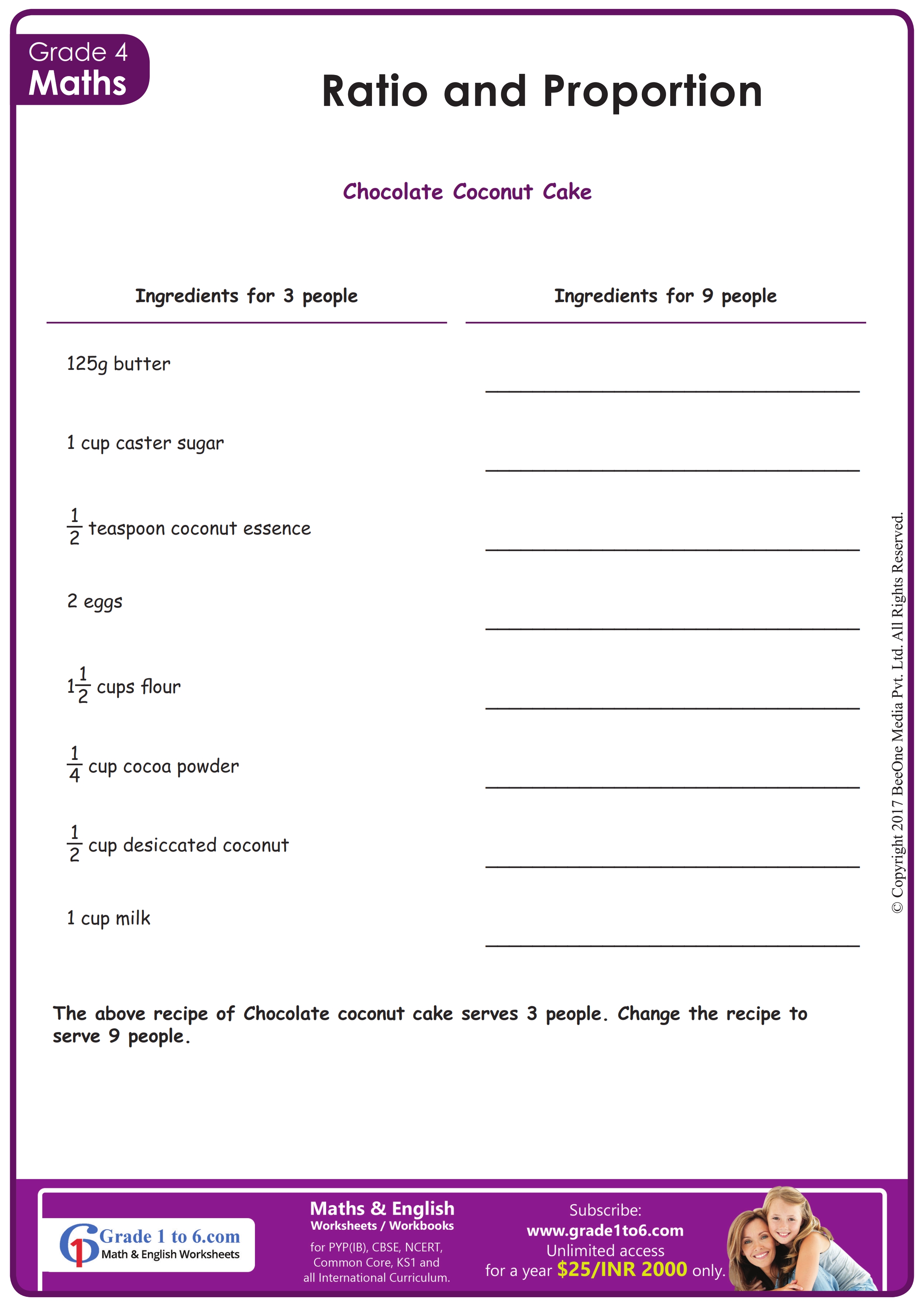
Multiply By 2 Worksheet Grade 1 Overview
Learning to tell the time can be a tricky business, especially for young kids. It's a skill that often requires plenty of practice, and that's where resources like the clock worksheet come in handy. These worksheets are a great way to reinforce time-telling skills, and they can be a fun and engaging activity for kids to do independently or with a little guidance. I mean, who doesn't love a good printable resource, especially when it's free and easily accessible, like the clock worksheets free printable options out there?
Practice with analog clock worksheets.
Telling Time with Precision: The Ultimate Practice Companion
Clock worksheets are an excellent resource for mastering the art of telling time. These worksheets provide a structured and engaging way for learners to grasp the concept of time, an essential life skill. By offering a range of activities and exercises, clock worksheets cater to different learning styles and levels, making them a versatile tool for educators and parents alike.
Time management, a matching game.
Unlocking Analog and Digital Time: A Comprehensive Approach
One of the standout features of clock worksheets is their ability to cover both analog and digital time formats. This comprehensive approach ensures that learners not only understand how to read a traditional clock face but also become familiar with digital time displays, a skill that is increasingly relevant in our digital age. Worksheets often include exercises that involve matching analog and digital times, reinforcing the connection between the two formats.
Learn to tell time, free.
For younger learners, such as those in kindergarten or grade 1, clock worksheets can start with the basics. These worksheets might introduce the concept of time through simple activities like identifying the hour and minute hands on a clock face, gradually progressing to more complex tasks like reading the time to the nearest five minutes or understanding the concept of half-past. As learners advance, worksheets can introduce challenges like reading time to the nearest minute, converting between analog and digital formats, and even solving word problems involving time intervals.
How to read an analog clock.
People Also Ask: How Do Clock Worksheets Support Learning?
Clock worksheets offer a multitude of benefits for learners of all ages. One of the key advantages is their ability to provide a structured and progressive learning experience. Worksheets often start with simpler tasks, gradually increasing in difficulty as learners gain confidence and proficiency. This step-by-step approach ensures that learners build a solid foundation before moving on to more complex concepts.
Kids practice telling time.
Another advantage of clock worksheets is their versatility. They can be used in various educational settings, including classrooms, homeschooling environments, and even as supplementary resources for tutoring sessions. Teachers and parents can easily incorporate these worksheets into their lesson plans, providing a consistent and focused practice routine for learners. Additionally, clock worksheets often come with clear instructions and answer keys, making them accessible and user-friendly for both educators and students.
24-hour clock practice.
How to Make the Most of Clock Worksheets: Practical Tips
When using clock worksheets, it's essential to consider a few practical tips to ensure an effective learning experience. Firstly, choose worksheets that align with the learner's age and grade level. Worksheets designed for older students may be too advanced for younger learners, while those intended for younger students might not provide enough challenge for older learners. It's crucial to find a balance that matches the learner's abilities and ensures a comfortable yet engaging practice session.
Telling time worksheets, free PDF.
Secondly, consider the learner's preferred learning style. Some worksheets might focus more on visual elements, while others might incorporate hands-on activities or word problems. By understanding the learner's preferences, educators and parents can select worksheets that cater to their learning style, making the practice more enjoyable and effective.
Practice worksheets for time.
Finally, create a dedicated practice routine. Consistency is key when it comes to mastering a skill like telling time. Set aside regular practice sessions, whether daily or a few times a week, to reinforce the concepts learned. This routine will help learners internalize the skill and build their confidence in reading and understanding time.
3rd grade, time-telling skills.
Reinforcing Time Concepts: A Fun and Engaging Activity
Clock worksheets can be a fun and interactive way to reinforce time concepts. Many worksheets incorporate colorful graphics, interesting themes, and varied activities to keep learners engaged. From matching games to fill-in-the-blank exercises and even time-themed word searches, these worksheets offer a diverse range of activities to cater to different interests and learning styles.
Printable time activities.
Additionally, clock worksheets can be a valuable tool for independent practice. Learners can work through the worksheets at their own pace, allowing them to focus on areas they find challenging without feeling rushed. This independence can boost their confidence and motivate them to explore more complex time-related concepts.
Grade 1, learning time.
In conclusion, clock worksheets are a versatile and effective resource for mastering the art of telling time. By offering a structured and engaging learning experience, these worksheets cater to a wide range of learners, ensuring that everyone has the opportunity to develop this essential life skill. Whether used in a classroom, at home, or as part of a tutoring session, clock worksheets provide a fun and practical way to reinforce time concepts and build a strong foundation for future learning.
Match the time, school task.
Clock worksheets are a fantastic tool to have in your learning arsenal. They offer a fun and interactive way to learn, and with their versatility, you can tailor the experience to your needs. So, why not give them a go? Print out a few, gather your pens and pencils, and get ready to master the art of telling time. It's a skill that will serve you well, and with these worksheets, it's an enjoyable journey too.
Leave a comment or share your experience below. I'd love to hear how these worksheets have helped you or your little ones grasp the concept of time. It's always great to connect and share our learning adventures!
Telling time, a fun activity.
Read also: 15 Exponent Practice Worksheets
Related: 22 Ten More Ten Less Worksheets to Try
As a parent, I'm always on the lookout for fun and engaging ways to help my kids practice their math skills. And when it comes to addition and subtraction, 10 more 10 less worksheets can be a real lifesaver! These worksheets are a simple yet effective tool, perfect for kids to grasp the concept of adding and subtracting by tens. It's a great way to keep them entertained while learning, and I even know some adults who found them useful for a quick math refresh! If you're looking for more creative ways to practice, check out 10 more or less worksheets and other fun activities; it's a great way to mix things up!
Practice adding one more or less.
Adding and Subtracting: A Fun Math Adventure
10 more ten less worksheets are an excellent resource for reinforcing a fundamental mathematical concept: the ability to add and subtract by tens. This seemingly simple skill is a building block for more complex arithmetic and a crucial step in developing number sense and mental math agility.
Finding ten more or less, a challenge.
These worksheets offer a structured yet engaging way for students to practice and master this skill, making them a valuable tool for teachers, parents, and tutors alike. By providing a focused practice environment, these worksheets ensure students gain confidence and fluency in basic arithmetic, a foundation for more advanced mathematical concepts.
Owhentheyanks.com's ten more, ten less.
Beyond the Basics: Advanced Practice Scenarios
While the core focus of 10 more ten less worksheets is on adding and subtracting by tens, these worksheets can also be a gateway to more complex mathematical thinking. By progressing from simple addition and subtraction to more challenging scenarios, students can develop a deeper understanding of number relationships and patterns.
Use this to find ten more.
For example, worksheets might introduce concepts like finding the difference between two numbers, identifying the missing number in a sequence, or even solving word problems that require adding or subtracting by tens. These advanced practice scenarios help students apply their skills in real-world contexts, fostering a deeper understanding of mathematics.
Ten more or less, a fun activity.
People Also Ask: What Age Group Benefits from These Worksheets?
A common curiosity about 10 more ten less worksheets is the age or grade level for which they are most suitable. While these worksheets are often associated with elementary school mathematics, they can be beneficial for a wider range of learners.
More or less, a KS2 worksheet.
For younger students, typically in grades 1 to 3, these worksheets provide a structured way to introduce and reinforce the concept of adding and subtracting by tens. The visual nature of the worksheets, often featuring number lines or grids, can make abstract mathematical concepts more tangible for young learners.
Writing practice: ten more, ten less.
However, these worksheets can also be useful for older students who need extra practice or a refresher on basic arithmetic skills. In middle school or even high school, students may encounter more complex mathematical concepts that build upon these foundational skills. In these cases, 10 more ten less worksheets can serve as a quick and effective way to review and reinforce basic addition and subtraction, ensuring a solid mathematical foundation.
Free one more, one less worksheets.
How to Choose and Use 10 More Ten Less Worksheets
When selecting 10 more ten less worksheets, it's essential to consider the specific needs and skill level of your students or children. Worksheets should provide an appropriate level of challenge, neither too easy nor too difficult, to ensure effective learning.
Classful's ten more, less activity.
For beginners, start with simple addition and subtraction problems that involve adding or subtracting by tens from single-digit numbers. As students gain confidence and proficiency, progress to more complex problems involving larger numbers or multiple-digit numbers.
Year 3 PDF: ten more, less.
In terms of practical use, these worksheets can be incorporated into various learning environments. In a classroom setting, teachers can use them for whole-class instruction, small group work, or as independent practice. For homeschooling or tutoring, parents or tutors can use these worksheets to supplement their teaching materials and provide targeted practice.
Compare and order numbers worksheet.
When using these worksheets, consider the following tips:
Free printable: ten more, less.
- Ensure students have a solid understanding of place value before introducing these worksheets, as a strong foundation in place value is essential for mastering addition and subtraction by tens.
- Provide clear instructions and examples to ensure students understand the concept and the worksheet format.
- Encourage students to use number lines or hundreds charts as visual aids to support their understanding and problem-solving.
- Offer immediate feedback and guidance to correct mistakes and reinforce correct strategies.
Learning Through Play: Fun Activities for Reinforcement
While 10 more ten less worksheets provide structured practice, it's essential to incorporate fun and engaging activities to reinforce learning and make math enjoyable. Here are some ideas to bring these concepts to life:
- Create a "Number Hunt" game where students search for numbers that are 10 more or 10 less than a given number. This can be done with flashcards, number lines, or even a scavenger hunt around the classroom or home.
- Use manipulatives like base-ten blocks or counting bears to physically represent the concept of adding or subtracting by tens. This tactile approach can make abstract concepts more tangible and engaging.
- Incorporate movement by creating a "Number Line Dance" where students physically move along a number line, jumping or stepping 10 spaces to the left or right to add or subtract by tens.
- For older students, introduce a "Math Mystery" activity where they must solve a series of clues, each involving adding or subtracting by tens, to uncover a secret message or solve a puzzle.
- 12 Multiple Meaning Words Worksheets for Practice can also be a fun way to incorporate language arts into math, as students must decipher the meaning of words based on context, a skill that parallels the interpretation of mathematical concepts.
By incorporating these fun activities into your teaching or learning routine, you can ensure that students not only master the skill of adding and subtracting by tens but also develop a positive association with mathematics, fostering a lifelong love for learning.
Adding and subtracting by tens is an essential skill, and these worksheets provide a fantastic way to master it. They offer a fun and interactive approach, making math an enjoyable adventure.
So, why not give these worksheets a go? Print them out, gather your pencils, and let the math fun begin! It's a great way to build confidence and strengthen those arithmetic skills. Leave a comment and share your thoughts; we'd love to hear how it goes for you and any tips you discover along the way!
Ten more, ten less word problems.
Read also: 11 Answers for Unit 2 Polynomials Worksheet
Related: 12 Tracing Worksheets for Kindergarten
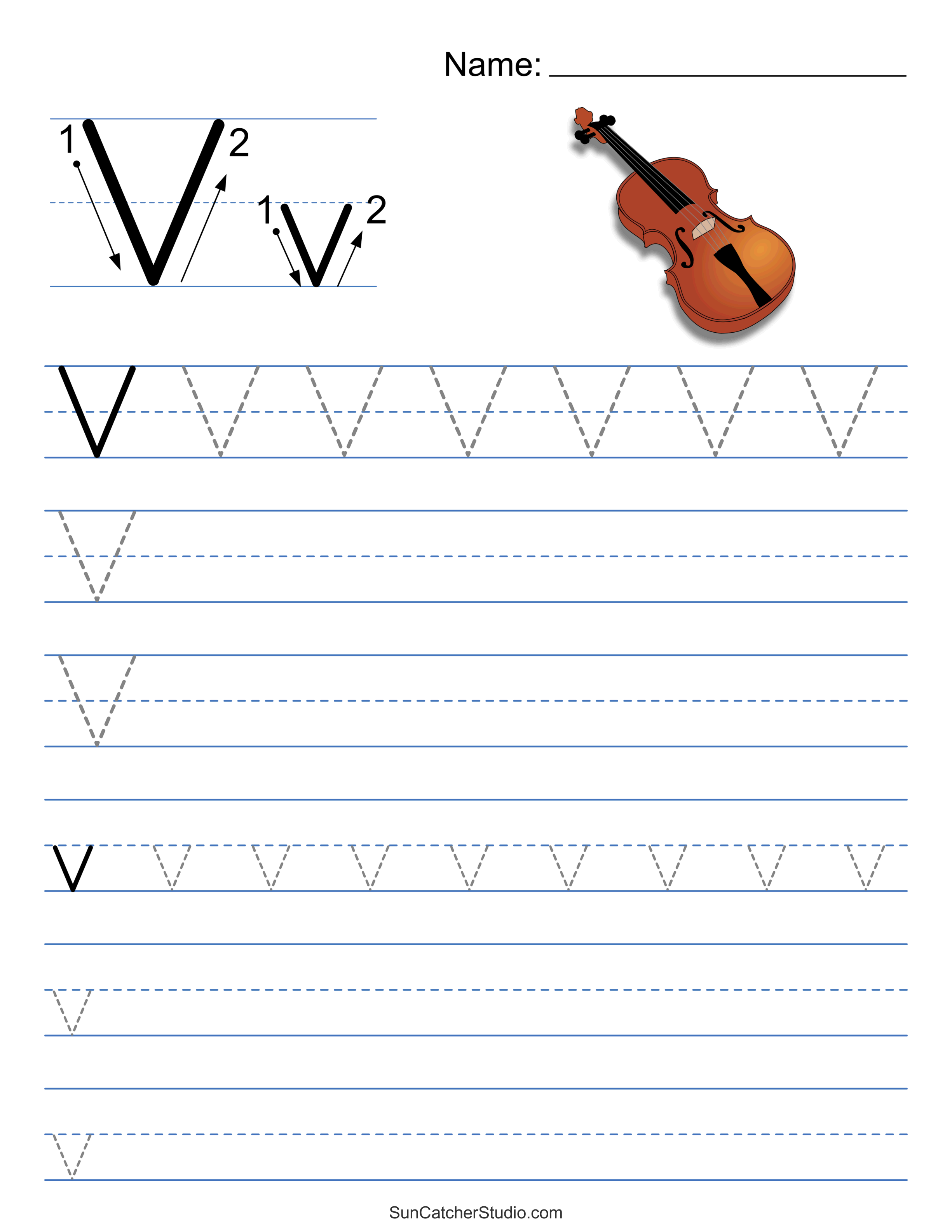
As a parent, I'm always on the lookout for fun and engaging ways to help my kids learn. Tracing worksheets for kindergarten are a great tool to have up my sleeve, especially when it comes to practicing writing skills. These worksheets, like the 18 Printable Worksheets for Tracing Letters, offer a simple and effective way to guide little ones through the process of writing, and they're a lifesaver for keeping kids entertained and learning at the same time!
Free printable shapes for tracing.
Tracing Worksheets: A Fun Way to Develop Fine Motor Skills
Tracing worksheets are an excellent resource for young learners, offering a structured yet engaging approach to developing essential writing skills. These worksheets provide a guided practice space, helping children master the art of forming letters, numbers, and even simple shapes with precision and control.
Slanting line tracing for kids.
One of the key benefits of tracing worksheets is their ability to refine fine motor skills. By following the dotted lines or tracing over existing shapes and letters, children learn to control their pencil grip and movement, a fundamental aspect of early writing development. This practice not only improves their handwriting but also enhances their overall dexterity and coordination.
Alphabet worksheets for early learners.
Beyond Letters: Exploring Shapes and Numbers
While tracing letters is a common and effective activity, these worksheets can offer a broader range of practice. Tracing worksheets for kindergarten often include fun shapes practice, where children can trace and learn to draw basic geometric shapes like circles, squares, and triangles. This not only adds variety to their learning experience but also introduces them to the world of geometry in a simple, enjoyable way.
Uppercase and lowercase letter tracing.
Additionally, tracing numbers worksheets for kindergarten are a fantastic resource for numerical literacy. These worksheets typically feature numbers with dotted outlines, guiding children to trace and eventually write numbers from 1 to 20 or even higher. By practicing with these worksheets, kids not only learn to recognize and write numbers but also develop a foundational understanding of numerical concepts.
Square shape tracing PDF.
How Do Tracing Worksheets Benefit Early Learners?
Many parents and educators wonder about the specific advantages of tracing worksheets for young learners. One of the primary benefits is the development of a solid foundation for handwriting. By repeatedly tracing letters, shapes, and numbers, children learn to form these elements accurately and with confidence. This practice not only improves their handwriting but also boosts their self-esteem as they master a new skill.
Letter C practice worksheet.
Furthermore, tracing worksheets offer a structured yet flexible learning tool. They can be used in various settings, including classrooms, homeschool environments, and even as a fun activity during tutoring sessions. Teachers and parents can easily incorporate these worksheets into lesson plans or use them as a go-to resource for reinforcing writing skills.
Tracing numbers, free printables.
What's the Best Way to Use Tracing Worksheets?
When it comes to utilizing tracing worksheets for kindergarten, there are a few practical considerations to keep in mind. Firstly, ensure that the worksheets are age-appropriate and aligned with the child's current learning level. This ensures that the practice is neither too easy nor too challenging, maintaining a healthy balance of engagement and progress.
Standing line tracing, printable.
Secondly, create a comfortable and distraction-free environment for the child to work in. Encourage them to take their time and focus on the task at hand. Provide positive reinforcement and celebrate their achievements, no matter how small. This fosters a positive attitude towards learning and writing.
Basic shapes tracing activity.
Incorporating Tracing Worksheets into Daily Practice
Integrating tracing worksheets for kindergarten into daily learning routines can be a seamless and enjoyable process. Start by introducing these worksheets gradually, perhaps as a warm-up activity before more complex tasks. You can also use them as a fun break during longer study sessions, offering a change of pace and a chance to practice fine motor skills.
Count and trace preschool worksheet.
For younger children, especially those just beginning their writing journey, it's beneficial to start with simpler tracing activities. Free printable tracing worksheets often offer a range of options, from basic lines and shapes to more complex letter and number formations. As the child's skills improve, you can gradually introduce more challenging worksheets, ensuring a steady progression in their learning.
Tracing lines, printable worksheet.
In conclusion, tracing worksheets for kindergarten are a versatile and effective learning tool, offering a fun and structured approach to developing fine motor skills and handwriting. By providing a guided practice space, these worksheets help young learners master the art of writing, setting them up for success in their educational journey.
Alphabet letters tracing practice.
Tracing worksheets are a fantastic tool to have in your teaching arsenal. They offer a fun and interactive way to enhance those fine motor skills, and with a variety of options available, you can keep the learning experience fresh and exciting for your little ones. So, why not give these worksheets a go and see the magic unfold?
Feel free to leave a comment and share your experiences or any creative ways you've used these worksheets to engage your kindergarteners. We'd love to hear all about it!
Kindergarten number tracing practice.
Read also: 27 Free Combining Like Terms Worksheets Pdf