

Multiplying Integers Worksheet Grade 4 Overview
As a parent, I'm always on the lookout for fun and engaging ways to help my kids practice their math skills. Place value worksheets have been a lifesaver, especially for reinforcing those foundational concepts like tens and ones. It's a simple yet effective tool, and I've even seen some creative place value worksheet tens and ones options that make learning more enjoyable. I recently came across an interesting article about tattoo stencils, How to Choose a 444 Tattoo Stencil, which reminded me of the importance of finding the right resources to make learning stick!
Practice place value with teacher-made resources.
Place Value Worksheets: Building a Strong Mathematical Foundation
Place value is a fundamental concept in mathematics, and it's crucial that students grasp it early on. Place value worksheets are an excellent tool to reinforce this skill, helping students understand the value of digits and how they contribute to the overall number. These worksheets provide a structured way to practice and solidify this essential knowledge, making them a valuable resource for teachers, parents, and tutors alike.
Place value worksheets for beginners.
Base Ten Blocks and Visual Aids: Enhancing Understanding
One of the unique features of place value worksheets is their ability to incorporate visual aids, particularly base ten blocks. These blocks, representing ones, tens, hundreds, and so on, offer a tangible way for students to grasp the concept of place value. By manipulating these blocks, students can physically build numbers and see how the value of each digit changes based on its position. This kinesthetic approach to learning is especially beneficial for visual and tactile learners, making math more engaging and accessible.
Place value worksheets for all grades.
People Also Ask: What Grade Levels Benefit from Place Value Worksheets?
Place value worksheets are versatile and can be tailored to suit a wide range of grade levels. For younger students, such as those in grade 2, the focus is often on understanding the value of tens and ones. Worksheets at this level might involve simple activities like identifying the value of a digit in a given number or practicing writing numbers in expanded form. As students progress to grade 5 and beyond, the worksheets can become more challenging, incorporating decimal places, rounding numbers, and more complex place value concepts.
Place value worksheets for primary school.
How to Choose and Use Place Value Worksheets Effectively
When selecting place value worksheets, it's important to consider the specific needs and skill level of your students. Look for worksheets that offer a good balance of practice and challenge. For instance, if you're working with a group of students at varying levels, you might choose worksheets with different difficulty levels or provide additional support to those who need it.
Printable place value practice for grades.
In terms of usage, these worksheets can be employed in various settings. Teachers can incorporate them into their lesson plans, using them as warm-up activities, homework assignments, or even as part of a larger unit on place value. Homeschooling parents can use them to structure their math curriculum, ensuring their children receive adequate practice. Tutors, too, can benefit from having a collection of place value worksheets to cater to the diverse needs of their students.
Free place value PDF worksheets.
Engaging Activities for Reinforcing Place Value Concepts
Beyond the traditional worksheet format, there are creative ways to reinforce place value concepts. For instance, you could incorporate games or hands-on activities. One idea is to have students create their own place value worksheet tens and ones using construction paper and markers. They can cut out and arrange digits to form numbers, reinforcing their understanding of place value in a fun, interactive way.
One-digit place value practice for first grade.
Additionally, 27 Fun Math Coloring Worksheets for Kids can be a great supplement to place value worksheets, offering a break from traditional pencil-and-paper tasks while still reinforcing mathematical concepts. These coloring worksheets often incorporate place value elements, providing a fun twist on learning.
Place value practice for second graders.
In conclusion, place value worksheets are a versatile and effective tool for building a strong mathematical foundation. By offering structured practice and incorporating visual aids like base ten blocks, these worksheets cater to different learning styles and skill levels. Whether used in the classroom, for homeschooling, or as a tutoring resource, place value worksheets play a vital role in helping students master this essential mathematical concept.
Grade 3 place value worksheet library.
Tens and ones with base ten blocks.
Free place value worksheet for hundreds.
Place value up to 10 million.
Place value is a building block of math, and with these worksheets, students can really get a feel for the power of each digit. It's an exciting way to explore numbers and their values, and I believe it can make a world of difference in a child's understanding.
So, give it a go! Print out a few worksheets, gather the family, and have some fun with numbers. I'd love to hear how it goes for you and your little mathematicians. Leave a comment or share your experience below; I'm keen to know how these worksheets work their magic!
Grade 5 place value practice.
Read also: 22 Unit Circle Worksheet Ideas
Related: 26 Ratio Worksheets for Quick Practice
Learning ratios can be tricky, especially for visual learners. I've found that worksheets with pictures really help to make the concept more tangible. It's like having a visual guide to navigate the world of ratios, and it makes learning so much easier! The worksheet of ratio is a handy tool for anyone wanting to grasp this mathematical concept. It's a simple, practical resource that can benefit students and teachers alike.
Partitive proportion practice for beginners.
Understanding Ratios: A Visual Guide
The concept of ratios is an essential mathematical skill, and it's one that can be made much more accessible with the right tools. The worksheet of ratio is a fantastic resource that helps learners grasp this fundamental idea by providing a structured, visual approach.
Ratio and proportion problems.
Visualizing Ratios: A Powerful Tool
When it comes to learning ratios, visual representation is key. Ratio worksheets with pictures offer a unique way to understand the relationship between quantities. These worksheets often feature colorful graphics, diagrams, and illustrations that make the concept of ratios tangible and engaging. By presenting ratios as visual comparisons, learners can easily identify the part-to-whole relationship and develop a strong foundation for more complex mathematical concepts.
Scale map ratio exercises.
Fractions and Ratios: A Natural Connection
Fractions and ratios are closely related, and worksheets on ratios can also serve as an excellent introduction to understanding fractions. By exploring the concept of equal parts and balanced equations, learners can see how ratios and fractions are interconnected. These worksheets often include activities that involve dividing quantities into equal parts, helping students grasp the idea of fractions as ratios.
Recipes and ratio calculations.
Ratio and Proportion: A Practical Application
The worksheet of ratio is not just a theoretical tool; it has practical applications in various real-world scenarios. Whether it's comparing quantities of ingredients in a recipe, understanding the proportions of a building's design, or even creating art with balanced compositions, ratios play a vital role. By practicing with ratio worksheets, learners can develop the skills to apply this knowledge in everyday situations.
Ratios and proportions synthesis.
People Also Ask: How Do I Choose the Right Worksheet?
With so many options available, it's natural to wonder how to select the most suitable worksheet on ratio. The key lies in matching the worksheet's difficulty level and content to the learner's needs. For beginners, start with simple ratio worksheets that focus on basic concepts and gradually progress to more advanced topics. Consider the learner's age, grade level, and prior knowledge to ensure the worksheet is appropriately challenging and engaging.
Simplifying ratios, fun activity.
How Can I Use the Worksheet Effectively?
Using the worksheet of ratio effectively involves a few practical considerations. First, ensure you have a good-quality printout or digital copy. If using a physical worksheet, consider laminating it for durability, especially if it will be used multiple times. When introducing the worksheet, provide clear instructions and guide the learner through the activities. Encourage them to explain their thought process and reasoning, fostering a deeper understanding of the concept.
Writing ratios, grade 6.
Creating a Balanced Learning Experience
The worksheet of ratio is just one tool in a teacher or parent's toolkit. To create a well-rounded learning experience, it's essential to incorporate other activities and resources. For instance, after completing a worksheet, engage the learner in a practical activity that applies the concept. This could be as simple as setting up a small-scale experiment to compare quantities or creating a visual representation of a real-life scenario that involves ratios. By combining worksheets with hands-on learning, you can reinforce the understanding of ratios and make the learning experience more memorable.
Equivalent ratios, Stacy Boyle's worksheet.
The worksheet of ratio is a versatile and powerful resource that can benefit learners of all ages. Whether used in a classroom, homeschool setting, or as a tutoring tool, it provides a structured approach to understanding ratios. By offering visual representations, practical applications, and a range of difficulty levels, these worksheets cater to diverse learning needs and styles, making the concept of ratios accessible and engaging for all.
Ratio tables, PDF worksheets.
Writing ratios, printable PDF.
Ratio with a known difference.
KS2 ratio and proportion.
Ratios can be a tricky concept, but with visual aids like these worksheets, it's an enjoyable and engaging learning experience. So, grab a pen, print out a few copies, and dive into the world of ratios! It's a great way to enhance your mathematical skills and have some fun with numbers.
Feel free to share your thoughts and experiences with us. Did you find these worksheets helpful? How did your practice go? We'd love to hear your feedback and any tips you might have for fellow learners!
Create equivalent ratios, grade 6.
Read also: 19 Clock Tattoo Stencil Ideas
Related: 24 Preschool Shapes Worksheets to Try
As a parent, I'm always on the lookout for fun and engaging ways to teach my kids. Preschool shapes worksheets have been a lifesaver for me! These printable resources are an easy way to keep the little ones occupied and learning, especially when you need a quick activity. It's a great way to reinforce shape recognition and fine motor skills, and I love how many free options there are, like free printable shapes for preschoolers. It's a win-win, and I even found some 13 Horror Tattoo Stencil Ideas for myself while browsing!
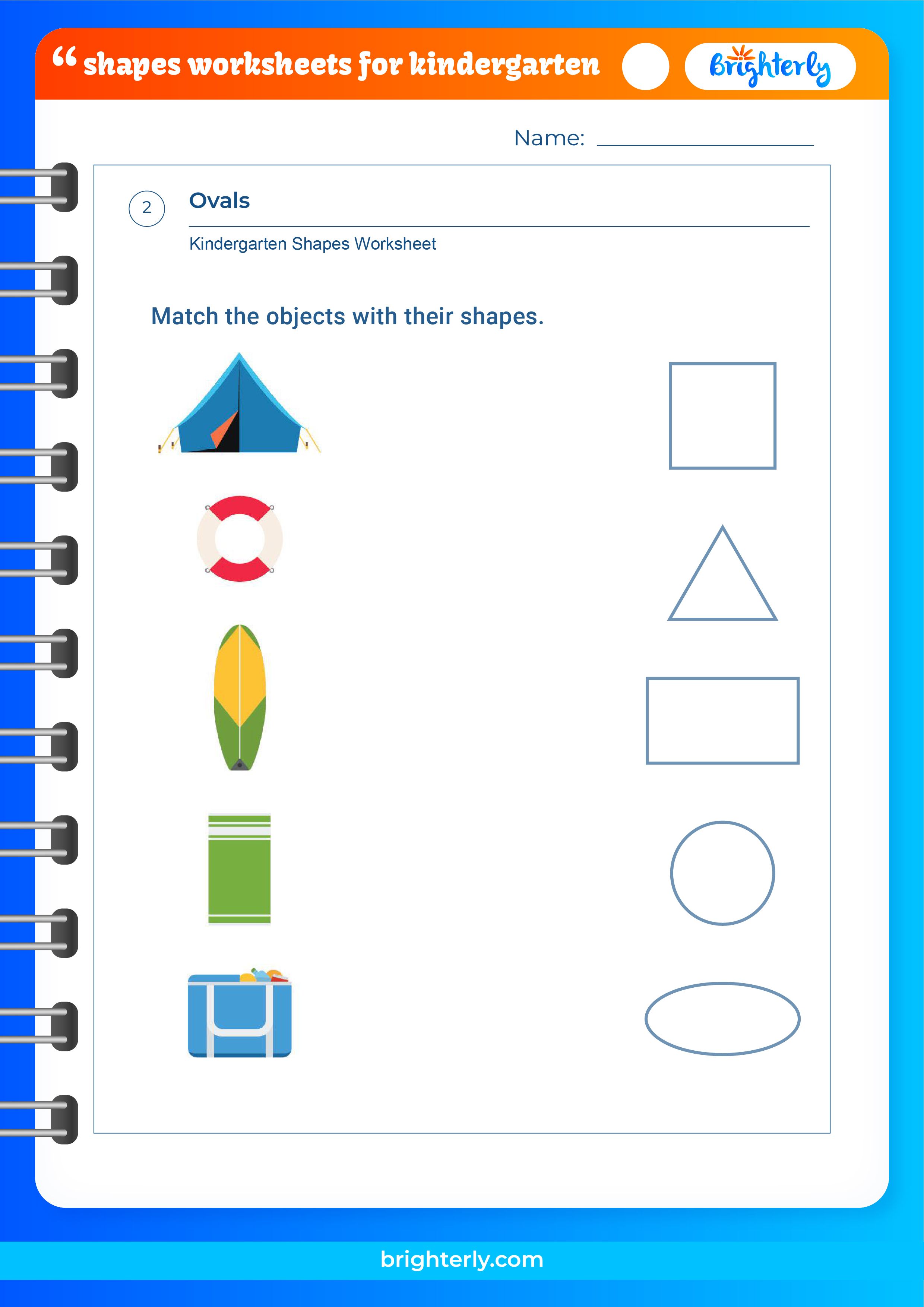
Shape recognition for kindergartners.
A Fun Way to Learn: Preschool Shapes Worksheets
Exploring Geometric Concepts
Preschool shapes worksheets are an excellent tool to introduce young learners to the world of geometry and spatial awareness. These worksheets often focus on basic shapes like circles, triangles, squares, and rectangles, which form the foundation for more complex geometric concepts later on. Through these worksheets, children can develop an understanding of shape recognition, identification, and even begin to explore basic properties and attributes of different shapes.
Free printable shapes for kindergarten.
The activities on these worksheets are designed to be engaging and interactive, often incorporating coloring, tracing, and matching exercises. For instance, a worksheet might ask children to identify and color all the circles on the page, or trace and connect the dots to form a triangle. These simple activities help reinforce shape recognition and fine motor skills, which are essential for early childhood development.
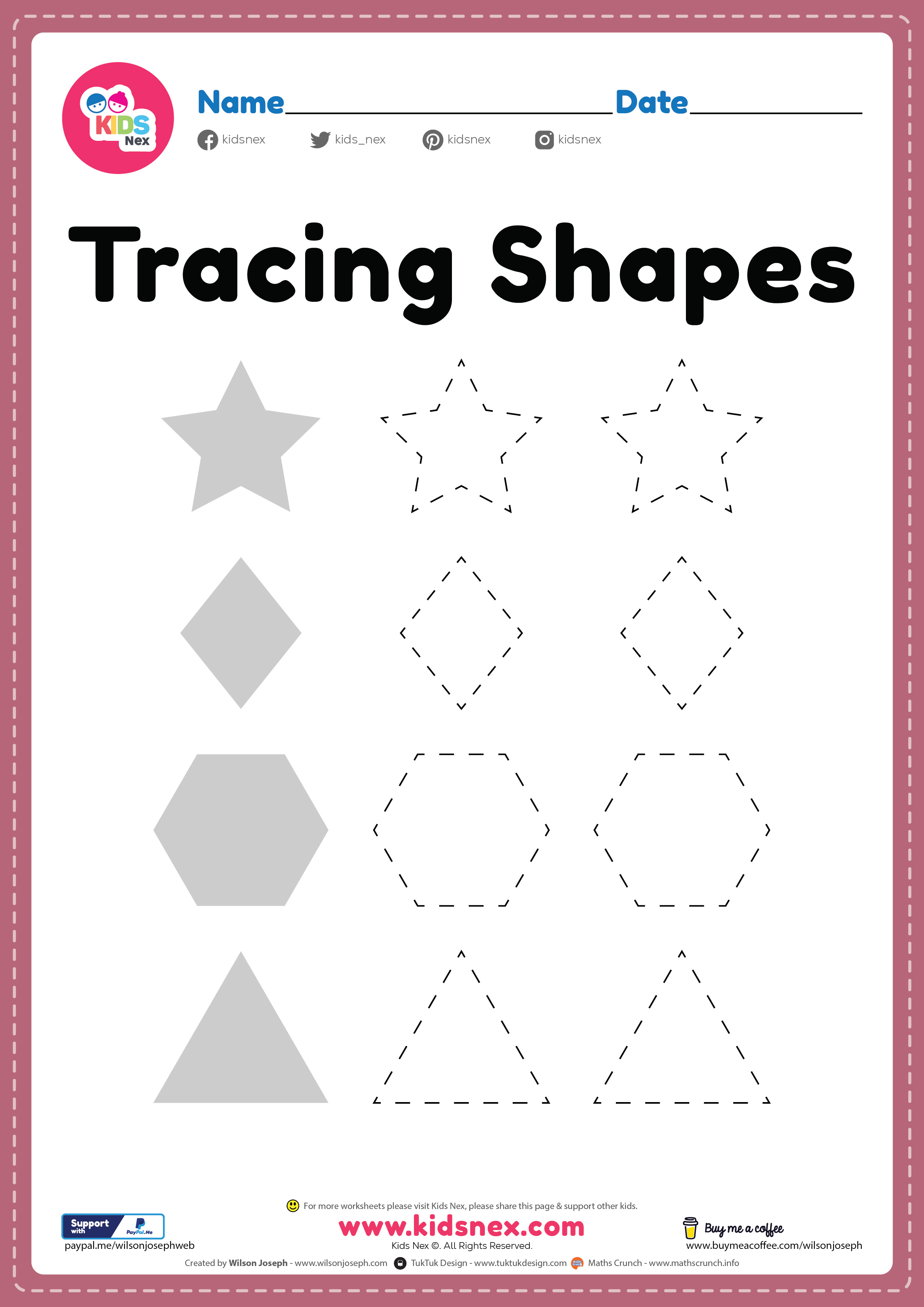
Tracing shapes for young learners.
Beyond Basics: Advanced Shape Worksheets
While basic shape recognition is an important first step, preschool shapes worksheets can also cater to more advanced learners or those who quickly grasp the fundamentals. These advanced worksheets introduce concepts like shape patterns, symmetry, and even simple geometric constructions. For example, a worksheet might challenge students to complete a pattern of shapes, such as a sequence of circles, squares, and triangles, or to draw the mirror image of a given shape to explore symmetry.
A fun shapes worksheet for kids.
Advanced shape worksheets might also introduce more complex shapes like ovals, diamonds, and hexagons, encouraging students to expand their shape vocabulary and understanding. These worksheets often provide a progression of difficulty, allowing students to build on their skills and knowledge over time.
Kindergarten's shape adventure.
People Also Ask: What Age are Preschool Shapes Worksheets Suitable For?
Preschool shapes worksheets are typically designed for children aged 3 to 5, which is a crucial period for cognitive and fine motor skill development. However, these worksheets can also be beneficial for slightly older children who may need extra practice or reinforcement in shape recognition and geometry. It's important to note that while these worksheets are often associated with preschool, they can be used in a variety of educational settings, including kindergarten, early elementary grades, and even at home for independent learning or as a supplement to other educational materials.
Basic shapes for beginners.
How to Use Preschool Shapes Worksheets Effectively
Preschool shapes worksheets can be used in various ways to enhance learning and engagement. Here are some practical tips:
Tracing shapes, a PDF activity.
- In the Classroom: Teachers can incorporate these worksheets into their lesson plans as a fun break from traditional teaching methods. They can be used as a warm-up activity, a review session, or even as a reward for good behavior or completed work.
- Homeschooling: For parents homeschooling their children, these worksheets can be a valuable resource to structure learning and provide a change of pace from other educational activities. They can be used to reinforce concepts learned through other means, such as hands-on activities or interactive games.
- Tutoring: Tutors can use preschool shapes worksheets to assess a child's understanding of basic geometry and shape recognition. They can also be used as a diagnostic tool to identify areas where a child may need extra support or practice.
- Independent Learning: Older preschoolers or kindergarteners who are eager to learn can use these worksheets independently. They provide a structured and engaging way for children to practice their skills and explore geometry at their own pace.
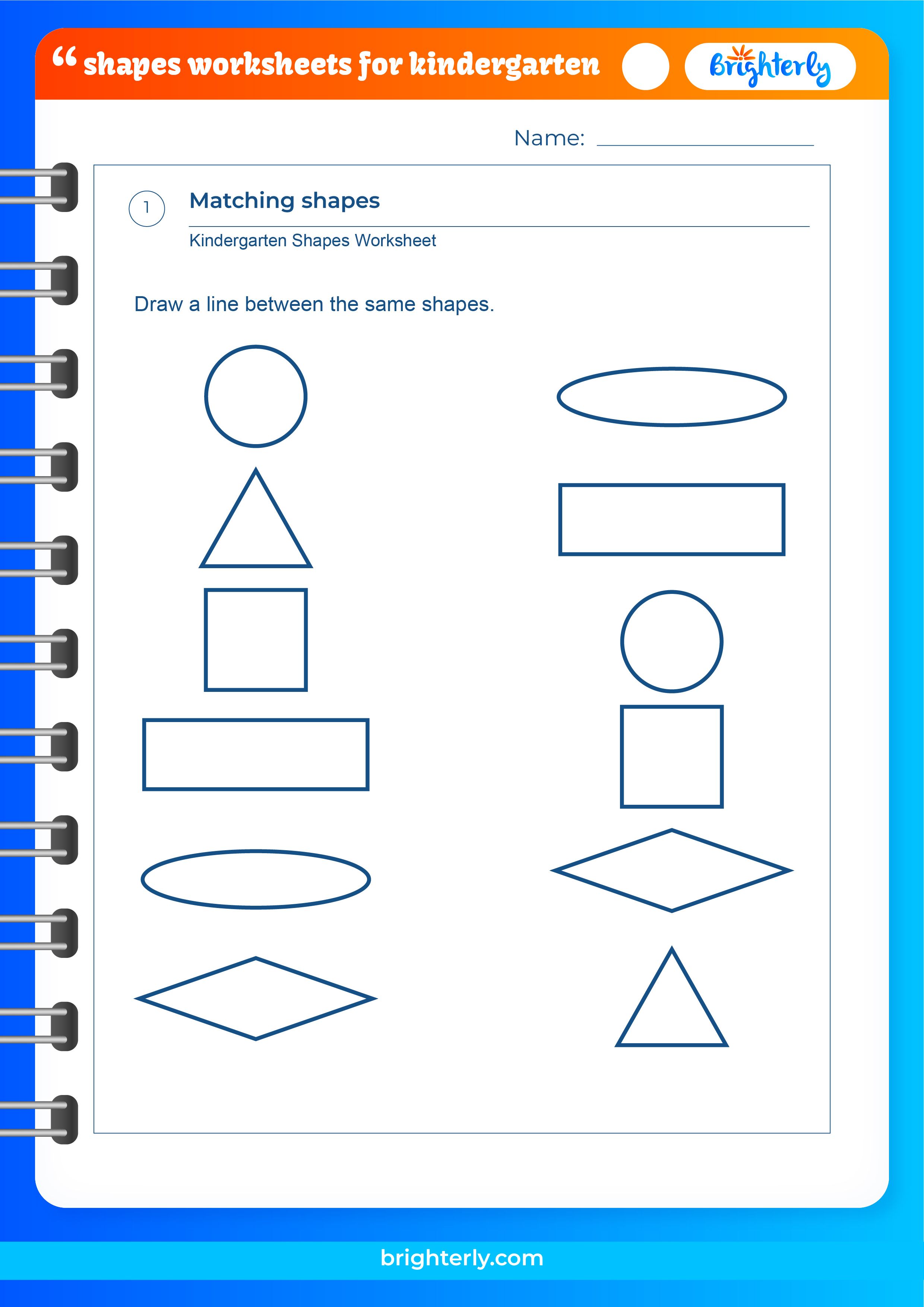
Matching shapes, a fun practice.
Creative Corners: Incorporating Shapes into Play
Preschool shapes worksheets are just one tool in the toolkit for teaching geometry and spatial awareness. To further enhance learning, consider incorporating shapes into everyday play and activities. For example, you could create a "shape hunt" game where children search for objects around the house or classroom that match a given shape. Or, you could provide a variety of craft materials and challenge children to create their own "shape monsters" or "shape towns."
Tracing and coloring, preschool style.
These hands-on activities not only reinforce shape recognition but also encourage creativity and imagination. By combining worksheets with practical, real-world applications, children can develop a deeper understanding of shapes and their properties, setting the foundation for more advanced geometric concepts in the future.
2D and 3D shapes, a mega pack.
Remember, learning should be fun and engaging, and preschool shapes worksheets are a great way to achieve that, especially when combined with other creative and interactive activities.
Matching shapes, a kindergarten skill.
Pattern recognition, a kindergarten task.
Shapes are an exciting gateway to a world of creativity and problem-solving! With these worksheets, kids can explore their artistic side while grasping the fundamentals of geometry. It's a win-win!
So, go ahead and give these preschool shapes worksheets a go. Let your little ones have some fun while learning, and don't forget to leave a comment or share your unique experiences below. We'd love to hear how it went!
Preschoolers' shape identification.
Read also: 28 Stitch Stencil Designs to Try