



Perimeter: A Key Geometric Concept
Understanding perimeter is an essential skill for learners of all ages, especially as they progress through their mathematical journey. Perimeter is a fundamental concept that helps us grasp the basic properties of shapes and objects, and it's a building block for more advanced geometric and spatial reasoning.
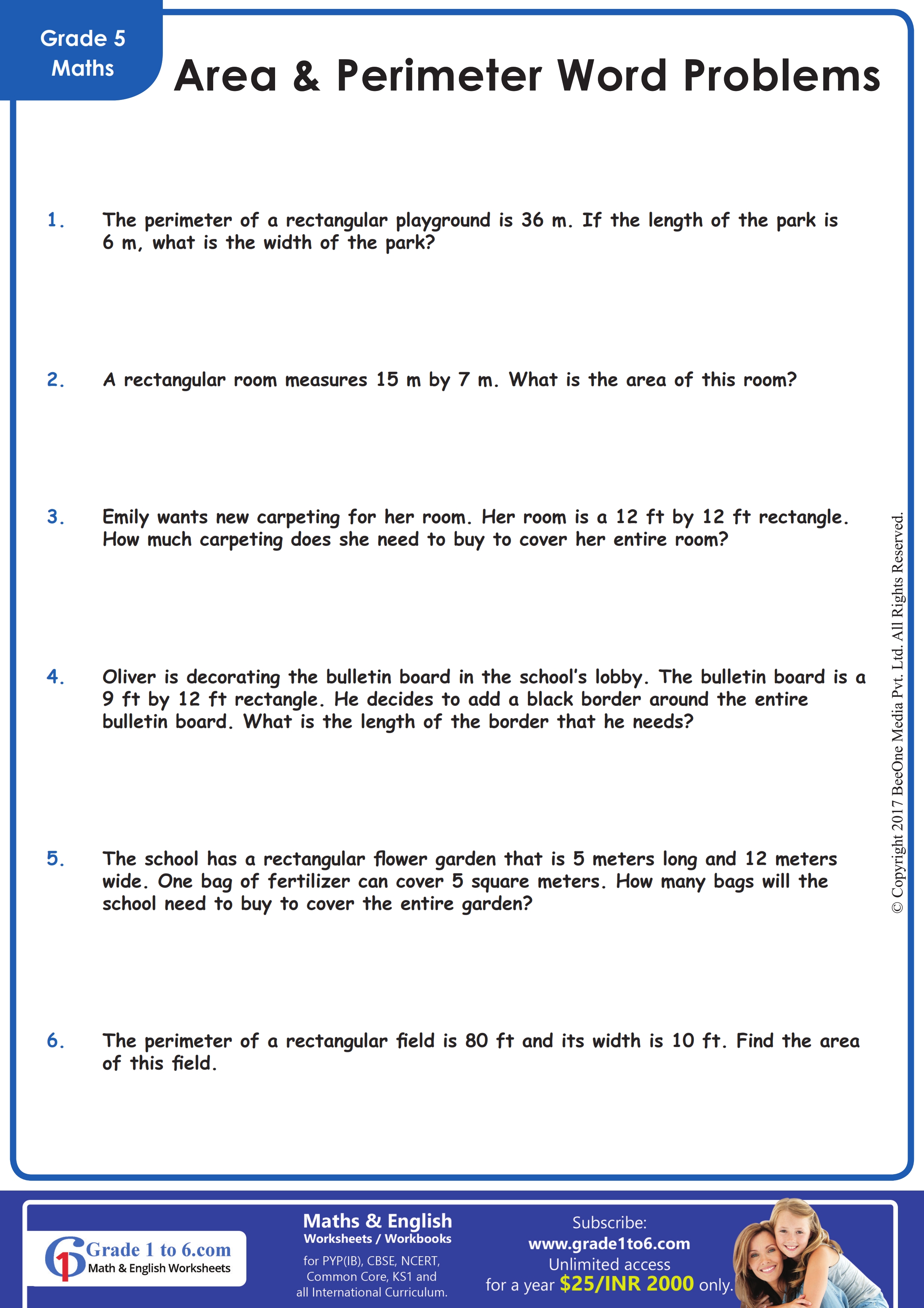
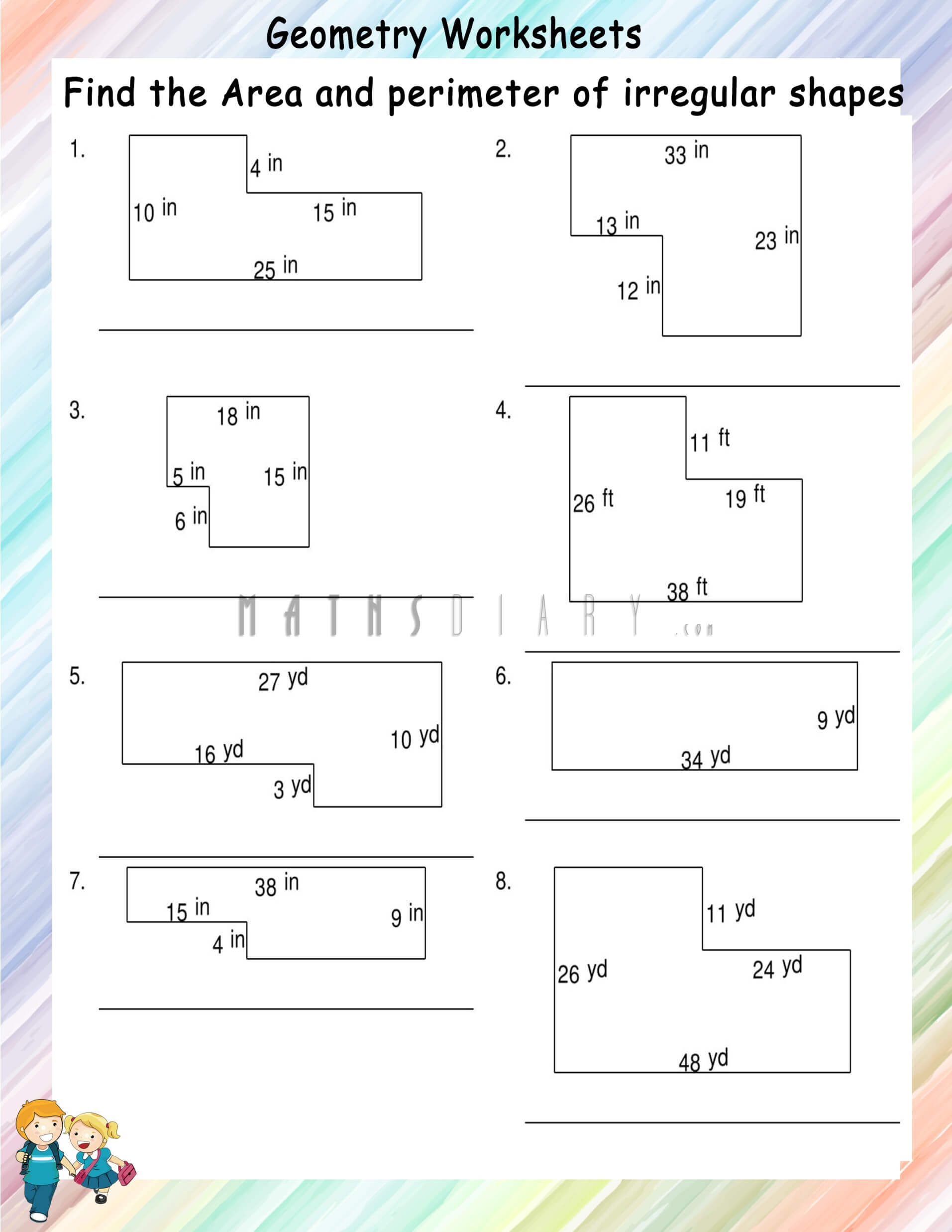
Area and perimeter challenge for grade 5.
Mastering Measurements with Perimeter Worksheets
Perimeter worksheets are an excellent way to introduce and reinforce the concept of perimeter, particularly for younger learners who are just starting to explore geometry. These worksheets often present simple shapes, such as squares, rectangles, and triangles, and guide students through the process of measuring and calculating the total length of their sides.
Grade 4: Perimeter and area with hexagons.
For instance, a basic perimeter worksheet might present a square with a side length of 5 units and ask the learner to calculate the perimeter. This not only reinforces the concept of perimeter but also helps students practice their addition skills, as they must add the side lengths together to find the total.
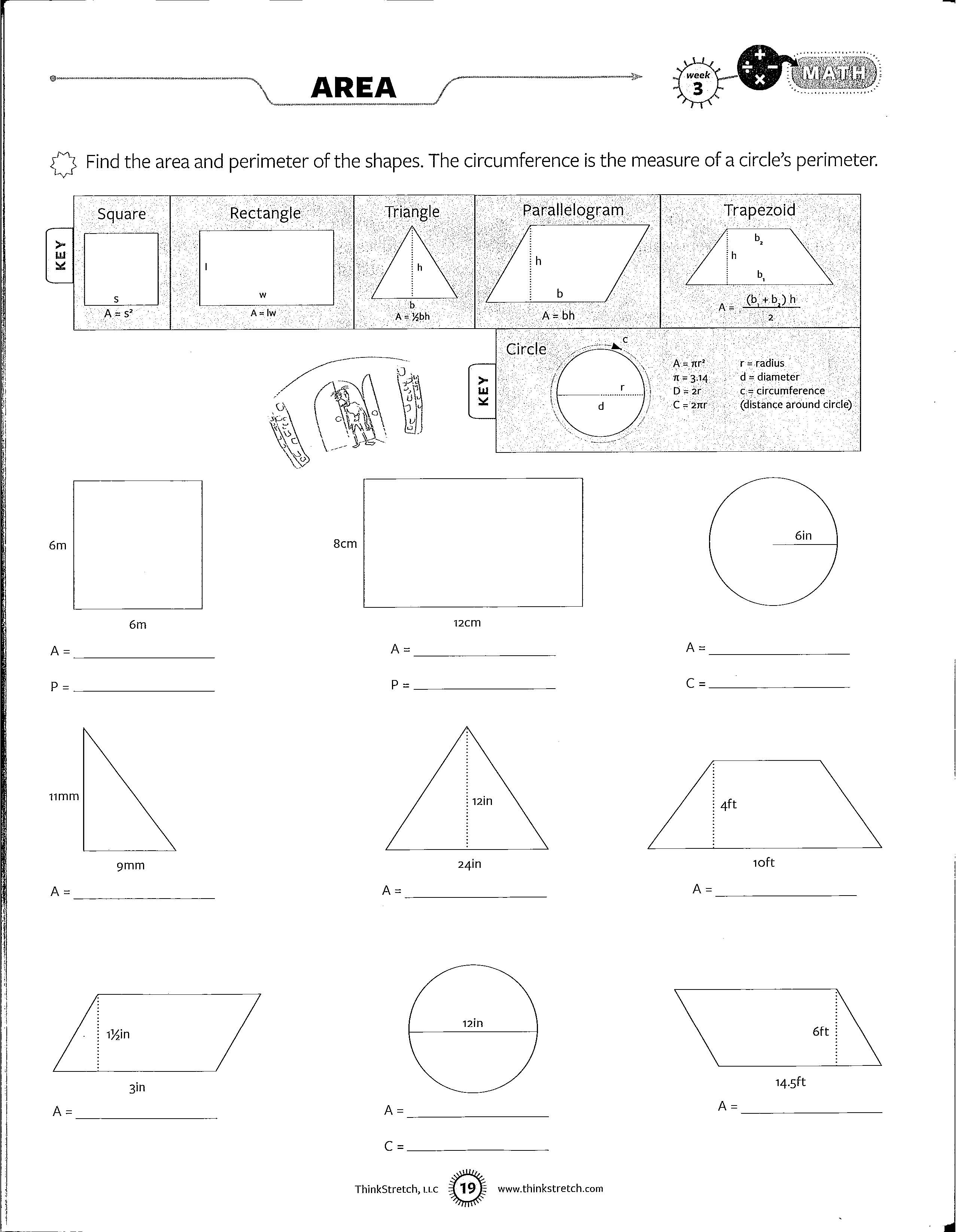
Perimeter and area worksheets for all grades.
People Also Ask: What's the Difference Between Perimeter and Area?
It's a common question, and an important one to address when introducing perimeter to learners. Perimeter and area are two distinct geometric concepts, each with its own unique application. While perimeter refers to the distance around the outer boundary of a shape, area measures the space enclosed within that shape.
Free printable area and perimeter practice.
For example, if you were to draw a rectangle on a piece of paper, the perimeter would be the total length of the four sides, while the area would be the amount of paper covered by the rectangle. Understanding the difference between these two concepts is crucial for learners to develop a strong foundation in geometry.
Top 10 area and perimeter exercises.
How to Use Perimeter Worksheets Effectively
Perimeter worksheets can be a versatile tool for teachers, parents, and tutors alike. Here are some practical tips for incorporating these worksheets into your teaching or learning routine:
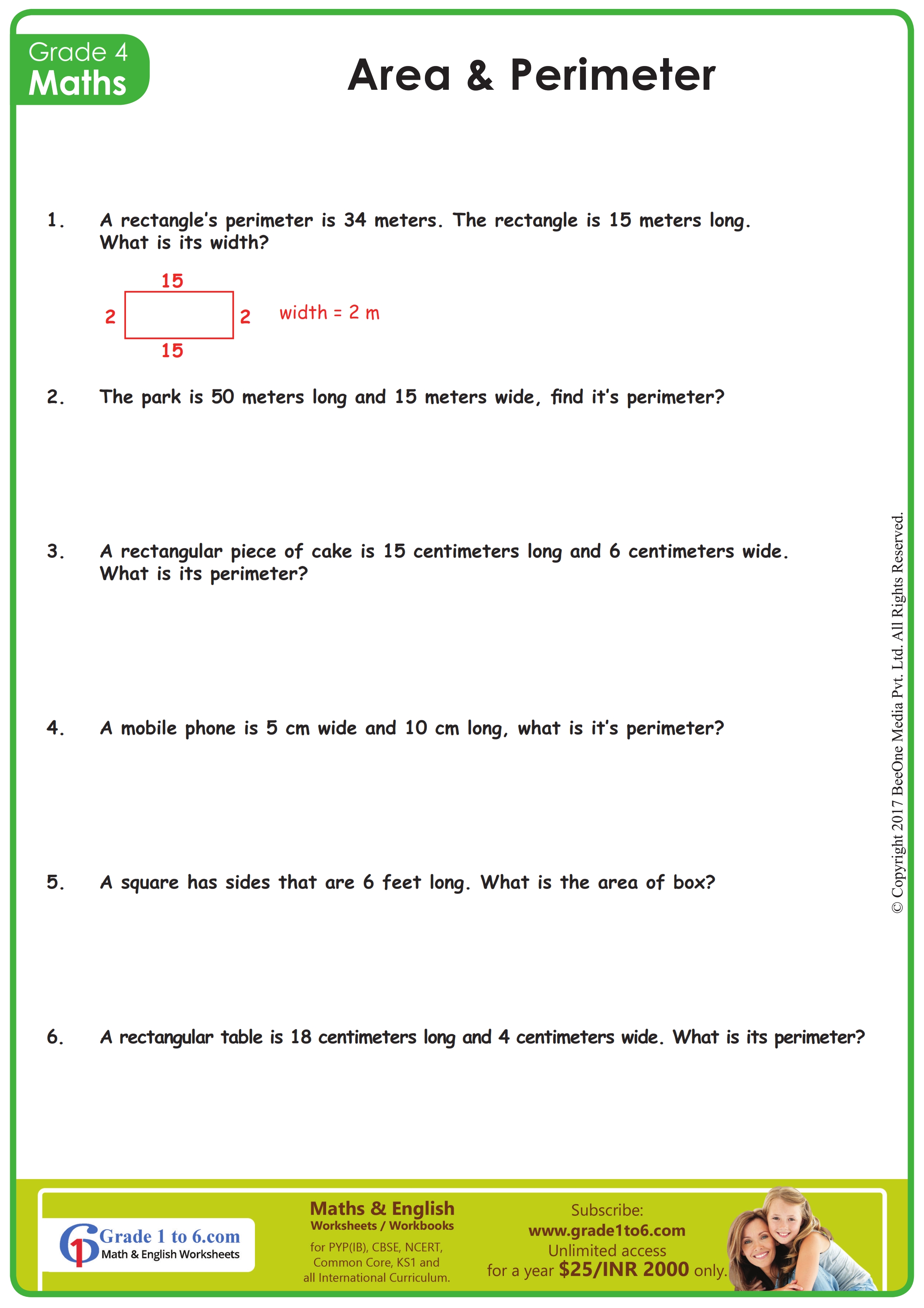
Math skills: Area and perimeter problems.
- Print and Practice: Perimeter worksheets are often designed to be printed and completed by hand, allowing learners to physically interact with the concept. Printing the worksheets on sturdy paper and providing learners with a dedicated notebook or folder for their geometric explorations can help create a sense of structure and ownership over their learning.
Free area and perimeter worksheets with answers.
- Graded Difficulty: Look for perimeter worksheets that offer a range of difficulty levels. Some worksheets might start with basic shapes like squares and rectangles, while others might introduce more complex shapes like trapezoids or irregular polygons. This allows you to tailor the practice to the learner's skill level and gradually increase the challenge as they progress.
Surface area: Square pyramid worksheets.
- Visual Aids: Incorporate visual aids into your perimeter practice. For example, you could use real-world objects like blocks or even household items to demonstrate the concept of perimeter. This hands-on approach can help learners make a stronger connection between the abstract concept and its real-world applications.
Missing side: Perimeter worksheet for practice.
Practical Applications: Perimeter in Real Life
Understanding perimeter has numerous practical applications in our daily lives. For instance, when planning a garden or landscaping a yard, you need to calculate the perimeter to determine how much fencing or edging is required. Similarly, when laying out a room or designing a floor plan, understanding the perimeter of the space is crucial for efficient furniture placement and decor planning.
Free 2nd grade: Area and perimeter intro.
Perimeter worksheets can help learners make these real-world connections by presenting scenarios and problems that mimic these practical applications. For example, a worksheet might ask learners to calculate the perimeter of a room to determine how much wallpaper is needed for a feature wall, or how much fencing is required to enclose a rectangular garden.
Area and perimeter worksheets with answers.
By incorporating these practical scenarios into their learning, students can see the relevance and applicability of perimeter in their everyday lives, making the concept more engaging and memorable.
Remember, when it comes to learning, variety is key. Mixing up your teaching and learning strategies with resources like perimeter worksheets can keep students engaged and motivated, helping them develop a strong foundation in geometry and spatial reasoning.