

Phonics Worksheet For Kids Overview
I've always found math to be a tricky subject, and as a parent, I want to ensure my kids get a solid foundation. One of the tools I've come across that has been a real lifesaver is the number bonds worksheet. It's a simple yet effective way to practice and reinforce basic math skills, and it's a godsend for homeschooling parents like me! If you're looking for a quick and easy way to create number bond activities, you might want to check out number bonds blank templates like this one 21 Tree Stencil Designs for Easy Crafting.
Halloween-themed math practice for kids.
Number Bonds: A Powerful Tool for Building Math Foundation
Number bonds are a fantastic way to introduce and reinforce basic math concepts, particularly addition and subtraction, in young learners. This simple yet effective visual representation of numbers and their relationships is a cornerstone of early math education. By using number bonds, students can develop a deep understanding of how numbers can be combined and broken down, which forms the basis for more complex mathematical operations later on.
Easy number bond practice up to 10.
Exploring Different Number Bond Worksheet Types
There is a wide variety of number bond worksheets available, catering to different skill levels and learning needs. For beginners, simple number bond diagrams with a total and two parts are a great starting point. These worksheets help students grasp the concept of whole numbers being composed of smaller parts, and vice versa. As learners progress, more advanced worksheets can introduce missing addends, where students need to find the missing number to complete the bond.
Spooky math fun for Halloween.
Another variation is the use of number bonds to teach complementary numbers, which are pairs of numbers that add up to a given total. This concept is crucial for understanding subtraction and can be practiced using number bond worksheets that focus on finding the missing number to make a given total.
Grade 2 number bond worksheet.
People Also Ask: What Skills Do Number Bond Worksheets Target?
Number bond worksheets primarily target addition and subtraction skills, but they also indirectly support other mathematical abilities. By encouraging students to visualize numbers and their relationships, these worksheets foster a deeper understanding of number sense and place value. Additionally, number bonds can be used to introduce and reinforce the concept of related facts, where different combinations of numbers can be used to make the same total.
Number bonds for kindergarten math.
How to Use and Print Number Bond Worksheets Effectively
Printing number bond worksheets is a straightforward process, and many websites offer free, downloadable templates. Understanding Ww2 Stencil Serial Numbers can be a helpful resource for those who want to explore the different options available. Once you've downloaded a template, you can customize it to suit your learners' needs by adjusting the numbers and difficulty level.
Interactive learning with number bonds.
When using number bond worksheets, it's important to provide clear instructions and guidance. For younger learners, start with simple number bonds and gradually increase the complexity as they become more comfortable. Encourage students to explain their thinking process and how they arrived at their answers. This not only reinforces their understanding but also helps identify any misconceptions they may have.
Blank number bond templates with objects.
Practical Applications: Number Bonds in Action
Number bond worksheets are versatile and can be used in various educational settings, from classrooms to homeschooling environments. In a classroom setting, teachers can use number bond worksheets as a whole-class activity, group work, or even as an individual practice tool. They can be incorporated into math centers, providing students with a hands-on, visual way to explore and practice basic math skills.
Fun printable for learning number bonds.
For homeschooling parents, number bond worksheets are a valuable resource for reinforcing math concepts at home. They can be used as part of a structured math curriculum or as a fun, engaging activity to keep kids practicing math over the summer break. The versatility of number bond worksheets means they can be tailored to suit different learning styles and preferences, making them an excellent tool for differentiated instruction.
Picture-based multiplication practice.
Additionally, number bond worksheets can be a useful tool for tutors working with students who need extra support in math. By providing a visual representation of numbers and their relationships, tutors can help students build a solid foundation in addition and subtraction, which is essential for more advanced math concepts.
Worksheets on multiplication properties.
In conclusion, number bond worksheets are a powerful and versatile tool for building a strong math foundation. By providing a visual representation of numbers and their relationships, these worksheets support the development of essential math skills in a fun and engaging way. Whether used in a classroom, homeschooling environment, or as a tutoring resource, number bond worksheets are a valuable addition to any math curriculum.
Creating number bonds with visuals.
Blank templates for addition and subtraction.
Number bonds are an awesome tool to have in your math teaching arsenal. They offer a visual aid that really helps bring these concepts to life for young learners. So, why not give it a go?
Print out a few number bonds worksheets, gather some eager young mathematicians, and see the magic unfold. It's a fun and engaging way to build a strong math foundation. Leave a comment or share your experience below; we'd love to hear how it goes!
Visual addition with number lines to 10.
Read also: 21 Chicano Tattoo Stencil Ideas
Related: 28 Worksheet Questions on Elements Compounds Mixtures
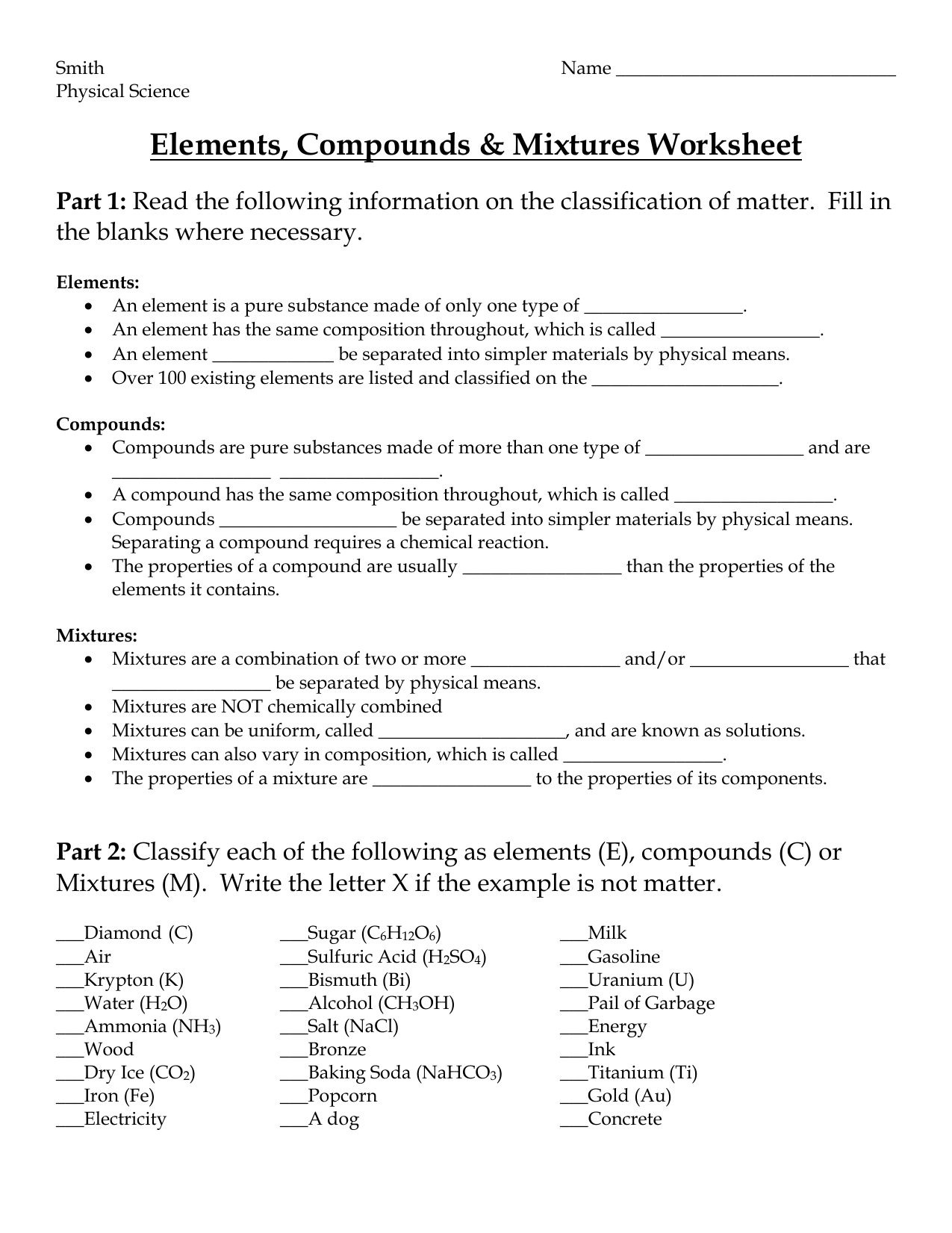
As a parent, I'm always on the lookout for fun and educational resources to keep my kids engaged in learning. When it comes to science, the elements compounds mixtures worksheet is a real lifesaver! It's a simple yet effective tool that helps kids understand the basics of chemistry and the differences between elements, compounds, and mixtures. I recently stumbled upon this while searching for some element mixture and compound worksheet resources, and it's been a great addition to our homeschool routine.
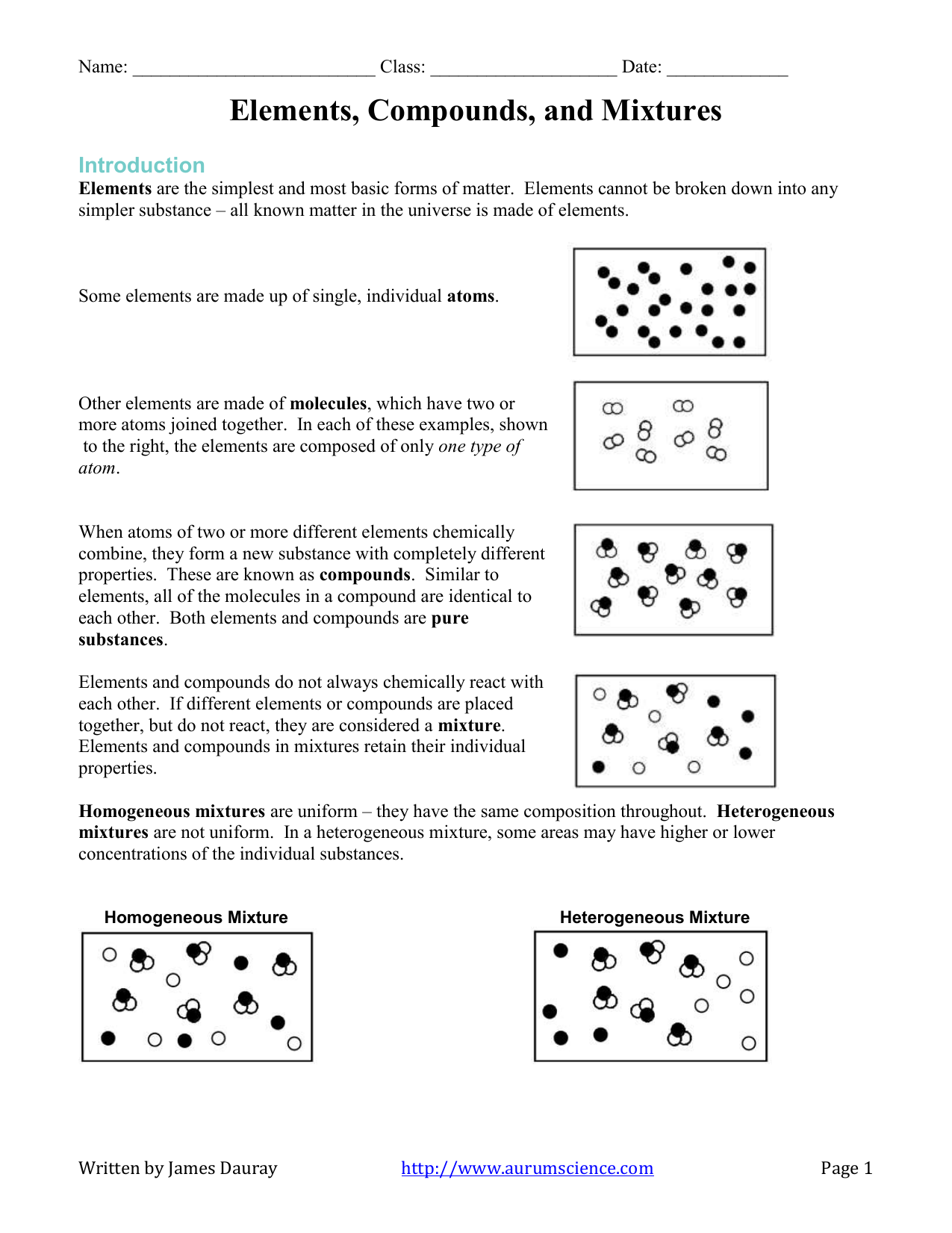
Classifying elements, compounds, and mixtures.
Unlocking Chemistry Concepts: Elements, Compounds, and Mixtures
When it comes to teaching chemistry, especially to younger students, breaking down complex concepts into simple, engaging activities is key. That's where the elements, compounds, and mixtures worksheet comes into play. This versatile resource is a fantastic way to introduce and reinforce the fundamental building blocks of chemistry, helping students grasp the differences between elements, compounds, and mixtures in a fun and interactive way.
Identifying elements in science.
Mastering Chemical Composition with Worksheet Activities
The beauty of the elements, compounds, and mixtures worksheet lies in its ability to cater to various learning styles and levels. It offers a range of activities designed to challenge students and deepen their understanding of chemical composition. From identifying elements and compounds to analyzing mixtures and understanding chemical reactions, these worksheets provide a comprehensive learning experience.
Hands-on activity with elements.
For beginners, the worksheets might start with simple exercises like matching elements to their symbols or identifying common compounds and their properties. As students progress, the activities become more complex, introducing concepts like compound formation, molecular properties, and the role of the periodic table in understanding chemical reactions.
Middle school element exploration.
People Also Ask: What's the Ideal Age Range for These Worksheets?
A common question that arises is whether these worksheets are suitable for all ages. While the content and difficulty can be adapted to suit different grade levels, the elements, compounds, and mixtures worksheet is particularly beneficial for students in middle school and above. This is when students typically begin to explore more advanced chemistry concepts and need a solid foundation in the basics.
Element, compound, or mixture?
However, with some adjustments and simplified language, these worksheets can also be used with younger students as an introduction to the world of chemistry. The key is to ensure the activities are engaging and accessible, fostering a love for science from an early age.
Elements, compounds, and mixtures explained.
How to Use and Print the Elements, Compounds, and Mixtures Worksheet
Using the elements, compounds, and mixtures worksheet is straightforward, making it a valuable resource for teachers, homeschool educators, and even parents looking to supplement their child's learning. The worksheets are typically available in PDF format, which can be easily downloaded and printed.
Classifying elements and compounds.
When printing, consider the number of students and the activity's purpose. For individual work, a single copy per student is ideal. However, if the activity is designed for group work or discussion, a single copy projected onto a screen can facilitate collaborative learning.
PDF guide to elements.
Additionally, some worksheets may include answer keys, providing a quick reference for teachers and an opportunity for self-assessment for students. These keys can be printed separately to maintain the element of discovery and learning during the activity.
Mixing elements and compounds.
Enhancing Learning with Practical Applications
One of the strengths of the elements, compounds, and mixtures worksheet is its ability to bridge the gap between theoretical concepts and real-world applications. By incorporating practical examples and scenarios, students can see the relevance of their learning and develop a deeper understanding of chemical composition.
Science worksheet with scheels.
For instance, a worksheet might ask students to analyze everyday mixtures, such as saltwater or a solution of sugar and water, and identify the elements and compounds present. This not only reinforces their understanding of chemical composition but also shows how these concepts apply to their daily lives.
Free element resource download.
Furthermore, worksheets can be used as a precursor to more complex experiments, helping students develop the foundational knowledge and skills needed to explore chemical reactions and compound formation in a hands-on manner.
Classifying iron in a nail.
In conclusion, the elements, compounds, and mixtures worksheet is a versatile and effective tool for teaching chemistry. By offering a range of activities and catering to different learning levels, it provides a solid foundation for students to explore the fascinating world of chemistry. With its practical applications and engaging format, this worksheet is a valuable addition to any science curriculum, whether in a classroom, homeschool, or tutoring setting. 15 Worksheets for Telling Time offer a similar blend of practical learning and engagement, showcasing the versatility of educational resources.
Well, there you have it! A fun and interactive way to explore the world of chemistry. These worksheets are a great tool to get hands-on and really understand the basics. So, why not give them a go? Print a few out, gather your friends or family, and have a chemistry adventure. It's a simple way to make learning enjoyable and who knows, you might just spark a love for science!
I'd love to hear how it goes for you all. Leave a comment and share your experiences; it's always inspiring to see how these resources can make a difference.
Mixtures, elements, and compounds notes.
Read also: 11 Printable Cursive Abc Worksheets
Related: 26 Phonics Worksheets for Kindergarten
As a parent, I'm always on the lookout for fun and engaging ways to help my little one with their early reading skills. Phonics worksheets for kindergarten have been a real lifesaver! With these handy resources, I can easily guide my child through the basics of letter sounds and blending, making learning an enjoyable experience. It's a great way to reinforce what they learn at school, and I even found some free phonics worksheets pdf online, which is a bonus! Oh, and by the way, if you're into tattoos, check out 15 Stencil Star Tattoo Ideas for some cool inspiration!
Learn phonics with ABC practice.
Phonics Worksheets: A Powerful Tool for Early Reading Skills
Phonics worksheets are an incredibly valuable resource for parents, teachers, and educators alike, offering a structured and engaging approach to teaching early reading skills. These worksheets are designed to help young learners grasp the fundamentals of phonics, which is the relationship between letters and the sounds they represent. By focusing on letter sounds, word families, and sound blending, phonics worksheets provide a solid foundation for developing reading skills.
Writing practice for kindergarteners.
Exploring Different Phonics Worksheet Types
When it comes to phonics worksheets for kindergarten, there is a wide range of options available, each targeting specific skills and learning levels. Some worksheets may focus on identifying and matching letter sounds, while others introduce word families and encourage sound blending. For instance, a worksheet might present a set of pictures with corresponding words, challenging students to identify the correct beginning or ending sound. This activity not only reinforces letter-sound associations but also enhances visual recognition and vocabulary.
Cut and paste beginning sound activity.
Advanced phonics worksheets can further build on these skills by introducing more complex word building and reading exercises. These worksheets might feature sentences or short paragraphs, requiring students to identify specific phonemes or practice reading fluently. By progressing from simple letter-sound associations to more advanced reading tasks, phonics worksheets offer a comprehensive and progressive learning journey.
Short vowel word recognition.
People Also Ask: What Age Group Benefits from Phonics Worksheets?
Phonics worksheets are primarily designed for early learners, typically targeting kindergarten and preschool-aged children. However, their benefits extend beyond these age groups. Phonics worksheets can be adapted and utilized for older students who may struggle with reading or require additional support. By tailoring the difficulty level and focusing on specific areas of improvement, phonics worksheets can be a valuable tool for remedial reading programs or for reinforcing phonics skills in older grades.
Writing and reading practice worksheet.
How to Use Phonics Worksheets Effectively
To make the most of phonics worksheets, it's essential to consider practical aspects such as printing and usage. While digital worksheets can be convenient, printing physical copies allows for a more tactile learning experience. Students can engage with the worksheets by circling, coloring, or writing directly on the paper, making the learning process more interactive. Additionally, having a collection of printed worksheets provides flexibility for teachers and parents to choose and assign specific activities based on individual needs and progress.
Printable reading exercises for kids.
When using phonics worksheets, it's important to create a supportive and engaging learning environment. Teachers and parents can guide students through the worksheets, offering explanations and demonstrations as needed. Encouraging students to read aloud, discuss their answers, and share their thoughts fosters a collaborative and enjoyable learning atmosphere. By incorporating phonics worksheets into a well-rounded literacy curriculum, educators can enhance reading skills and build a strong foundation for future learning.
Preschool comprehension worksheets: free download.
Building Reading Confidence with Phonics Worksheets
One of the key advantages of phonics worksheets is their ability to build reading confidence in young learners. By providing structured practice and immediate feedback, worksheets allow students to grasp phonics concepts at their own pace. As they progress through various activities, students gain a sense of achievement and motivation. This confidence-building aspect is especially beneficial for struggling readers, as it helps them develop a positive attitude towards reading and learning.
Downloadable kindergarten reading resources.
Phonics worksheets can also be integrated into fun and creative activities. For example, teachers or parents can create phonics scavenger hunts, where students search for objects or pictures that match specific letter sounds. This hands-on approach not only reinforces phonics skills but also adds an element of excitement and exploration to the learning process. By making learning enjoyable and interactive, phonics worksheets contribute to a positive and engaging literacy journey for young learners.
Phonics printables for early learners.
In conclusion, phonics worksheets for kindergarten are a versatile and powerful tool for developing early reading skills. By offering a structured approach to letter sounds, word families, and sound blending, these worksheets provide a solid foundation for literacy. Whether used in classrooms, homeschooling environments, or as supplementary learning materials, phonics worksheets cater to a wide range of learners and learning styles. With their ability to build confidence and make learning fun, phonics worksheets are an invaluable resource for educators and parents alike.
Reading skills worksheet for kindergarten.
So, if you're looking for a practical and engaging way to support your child's reading journey, give phonics worksheets a try! And while you're at it, don't forget to check out some fun stencil designs for your next wood project 31 Stencil Designs for Wood Projects. It's always a joy to combine learning and creativity!
Short vowel phonics for grade 1.
Reading comprehension for young students.
Phonics worksheets truly are a fun and effective way to support your little ones' reading journey. With these resources, you can create an enjoyable learning experience, helping them build a strong foundation for their literacy skills.
So, why not give it a go? Print out a few worksheets, gather some colorful pencils, and see how your kindergartener responds. It's a great way to engage their curiosity and set them up for reading success. Leave a comment or share your experience below; we'd love to hear how it goes!
Comprehension practice for young readers.
Read also: 14 Spider Tattoo Stencil Ideas