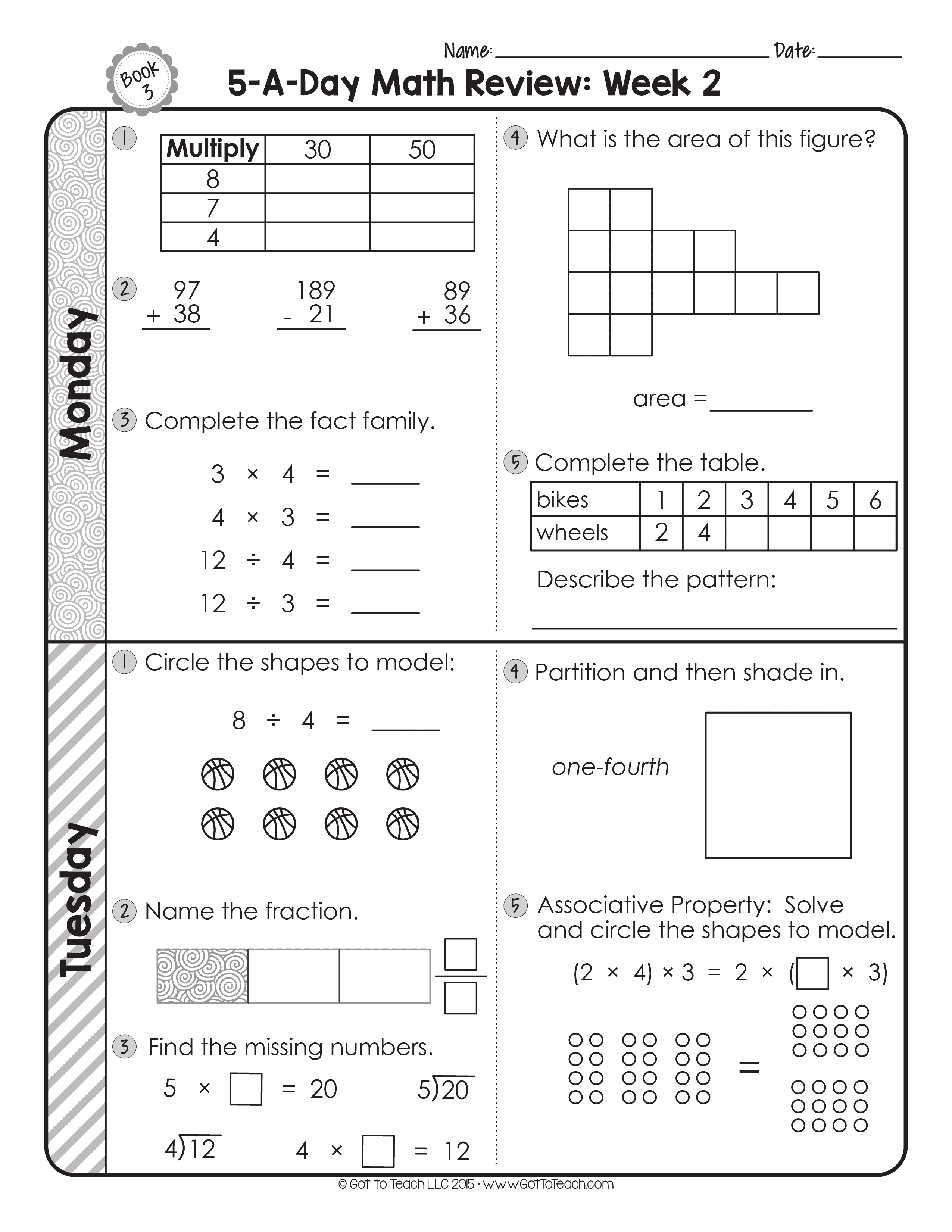


Place Value Practice Worksheets Classroom Overview
As a parent or educator, finding the right resources to enhance a child's learning journey can be a bit of a hunt. When it comes to practicing ratios, having access to ratio worksheets can be a real game-changer. These worksheets, like the ones available here, offer a structured way to reinforce this mathematical concept, and they're a handy tool for anyone looking to practice or teach ratios effectively.
Ratios, proportions, and percentages practice.
Ratios: A Crucial Concept for Young Mathematicians
Ratio worksheets are an invaluable tool for any educator or parent aiming to strengthen a child's understanding of this fundamental mathematical concept. Ratios are more than just a set of numbers; they're a powerful way to express relationships between quantities, and they form the basis for many advanced mathematical and scientific concepts. By practicing with ratio worksheets, learners can develop a strong foundation in this area, which will benefit them throughout their academic journey and beyond.
Ratio and proportion relationships.
Unlocking Proportional Reasoning with Different Worksheet Types
Ratio worksheets come in various forms, each designed to target specific skills and cater to different learning styles. Some worksheets focus on identifying and simplifying ratios, helping students recognize and express these relationships accurately. Others challenge learners to evaluate and compare ratios, encouraging them to make meaningful connections between quantities. For instance, a worksheet might present a scenario where students need to find the ratio of boys to girls in a class and then determine if a given ratio is equivalent to the class ratio.
Seventh grade math challenge.
The beauty of these worksheets lies in their versatility. They can be tailored to suit different age groups and skill levels, ensuring that every student, whether a beginner or an advanced learner, has access to appropriate practice. For younger students, worksheets might start with simpler ratios, such as 2:3 or 4:5, and gradually introduce more complex concepts as their understanding deepens. Advanced learners can tackle more intricate ratios and proportions, exploring real-world applications like scaling recipes or understanding population demographics.
Sixth grade math essentials.
How Do Ratio Worksheets Help Students Understand Proportions?
A common question that arises when discussing ratio worksheets is how they contribute to a student's grasp of proportions. Proportions, in essence, are just another way of expressing ratios, often in the form of a fraction or a decimal. By working with ratio worksheets, students implicitly learn to recognize and manipulate proportions, even if the term itself isn't explicitly mentioned. For instance, a worksheet might ask students to find the ratio of red to blue marbles in a bag, which inherently involves understanding proportions.
Fun ratio activity sheet.
Furthermore, ratio worksheets often include questions that require students to solve for unknown values in a ratio, which is a key skill in understanding proportions. For example, if given the ratio 3:4 and told that the total number of items is 24, students must evaluate and find the value of each part of the ratio. This process reinforces their understanding of proportions and helps them grasp the concept of equivalent ratios.
Ratio and proportion basics.
What's the Best Way to Practice Ratios at Home?
For parents and tutors looking to support their children's learning at home, incorporating ratio worksheets into their practice routine is a practical and effective strategy. These worksheets provide a structured way to reinforce ratio concepts, ensuring that students get the repetition and variety they need to master this skill.
Creating equivalent ratios.
When using ratio worksheets at home, it's important to create a comfortable and focused environment. Encourage your child to take their time and really think about the relationships between the numbers they're working with. Start with simpler worksheets and gradually introduce more complex ones as your child's confidence and understanding grow. It's also beneficial to discuss the real-world applications of ratios to help your child see the relevance and importance of this concept in everyday life.
Advanced ratio and proportion.
Exploring Real-World Applications: Ratios in Action
One of the most engaging ways to practice ratios is by incorporating real-world scenarios into your worksheets or lessons. For instance, a worksheet might present a recipe for a batch of cookies and ask students to adjust the recipe to make a larger or smaller batch, requiring them to calculate new ratios for the ingredients. This not only reinforces their understanding of ratios but also shows them the practical value of this mathematical concept in everyday tasks.
Primary math skills review.
Another practical application of ratios is in the world of sports. For example, a worksheet could present data on a basketball team's win-loss ratio over the course of a season and challenge students to calculate and compare this ratio with that of other teams. This not only makes learning fun and relatable but also helps students develop critical thinking skills as they analyze and interpret data.
Forming equations from ratios.
By exploring these real-world applications, students can see the relevance and importance of ratios in their daily lives, making their learning experience more meaningful and engaging. So, whether it's cooking, sports, or any other area of interest, incorporating practical scenarios into ratio worksheets can be a powerful tool for enhancing understanding and retention.
Changing ratios for year 10/11.
Ratio exercises collection.
Ratios are an exciting gateway to a whole new world of mathematical exploration. By mastering this concept, young learners can unlock a deeper understanding of the world around them.
So, why not give these ratio worksheets a go? They're a fun and effective way to reinforce this crucial skill. Print them out, work through them together, and see the magic of ratios come to life. Leave a comment or share your experience below - we'd love to hear how it went!
Finding slope from data tables.
Read also: 30 Stencil Flower Wall Designs
Related: 16 Proportional Relationship Worksheets for Practice
As a parent, I'm always on the lookout for resources to support my child's learning journey. One area that often needs extra practice is understanding proportional relationships. That's why I was glad to find this proportional relationship worksheet - a handy tool to reinforce this concept. It's a simple yet effective way to help kids grasp the idea, and it can be a real lifesaver for parents and teachers too! I even came across a proportional relationship worksheet pdf that was a great free resource.
Graphing proportional relationships activity.
Proportional Relationships: A Key Mathematical Concept
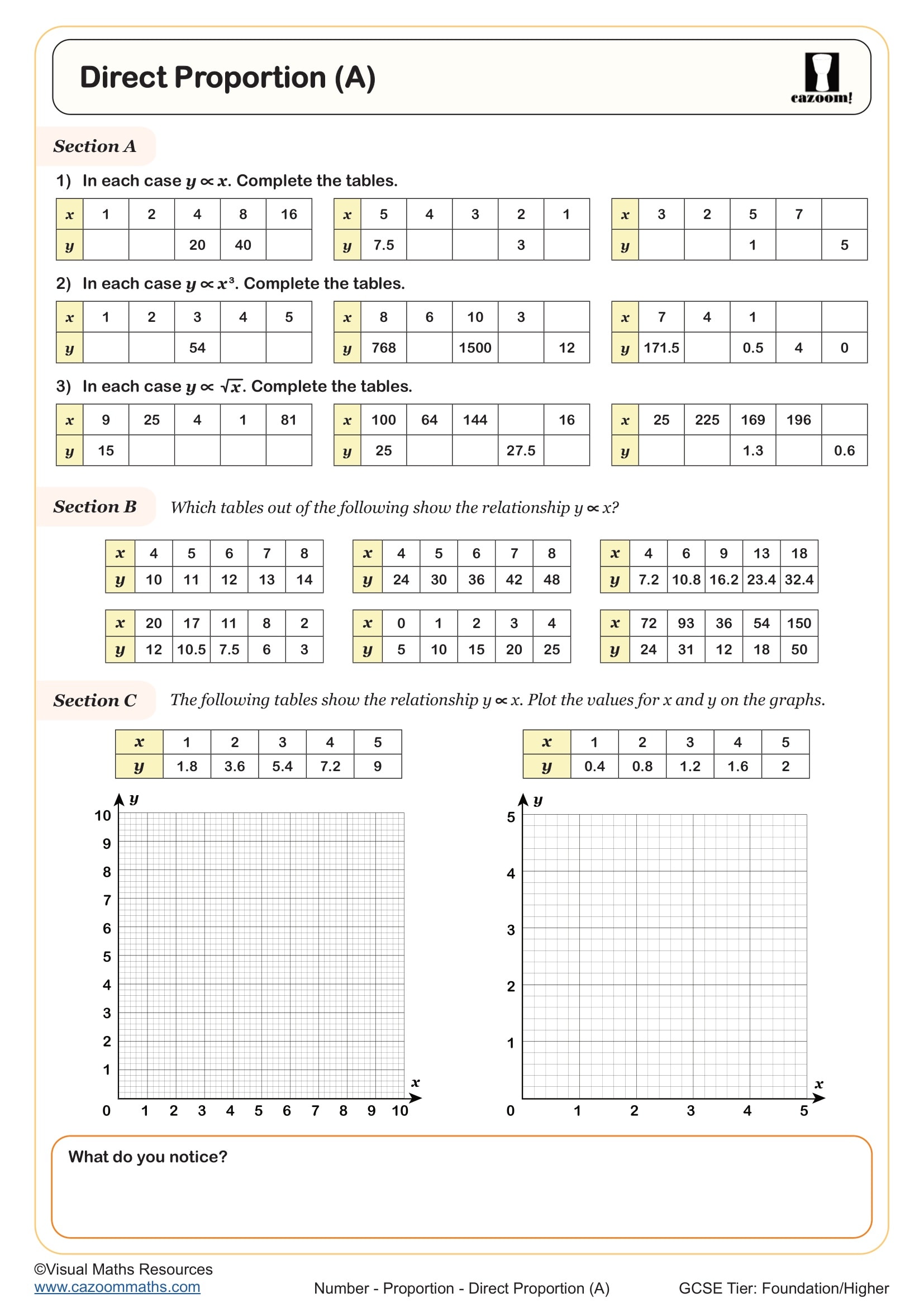
Understanding proportional relationships is a fundamental skill in mathematics, and it's one that often requires dedicated practice to truly grasp. The concept of proportionality is all about relationships between quantities that maintain a constant ratio or scale factor. This means that as one quantity changes, the other changes at the same rate, keeping their ratio or proportion consistent. It's a linear relationship where the two quantities move in direct proportion to each other.
Proportional equations and relationships.
Proportional relationships are everywhere in the real world, from measuring ingredients for a recipe to understanding the relationship between distance and time when traveling at a constant speed. Mastering this concept is crucial for building a strong foundation in mathematics and applying it to practical situations.
8th grade proportional relationships challenge.
Ratio and Proportion Worksheets: A Versatile Practice Tool
Proportional relationship worksheets are a versatile resource that can cater to a wide range of learners, from those just starting to explore ratios and proportions to more advanced students who are ready for complex challenges. These worksheets typically offer a variety of activities and question types, allowing teachers and parents to tailor the practice to the specific needs and skill levels of their students.
Graphing proportional relationships exercises.
For beginners, worksheets might focus on simple scenarios like sharing a pizza equally among friends or finding the relationship between inches and centimeters. These introductory exercises help students understand the basic concept of proportionality and develop their problem-solving skills. As learners progress, the worksheets can introduce more complex scenarios, such as calculating the proportional relationship between distances on a map or determining the scale factor for a model.
Ratios and proportions synthesis worksheets.
One of the strengths of ratio and proportion worksheets is their adaptability. They can be used in various educational settings, including classrooms, homeschooling environments, and even as a tool for self-study or tutoring sessions. Teachers can assign worksheets as homework, group activities, or even as a fun break during class to reinforce learning. Parents can also use these worksheets to support their child's learning at home, providing a structured yet engaging way to practice and improve their proportional reasoning skills.
Year 9 proportion worksheets with answers.
How Do Proportional Relationship Worksheets Help Learners?
Proportional relationship worksheets are designed to help learners develop a deep understanding of proportionality and its applications. By engaging with these worksheets, students can practice identifying proportional relationships in different contexts, whether it's through word problems, visual representations, or numerical calculations.
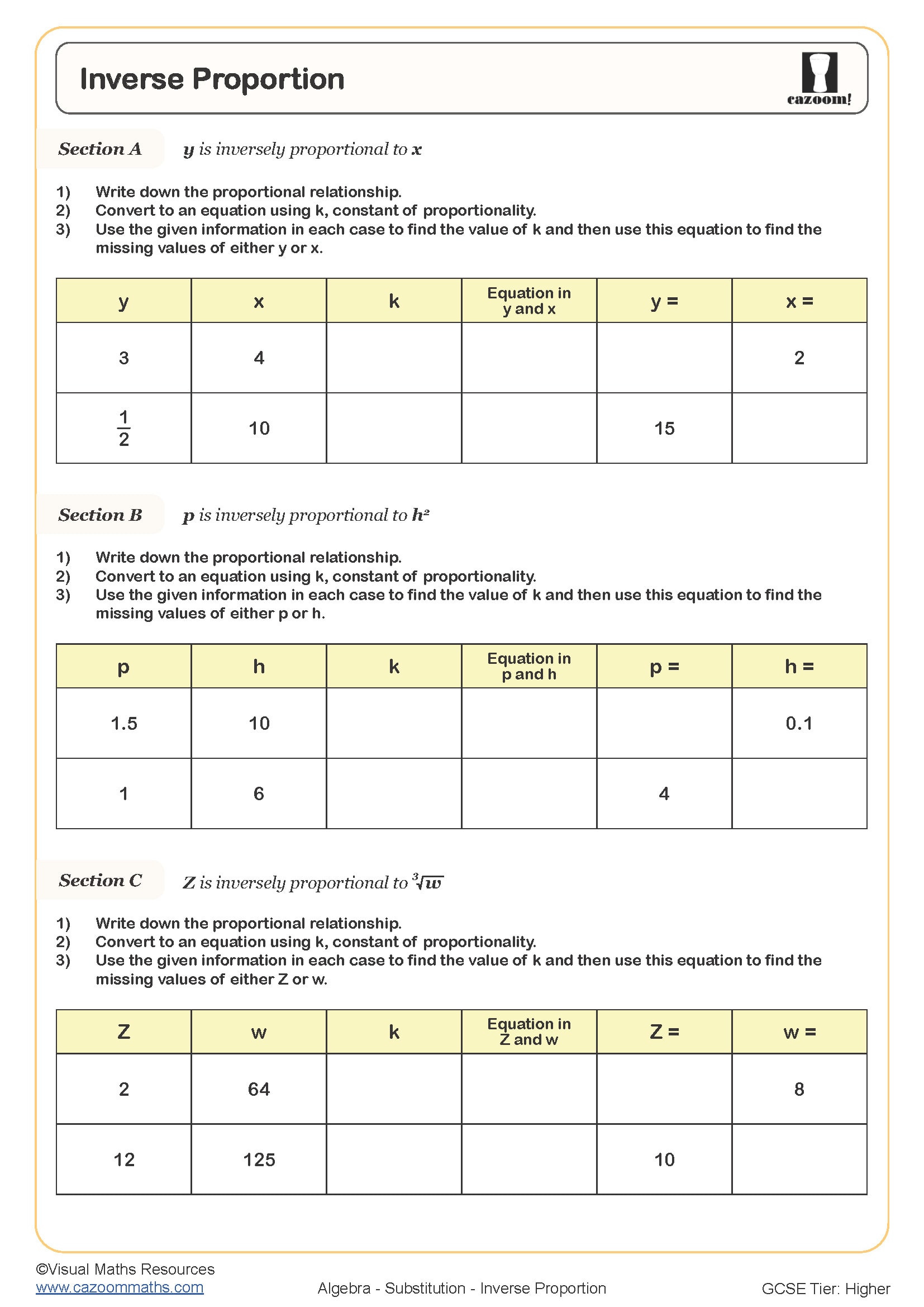
Inverse proportion printable worksheet.
One of the key benefits of these worksheets is that they provide a structured and progressive learning path. Worksheets often start with simpler problems and gradually increase in difficulty, allowing students to build their confidence and skills step by step. This approach ensures that learners are not overwhelmed and can master each concept before moving on to more challenging tasks.
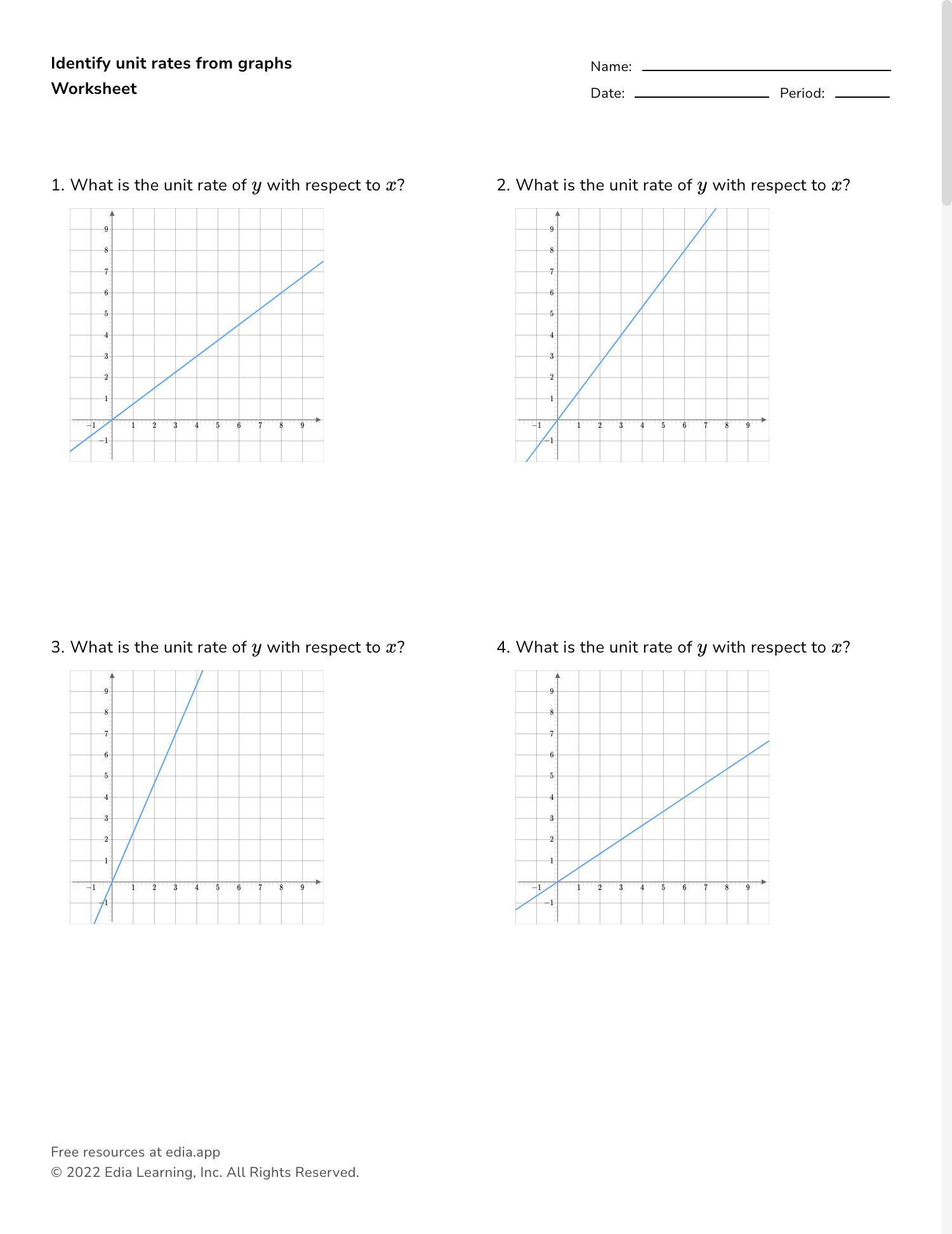
Identifying proportional relationships from graphs.
Additionally, worksheets often include a variety of question types, such as multiple-choice, fill-in-the-blank, and open-ended problems. This diversity ensures that students are exposed to different formats, helping them develop flexibility in their thinking and problem-solving strategies. Some worksheets may also include visual aids like graphs or diagrams, further enhancing students' ability to interpret and analyze proportional relationships.
Rules of proportional relationships explained.
How Can Parents and Teachers Use Proportional Relationship Worksheets?
For parents and teachers, proportional relationship worksheets are a valuable resource for supporting their students' learning journey. These worksheets can be used in various ways to cater to different learning styles and needs.
Tables and graphs for proportional relationships.
In a classroom setting, teachers can assign worksheets as individual or group work, encouraging students to discuss and collaborate on solving problems. This collaborative approach not only reinforces learning but also fosters important social and communication skills. Teachers can also use worksheets as a diagnostic tool, identifying areas where students may need additional support or extension activities.
Graphing proportional relationships, part 1.
For homeschooling or tutoring sessions, worksheets provide a structured framework for learning. Parents and tutors can use them to guide their teaching, ensuring that key concepts are covered and that students have ample practice opportunities. Worksheets can be tailored to the specific needs of each student, allowing for personalized learning experiences.
Free ratios and proportions worksheet.
When using worksheets at home or in a tutoring environment, it's essential to provide guidance and support. Parents and tutors can work through the problems with their students, explaining concepts and strategies as needed. This hands-on approach ensures that learners fully understand the material and can apply it confidently.
Practical Tips for Using Proportional Relationship Worksheets
When utilizing proportional relationship worksheets, there are a few practical considerations to keep in mind. First, it's important to choose worksheets that are appropriate for the learner's age and grade level. Worksheets that are too easy may not provide enough challenge, while those that are too advanced can be frustrating and demotivating.
Printing and organizing worksheets is also essential. Parents and teachers can create a dedicated learning space with a printer and a well-organized system for storing and accessing worksheets. This ensures that learners have easy access to the resources they need and that worksheets can be reused or referenced as needed.
Furthermore, it's beneficial to create a routine around worksheet practice. Setting aside dedicated time for completing worksheets can help students develop a consistent study habit. Parents and teachers can also use worksheets as a reward or incentive, offering a fun break from regular lessons or as a way to celebrate progress and achievements.
Proportional Relationships in Action: Real-World Applications
Understanding proportional relationships is not just an academic exercise; it has numerous real-world applications. From everyday tasks like cooking and measuring ingredients to more complex scenarios like calculating proportions for architectural designs or understanding the relationship between speed and distance, proportional reasoning is a vital skill.
By practicing with proportional relationship worksheets, students can develop a deeper understanding of these real-world applications. Worksheets can introduce scenarios that mimic real-life situations, helping students see the practical value of their learning. For example, a worksheet might ask students to calculate the proportional relationship between the number of guests and the amount of cake needed for a party, or determine the scale factor for a model bridge they are designing.
As students progress, worksheets can also introduce more abstract concepts, such as proportional graphs. These visual representations of proportional relationships provide a powerful tool for understanding and analyzing data. Students can learn to interpret and create proportional graphs, further enhancing their mathematical literacy and problem-solving skills.
In conclusion, proportional relationship worksheets are a versatile and effective tool for reinforcing this key mathematical concept. By providing a structured and progressive learning experience, these worksheets help students develop a strong foundation in proportional reasoning, preparing them for real-world applications and more advanced mathematical concepts. Whether used in classrooms, homeschooling, or tutoring sessions, these worksheets offer a practical and engaging way to support learners on their mathematical journey.
11 Oogie Boogie Pumpkin Stencil Ideas might not be directly related to proportional relationships, but it's a fun way to bring some Halloween spirit into the learning environment!
Hey there, math enthusiasts! We've covered a lot of ground today, exploring the fascinating world of proportional relationships. It's an essential concept that will undoubtedly come in handy, so make sure to give it the attention it deserves.
Why not put your newfound knowledge to the test with a fun worksheet? It's a great way to reinforce your understanding and identify any areas that might need a little extra practice. So, go ahead, grab a worksheet, and give it a go! And don't forget to leave a comment or share your experience below; we'd love to hear how it went and any tips you have for fellow learners.
Linear equations practice for 7th grade.
Read also: 15 Stencil Alphabet Designs for Diy Projects
Related: 13 Area of a Circle Worksheets for Practice
As a parent, I'm always on the lookout for resources to support my child's learning journey. Area of a circle worksheet is one such practical tool that can make a difference. It's a simple yet effective way to help kids grasp the concept of calculating areas, and it's a skill that comes in handy, especially when they move on to more complex math topics. I've found that these worksheets, like the area of a rectangle worksheet, are a great way to provide extra practice and ensure my child's math foundation is strong.
Fun math challenge for kids: find circle area.
Calculating the Circle's Surface: A Key Math Skill
An area of a circle worksheet is an invaluable tool for anyone looking to strengthen their understanding of geometry and, more specifically, the calculation of a circle's surface area. This worksheet type focuses on a fundamental mathematical concept, offering a structured way to practice and master the art of finding the area enclosed by a circle.
Kids practice calculating circle area with this sheet.
Beyond Basics: Exploring Radius Squared Pi and More
While the basic formula for the area of a circle is A = πr^2, where 'r' represents the radius and π (pi) is a mathematical constant approximately equal to 3.14, there's more to these worksheets than meets the eye. Advanced worksheets might introduce more complex scenarios, such as finding the area when given the diameter or even the circumference. These challenges encourage learners to think beyond the basic formula, promoting a deeper understanding of geometric relationships.
Sectors and angles: a fun sector area worksheet.
People Also Ask: What's the Best Way to Find the Circumference?
A common query related to circle geometry is how to determine the circumference. While the area of a circle worksheet primarily focuses on surface area, it's essential to note that the circumference, or the distance around the circle, is calculated differently. The formula for the circumference is C = 2πr, where 'r' is still the radius. This distinction is crucial for learners to grasp, as it showcases the unique characteristics of circles in geometry.
Free worksheets on circle area and circumference.
How to Make the Most of Area of a Circle Worksheets: A Practical Guide
When it comes to utilizing area of a circle worksheets, there are several practical considerations to keep in mind. Firstly, ensure you have a clear understanding of the worksheet's purpose and the specific skills it aims to develop. This will help you guide your child or students effectively. Secondly, consider the learning environment. Whether it's a classroom, homeschool setting, or personal study, create a calm and focused atmosphere to maximize learning potential. Lastly, don't underestimate the value of repetition. Consistent practice with these worksheets can significantly enhance understanding and retention of the concepts.
Geometry practice: circle and sector area PDF.
Strengthening Geometry Skills: A Real-World Application
The ability to calculate the area of a circle is not just an academic exercise; it has real-world applications. From architecture and engineering to everyday tasks like calculating the area of a circular garden or the surface of a round table, this skill is surprisingly versatile. By engaging with area of a circle worksheets, learners not only improve their mathematical proficiency but also develop a practical skill set that can be applied in various scenarios, fostering a deeper appreciation for the relevance of math in everyday life.
Sixth grade math: circle area and circumference.
Moreover, these worksheets often serve as a stepping stone to more complex geometric concepts, such as those involving exponential functions. For instance, 20 Exponential Functions Worksheets to Try offer a natural progression for learners who have mastered the basics of circle geometry.
Grade 7 PDF: circle area and circumference worksheet.
In conclusion, the area of a circle worksheet is a versatile and powerful tool for anyone looking to enhance their mathematical skills. By providing a structured approach to learning, these worksheets offer a pathway to understanding a fundamental geometric concept and its real-world applications. Whether you're a parent, teacher, or learner, incorporating these worksheets into your learning journey can be a rewarding and enriching experience.
Geometry practice: circle and sector area worksheets.
Circle theorems worksheet: a fun geometry PDF.
PDF printable: circle theorems practice sheet.
Worksheets to find the area of a circle.
PDF worksheet: circle area and circumference.
Hey there, math enthusiasts! I hope this worksheet journey has been an enlightening one. Remember, mastering these geometric concepts is all about practice, and what better way to do that than with a fun and focused worksheet?
So, go ahead, give it a go! Print out that worksheet, grab a pencil, and let the circle-solving adventure begin. And when you're done, don't forget to leave a comment and share your experience. Did you find it helpful? Was it a breeze, or did it challenge you just the right amount? We'd love to hear all about it!
Printable PDF: circle area and sector worksheets.
Read also: 26 Practice Worksheets for Solving Multi Step Equations