



My Take on Printable Reading Logs
I recently stumbled upon the world of printable reading logs, and it's been a standout feature for tracking my kids' reading progress. When looking into printable reading logs, the details quickly stand out. These handy sheets offer a simple, effective way to encourage reading and keep a record of their literary adventures. Let me share my hands-on experience with you!
I've been using them for a few weeks now, and I must say, the variety and customization options are impressive. From basic logs to creative themes, there's something for every reader and every goal. But are they practical? Let's dive in and find out! For a closer look at something similar, my post on hello kitty printable covers the details.
Are They Worth Your Time?
For parents and teachers, these printable reading logs are a brilliant tool. They provide a structured way to motivate kids to read more and offer a visual record of their achievements. I've found them especially useful for younger readers who need that extra nudge and a sense of accomplishment. You can also compare this directly with printable 100 chart to see how they stack up.
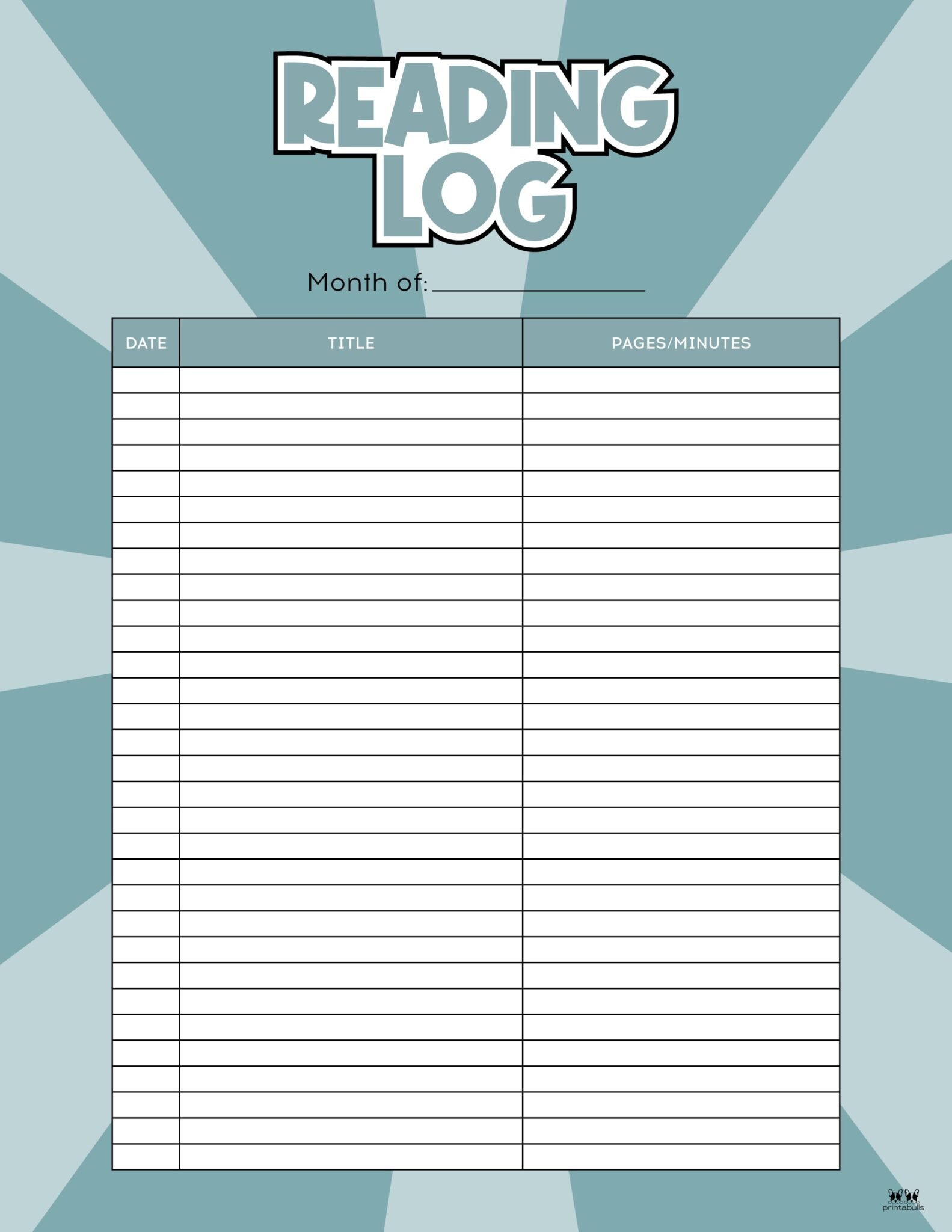
The range of designs is impressive. You can find logs with fun themes, like summer reading adventures or book-themed challenges. These add an element of excitement and make tracking reading a fun activity in itself. Plus, many sites offer printable reading log sheets for free, which is a huge bonus! If you want another perspective, check out my notes on usa flag printable as well.
Longevity and Practicality
While the novelty of a new reading log can be exciting, the real test is how well it holds up over time. In my experience, the key lies in finding a log that suits your needs and is easy to maintain. For a closer look at something similar, my post on printable chore chart covers the details.

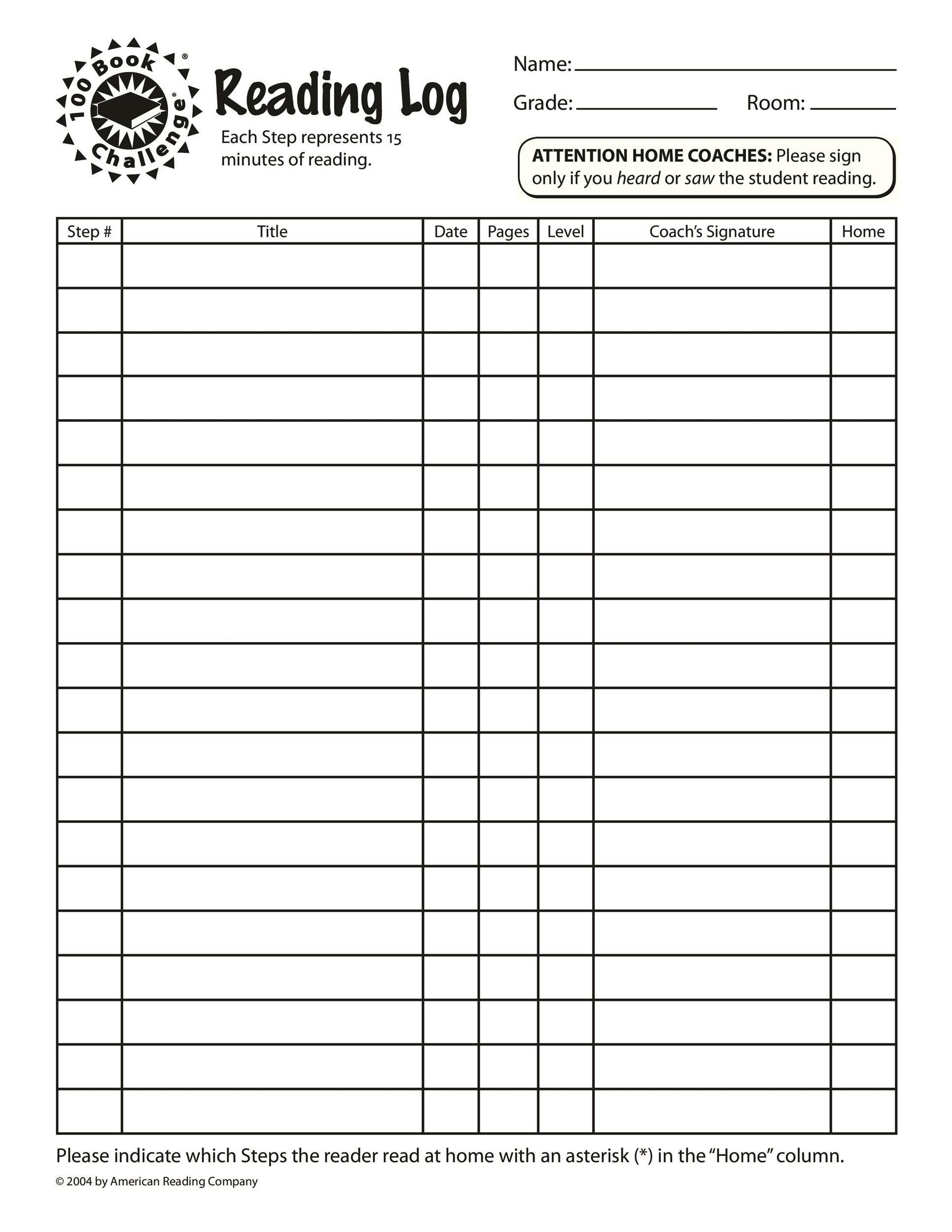
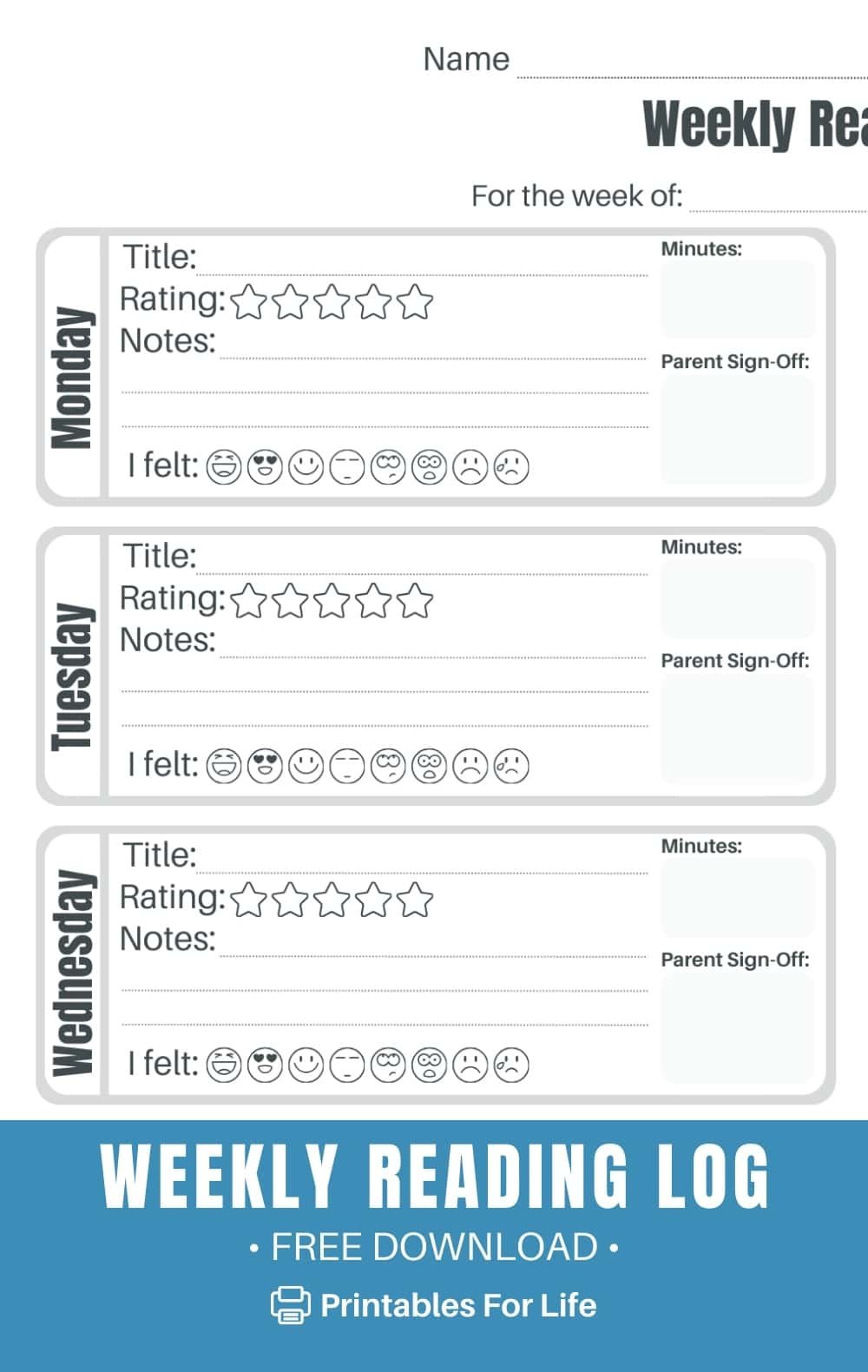
Some logs are more detailed, asking for book titles, pages read, and even short summaries. These can be great for older kids or those who want to reflect on their reading. However, for younger readers or those just starting, simpler logs with basic checkboxes or color-in options might be more engaging and less overwhelming. You can also compare this directly with printable words search to see how they stack up.
First Impressions and Ease of Use
The initial appeal of these printable reading logs is strong. The designs are often colorful and attractive, which is a plus for capturing kids' interest. I've found that the printable reading log worksheets with clear, large fonts and simple layouts are the easiest to use, especially for younger readers who might struggle with tiny text or complex formats.

Another aspect to consider is the printing process. I recommend using a good-quality printer and paper. Opt for a slightly thicker paper stock (around 160-200 GSM) to give the logs a more durable feel. Also, printing at 'Actual Size' instead of 'Fit to Page' ensures the layout stays true to the design.
Rough Edges and Tweaks Needed
Despite their many benefits, printable reading logs do have a few drawbacks. One common issue is the margin alignment. Sometimes, the log doesn't print perfectly within the paper's margins, leading to cut-off text or images. This is especially true with free templates, so double-check the preview before printing.

Another challenge is finding the right balance between detail and simplicity. While detailed logs can be great for older readers, they might intimidate or overwhelm younger ones. It's a fine line to tread, and it often comes down to personal preference and the reader's age.
Overall, I'm a big fan of printable reading logs and their potential to encourage and track reading progress. They offer a fun, engaging way to motivate kids and provide a visual record of their reading journey.
With a bit of trial and error to find the right log and a few printing tips, you can make the most of these handy tools. So, are you ready to give them a go?