



Similar Figures: A Visual Journey into Geometric Proportions
When it comes to geometry, one of the most fascinating concepts is that of similar figures. These are shapes that have the same angles and proportional dimensions, even if they differ in size. Identifying and working with similar figures is a crucial skill, and it's one that many students, like your son, might need a little extra practice to master. That's where the similar figures worksheet comes in as a valuable tool.
Special Segments and Triangle Worksheets
Beyond Basics: Exploring Advanced Similarity Concepts
While the concept of similar figures might seem straightforward, there's more to it than meets the eye. Worksheets on similar figures often delve into various types of questions and activities that challenge learners' understanding of this geometric concept. For instance, students might encounter problems involving congruent triangles with identical angles and sides, or they may need to calculate the scale factor between two similar shapes. These advanced concepts require a deeper grasp of proportional reasoning and geometric properties.
Exploring Similar Figures and Congruence
People Also Ask: What Makes a Similar Figures Worksheet Effective?
A common curiosity among educators and parents is what makes a similar figures worksheet truly beneficial. Well, an effective worksheet should offer a range of activities that cater to different learning styles and abilities. It should provide clear instructions, visually appealing diagrams, and a variety of problem types. Additionally, including a mix of simple and more complex questions can cater to a wider range of learners, allowing them to gradually build their confidence and skills.
Scale Drawings and Similarity Practice
How to Choose and Use a Similar Figures Worksheet
When selecting a similar figures worksheet, consider the specific learning objectives and the skill level of the students. Look for worksheets that offer a good balance of practice problems, with a focus on both identifying similar figures and applying the concept in various contexts. For instance, some worksheets might include real-world scenarios or geometric puzzles that require students to think critically about similar figures.
Congruence and Similarity Examples
To use the worksheet effectively, ensure that learners have a solid understanding of the basics first. Start with simple problems and gradually introduce more complex concepts. Encourage students to draw, measure, and analyze the shapes to develop a deeper understanding. Providing a step-by-step approach and offering guidance when needed can make the learning process more engaging and effective.
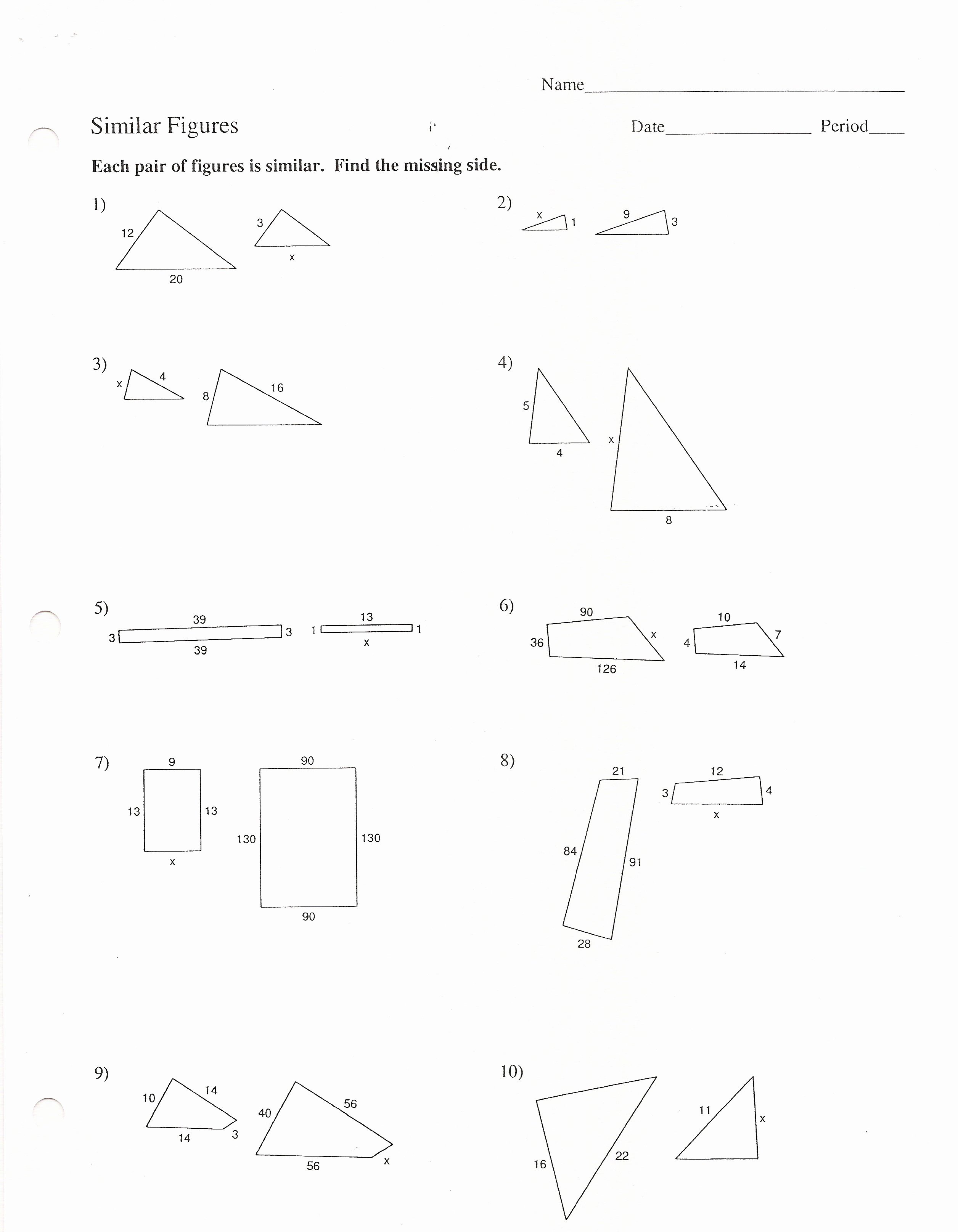
Similar and Congruent Figures: Free Worksheet
Unlocking Real-World Applications: Similar Figures in Action
The beauty of similar figures extends beyond the classroom. These concepts have practical applications in various fields, from architecture and engineering to art and design. For instance, understanding similar figures can help artists create accurate perspective drawings, while engineers might use these principles to design structures with consistent proportions.
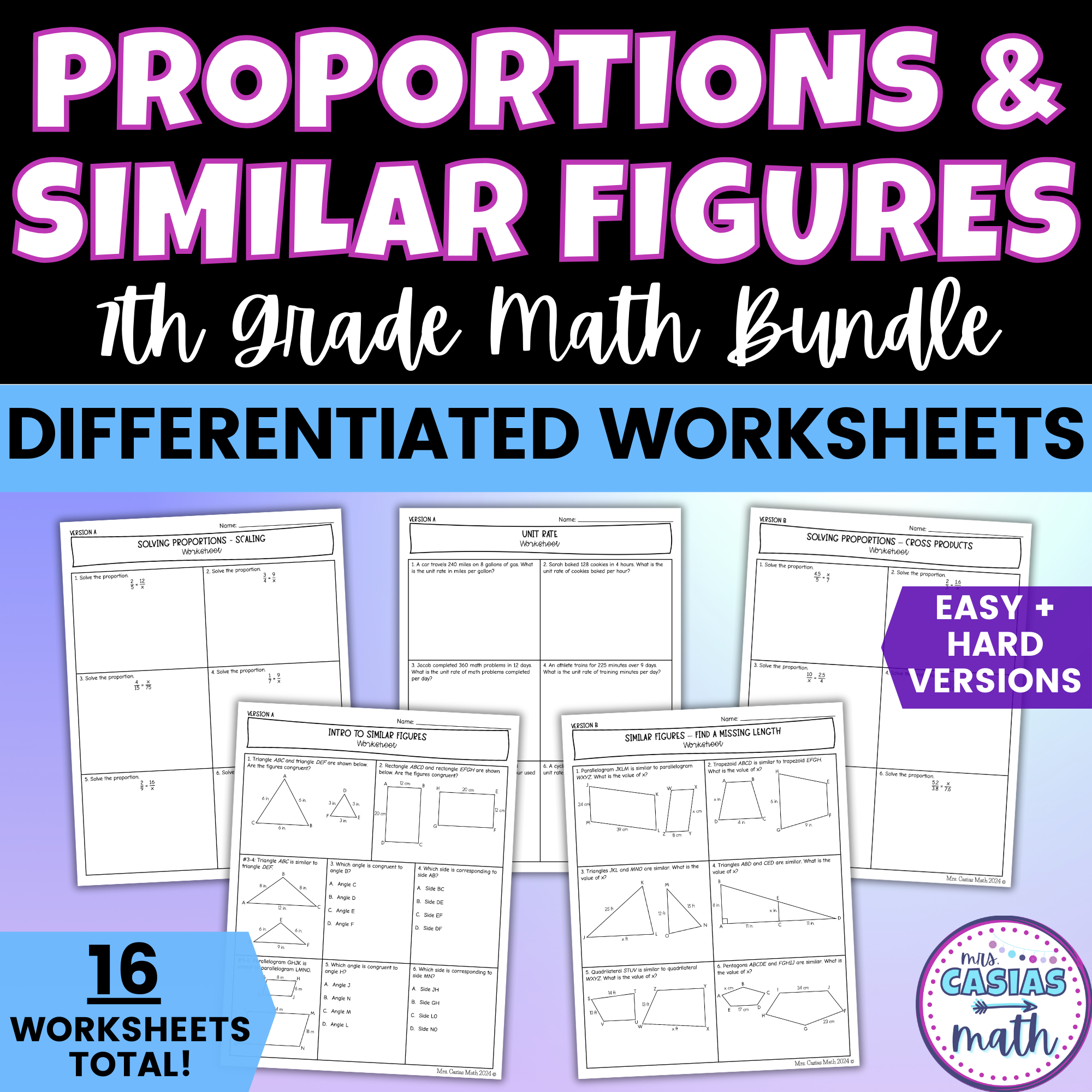
Proportions and Similar Figures: 7th Grade Bundle
To bring these real-world applications to life, consider incorporating similar figures into creative projects. For example, students could design their own architectural blueprints, create geometric art pieces, or even explore the use of similar figures in nature or everyday objects. By making these connections, learners can see the relevance and beauty of similar figures in their daily lives, fostering a deeper appreciation for geometry.
Similar Triangles: Worksheets and Activities
Whether you're a parent, teacher, or tutor, the similar figures worksheet is a versatile tool that can enhance geometric learning. With its focus on visual understanding and proportional reasoning, it offers a fun and interactive way to explore this fascinating concept. So, grab a similar figures worksheet, and let's embark on a journey through the world of geometric proportions!