

Solving Proportions Worksheet Grade 2 Overview
I've always found math to be a tricky subject, especially when it comes to teaching my kids the basics. It can be a real challenge to keep them engaged and make learning fun. That's why I was glad to discover fact family worksheets - a simple yet effective tool to practice and reinforce those essential math skills. These worksheets, like our fact family worksheet grade 1, are a great way to introduce and solidify the concept of fact families, which is a building block for more complex math operations. Check out 12 Worksheets on Multiples and Factors for some practical resources!
Kindergarteners' first fact family adventure.
Fact Families: Building Blocks for Math Mastery
Fact families are a fundamental concept in mathematics, serving as the foundation for more intricate mathematical operations. These families consist of related numbers that, when combined through addition and subtraction, produce various sums and differences. By understanding and practicing fact families, young learners develop a solid grasp of number relationships, which is essential for tackling more complex equations in the future.
Practice adding and subtracting freely.
Exploring the World of Fact Family Worksheets
Fact family worksheets are a versatile and effective tool for reinforcing these fundamental math skills. These worksheets provide a structured framework for learners to explore and practice fact families, often focusing on addition and subtraction but also extending to multiplication and division as students advance.
Explore fact families with addition and subtraction.
The beauty of fact family worksheets lies in their adaptability. They cater to a wide range of learners, from those just beginning their math journey to more advanced students seeking a deeper understanding of number relationships. By offering a variety of questions and activities, these worksheets ensure that learners can progress at their own pace, building confidence and mastery along the way.
Fact families: a fun math challenge.
For instance, a fact family worksheet might present a set of numbers, such as 3, 5, and 8, and prompt students to identify the related addition and subtraction facts. This simple exercise helps learners recognize the interconnectedness of numbers and develop strategic thinking skills. As students progress, the worksheets can introduce more complex fact families, incorporating larger numbers and more challenging operations.
Learn with a fact family worksheet.
People Also Ask: What Are the Benefits of Using Fact Family Worksheets?
Fact family worksheets offer a multitude of benefits for both learners and educators. Firstly, they provide a structured and engaging way for students to practice and reinforce their understanding of fact families, a critical building block in mathematics. By working through these worksheets, learners develop a deeper comprehension of number relationships, which is essential for more advanced mathematical concepts.
Anatomy worksheets: a different focus.
Additionally, fact family worksheets promote critical thinking and problem-solving skills. As students navigate through the worksheets, they learn to analyze patterns, identify relationships, and apply logical reasoning. This not only enhances their mathematical abilities but also fosters a growth mindset, encouraging them to approach challenges with confidence and perseverance.
Grade-appropriate fact families practice.
How Can I Effectively Use Fact Family Worksheets in My Classroom or Homeschool Setting?
Fact family worksheets are a versatile resource that can be seamlessly integrated into various learning environments, including classrooms, homeschool settings, and even tutoring sessions. Here are some practical tips for making the most of these worksheets:
Multiplication fact families: fun printable.
- Differentiated Learning: Fact family worksheets come in a range of difficulty levels, allowing educators to cater to the diverse needs of their students. By offering worksheets that align with each student's ability level, teachers can ensure that all learners are challenged appropriately, fostering a sense of achievement and motivation.
Fact families: addition and subtraction.
- Group Work and Collaboration: Fact family worksheets can be a valuable tool for fostering collaboration and peer learning. By working in pairs or small groups, students can discuss their strategies, share insights, and learn from one another. This collaborative approach not only enhances their understanding of fact families but also promotes social and communication skills.
Fact family worksheets: a versatile tool.
- Independent Practice: Fact family worksheets also provide an excellent opportunity for independent practice. Students can work through the worksheets at their own pace, reinforcing their understanding of fact families and developing self-confidence in their mathematical abilities.
Addition fact families: practice sheets.
- Progressive Learning: Fact family worksheets often come in sets or series, allowing for progressive learning. As students master one set of worksheets, they can move on to more challenging ones, gradually building their skills and knowledge. This progressive approach ensures that learners are always engaged and motivated, as they continuously face new and exciting mathematical challenges.
Digital fact family worksheet: addition.
Unlocking the Power of Practice: The Benefits of Consistent Fact Family Workouts
Consistent practice with fact family worksheets offers a myriad of benefits for learners of all ages. Firstly, it reinforces the concept of fact families, ensuring that students internalize the relationships between numbers and operations. This foundational knowledge becomes a powerful tool as they progress through more advanced mathematical concepts.
Additionally, regular practice with fact family worksheets enhances fluency and speed in mathematical operations. As students become more familiar with the fact families, they develop a mental library of related facts, allowing them to solve equations more efficiently and accurately. This fluency not only boosts their confidence but also frees up cognitive resources for more complex problem-solving tasks.
Furthermore, consistent practice with fact family worksheets fosters a growth mindset towards mathematics. By engaging in regular practice, students learn that mathematical skills are not innate but can be developed through effort and persistence. This mindset shift can have a profound impact on their overall academic performance and attitude towards learning.
In conclusion, fact family worksheets are a powerful tool for building a strong foundation in mathematics. By offering a structured and engaging learning experience, these worksheets empower students to master fact families, develop critical thinking skills, and approach more complex mathematical concepts with confidence. Whether used in classrooms, homeschool settings, or as a supplement to tutoring, fact family worksheets are a versatile and effective resource for fostering mathematical excellence. 29 Archangel Michael Tattoo Stencil Ideas
Fact families are a brilliant tool to enhance a child's mathematical journey, offering a fun and engaging way to learn. It's an effective strategy to build a strong foundation, and with these worksheets, your little ones can explore and master these concepts at their own pace.
So, why not give it a go? Print out a few worksheets, gather some colorful pencils, and let the learning begin! It's a great way to spend quality time with your child, and you might just be surprised at how quickly they pick it up. Leave a comment or share your experience below; we'd love to hear how it goes!
Advanced fact families for grade 4.
Read also: 29 Ratio Tables Worksheets for Classroom Practice
Related: 11 Cursive Learning Worksheets for Kids
Learning cursive can be a fun adventure, but it's not always easy, especially for kids. I remember my own struggles with handwriting, and how helpful it would've been to have some cursive learning worksheets to guide me. These resources are a lifesaver for parents and teachers, offering a structured way to practice and improve handwriting skills. For instance, if you're a fan of free printable cursive word worksheets, you'll love how they make learning fun and engaging. It's like having a secret weapon to master cursive, and it's a great way to get creative, just like with those 20 Jack Skellington Pumpkin Stencil Ideas!
Third grade cursive practice sheets.
Cursive Learning Worksheets: A Guide to Beautiful Script Practice
Connecting the Dots: Cursive Writing Practice for All Ages
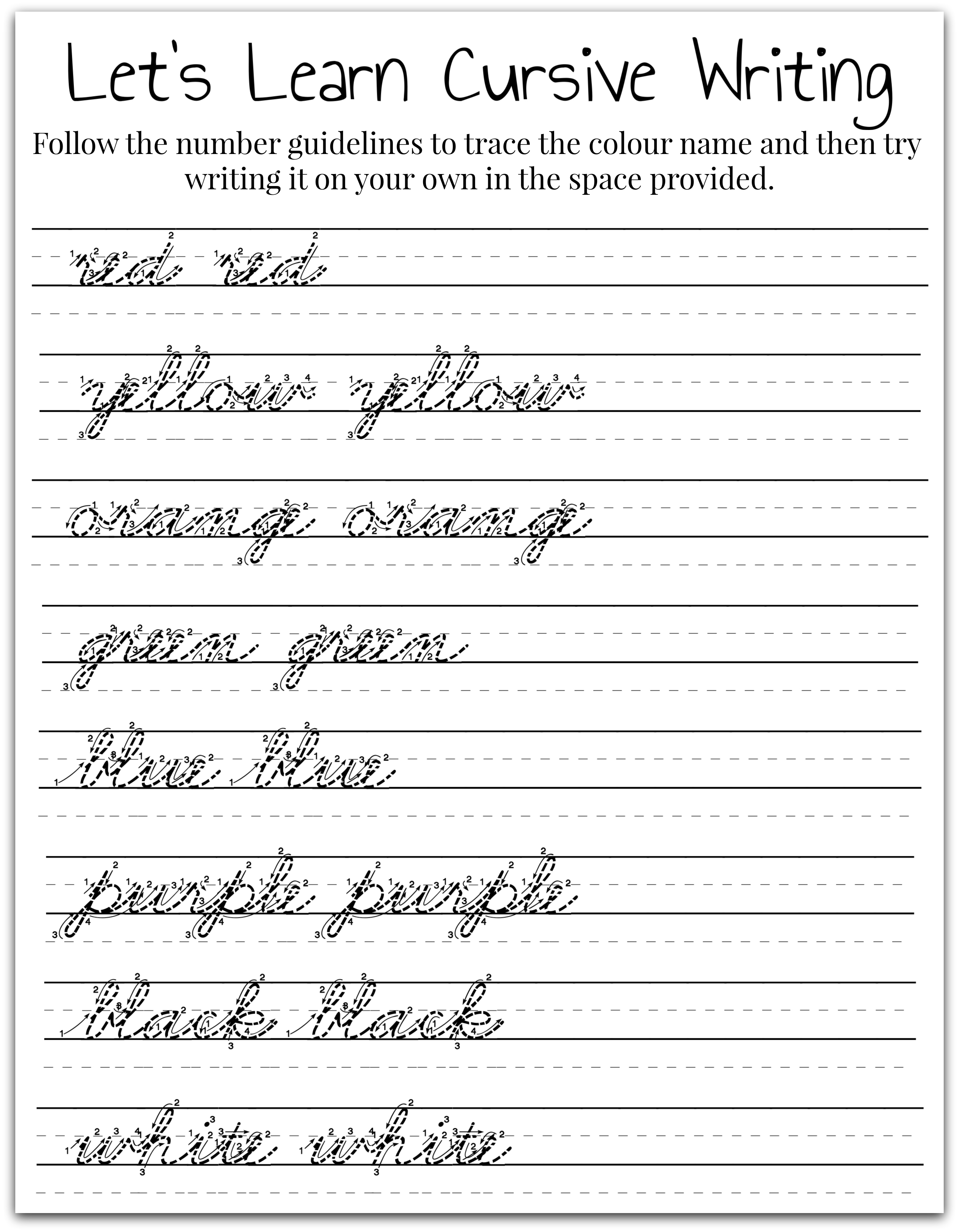
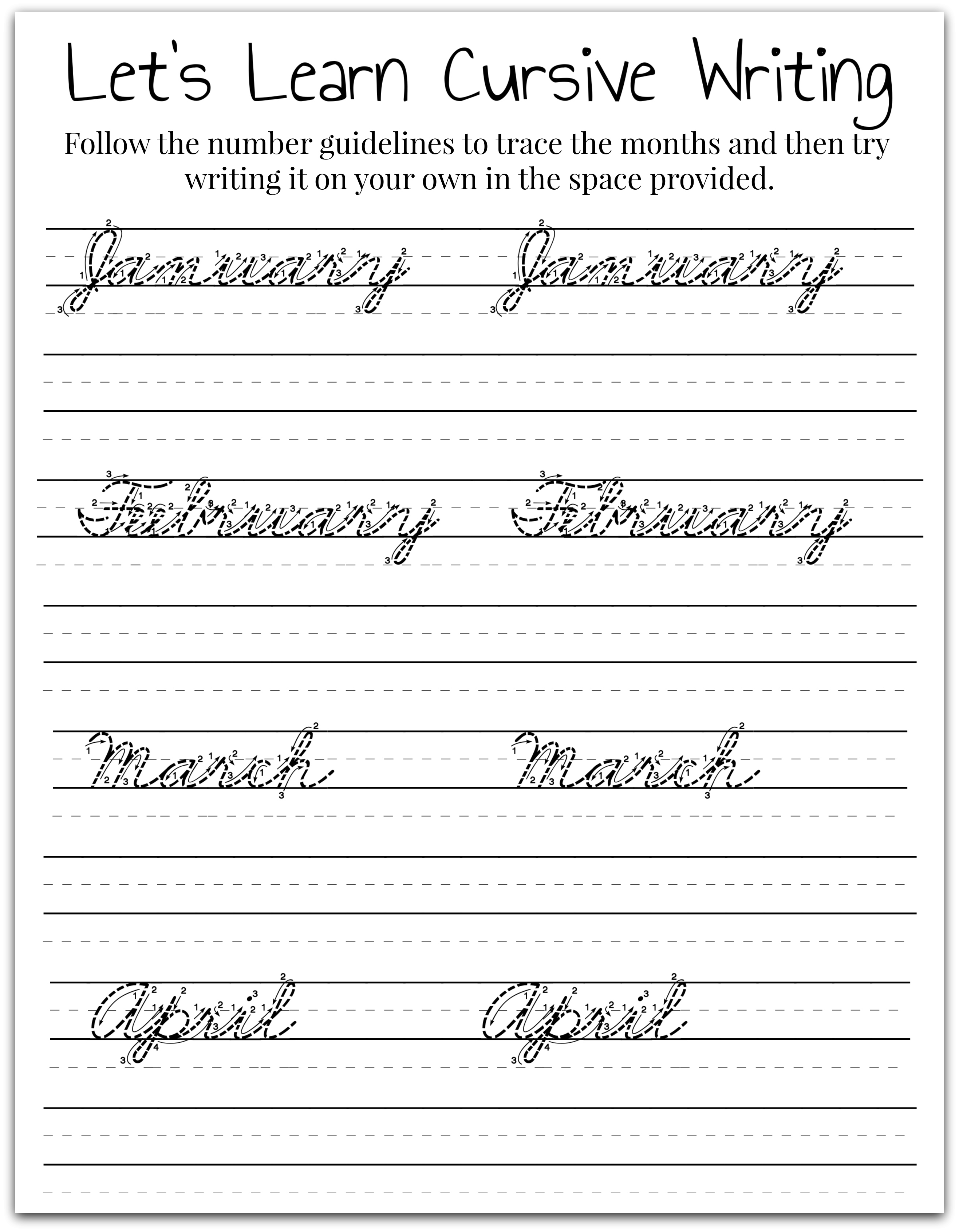
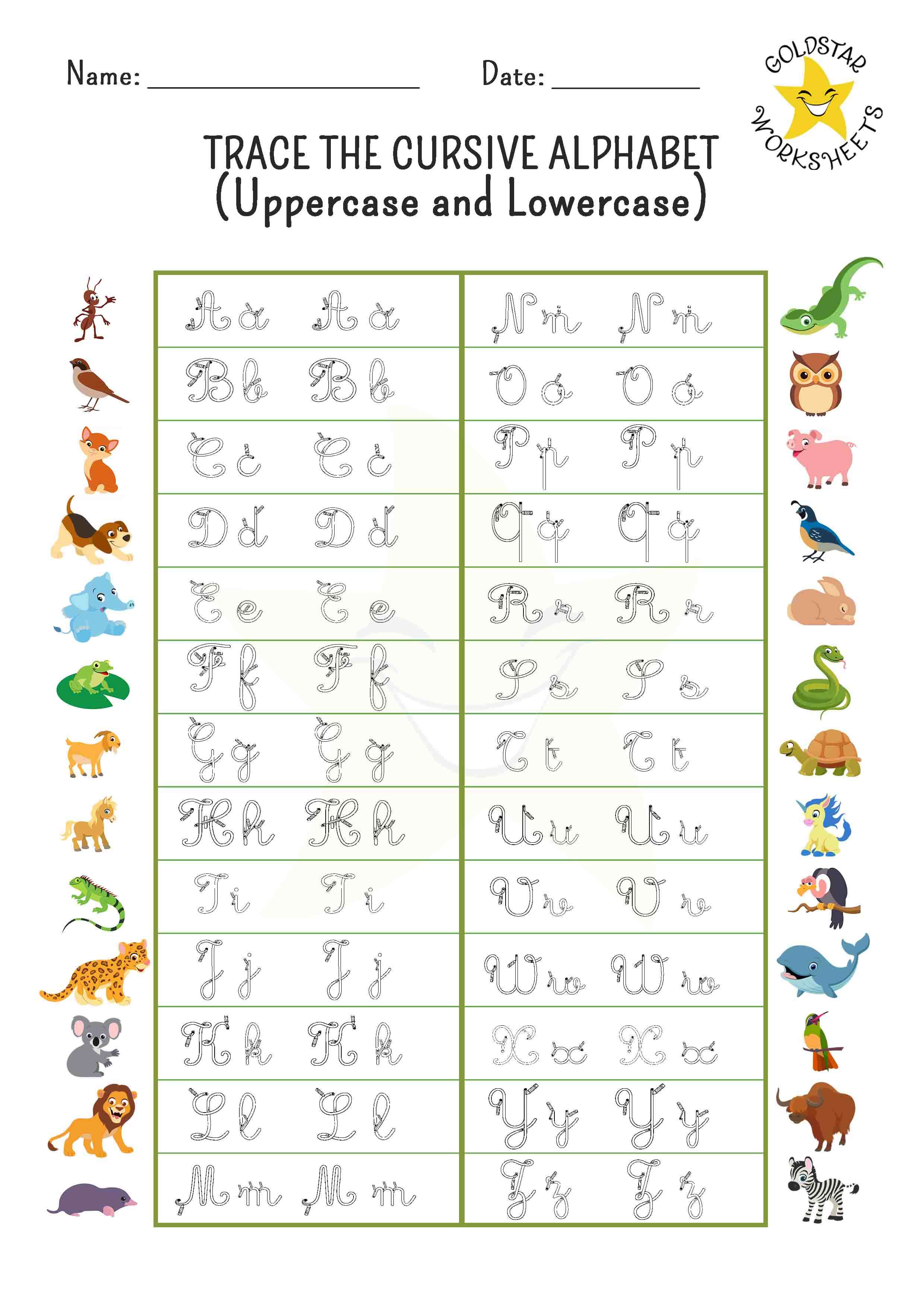
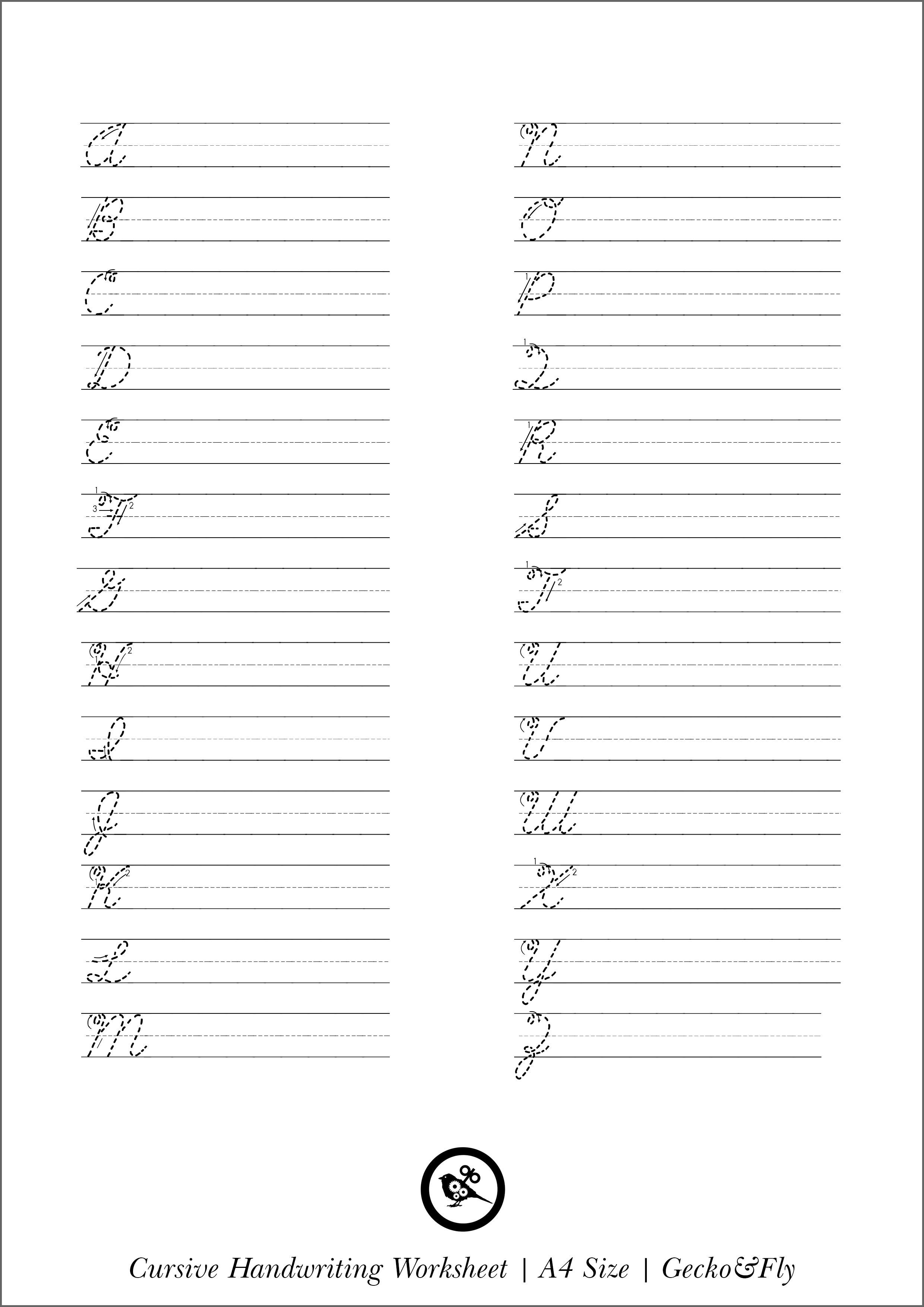
Cursive learning worksheets are an excellent resource for anyone looking to improve their handwriting skills, especially when it comes to mastering the art of cursive writing. These worksheets offer a structured approach to learning, providing a fun and engaging way to practice and perfect the graceful curves and fluid connections of cursive letters.
Alphabet tracing for preschoolers.
Whether you're a parent, teacher, or an individual learner, cursive learning worksheets can be tailored to suit different age groups and skill levels. For younger learners, often in grades 2 to 5, these worksheets typically focus on basic letter formation and simple words. They provide a solid foundation for handwriting, helping children develop fine motor skills and hand-eye coordination. As learners progress, the worksheets become more challenging, incorporating more complex words, phrases, and even sentences, allowing them to refine their cursive technique.
Uppercase cursive for beginners.
One of the key benefits of using cursive learning worksheets is the opportunity to practice tracing the letters. Many worksheets feature dotted lines or solid outlines of cursive letters, allowing learners to trace and mimic the correct formation. This repetitive practice helps ingrain the muscle memory required for writing cursive, making it a natural and effortless process over time.
Cursive sentence practice.
Beyond Tracing: Creative Letter Writing and Fun Handwriting Exercises
While tracing is a fundamental aspect of learning cursive, cursive learning worksheets offer much more than just tracing practice. They often incorporate a variety of engaging activities and exercises to keep learners motivated and excited about handwriting.
Kids' cursive writing PDF.
For instance, some worksheets feature connect-and-write activities, where learners must connect a series of dots or dashes to form a complete cursive letter or word. This not only reinforces letter formation but also adds an element of fun and creativity to the learning process. Other worksheets may include word search or crossword puzzles, where learners must find and write words in cursive, encouraging them to apply their handwriting skills in a more interactive way.
Learn cursive with style.
As learners advance, cursive learning worksheets can introduce more complex tasks, such as copying passages or writing creative stories in cursive. These activities not only improve handwriting but also enhance language skills, as learners focus on spelling, grammar, and creative expression.
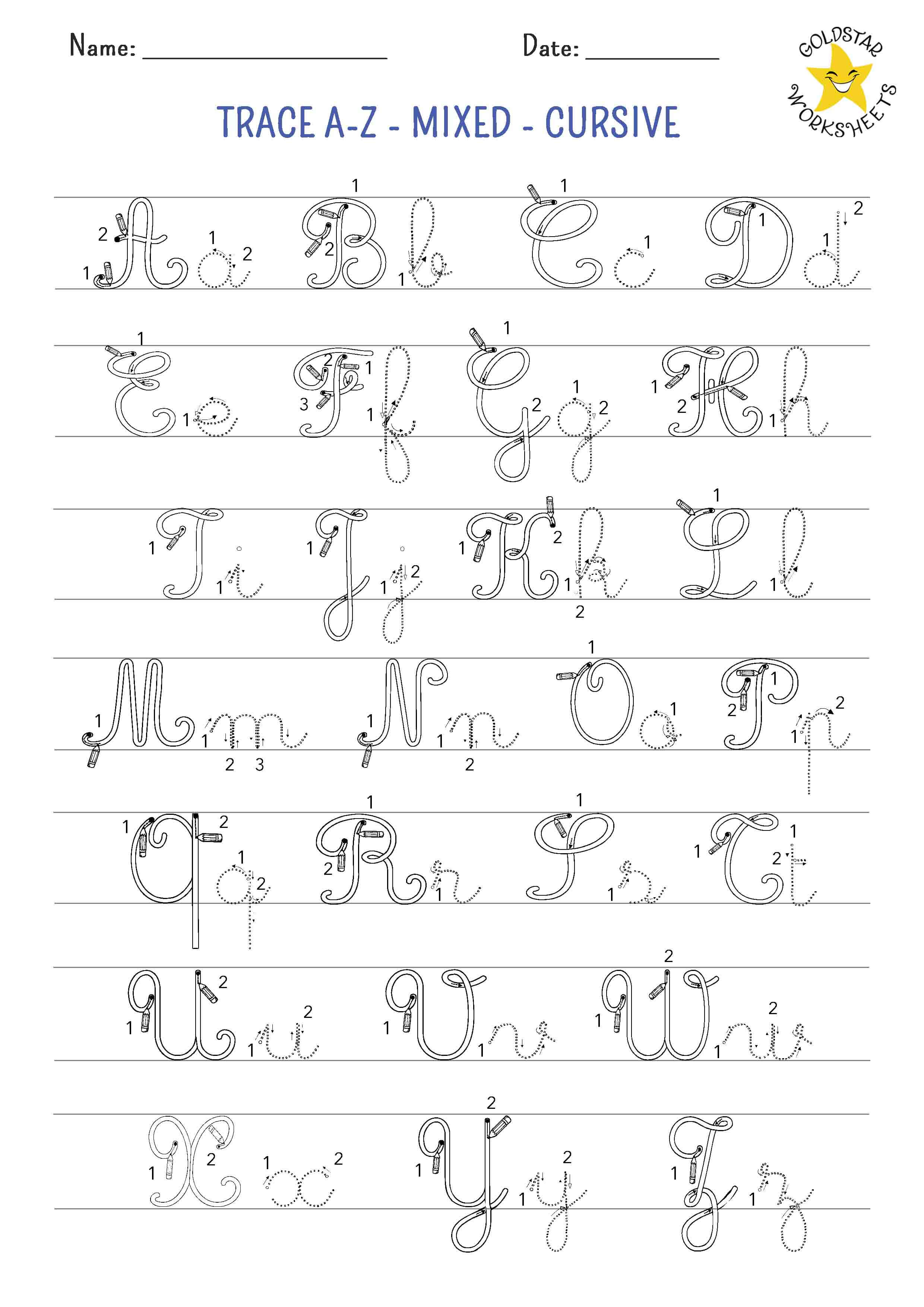
A-Z cursive tracing fun.
People Also Ask: What Age is Suitable for Cursive Learning Worksheets?
A common question among parents and educators is at what age children should start using cursive learning worksheets. While there is no one-size-fits-all answer, it's generally recommended to introduce cursive writing around the age of 7 or 8, when children have developed the necessary fine motor skills and cognitive abilities to grasp the concept.
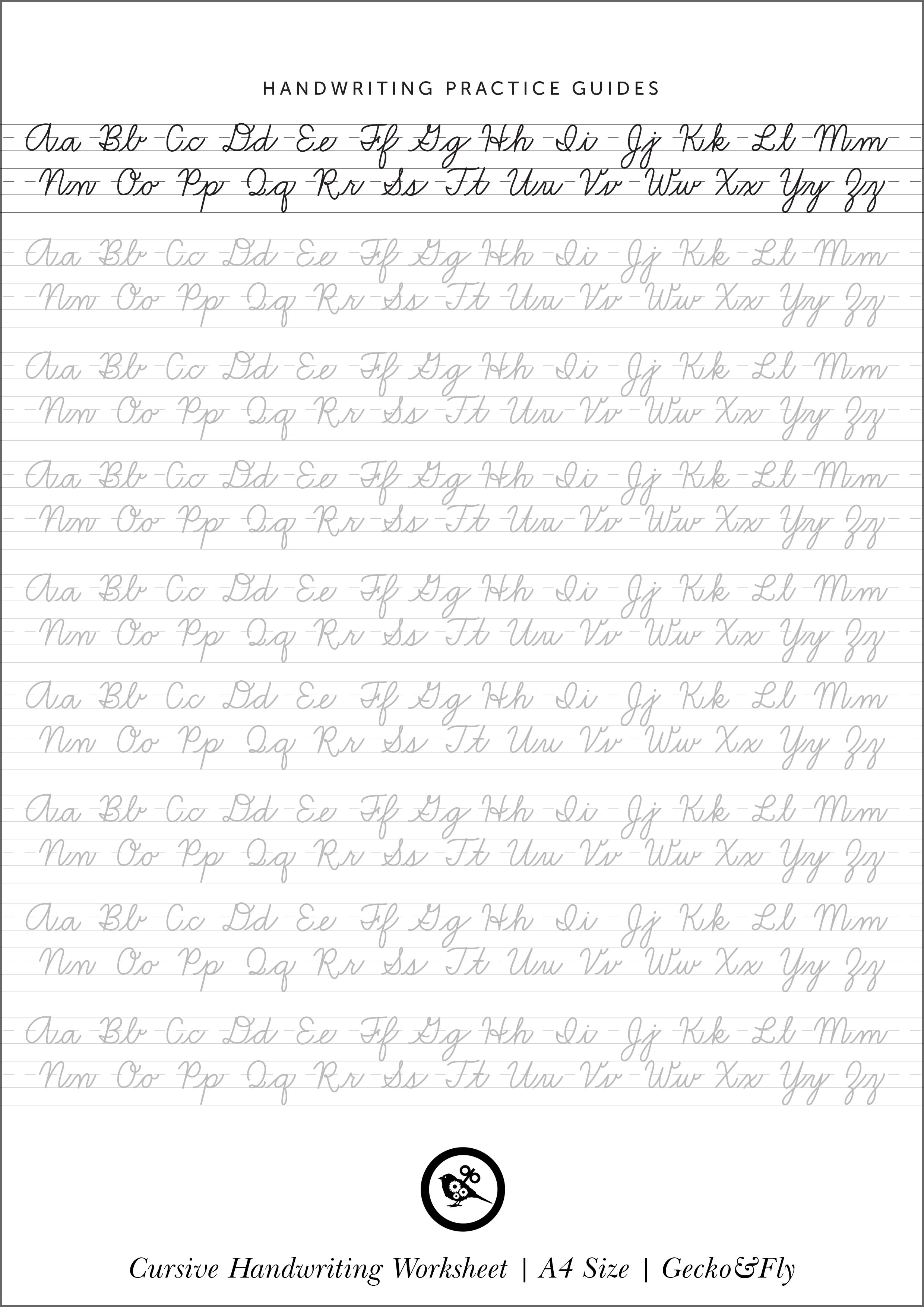
Free cursive handwriting practice.
However, it's important to remember that every child is unique, and their readiness for cursive writing may vary. Some children may show an interest and aptitude for cursive earlier, while others may benefit from a later introduction. It's always a good idea to assess a child's individual needs and abilities before deciding on the appropriate time to start using cursive learning worksheets.
Stylish A-Z cursive worksheets.
How to Make the Most of Cursive Learning Worksheets: Practical Tips
To ensure a positive and effective learning experience with cursive learning worksheets, here are some practical tips to consider:
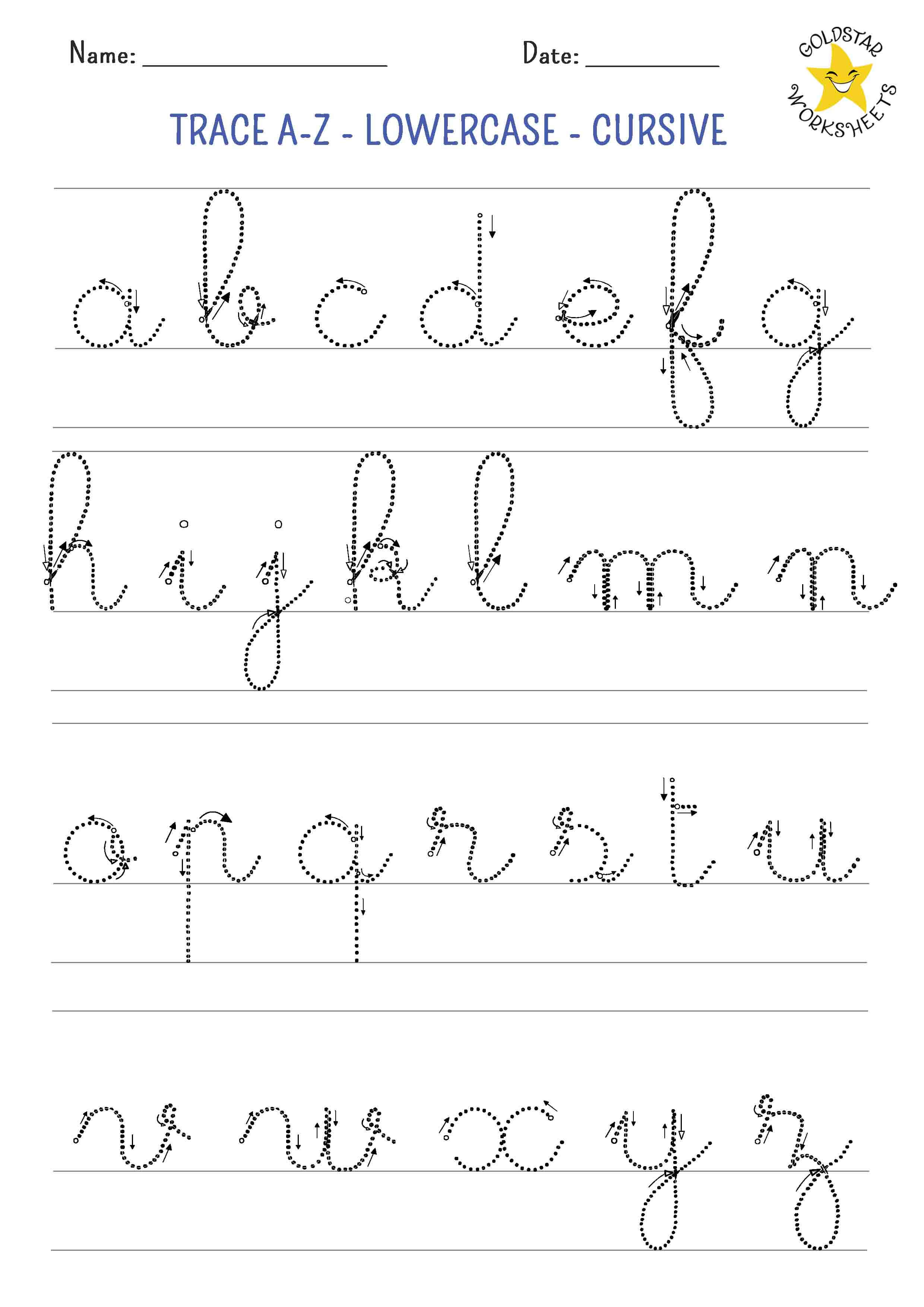
Flowing lowercase cursive.
- Choose the Right Worksheets: Select worksheets that match the learner's skill level and interests. Look for a variety of activities and themes to keep the learning experience fresh and engaging.
- Print and Prepare: Before using the worksheets, ensure you have a good quality printer and suitable paper. Consider using thicker paper for a smoother writing experience.
- Create a Comfortable Environment: Set up a dedicated workspace with good lighting and a comfortable writing surface. This can help learners focus and enjoy their handwriting practice.
- Incorporate Variety: Mix up the learning experience by using different types of cursive learning worksheets. Combine tracing, copying, and creative writing activities to keep learners motivated.
- Provide Guidance and Feedback: Whether you're a parent or teacher, offer guidance and encouragement during practice sessions. Provide constructive feedback to help learners improve their handwriting and boost their confidence.
Penmanship practice sheets.
Unlocking Creative Expression: The Joy of Cursive Writing
Cursive learning worksheets offer more than just handwriting practice; they open up a world of creative expression and personal style. As learners become more proficient in cursive, they can explore their own unique handwriting, adding flair and individuality to their writing.
Beautiful cursive handwriting worksheets.
Encouraging learners to experiment with different styles and techniques can enhance their creativity and confidence. They can try writing in different sizes, adding decorative flourishes, or even creating their own unique cursive alphabet. This creative freedom not only makes handwriting practice more enjoyable but also fosters a sense of pride and ownership over their written work.
Additionally, cursive learning worksheets can be a great tool for personal expression and self-discovery. Learners can use cursive writing to explore their thoughts and emotions, creating beautiful journals or letters that reflect their unique personalities. The act of writing in cursive can become a therapeutic and empowering experience, helping individuals connect with their inner creativity and express themselves authentically.
By incorporating cursive learning worksheets into their educational journey, learners can not only improve their handwriting skills but also unlock a world of creative possibilities. It's a journey that goes beyond the simple act of writing, leading to self-expression, confidence, and a deeper appreciation for the beauty of language and script.
Cursive writing is a beautiful skill to master, and with these worksheets, you can take your handwriting to the next level. It's a fun and creative process, so don't be afraid to experiment and find your unique style. Remember, practice makes perfect, and these resources are a great way to start.
So, why not give it a go? Print out a few worksheets, gather your pens and pencils, and see how your handwriting transforms. We'd love to hear about your progress and any tips you discover along the way. Leave a comment below and share your cursive journey with us!
Printable cursive writing exercises.
Read also: 13 Printable Tattoo Stencil Ideas
Related: 18 Life Skills Worksheets for Kids
I've always found it fascinating how a simple piece of paper can hold so much potential for learning. Life skills worksheets are like little tools that can make a big difference in our understanding of various topics. Take, for instance, the challenge of subtraction with regrouping; these worksheets can guide us through it step by step, making it less daunting. 25 Subtraction Worksheets With Regrouping is a great example of how these resources can simplify complex concepts, benefiting students and teachers alike.
Teaching life skills with engaging resources
Navigating Life's Challenges: Mastering Essential Skills
Life skills worksheets are an invaluable tool for anyone looking to develop and enhance their practical abilities, covering a wide range of essential skills needed to navigate life's complexities. From problem-solving and critical thinking to decision-making and emotional intelligence, these worksheets provide a structured approach to learning and offer a unique opportunity for self-improvement.
Adult life skills: a practical guide
Unlocking Financial Literacy: A Crucial Skill for All Ages
One area where life skills worksheets excel is in teaching financial literacy, a skill that is increasingly important in today's world. Worksheets can guide learners of all ages through the basics of money management, budgeting, and financial planning. For younger students, these worksheets can introduce concepts like saving, spending wisely, and understanding the value of money. As learners progress, more advanced worksheets can delve into topics like investing, compound interest, and managing personal finances responsibly. Financial literacy is a lifelong skill, and life skills worksheets provide a solid foundation for building financial awareness and confidence.
Printable worksheets for adult life skills
People Also Ask: What Specific Skills Do Life Skills Worksheets Target?
Life skills worksheets are versatile and can target a wide array of skills, catering to different age groups and learning levels. For younger learners, worksheets often focus on fundamental skills like problem-solving, critical thinking, and decision-making. These worksheets might present scenarios or puzzles that require logical reasoning and creative solutions, helping students develop their analytical abilities. As students advance, worksheets can introduce more complex skills, such as time management, emotional intelligence, and communication. For instance, a worksheet might challenge students to plan and prioritize tasks, fostering effective time management habits. Another worksheet could explore social awareness and empathy, encouraging students to consider different perspectives and develop their emotional intelligence.
Life skills for adults: essential knowledge
How Can Parents and Educators Incorporate Life Skills Worksheets Effectively?
Incorporating life skills worksheets into learning environments can be a rewarding experience for both educators and students. For teachers, these worksheets offer a structured and engaging way to introduce and reinforce essential skills. They can be used as standalone activities or integrated into larger lesson plans, providing a hands-on approach to learning. Teachers can assign worksheets as homework, allowing students to practice and apply their skills independently. Additionally, worksheets can be a valuable tool for assessment, helping teachers identify areas where students may need additional support or guidance. For parents, life skills worksheets can be a great resource for homeschooling or supplementing their child's education. Parents can use worksheets to reinforce skills learned in school or introduce new concepts at home. By working through worksheets together, parents can create a supportive learning environment and foster a love for learning.
Fifteen essential life skills to learn
Exploring Social Awareness: A Vital Skill for Emotional Intelligence
Social awareness is a critical component of emotional intelligence, and life skills worksheets can play a significant role in developing this skill. Worksheets can present scenarios or stories that require students to consider different social situations and the emotions and perspectives of others. For instance, a worksheet might ask students to identify and understand the feelings of a character in a story, encouraging them to develop empathy and social awareness. As students progress, worksheets can introduce more complex social concepts, such as conflict resolution, teamwork, and effective communication. By practicing these skills through worksheets, students can enhance their emotional intelligence and develop the ability to navigate social interactions with confidence and empathy.
Adult life skills: a comprehensive approach
A Step Towards Independence: Mastering Daily Living Skills
Life skills worksheets are not just limited to academic or cognitive skills; they can also be a powerful tool for teaching daily living skills, which are essential for independence and self-sufficiency. Worksheets can guide learners through tasks like cooking, cleaning, and personal hygiene, providing a structured approach to mastering these practical skills. For instance, a worksheet might outline a simple recipe, teaching students the steps to prepare a healthy meal. Another worksheet could focus on organizing and maintaining a clean living space, fostering good habits and a sense of responsibility. By practicing these daily living skills, learners can gain the confidence and competence needed to navigate their daily lives independently. Life skills worksheets offer a comprehensive approach to learning, covering a wide range of essential skills that are often overlooked in traditional education. By incorporating these worksheets into learning environments, educators and parents can empower students with the tools they need to succeed in all aspects of life.
Worksheets for practical life skills development
21 Tree Stencil Designs for Easy Crafting can be a fun and creative way to engage students and reinforce learning. By incorporating art and creativity into the learning process, educators can make life skills worksheets even more engaging and memorable. Whether it's designing a financial literacy-themed stencil or creating a visual representation of a social awareness concept, these craft activities can enhance the learning experience and make it more enjoyable for students.
Social skills: improving interactions and empathy
Financial literacy for grade 5 students
Life skills worksheets for independent living
Life skills: a collection of ideas and tips
Life skills activities for young learners
Life skills are an ongoing adventure, and these worksheets offer a fun and accessible way to explore and improve your abilities. Remember, mastering these skills is a process, so be patient and kind to yourself.
Why not give it a go? Print out a worksheet, gather your thoughts, and see how these practical tools can enhance your daily life. I'd love to hear about your experiences, so feel free to share your stories and insights in the comments below. It's always inspiring to hear how these resources can make a difference!
Real-life problem-solving scenarios for students
Read also: 27 3d Shapes Worksheets for Classroom