

Subtraction Practice Worksheets 2026 Overview
As a parent, I'm always on the lookout for fun and engaging ways to teach my little ones. Preschool shape worksheets have been a real lifesaver when it comes to keeping their attention and helping them learn. These free printable resources, like free printable worksheets on shapes, are an easy and accessible way to practice and reinforce basic skills.
Shape Worksheets for Kindergarten Fun
Shapes Galore: A Fun Introduction to Basic Geometry
Preschool shape worksheets are an excellent tool for introducing young learners to the world of geometry. These worksheets provide a structured yet engaging way to explore the fascinating realm of shapes, offering a solid foundation for future mathematical adventures.
Free Printable Shapes for Kids
Beyond Basic Recognition: Exploring Shape Attributes
While recognizing and identifying shapes is a fundamental skill, preschool shape worksheets go beyond the simple task of naming circles, squares, and triangles. These resources encourage learners to delve deeper into the characteristics of shapes, exploring concepts like sides, corners, and symmetry. By examining these attributes, children develop a more comprehensive understanding of geometry, setting the stage for more complex mathematical concepts down the line.
Tracing Shapes, a Kindergarten Activity
People Also Ask: What Makes These Worksheets So Engaging?
A common curiosity about preschool shape worksheets is what makes them so captivating for young learners. The answer lies in their ability to combine education with entertainment. These worksheets often feature vibrant, colorful designs that capture children's attention and make learning an enjoyable experience. Additionally, the variety of activities included, such as shape tracing, matching games, and creative shape-based puzzles, ensures that learners stay engaged and motivated throughout their mathematical journey.
Free Kindergarten Shapes Practice Sheet
How to Maximize Learning with Preschool Shape Worksheets
When it comes to utilizing preschool shape worksheets effectively, there are a few practical considerations to keep in mind. Firstly, ensure that the worksheets are age-appropriate, catering to the specific developmental stage of your learners. Secondly, provide a conducive learning environment, whether it's a quiet corner at home or a dedicated workspace in the classroom. Finally, encourage active participation by guiding learners through the worksheets, offering assistance when needed, and celebrating their achievements along the way.
Shape Recognition for Young Learners
Creative Corners: Nurturing a Love for Geometry
Preschool shape worksheets offer more than just academic benefits; they also foster a love for geometry and creative expression. By engaging with these resources, children develop an appreciation for the beauty and diversity of shapes. They learn to see the world through a geometric lens, noticing shapes in everyday objects and environments. This newfound awareness not only enhances their mathematical skills but also encourages creative thinking and problem-solving abilities. So, whether it's identifying circles in a colorful triangle or exploring the unique attributes of square practice, preschool shape worksheets provide a fun and enriching learning experience.
Basic Shapes for Kindergarteners
To further enhance the learning experience, you might consider incorporating 30 Stencil QR Code Designs into your shape-based activities. These designs offer a unique and interactive way to explore shapes, adding an element of surprise and excitement to the learning process. With a simple scan, children can uncover hidden shapes, bringing their mathematical adventures to life!
Tracing Shapes, a PDF Challenge
4 Fun Shape Matching Games
2D and 3D Shapes, a Mega Pack
Writing 2D Shapes, Kindergarten Style
Matching Shapes, a Free Printable
Pattern Recognition for Kindergarten
Preschoolers will love the adventure of discovering shapes, and these worksheets are a fantastic way to kickstart their geometric journey. It's a fun and interactive process, so why not give it a go? You can print these worksheets, or even better, create your own shape-finding missions at home. It's a great way to keep the little ones entertained and educate them simultaneously.
So, go ahead and explore the wonderful world of shapes with your preschooler. Leave a comment or share your experience below; we'd love to hear how your shape adventures unfold!
Coloring Shapes, a Preschool Adventure
Read also: How to Make a Batman Pumpkin Stencil
Related: 16 Proportional Relationship Worksheets for Practice
As a parent, I'm always on the lookout for resources to support my child's learning journey. One area that often needs extra practice is understanding proportional relationships. That's why I was glad to find this proportional relationship worksheet - a handy tool to reinforce this concept. It's a simple yet effective way to help kids grasp the idea, and it can be a real lifesaver for parents and teachers too! I even came across a proportional relationship worksheet pdf that was a great free resource.
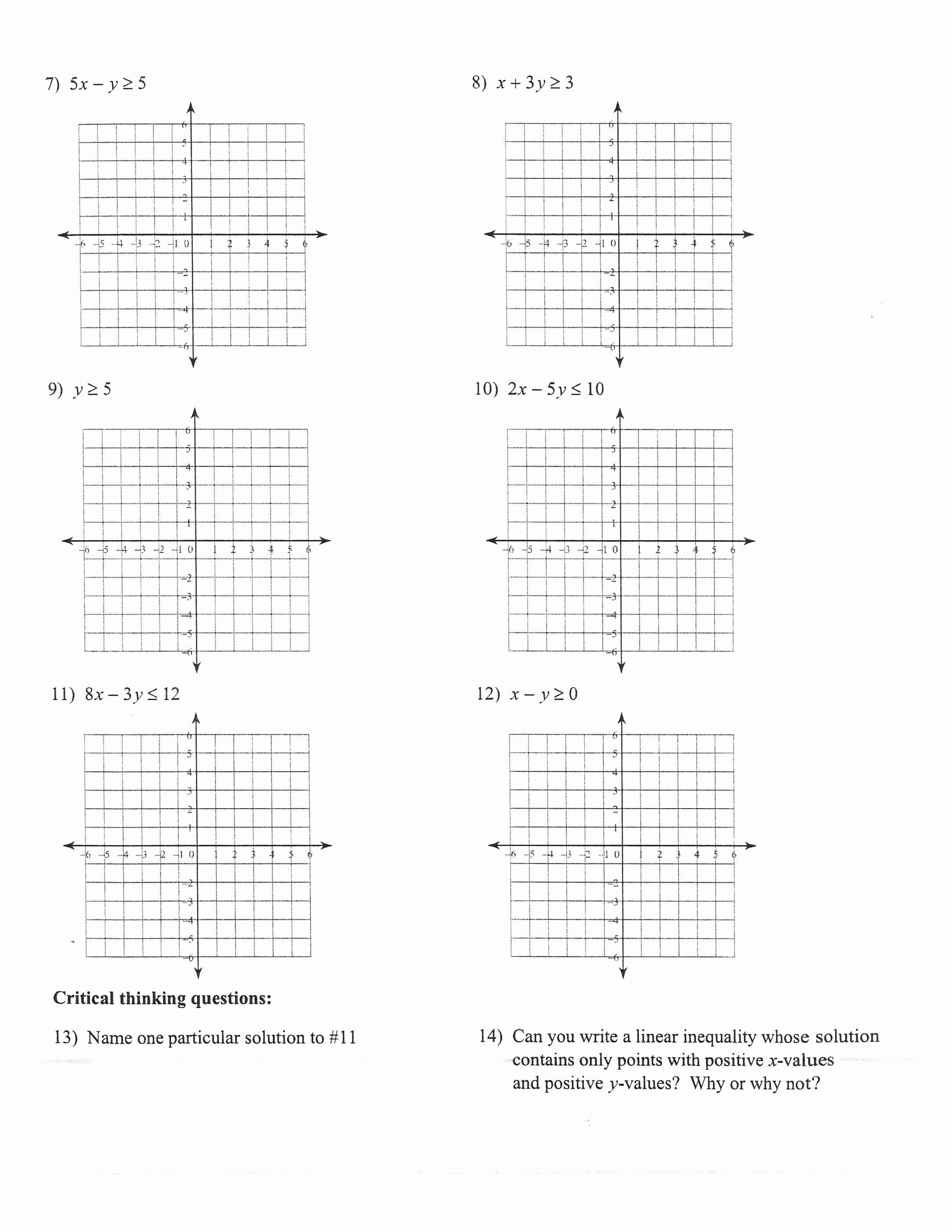
Graphing proportional relationships activity.
Proportional Relationships: A Key Mathematical Concept
Understanding proportional relationships is a fundamental skill in mathematics, and it's one that often requires dedicated practice to truly grasp. The concept of proportionality is all about relationships between quantities that maintain a constant ratio or scale factor. This means that as one quantity changes, the other changes at the same rate, keeping their ratio or proportion consistent. It's a linear relationship where the two quantities move in direct proportion to each other.
Proportional equations and relationships.
Proportional relationships are everywhere in the real world, from measuring ingredients for a recipe to understanding the relationship between distance and time when traveling at a constant speed. Mastering this concept is crucial for building a strong foundation in mathematics and applying it to practical situations.
8th grade proportional relationships challenge.
Ratio and Proportion Worksheets: A Versatile Practice Tool
Proportional relationship worksheets are a versatile resource that can cater to a wide range of learners, from those just starting to explore ratios and proportions to more advanced students who are ready for complex challenges. These worksheets typically offer a variety of activities and question types, allowing teachers and parents to tailor the practice to the specific needs and skill levels of their students.
Graphing proportional relationships exercises.
For beginners, worksheets might focus on simple scenarios like sharing a pizza equally among friends or finding the relationship between inches and centimeters. These introductory exercises help students understand the basic concept of proportionality and develop their problem-solving skills. As learners progress, the worksheets can introduce more complex scenarios, such as calculating the proportional relationship between distances on a map or determining the scale factor for a model.
Ratios and proportions synthesis worksheets.
One of the strengths of ratio and proportion worksheets is their adaptability. They can be used in various educational settings, including classrooms, homeschooling environments, and even as a tool for self-study or tutoring sessions. Teachers can assign worksheets as homework, group activities, or even as a fun break during class to reinforce learning. Parents can also use these worksheets to support their child's learning at home, providing a structured yet engaging way to practice and improve their proportional reasoning skills.
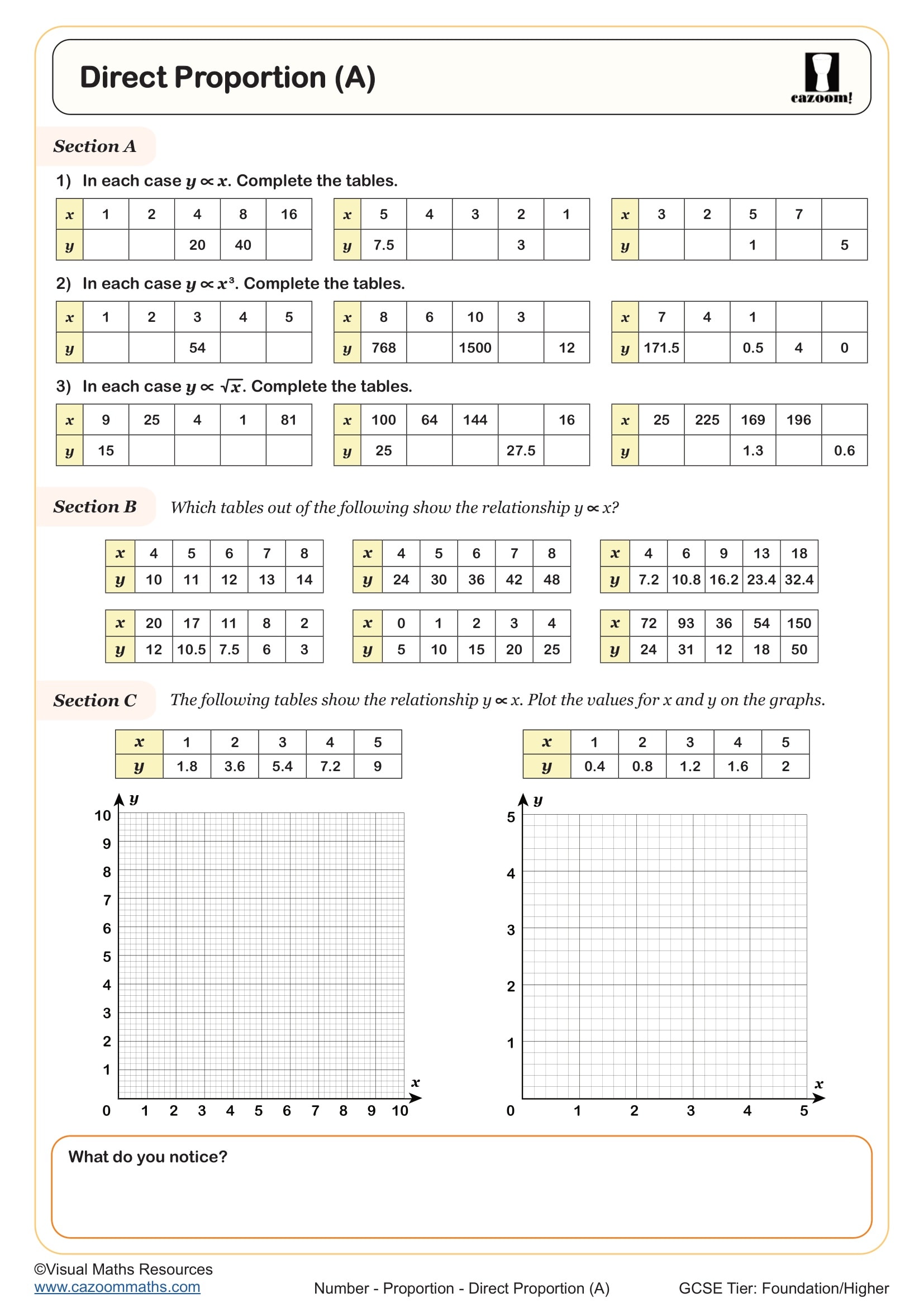
Year 9 proportion worksheets with answers.
How Do Proportional Relationship Worksheets Help Learners?
Proportional relationship worksheets are designed to help learners develop a deep understanding of proportionality and its applications. By engaging with these worksheets, students can practice identifying proportional relationships in different contexts, whether it's through word problems, visual representations, or numerical calculations.
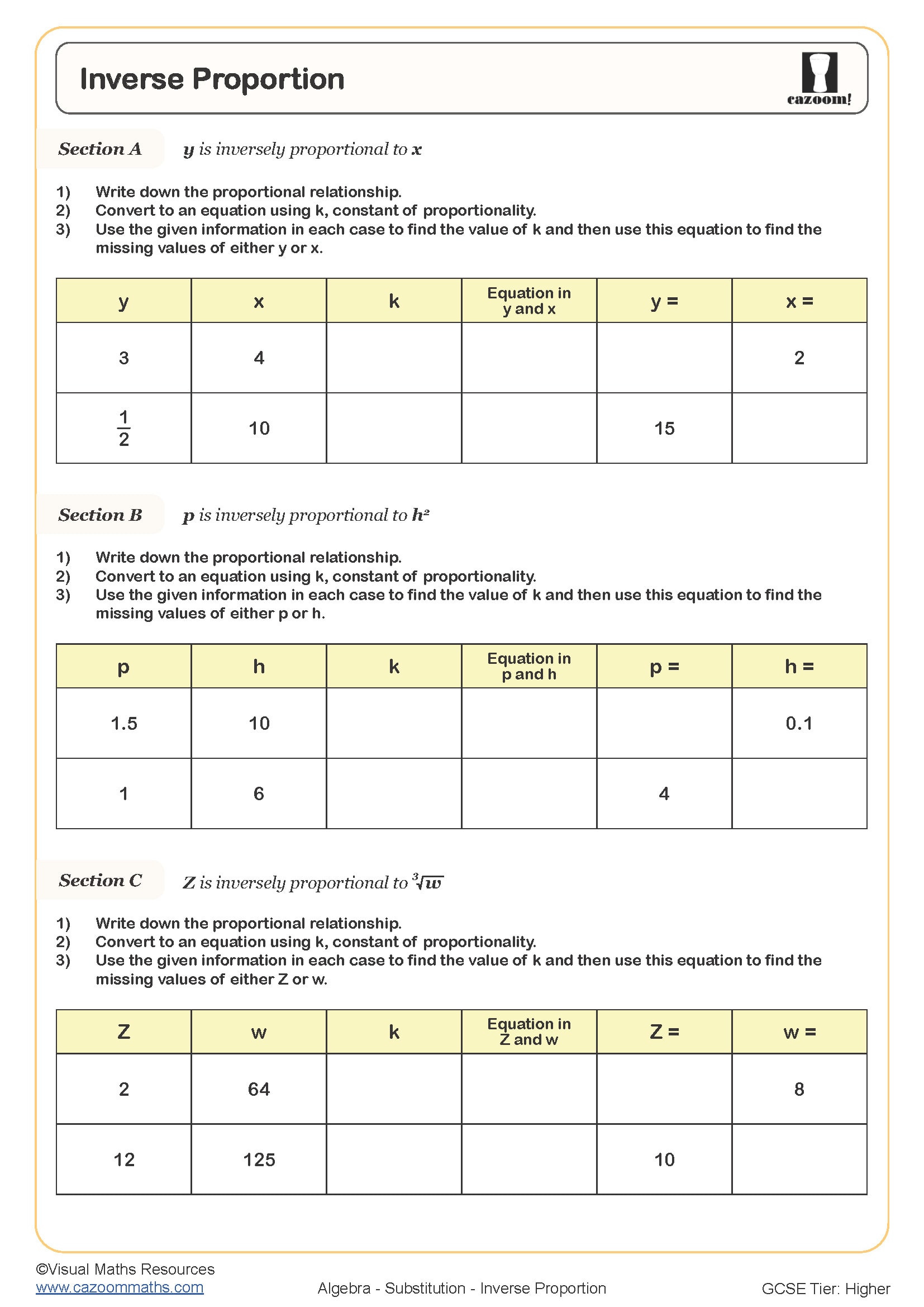
Inverse proportion printable worksheet.
One of the key benefits of these worksheets is that they provide a structured and progressive learning path. Worksheets often start with simpler problems and gradually increase in difficulty, allowing students to build their confidence and skills step by step. This approach ensures that learners are not overwhelmed and can master each concept before moving on to more challenging tasks.
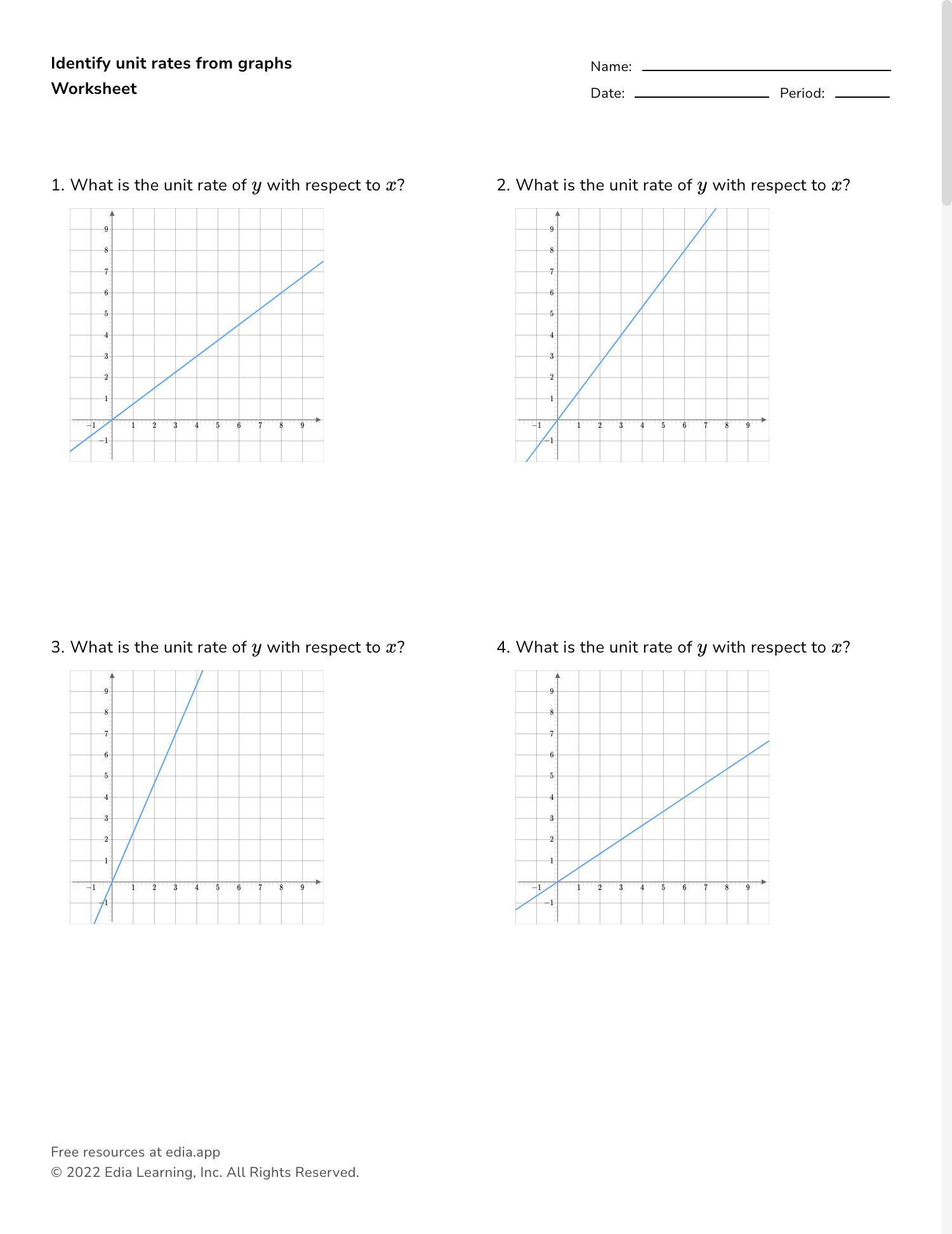
Identifying proportional relationships from graphs.
Additionally, worksheets often include a variety of question types, such as multiple-choice, fill-in-the-blank, and open-ended problems. This diversity ensures that students are exposed to different formats, helping them develop flexibility in their thinking and problem-solving strategies. Some worksheets may also include visual aids like graphs or diagrams, further enhancing students' ability to interpret and analyze proportional relationships.
Rules of proportional relationships explained.
How Can Parents and Teachers Use Proportional Relationship Worksheets?
For parents and teachers, proportional relationship worksheets are a valuable resource for supporting their students' learning journey. These worksheets can be used in various ways to cater to different learning styles and needs.
Tables and graphs for proportional relationships.
In a classroom setting, teachers can assign worksheets as individual or group work, encouraging students to discuss and collaborate on solving problems. This collaborative approach not only reinforces learning but also fosters important social and communication skills. Teachers can also use worksheets as a diagnostic tool, identifying areas where students may need additional support or extension activities.
Graphing proportional relationships, part 1.
For homeschooling or tutoring sessions, worksheets provide a structured framework for learning. Parents and tutors can use them to guide their teaching, ensuring that key concepts are covered and that students have ample practice opportunities. Worksheets can be tailored to the specific needs of each student, allowing for personalized learning experiences.
Free ratios and proportions worksheet.
When using worksheets at home or in a tutoring environment, it's essential to provide guidance and support. Parents and tutors can work through the problems with their students, explaining concepts and strategies as needed. This hands-on approach ensures that learners fully understand the material and can apply it confidently.
Practical Tips for Using Proportional Relationship Worksheets
When utilizing proportional relationship worksheets, there are a few practical considerations to keep in mind. First, it's important to choose worksheets that are appropriate for the learner's age and grade level. Worksheets that are too easy may not provide enough challenge, while those that are too advanced can be frustrating and demotivating.
Printing and organizing worksheets is also essential. Parents and teachers can create a dedicated learning space with a printer and a well-organized system for storing and accessing worksheets. This ensures that learners have easy access to the resources they need and that worksheets can be reused or referenced as needed.
Furthermore, it's beneficial to create a routine around worksheet practice. Setting aside dedicated time for completing worksheets can help students develop a consistent study habit. Parents and teachers can also use worksheets as a reward or incentive, offering a fun break from regular lessons or as a way to celebrate progress and achievements.
Proportional Relationships in Action: Real-World Applications
Understanding proportional relationships is not just an academic exercise; it has numerous real-world applications. From everyday tasks like cooking and measuring ingredients to more complex scenarios like calculating proportions for architectural designs or understanding the relationship between speed and distance, proportional reasoning is a vital skill.
By practicing with proportional relationship worksheets, students can develop a deeper understanding of these real-world applications. Worksheets can introduce scenarios that mimic real-life situations, helping students see the practical value of their learning. For example, a worksheet might ask students to calculate the proportional relationship between the number of guests and the amount of cake needed for a party, or determine the scale factor for a model bridge they are designing.
As students progress, worksheets can also introduce more abstract concepts, such as proportional graphs. These visual representations of proportional relationships provide a powerful tool for understanding and analyzing data. Students can learn to interpret and create proportional graphs, further enhancing their mathematical literacy and problem-solving skills.
In conclusion, proportional relationship worksheets are a versatile and effective tool for reinforcing this key mathematical concept. By providing a structured and progressive learning experience, these worksheets help students develop a strong foundation in proportional reasoning, preparing them for real-world applications and more advanced mathematical concepts. Whether used in classrooms, homeschooling, or tutoring sessions, these worksheets offer a practical and engaging way to support learners on their mathematical journey.
11 Oogie Boogie Pumpkin Stencil Ideas might not be directly related to proportional relationships, but it's a fun way to bring some Halloween spirit into the learning environment!
Hey there, math enthusiasts! We've covered a lot of ground today, exploring the fascinating world of proportional relationships. It's an essential concept that will undoubtedly come in handy, so make sure to give it the attention it deserves.
Why not put your newfound knowledge to the test with a fun worksheet? It's a great way to reinforce your understanding and identify any areas that might need a little extra practice. So, go ahead, grab a worksheet, and give it a go! And don't forget to leave a comment or share your experience below; we'd love to hear how it went and any tips you have for fellow learners.
Linear equations practice for 7th grade.
Read also: 15 Stencil Alphabet Designs for Diy Projects
Related: 27 Starting Sounds Worksheets for Early Readers
As a parent, I'm always on the lookout for fun and engaging ways to help my kids learn. One of my go-to resources are starting sounds worksheets, which are a brilliant tool for teaching young ones about letter recognition and phonics. These worksheets are a great way to keep kids focused and practicing their skills, and they're especially handy for those of us who are homeschooling or just looking for some extra support at home. It's a simple, effective method, and I've even seen some free printable first sound worksheets that are perfect for a quick art project, like the one I did with my kids where we used a skull stencil to create some cool DIY art!
Free printable board games for phonics practice.
Starting Sounds: A Crucial First Step
Starting sounds worksheets are an excellent tool for introducing young learners to the world of phonics and letter recognition. These worksheets focus on the initial sounds of words, helping children develop their listening skills and phonemic awareness. By practicing with starting sounds, kids learn to identify and discriminate between different letter sounds, which is a fundamental step in reading and writing.
Cut and paste to identify initial sounds in words.
Beyond Basic Recognition: Advanced Worksheets for Growing Skills
While starting sounds worksheets often begin with simple matching activities, they can also offer more complex challenges as children progress. Advanced worksheets might involve sorting words or pictures based on their initial sounds, a task that requires higher-level listening and cognitive skills. For instance, a worksheet might present a group of pictures and ask the child to sort them into categories based on their starting sounds, like "animals" or "vehicles." This activity not only reinforces sound recognition but also encourages critical thinking and categorization skills.
CVC words and beginning sounds for kindergarteners.
As children become more adept at identifying initial sounds, worksheets can introduce more subtle distinctions, such as differentiating between similar-sounding letters like "b" and "d." This level of practice helps children develop a more nuanced understanding of phonics and prepares them for more advanced reading and spelling tasks.
Preschool worksheets focusing on initial letter sounds.
People Also Ask: What's the Best Way to Use Starting Sounds Worksheets?
A common question among parents and educators is how to effectively utilize starting sounds worksheets. The key is to make learning fun and engaging. Starting sounds worksheets can be used in various ways, depending on the child's age, grade level, and learning style. For younger children, these worksheets often serve as an introduction to letters and sounds, helping them associate visual representations with auditory cues. As children progress, worksheets can be used to reinforce and expand their phonemic awareness, preparing them for more complex reading and writing tasks.
Free printable worksheets to teach letter sounds.
How to Choose and Practice with Starting Sounds Worksheets
When selecting starting sounds worksheets, it's important to consider the child's age and skill level. Worksheets should offer an appropriate level of challenge, neither too easy nor too difficult. For beginners, simple matching activities or picture-based worksheets are a great starting point. As children become more proficient, worksheets can introduce more complex tasks, such as word-building or sentence completion based on initial sounds.
Beginning consonant sounds for early readers.
Practicing with starting sounds worksheets can be made more enjoyable by incorporating games and rewards. For example, you can create a simple board game where children move their piece along a path by correctly identifying the starting sound of a word. Or, you can turn it into a scavenger hunt, where children search for objects around the house that start with a particular sound. These interactive approaches not only make learning fun but also reinforce the skills being taught.
Fun phonics activities with starting sound focus.
Sound Worksheet Fun: Engaging Activities for Learning
Starting sounds worksheets can be a great way to keep kids engaged and motivated to learn. One fun activity is to create a "sound scavenger hunt" where children search for objects or pictures that start with a specific sound. This activity can be done indoors or outdoors, making it a versatile learning experience. For example, you can create a list of starting sounds and have children find and collect objects that match each sound. This not only reinforces sound recognition but also encourages movement and exploration.
Teacher-made worksheets for beginning sound practice.
Another engaging activity is a "sound sort" game. Prepare a set of pictures or objects and ask children to sort them into groups based on their starting sounds. This activity helps children develop their listening skills and encourages them to think critically about the sounds they hear. You can make it more challenging by introducing multiple sounds or by asking children to create their own categories based on the initial sounds they identify.
Starting sound worksheets for kindergarten.
Starting sounds worksheets offer a versatile and effective way to teach phonics and letter recognition. By progressing from simple recognition to more complex sorting and categorization tasks, these worksheets provide a solid foundation for reading and writing skills. Whether used in a classroom, for homeschooling, or as a fun learning activity at home, starting sounds worksheets are a valuable tool for educators and parents alike.
Comprehensive worksheet packet for initial sounds.
Remember, learning should be an enjoyable experience, and starting sounds worksheets can provide a fun and interactive way to achieve that. So, get creative, explore different activities, and watch your little ones develop their phonemic awareness and love for learning!
Letter and sound recognition for kindergarten.
Learning worksheets for kids to identify beginning sounds.
Starting sounds worksheets are a fun and engaging way to spark curiosity and encourage active learning in young minds. With these worksheets, kids can explore the fascinating world of phonics and letter sounds, taking their first steps towards reading and writing with confidence.
So, why not give it a go? Print out a few worksheets, gather some colorful pencils, and let your little ones dive into the world of starting sounds. It's a simple yet effective way to support their learning journey. Leave a comment or share your experience below; we'd love to hear how it goes!
Interactive alphabet activities to learn letter sounds.
Read also: 15 Lotus Flower Tattoo Stencil Designs