


Subtraction Practice Worksheets Template Overview
As a parent, I've found that having the right resources can make all the difference when it comes to helping kids grasp new concepts. Odd and even worksheets are a great tool for practicing and reinforcing those early number skills, especially when it comes to understanding odd and even numbers. These worksheets are a handy way to keep learning fun and engaging, and they're perfect for those moments when you need a quick activity to keep the kids focused. I even used them as a fun way to introduce the topic to my little ones, and it led to some interesting discussions! If you're looking for more ways to practice, I recently came across odd and even numbers worksheets that cover fractions too, like add and even numbers worksheets. It's a great way to build on those foundational skills!
Identifying odd and even numbers.
Odd and Even Numbers: A Foundation for Math Mastery
Odd and even numbers are a fundamental concept in mathematics, and mastering their identification and usage is crucial for building a strong math foundation. Odd and even worksheets are an excellent tool to help learners grasp this concept, offering a fun and engaging way to practice and reinforce their understanding. These worksheets provide a structured approach to learning, allowing students to explore number patterns, identify number types, and develop their number classification skills.
Grade 1 odd and even numbers.
Beyond Basics: Fractions and Advanced Concepts
While odd and even worksheets often focus on whole numbers, there are variations that extend this concept to fractions. Add and even numbers worksheets, for instance, introduce a new layer of complexity by incorporating fraction addition. This approach not only reinforces the understanding of odd and even numbers but also helps students apply this knowledge to more advanced mathematical operations. It's a brilliant way to build a solid foundation for future math learning, ensuring that students can confidently navigate more complex concepts.
Basic number facts practice.
People Also Ask: How Do Odd and Even Worksheets Help with Number Sense?
Odd and even worksheets play a crucial role in developing number sense, which is the ability to understand and work with numbers flexibly and efficiently. By engaging with these worksheets, students learn to recognize patterns, identify number types, and understand the relationship between numbers. This process enhances their number sense, enabling them to make connections, estimate, and reason with numbers more effectively. It's a vital skill that underpins all mathematical learning and problem-solving.
Odd and even numbers for grade 2.
Putting Odd and Even Worksheets into Practice: Tips and Tricks
When using odd and even worksheets, there are several practical considerations to ensure an effective learning experience. Firstly, choose worksheets that match the learner's skill level, gradually increasing the difficulty as they progress. This ensures a steady development of their number skills. Additionally, consider the learning environment. In a classroom setting, these worksheets can be used for individual practice or as a group activity, fostering collaboration and discussion. For homeschooling or tutoring, they provide a structured yet flexible resource, adaptable to different teaching styles and learning paces. Finally, don't underestimate the value of repetition. Regular practice with odd and even worksheets can reinforce learning and help students internalize these concepts.
Recognizing odd and even numbers.
Fun Math Exercises: Making Learning Enjoyable
One of the great benefits of odd and even worksheets is their ability to make learning fun. These worksheets often incorporate engaging activities and games, transforming what could be a dry subject into an enjoyable experience. From simple number identification tasks to more complex pattern-finding exercises, these worksheets offer a range of educational number games that keep learners motivated and eager to explore more. By making math enjoyable, these worksheets contribute to a positive learning attitude, encouraging students to embrace math with enthusiasm and curiosity.
Odd and even worksheets for second grade.
In conclusion, odd and even worksheets are a versatile and effective learning resource, offering a practical way to teach and reinforce number concepts. With their focus on identifying number types, understanding odd and even patterns, and practicing number sets, these worksheets provide a solid foundation for mathematical learning. Whether used in a classroom, for homeschooling, or as a tutoring tool, odd and even worksheets offer a fun and engaging way to master basic number skills, setting the stage for more advanced mathematical concepts. 20 Kumon Level 4a Math Worksheets to Try can be a great starting point for exploring these concepts further.
Odd and even numbers for kindergarten.
Summer math: odd and even.
Even and odd number identification.
Printable odd and even worksheets.
Odd and even numbers practice.
Odd and even numbers activities.
Odd and even worksheets are a fantastic resource to have in your math toolkit. They offer a simple yet effective way to solidify those foundational math skills. So, why not give them a go? Print a few out, gather your pens and pencils, and dive into the world of odd and even numbers. It's a fun way to practice, and who knows, you might even discover a new favorite math activity!
Feel free to share your thoughts and experiences with these worksheets. We'd love to hear how they've helped you or your little ones grasp this essential math concept.
Odd-even parking rules for snow.
Read also: 28 Tough Word Search Worksheets for Class
Related: 26 Phonics Worksheets for Kindergarten
As a parent, I'm always on the lookout for fun and engaging ways to help my little one with their early reading skills. Phonics worksheets for kindergarten have been a real lifesaver! With these handy resources, I can easily guide my child through the basics of letter sounds and blending, making learning an enjoyable experience. It's a great way to reinforce what they learn at school, and I even found some free phonics worksheets pdf online, which is a bonus! Oh, and by the way, if you're into tattoos, check out 15 Stencil Star Tattoo Ideas for some cool inspiration!
Learn phonics with ABC practice.
Phonics Worksheets: A Powerful Tool for Early Reading Skills
Phonics worksheets are an incredibly valuable resource for parents, teachers, and educators alike, offering a structured and engaging approach to teaching early reading skills. These worksheets are designed to help young learners grasp the fundamentals of phonics, which is the relationship between letters and the sounds they represent. By focusing on letter sounds, word families, and sound blending, phonics worksheets provide a solid foundation for developing reading skills.
Writing practice for kindergarteners.
Exploring Different Phonics Worksheet Types
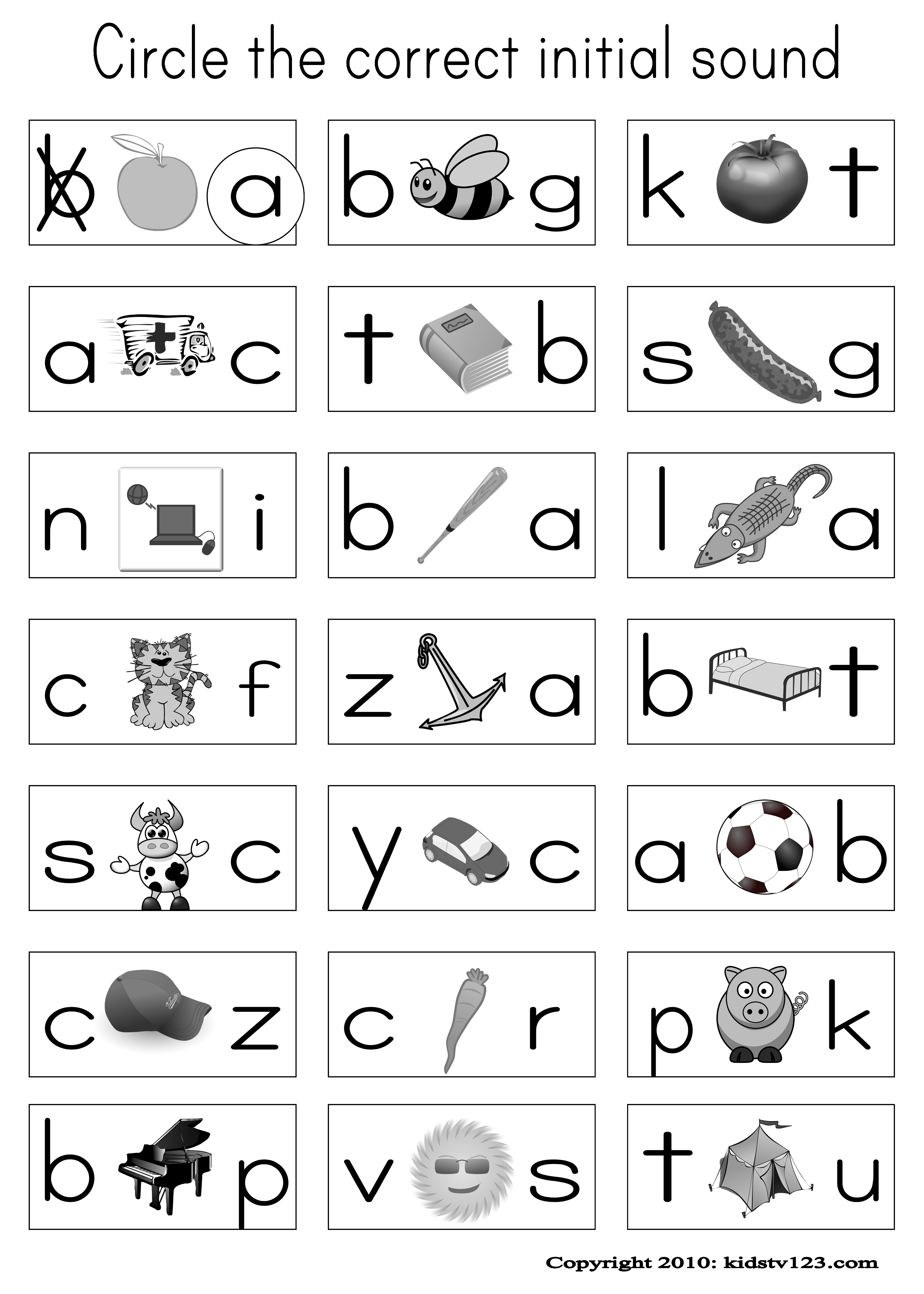
When it comes to phonics worksheets for kindergarten, there is a wide range of options available, each targeting specific skills and learning levels. Some worksheets may focus on identifying and matching letter sounds, while others introduce word families and encourage sound blending. For instance, a worksheet might present a set of pictures with corresponding words, challenging students to identify the correct beginning or ending sound. This activity not only reinforces letter-sound associations but also enhances visual recognition and vocabulary.
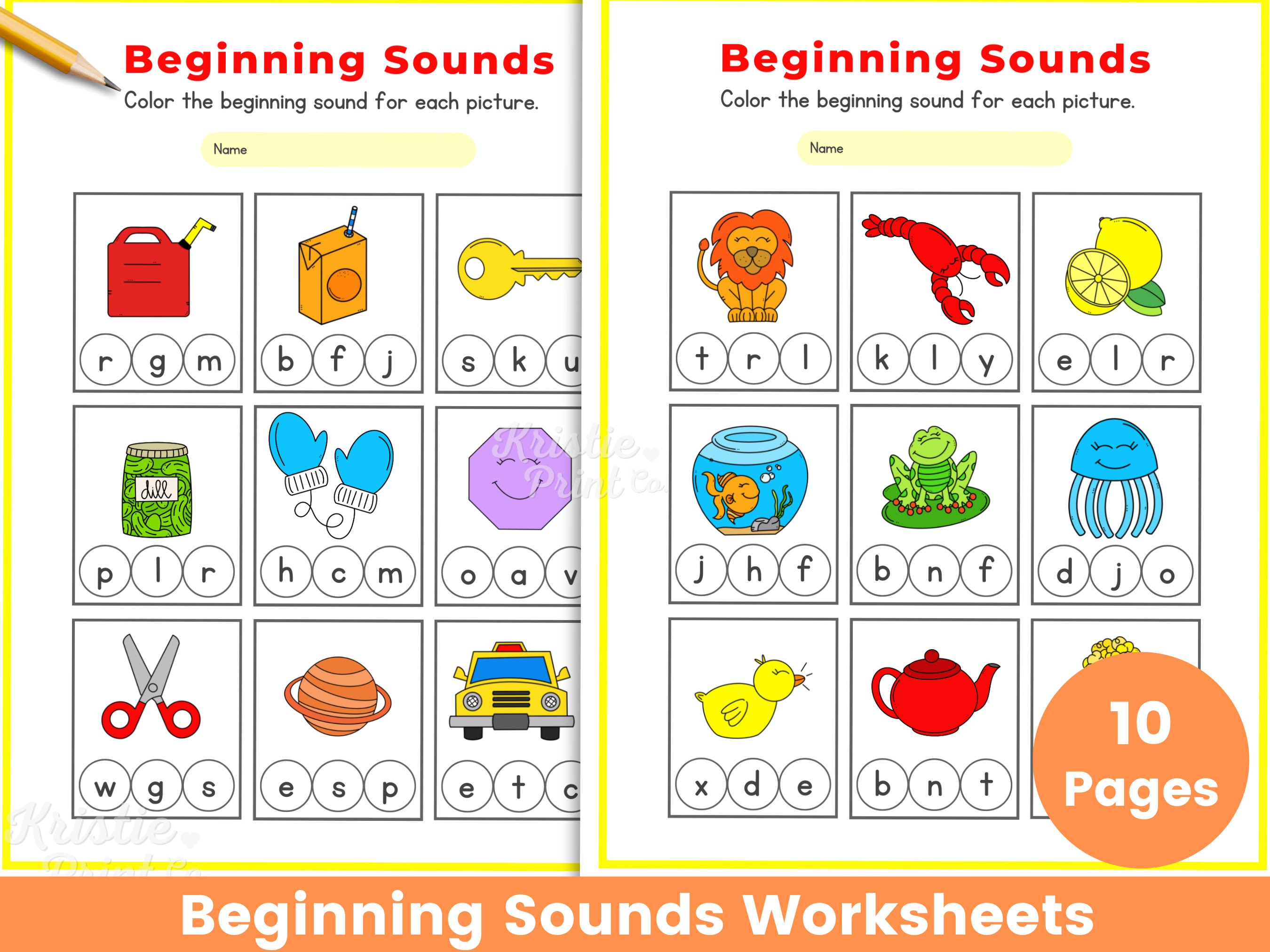
Cut and paste beginning sound activity.
Advanced phonics worksheets can further build on these skills by introducing more complex word building and reading exercises. These worksheets might feature sentences or short paragraphs, requiring students to identify specific phonemes or practice reading fluently. By progressing from simple letter-sound associations to more advanced reading tasks, phonics worksheets offer a comprehensive and progressive learning journey.
Short vowel word recognition.
People Also Ask: What Age Group Benefits from Phonics Worksheets?
Phonics worksheets are primarily designed for early learners, typically targeting kindergarten and preschool-aged children. However, their benefits extend beyond these age groups. Phonics worksheets can be adapted and utilized for older students who may struggle with reading or require additional support. By tailoring the difficulty level and focusing on specific areas of improvement, phonics worksheets can be a valuable tool for remedial reading programs or for reinforcing phonics skills in older grades.
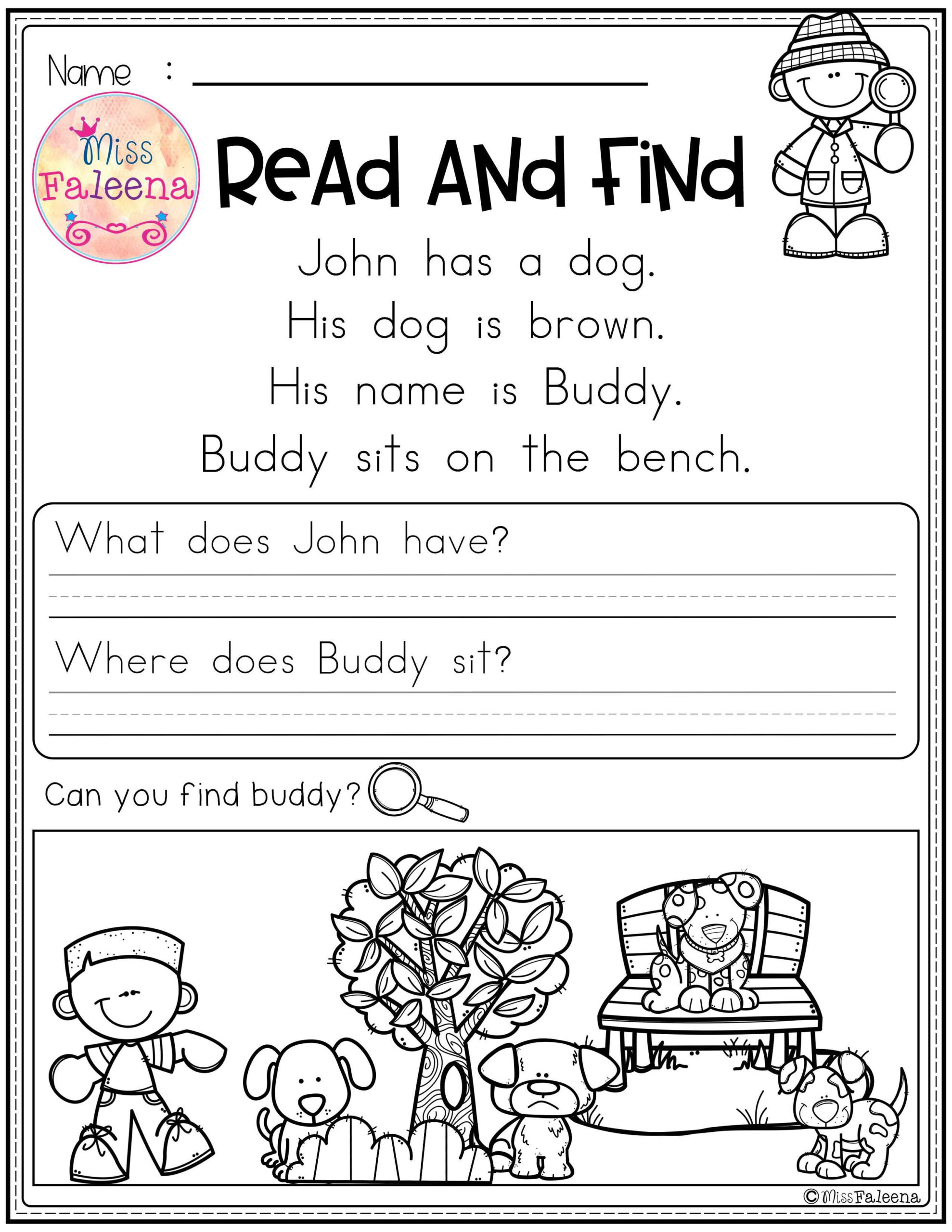
Writing and reading practice worksheet.
How to Use Phonics Worksheets Effectively
To make the most of phonics worksheets, it's essential to consider practical aspects such as printing and usage. While digital worksheets can be convenient, printing physical copies allows for a more tactile learning experience. Students can engage with the worksheets by circling, coloring, or writing directly on the paper, making the learning process more interactive. Additionally, having a collection of printed worksheets provides flexibility for teachers and parents to choose and assign specific activities based on individual needs and progress.
Printable reading exercises for kids.
When using phonics worksheets, it's important to create a supportive and engaging learning environment. Teachers and parents can guide students through the worksheets, offering explanations and demonstrations as needed. Encouraging students to read aloud, discuss their answers, and share their thoughts fosters a collaborative and enjoyable learning atmosphere. By incorporating phonics worksheets into a well-rounded literacy curriculum, educators can enhance reading skills and build a strong foundation for future learning.
Preschool comprehension worksheets: free download.
Building Reading Confidence with Phonics Worksheets
One of the key advantages of phonics worksheets is their ability to build reading confidence in young learners. By providing structured practice and immediate feedback, worksheets allow students to grasp phonics concepts at their own pace. As they progress through various activities, students gain a sense of achievement and motivation. This confidence-building aspect is especially beneficial for struggling readers, as it helps them develop a positive attitude towards reading and learning.
Downloadable kindergarten reading resources.
Phonics worksheets can also be integrated into fun and creative activities. For example, teachers or parents can create phonics scavenger hunts, where students search for objects or pictures that match specific letter sounds. This hands-on approach not only reinforces phonics skills but also adds an element of excitement and exploration to the learning process. By making learning enjoyable and interactive, phonics worksheets contribute to a positive and engaging literacy journey for young learners.
Phonics printables for early learners.
In conclusion, phonics worksheets for kindergarten are a versatile and powerful tool for developing early reading skills. By offering a structured approach to letter sounds, word families, and sound blending, these worksheets provide a solid foundation for literacy. Whether used in classrooms, homeschooling environments, or as supplementary learning materials, phonics worksheets cater to a wide range of learners and learning styles. With their ability to build confidence and make learning fun, phonics worksheets are an invaluable resource for educators and parents alike.
Reading skills worksheet for kindergarten.
So, if you're looking for a practical and engaging way to support your child's reading journey, give phonics worksheets a try! And while you're at it, don't forget to check out some fun stencil designs for your next wood project 31 Stencil Designs for Wood Projects. It's always a joy to combine learning and creativity!
Short vowel phonics for grade 1.
Reading comprehension for young students.
Phonics worksheets truly are a fun and effective way to support your little ones' reading journey. With these resources, you can create an enjoyable learning experience, helping them build a strong foundation for their literacy skills.
So, why not give it a go? Print out a few worksheets, gather some colorful pencils, and see how your kindergartener responds. It's a great way to engage their curiosity and set them up for reading success. Leave a comment or share your experience below; we'd love to hear how it goes!
Comprehension practice for young readers.
Read also: 14 Spider Tattoo Stencil Ideas
Related: 19 Fact Families Worksheets for Practice
As a parent, I'm always on the lookout for fun and engaging ways to help my kids practice their math skills. Fact families worksheets have been a real lifesaver, providing a simple yet effective tool to reinforce those crucial number bonds. With so many free fact family worksheets available, it's an easy way to keep the learning process fresh and interesting.
First grade number facts practice.
Fact Families: Unlocking the Power of Number Bonds
Fact families worksheets are a brilliant tool to introduce and reinforce the concept of number bonds, which are essential building blocks in mathematics. By understanding number bonds, children can develop a strong foundation for addition and subtraction, and later, more complex mathematical operations. These worksheets provide a structured yet engaging way to explore and practice these fundamental skills.
Unknown worksheet part three.
Exploring Multiplication and Division Families
While fact families worksheets are commonly associated with addition and subtraction, they can also be a fantastic resource for introducing and reinforcing multiplication and division facts. By extending the concept of related facts, children can discover the connections between these four operations. Fact families multiplication and division worksheets offer a seamless progression from basic addition and subtraction to more advanced mathematical thinking.
Kindergarten family-themed activity sheet.
These worksheets typically present a set of numbers and challenge students to create equations for all four operations. For example, given the numbers 3, 6, and 9, students might write:
Math fact families list.
- 3 + 6 = 9
- 6 + 3 = 9
- 9 - 6 = 3
- 9 - 3 = 6
- 6 x 3 = 18
- 18 ÷ 6 = 3
Free adding and subtracting practice.
This approach not only reinforces the concept of fact families but also highlights the inverse relationship between addition and subtraction, and multiplication and division. By practicing with these worksheets, children develop a deeper understanding of number relationships and the flexibility to approach mathematical problems from different angles.
Addition and subtraction fact families.
How Do Fact Families Worksheets Work?
Fact families worksheets are designed to present a set of related facts or equations, typically involving three numbers. The goal is for students to recognize the connections between these numbers and understand how they can be combined to create different equations. For example, given the numbers 5, 7, and 12, students might write:
Fourth grade math worksheets.
- 5 + 7 = 12
- 7 + 5 = 12
- 12 - 5 = 7
- 12 - 7 = 5
Fact family worksheets: addition and subtraction.
By practicing with these worksheets, students learn to identify the different combinations and equations that can be formed using the same set of numbers. This not only reinforces their understanding of addition and subtraction but also helps them develop number sense and flexibility in mathematical thinking.
Anatomy worksheets: not math-related.
What Are the Benefits of Using Fact Families Worksheets?
Fact families worksheets offer a range of benefits for learners of all ages. Firstly, they provide a structured and visual way to explore and practice mathematical concepts. The layout of the worksheets makes it easy for students to see the connections between numbers and understand the different equations that can be formed. This visual representation can be particularly helpful for visual learners and those who benefit from a more tangible approach to learning.
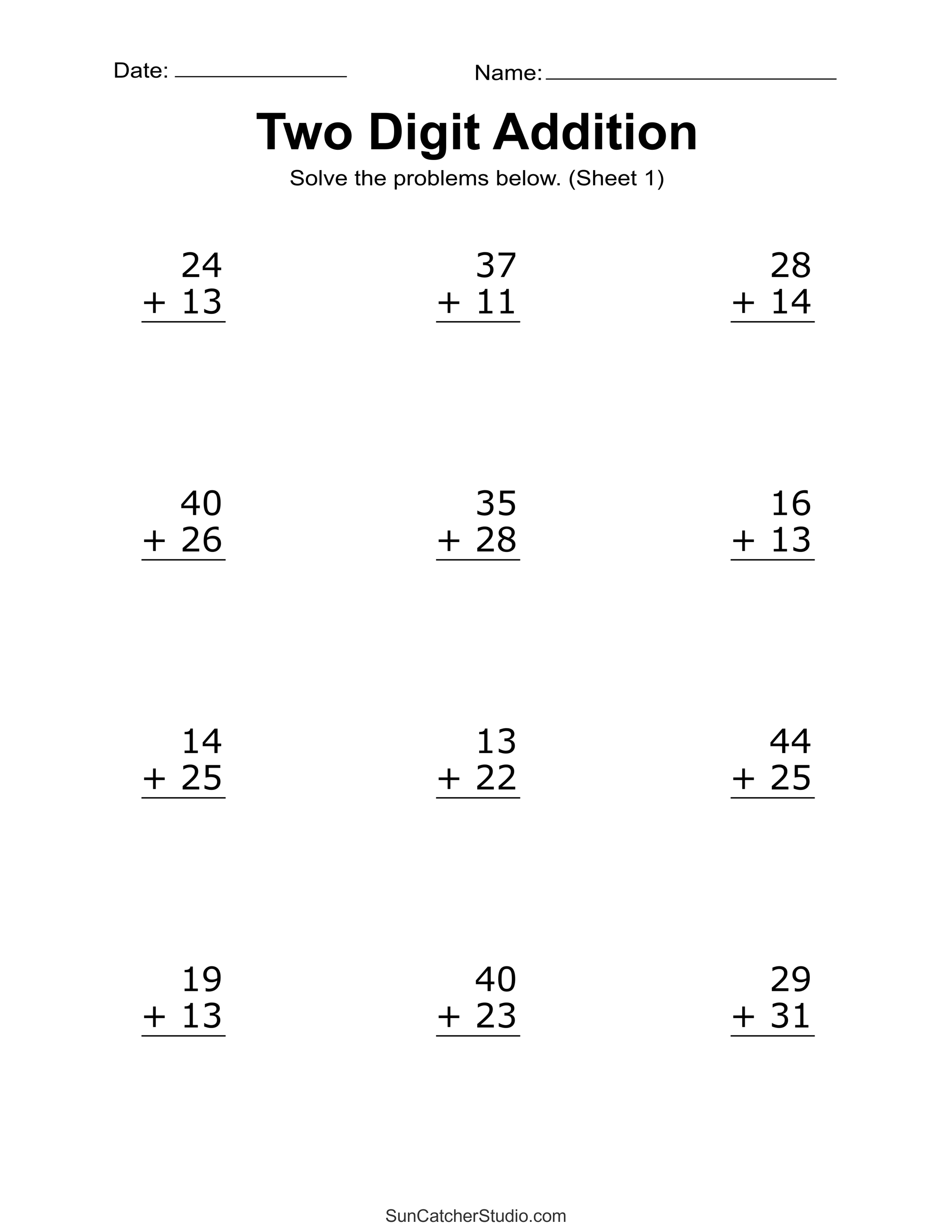
Addition and subtraction math worksheets.
Additionally, fact families worksheets offer a low-stakes way for students to practice and reinforce their mathematical skills. By working through these worksheets, students can build their confidence and develop a deeper understanding of number relationships. The repetitive nature of the worksheets also allows for mastery and the opportunity to apply their knowledge to different scenarios.
Multiplication and division math sheets.
Incorporating Fact Families into Daily Practice
Fact families worksheets can be a versatile resource for teachers, parents, and tutors. In a classroom setting, these worksheets can be used as a warm-up activity, a quick review, or even as a more in-depth lesson depending on the complexity of the worksheet. Teachers can also assign fact families worksheets as homework or extra practice to reinforce the concepts taught in class.
Addition fact families worksheets.
For homeschooling parents or tutors, fact families worksheets can be a valuable tool to structure and guide mathematical learning. They provide a clear framework for practicing addition, subtraction, and later, multiplication and division. By incorporating these worksheets into daily practice, learners can gradually build their skills and develop a strong foundation in mathematics.
When using fact families worksheets, it's important to consider the learner's age and grade level. Younger students might start with simpler worksheets focusing on addition and subtraction, while older students can progress to more complex worksheets that incorporate multiplication and division. It's also beneficial to vary the types of activities and questions to keep the learning process engaging and challenging.
Enhancing Learning with Fact Families Activities
While fact families worksheets are a fantastic resource for structured practice, they can also be a springboard for more interactive and engaging activities. One idea is to create a fact family scavenger hunt, where students search for related facts hidden around the classroom or even outdoors. This activity not only reinforces the concept of fact families but also adds an element of excitement and movement to the learning process.
Another engaging activity is to incorporate fact families into a game. For example, a simple board game where students roll dice to determine the numbers in their fact family and then race to write down all the related equations. This turns practice into a fun competition and encourages students to think creatively about number relationships.
By incorporating these and other creative activities, fact families worksheets can become a dynamic and enjoyable part of the learning journey. These activities not only reinforce the skills learned on the worksheets but also encourage critical thinking, problem-solving, and a deeper understanding of mathematical concepts.
In conclusion, fact families worksheets are a powerful tool for introducing and reinforcing number bonds and related mathematical facts. By providing a structured yet engaging practice environment, these worksheets help students build a strong foundation in mathematics. Whether used in the classroom, for homeschooling, or as a tutoring resource, fact families worksheets offer a versatile and effective way to enhance mathematical learning.
Fact families are a fun and effective way to explore math, and these worksheets are a great starting point. They offer a simple yet powerful method to grasp number bonds, which are like the secret code to unlocking math's mysteries!
So, why not give these worksheets a go? Print them out, gather your little ones, and see the magic unfold. It's a wonderful way to spend quality time together while also nurturing their mathematical skills. Leave a comment or share your experience below; we'd love to hear how it went!
Multiplication and division fact families.
Read also: 22 Mixed Number Multiplication Worksheets