



Tracing the Path to Precision: Mastering Fine Motor Skills
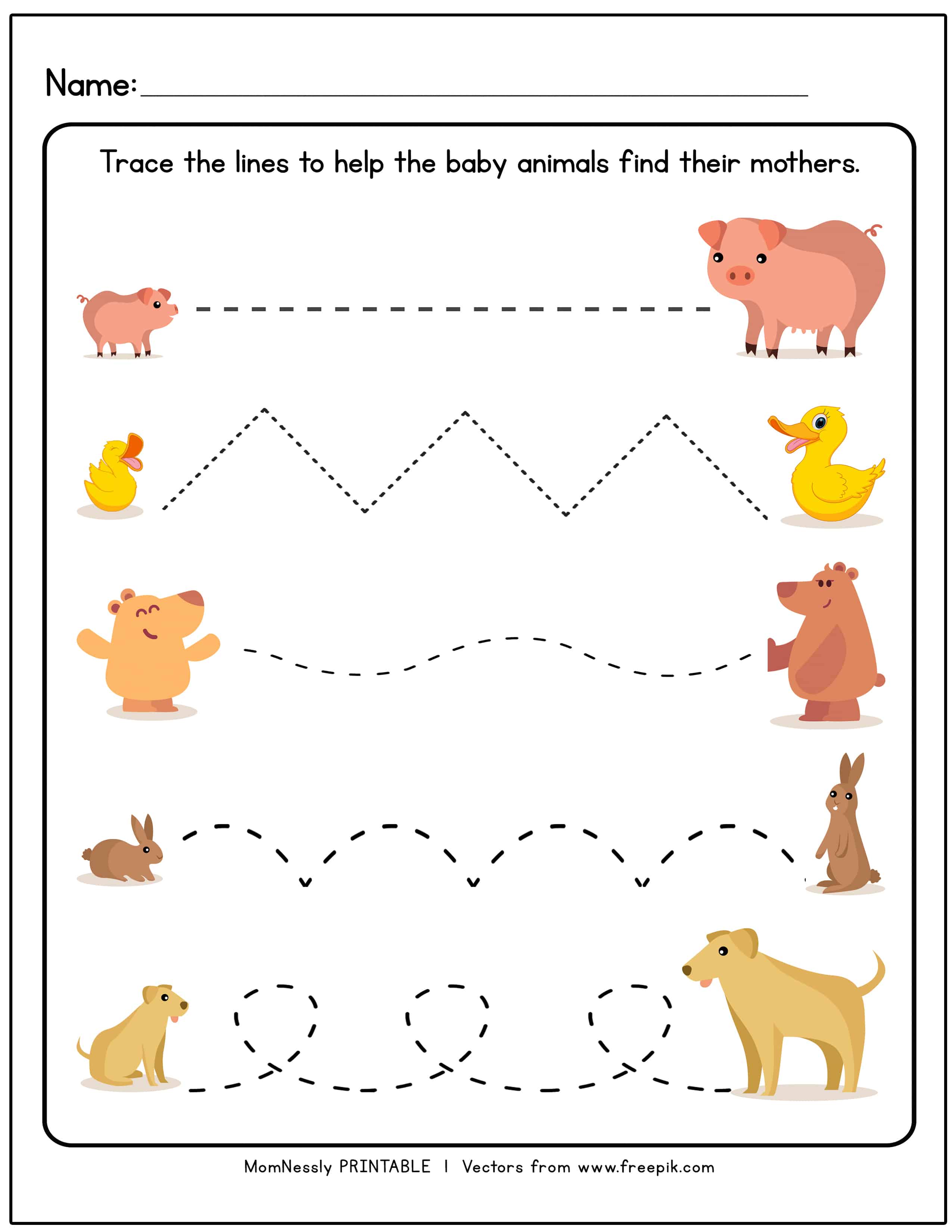
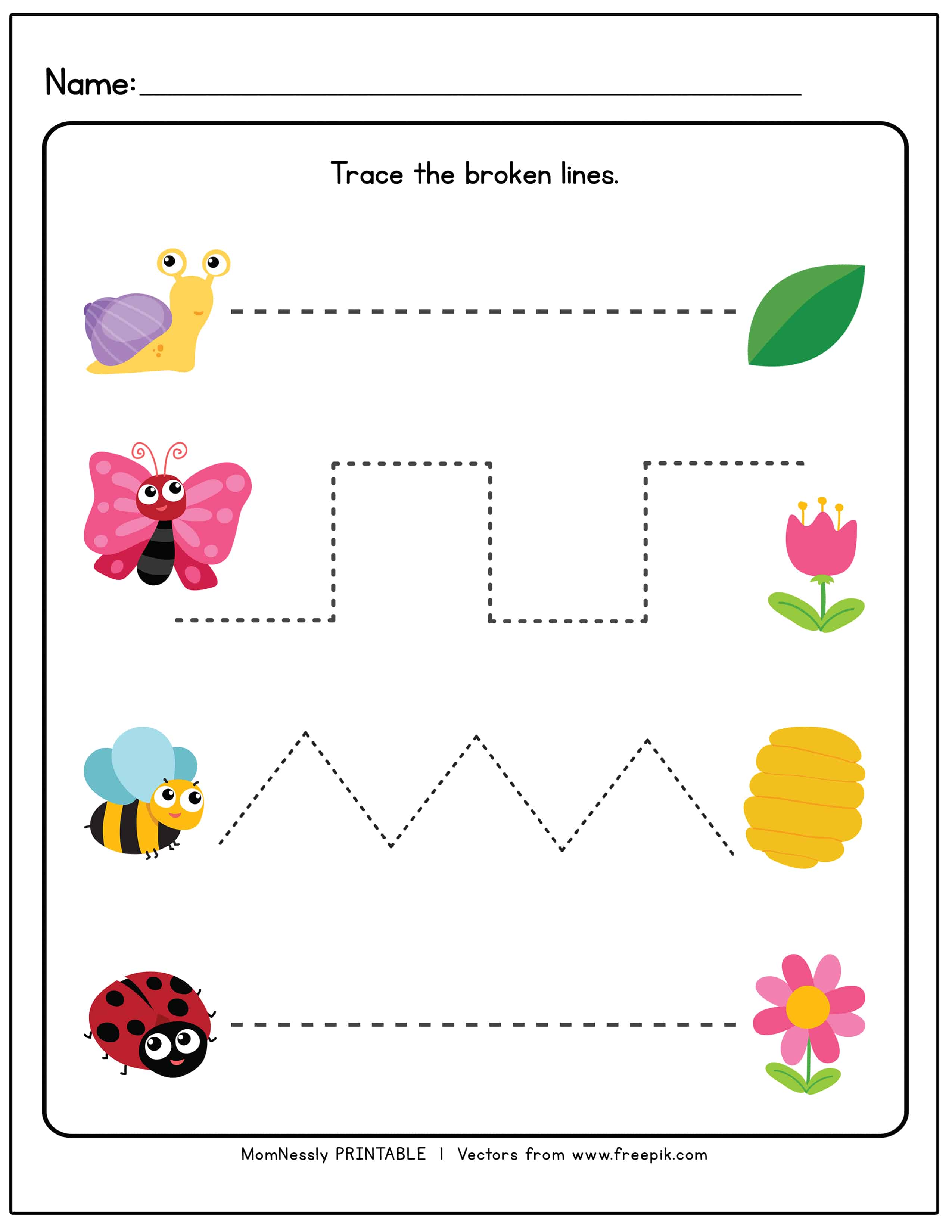
Trace lines worksheets are an excellent tool for developing and refining fine motor skills in young learners. These worksheets provide a structured and engaging way for children to practice their hand-eye coordination, finger dexterity, and overall control of their writing instruments. By guiding learners to trace lines of varying thicknesses and complexities, these worksheets offer a progressive learning experience that enhances their precision and control.
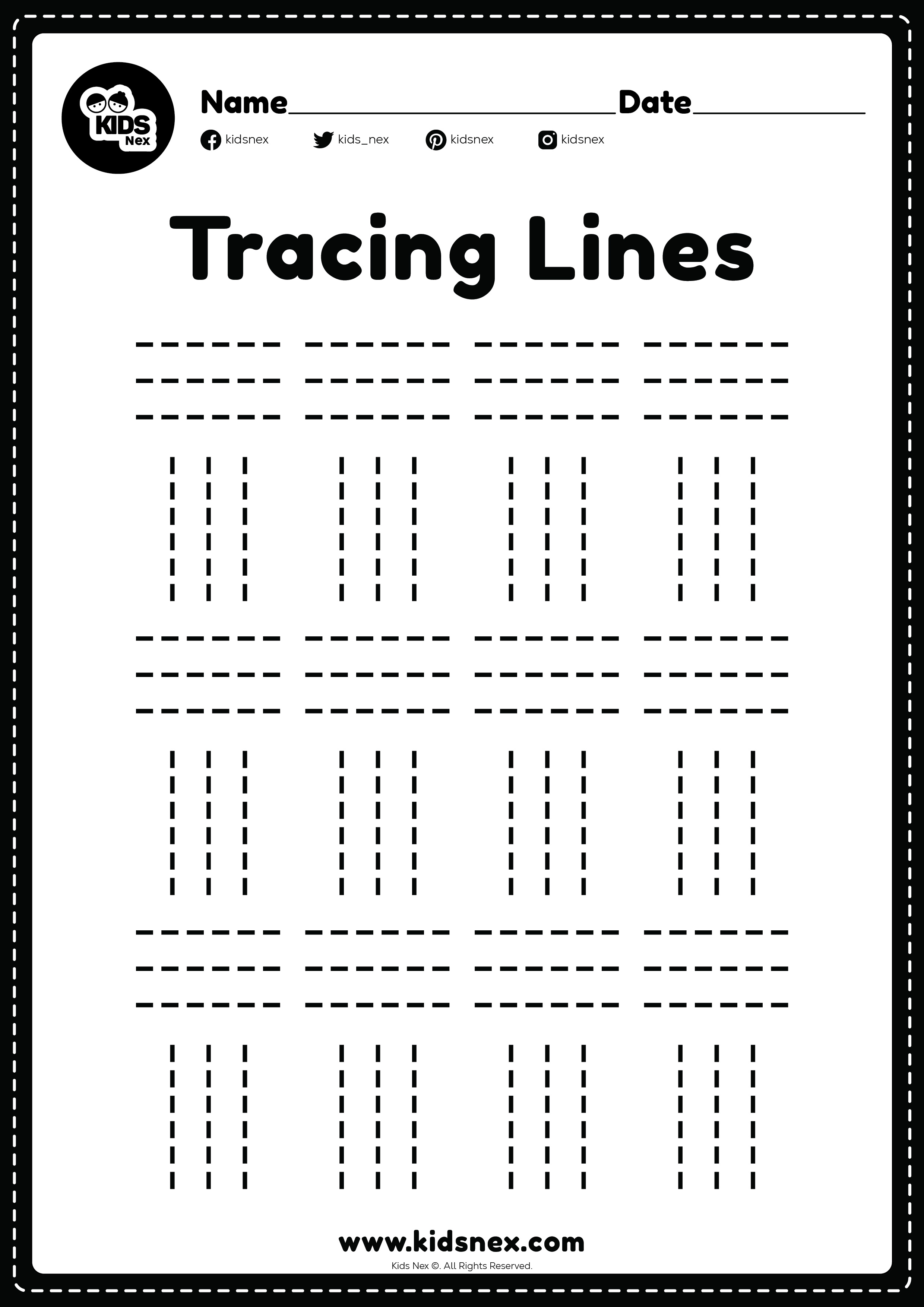
Preschoolers practice tracing lines.
Beyond Straight Lines: Exploring Curves and Patterns
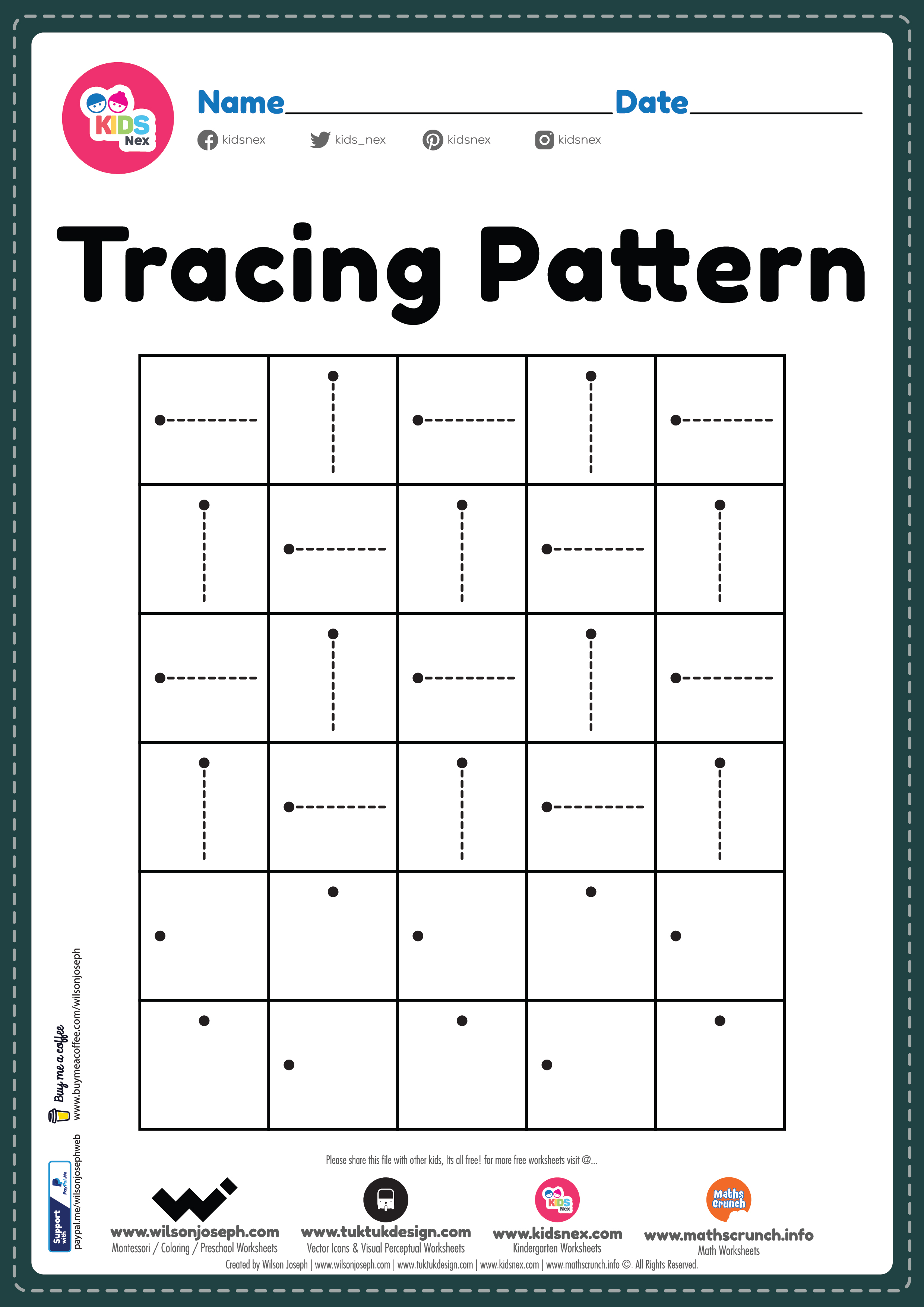
While the initial focus of trace lines worksheets may be on straight lines, the journey doesn't end there. As learners progress, they encounter a variety of line types, including curved lines, wavy lines, and even intricate patterns. These more advanced worksheets challenge learners to adapt their tracing techniques, encouraging them to develop a more nuanced understanding of line control and spatial awareness.
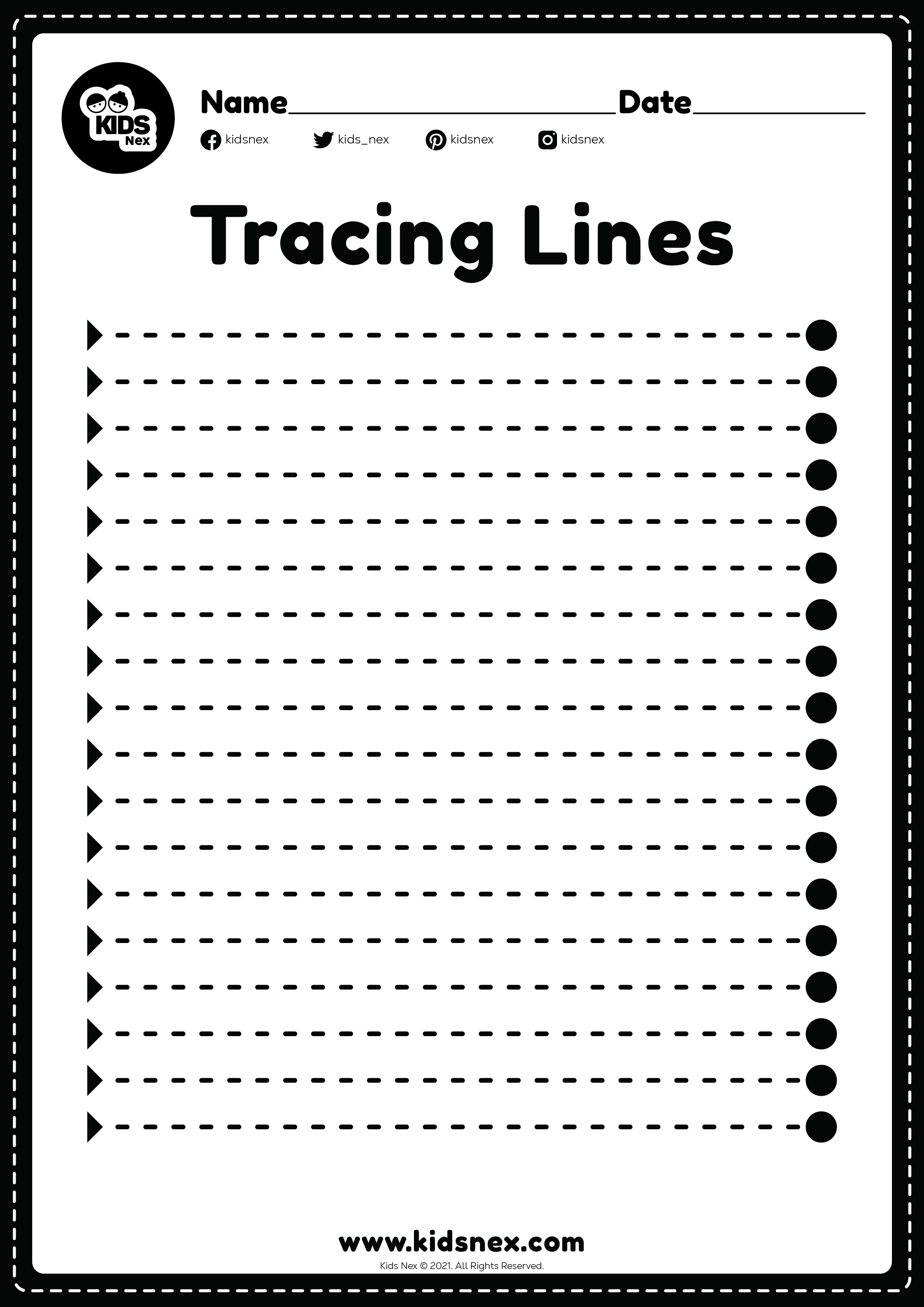
Printable worksheets for tracing lines.
Can trace lines worksheets improve handwriting?
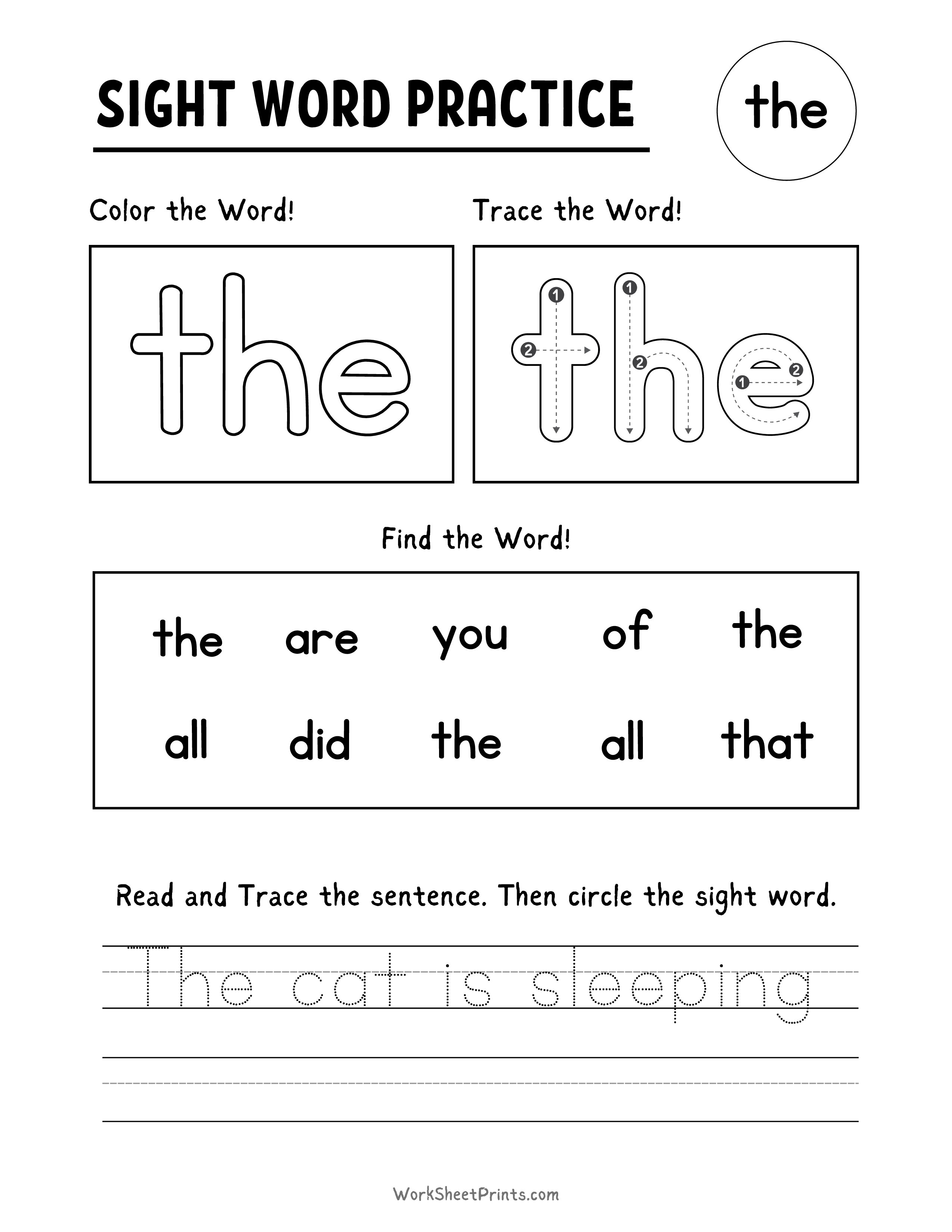
Absolutely! Trace lines worksheets are an excellent precursor to handwriting practice. By mastering the art of tracing, learners develop the fine motor skills and muscle memory essential for legible handwriting. These worksheets help learners understand the fluidity and precision required for forming letters and words, setting a strong foundation for their writing journey.
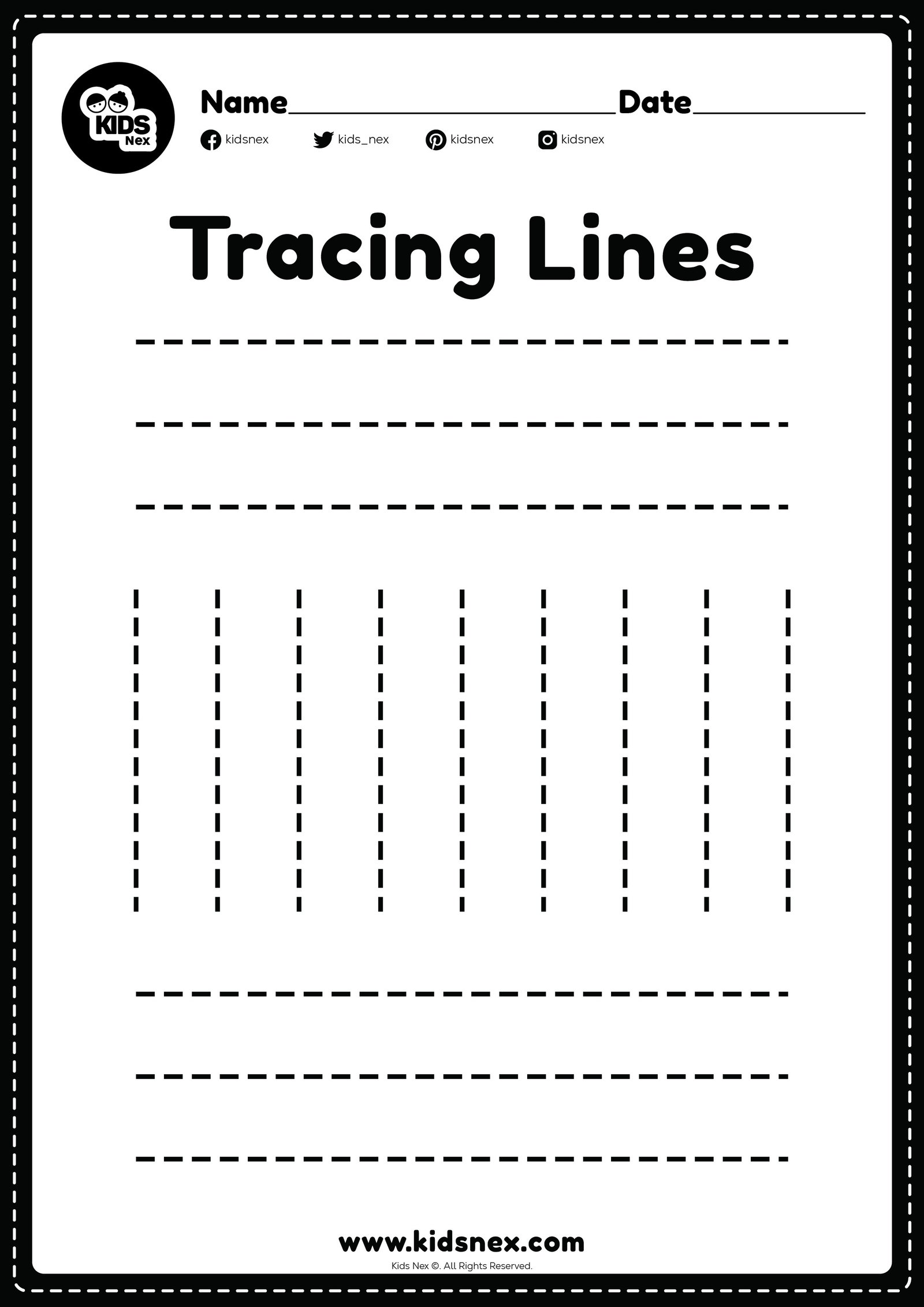
Sleeping and standing line patterns.
How can I effectively use trace lines worksheets in my classroom or homeschool?
Incorporating trace lines worksheets into your teaching repertoire is a breeze! For classroom settings, these worksheets can be used as a warm-up activity to prepare learners for more complex tasks. They can also be assigned as homework or used as a quiet activity during transition periods. For homeschoolers, trace lines worksheets provide a structured yet engaging way to develop fine motor skills, offering a fun break from traditional learning materials.
Standing line tracing for kids.
When using trace lines worksheets, it's essential to consider the learner's age and skill level. Start with simpler worksheets featuring thicker lines and progress to more intricate designs as their skills develop. Remember, the goal is to challenge learners without overwhelming them, fostering a positive and enjoyable learning experience.
Number one tracing practice.
Connecting the Dots: A Journey of Discovery and Precision
Trace lines worksheets offer a unique opportunity for learners to embark on a journey of discovery. By following the path of a line, whether it's a straight shot or a winding trail, learners develop a sense of spatial awareness and an understanding of the relationship between lines and shapes. This journey of discovery not only enhances their fine motor skills but also fosters a deeper appreciation for the precision and beauty of line work.
Tracing lines online for kids.
As learners progress through trace lines worksheets, they not only improve their handwriting but also develop a foundation for various artistic pursuits. The skills they acquire, such as control, precision, and an eye for detail, can be applied to drawing, painting, and even calligraphy. Thus, trace lines worksheets offer a versatile and engaging learning experience, opening doors to a world of creative expression.