

Vegetables Coloring Worksheets Easy Overview
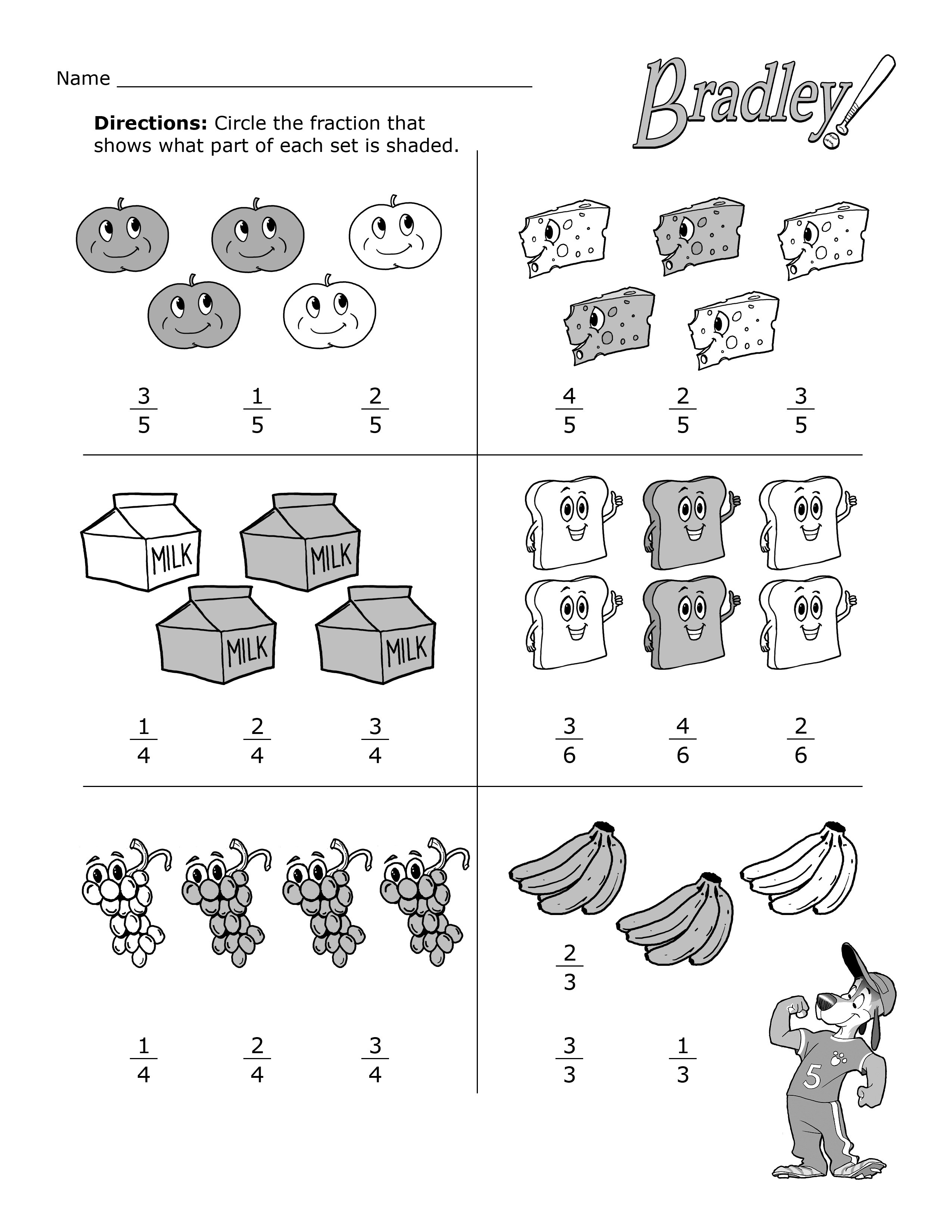
As a parent, I'm always on the lookout for fun and practical ways to teach my kids essential life skills. Counting money worksheets have been a real lifesaver for me and my little ones. These worksheets offer a simple yet effective way to practice money handling, and they're perfect for kids of all ages, from kindergarten to grade school. I even found a great resource for free printable money worksheets that has helped my kids grasp the concept of adding and subtracting integers, like 25 Adding Subtracting Integers Worksheets.
Practice counting Philippine coins and bills.
Counting Money: A Practical Skill for Life
Money Counting Practice for All Ages
Counting money worksheets are an excellent tool for teaching children the essential skill of handling and calculating money. These worksheets offer a structured and engaging way to introduce young learners to the world of dollars and cents, helping them develop a solid foundation for financial literacy. With a range of activities and difficulty levels, these worksheets cater to various age groups, ensuring that kids from kindergarten to grade school can benefit from this practical learning resource.
Preschool coin recognition worksheets.
Whether it's recognizing different coins and their values or solving more complex math money problems, counting money worksheets provide a fun and interactive approach to learning. By practicing with these worksheets, children can enhance their basic currency skills, build confidence in handling cash, and develop a strong understanding of monetary concepts.
Money counting worksheets for kids.
Counting Coins Worksheets: A Step-by-Step Guide
When it comes to teaching kids about money, counting coins worksheets play a crucial role. These worksheets focus specifically on recognizing and valuing different coins, such as pennies, nickels, dimes, and quarters. By working through these exercises, children learn to identify each coin, understand its worth, and practice simple addition and subtraction to calculate totals.
Recognize and value different currencies.
For instance, a typical counting coins worksheet might present a collection of coins and ask the child to count and add up the values. This not only reinforces their knowledge of coin values but also improves their math skills, especially when dealing with fractions and decimals. As children progress, the worksheets can introduce more challenging tasks, such as making change or solving word problems involving money.
Real-world money problem scenarios.
People Also Ask: How Do Free Printable Money Worksheets Help with Learning?
Free printable money worksheets are a fantastic resource for parents and educators, offering a cost-effective and convenient way to provide practice and reinforcement for money counting skills. These worksheets cover a range of topics, from identifying coins and their values to more advanced concepts like making change, budgeting, and even simple interest calculations.
Identify and count dollar bills.
By utilizing free printable money worksheets, learners can practice at their own pace, reinforcing their understanding of monetary concepts. Whether used in a classroom setting, for homeschooling, or as a supplement to tutoring, these worksheets provide a flexible and accessible learning tool. Additionally, many of these resources are designed with engaging themes and colorful visuals, making learning about money an enjoyable experience for kids.
Counting money worksheets for kindergarten.
How Can Parents and Teachers Effectively Use Counting Money Worksheets?
Counting money worksheets can be a valuable asset for parents and teachers looking to enhance their students' financial literacy. Here are some practical tips for incorporating these worksheets into learning:
Money math: counting coins and notes.
- Classroom Setting: Teachers can use counting money worksheets as a warm-up activity, a quick review, or as part of a larger lesson on financial concepts. These worksheets can be distributed individually or in small groups, allowing students to work collaboratively and discuss their strategies.
- Homeschooling: For homeschooling parents, counting money worksheets provide a structured and focused learning opportunity. They can be used as a standalone activity or integrated into a broader math curriculum, offering a practical application of mathematical concepts.
- Tutoring Sessions: Tutors can utilize counting money worksheets to reinforce basic currency skills and improve students' confidence in handling money. These worksheets can be tailored to the student's needs, focusing on areas of improvement or providing more advanced challenges.
- Independent Practice: Both parents and teachers can encourage independent practice with counting money worksheets. By setting aside dedicated time for money counting practice, students can develop their skills and become more comfortable with monetary concepts.
Fourth grade money-counting challenge.
Practice Money Counting with Real-Life Scenarios
While counting money worksheets provide a structured learning environment, it's also beneficial to incorporate real-life scenarios into money counting practice. Here are some ideas to bridge the gap between worksheets and practical application:
Printable money-counting exercises.
- Grocery Shopping: Take your child grocery shopping and involve them in the process. Ask them to help you calculate the cost of items, estimate the total, and even pay the cashier. This real-world application of money counting skills can be a fun and educational experience.
- Allowance and Savings: Encourage your child to manage their allowance or savings. Have them count and organize their money, make simple budgets, and set savings goals. This teaches them the value of money and the importance of financial responsibility.
- Community Events: Look for community events or fundraisers that involve money handling. For example, a bake sale or a car wash can provide an opportunity for your child to practice making change, count donations, and understand the impact of their contributions.
Learn to count and recognize money.
By combining counting money worksheets with real-life experiences, children can develop a deeper understanding of monetary concepts and apply their skills in practical situations.
Basic math worksheets: money.
Final Thoughts: The Value of Counting Money Worksheets
Counting money worksheets offer a versatile and effective approach to teaching children about money. From recognizing coins and their values to solving more complex math problems, these worksheets provide a solid foundation for financial literacy. Whether used in a classroom, at home, or as a supplement to tutoring, counting money worksheets offer a practical and engaging way to develop essential life skills.
By incorporating these worksheets into learning, parents and educators can empower children with the confidence and knowledge to handle money effectively. So, whether you're a parent looking for fun ways to teach your kids or an educator seeking practical resources, counting money worksheets are a valuable tool to explore.
Remember, financial literacy is a lifelong skill, and by starting early with these worksheets, you're setting your children up for success in managing their finances in the future.
Money management is a life skill that can be taught and mastered at any age, and these worksheets are a fantastic way to start that journey. It's an essential skill, and with these resources, you can make it an enjoyable learning experience for your kids.
So, why not give it a go? Print out a few worksheets, gather some coins, and see how your little ones take to it. It's a fun and practical way to spend some quality time together while setting them up for a bright financial future. Leave a comment or share your experience below; we'd love to hear how it goes!
Free printable coin-counting practice.
Related: 23 Reading Worksheets for Kindergarten
As a parent, I'm always on the lookout for fun and engaging ways to help my little ones learn. Reading worksheets for kindergarten can be a real lifesaver when it comes to keeping kids interested and focused. These printable resources are a great tool for parents and teachers alike, offering a simple way to practice reading skills at home or in the classroom. I recently discovered some free printable reading comprehension worksheets for kindergarten, and they've been a hit with my kids! It's a fun way to get them excited about learning, and it's even better when you can find creative themes, like 31 Cat Pumpkin Carving Stencil Designs, to keep them engaged.
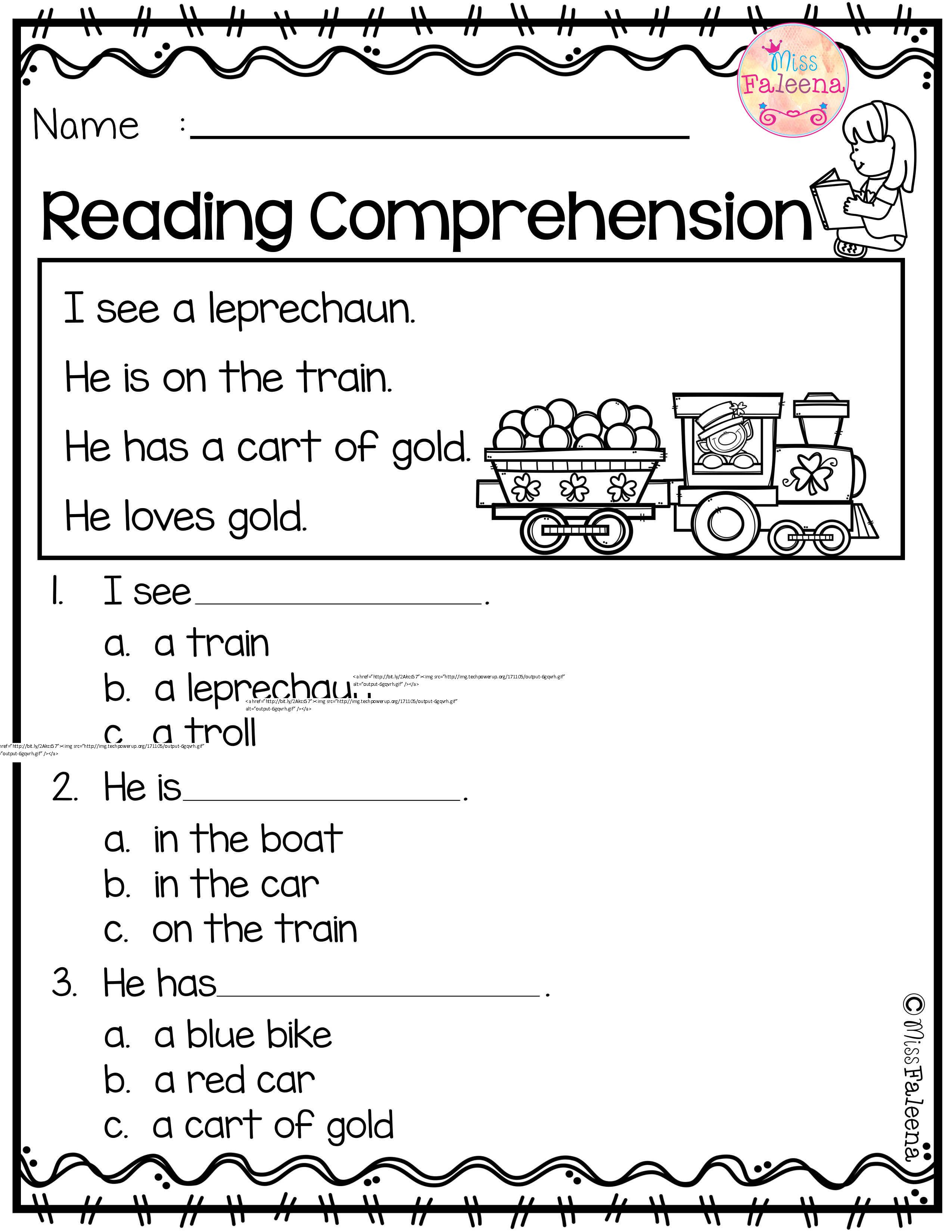
Free reading comprehension for kindergartners
Reading Fluency and Comprehension: A Foundational Focus
One of the key benefits of reading worksheets for kindergarten is their ability to enhance reading fluency and comprehension skills in young learners. These worksheets provide a structured and engaging way for children to practice reading, helping them develop a solid foundation for future academic success. By working through various activities and exercises, kids can improve their reading speed, accuracy, and understanding of text, which are essential skills for any subject they'll encounter in school.
Learning reading skills with a fun worksheet
Beyond Basic Reading: Building Vocabulary and Critical Thinking
While reading fluency is a crucial aspect, reading worksheets for kindergarten also offer opportunities to expand vocabulary and foster critical thinking. Many worksheets incorporate activities like identifying words, matching pictures to words, or unscrambling letters to form words. These exercises not only reinforce letter recognition and word formation but also encourage children to think creatively and analytically. By engaging in these activities, kids can develop a richer vocabulary and improve their ability to comprehend and interpret text, which are vital skills for effective communication and problem-solving.
First grade reading adventure
People Also Ask: What Specific Skills Do These Worksheets Target?
Kindergarten worksheets often cover a range of reading-related skills, catering to different learning needs and styles. For instance, some worksheets focus on letter recognition and phonics, helping kids identify and associate letters with their corresponding sounds. Others may emphasize sight word recognition, where children learn to recognize and read common words quickly and accurately. Additionally, worksheets can target vocabulary building, sentence structure, and even early writing skills, such as forming letters and simple sentences. The variety of activities ensures that kids can practice different aspects of reading and language development, catering to their individual learning progress.
Reading comprehension for kindergarteners
How to Choose and Use Reading Worksheets Effectively
When selecting and utilizing reading worksheets for kindergarten, it's essential to consider the specific needs and abilities of your child or students. Start with simpler worksheets that align with their current reading level, gradually introducing more challenging activities as they progress. It's also beneficial to offer a mix of worksheet types, such as those focusing on phonics, sight words, or vocabulary, to provide a well-rounded reading practice experience. Additionally, consider the format and presentation of the worksheets. Some kids may respond better to colorful and visually appealing worksheets, while others might prefer a more straightforward and simple design. Experiment with different styles to find what works best for your learners.
Fun games for reading comprehension
Practical Application: Incorporating Worksheets into Daily Learning
Reading worksheets can be seamlessly integrated into various learning environments, including classrooms, homeschooling settings, and even as supplementary practice at home. In a classroom setting, teachers can use worksheets as a tool for whole-class instruction, small group activities, or individual practice. They provide a structured way to reinforce reading concepts and allow teachers to assess student understanding. For homeschooling parents or tutors, worksheets offer a convenient and effective way to guide and support children's reading development, providing a clear framework for practice and progress tracking. At home, parents can use worksheets as a fun and interactive way to engage their kids in reading, especially during dedicated learning time or as a break from regular play. By incorporating worksheets into daily routines, parents and educators can ensure consistent practice and support children's reading growth in a structured yet enjoyable manner.
Reading journey for kindergarteners
As an added bonus, worksheets can also be a great way to keep kids entertained during travel or downtime. With a simple printout and some coloring tools, children can practice their reading skills on the go, making learning a portable and accessible activity. This flexibility ensures that learning opportunities are always within reach, fostering a love for reading and continuous progress.
Free reading comprehension sheets
Worksheets for reading adventures
Learning to read with printables
Reading comprehension for early readers
Beginning reading practice
Free printable reading adventures
Reading worksheets offer a fantastic opportunity to nurture your child's love for learning and set them up for a bright future. With these engaging resources, you can help your little ones build a strong reading foundation, which is an invaluable gift.
So, why not give it a go? Print out a few worksheets, make it a fun activity, and see the magic unfold. It's a simple yet powerful way to support your child's reading journey. Leave a comment or share your experience below; we'd love to hear how it goes!
Comprehension practice sheets for kids
Read also: 21 Disney Pumpkin Stencil Ideas
Related: 28 Phonics Worksheets for Kindergarten
As a parent, I'm always on the lookout for fun and engaging ways to help my little one learn. Phonics worksheets for kindergarten have been a real lifesaver! With these, I can easily guide my child through the basics of phonics, and it's a great way to keep them interested and focused. I even found some CVC phonics worksheets with fun strawberry-themed designs, which reminded me of that old 80s band, Strawberry Switchblade. It's a great way to make learning more enjoyable, and I highly recommend giving them a try!
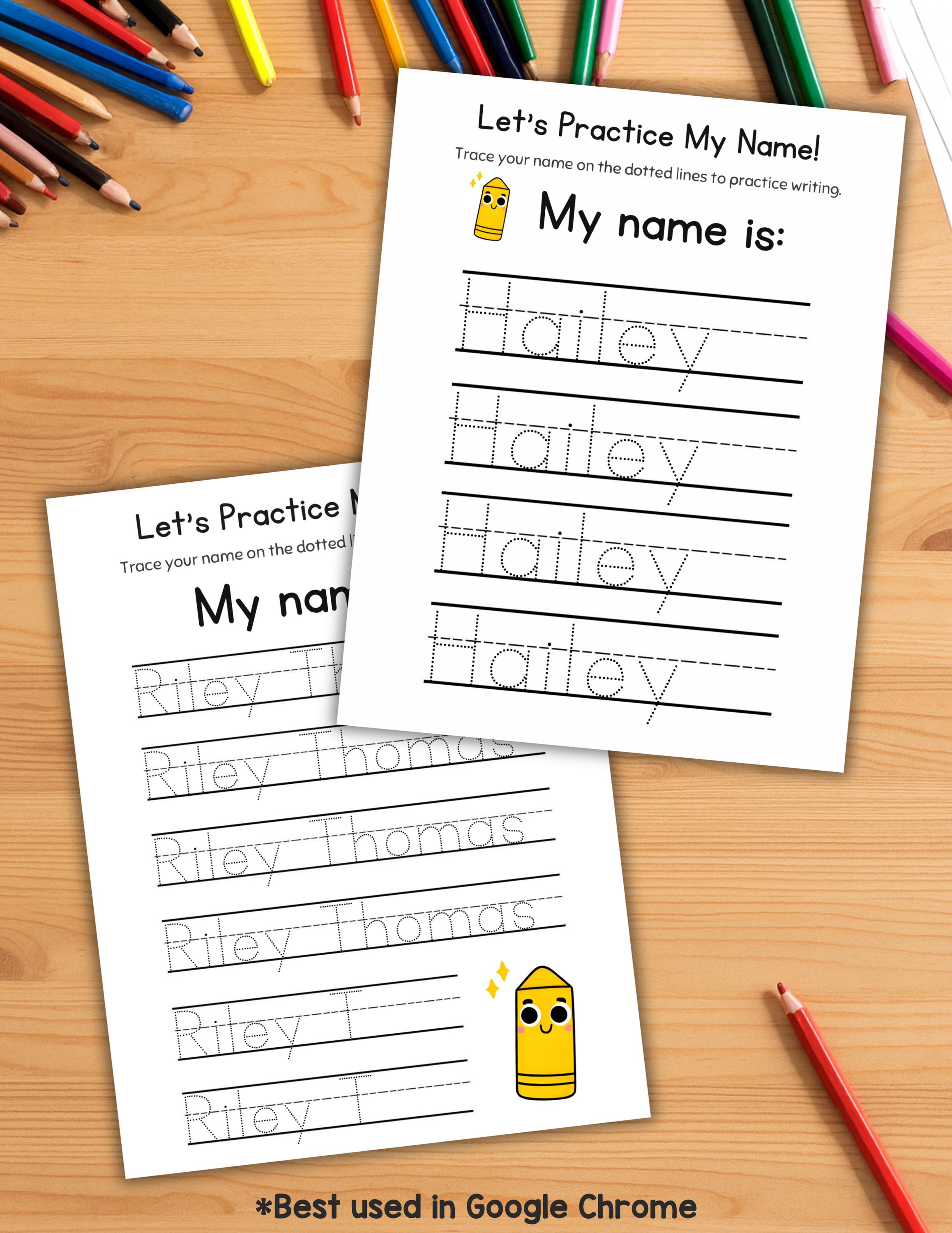
Writing practice: trace and learn.
Phonics Fundamentals: Building a Strong Foundation
Phonics worksheets for kindergarten are an excellent tool to introduce young learners to the world of letters, sounds, and words. These worksheets provide a structured and engaging way to develop essential phonemic awareness and phonics skills, which are crucial for reading and writing. By focusing on letter-sound relationships, blending, and segmenting, these worksheets lay the groundwork for a strong literacy foundation.
First grade phonics fun.
Beyond Basics: Exploring Word Families and Advanced Phonics
While phonics worksheets for kindergarten often start with simple activities like identifying letter sounds and forming words, they can also offer more advanced practice. For instance, worksheets may introduce learners to word families, where they can explore patterns and relationships between words with similar endings. This helps students understand how changing the beginning letter can create new words, fostering a deeper understanding of phonics principles. Additionally, more complex worksheets might include activities like syllable sorting, where students analyze and categorize words based on their syllables, enhancing their ability to decode and comprehend longer words.
Cut and paste: beginning sounds.
People Also Ask: What Types of Phonics Worksheets are Best for Kindergarteners?
Kindergarteners are at a stage where they are just beginning to grasp the concept of letters and sounds. Therefore, it's essential to choose worksheets that are age-appropriate and engaging. Phonics worksheets for kindergarten PDF resources are widely available online, offering a range of activities like letter sound recognition, matching pictures to words, and simple word-building exercises. These worksheets often incorporate colorful designs and familiar themes, making learning fun and interactive. For instance, a worksheet might feature a farm animal theme, where students match the picture of a cow with the word "cow," reinforcing the sound-letter connection.
Short vowel word practice.
How to Make the Most of Phonics Worksheets in the Classroom or at Home
Phonics worksheets can be a versatile resource for teachers and parents alike. In a classroom setting, they can be used as a whole-group activity, with the teacher guiding students through the worksheet and providing support as needed. This approach allows for a structured learning environment, ensuring all students are on track. Additionally, worksheets can be assigned as independent practice, allowing students to work at their own pace and reinforcing their understanding of phonics concepts. At home, parents can use phonics worksheets to supplement their child's learning, providing a fun and interactive way to practice letter sounds and word-building. Phonics worksheets for kindergarten blends are particularly useful for helping children recognize and manipulate consonant blends, a crucial skill for reading fluency.
Comprehension: simple stories.
The Benefits of Interactive Phonics Practice: A Game-Based Approach
One of the key advantages of phonics worksheets is their ability to make learning interactive and enjoyable. Many worksheets incorporate games and puzzles, transforming practice into a fun activity. For instance, a syllable sorting game might involve cutting out pictures of objects and sorting them into columns based on their syllable count. This not only reinforces syllable awareness but also develops fine motor skills as students cut and paste. Similarly, phonics puzzles solve can be a great way to challenge students, encouraging them to apply their phonics knowledge in a more complex context. By making learning engaging, phonics worksheets can help foster a love for reading and writing from an early age.
Phonics sounds: a to z.
As a parent or educator, incorporating phonics worksheets into your teaching arsenal can be a powerful way to support early literacy development. With a range of activities and themes available, these worksheets offer a flexible and effective tool for guiding young learners through the world of phonics. By starting with simple letter sounds and progressing to more advanced concepts like word families and syllable sorting, phonics worksheets provide a solid foundation for reading and writing success.
Printable reading adventure.
Free comprehension worksheets.
Beginning reading: at words.
Downloadable kindergarten readers.
Building sentences: labeling.
Phonics: letter sounds worksheet.
Hey there, fellow educators and parents! We hope you're feeling inspired and ready to dive into the wonderful world of phonics with your little ones. These worksheets are a fantastic way to make learning fun and interactive, so don't be shy—give them a go!
Remember, every child learns at their own pace, so take it one step at a time and enjoy the process. We'd love to hear how it goes, so feel free to leave a comment and share your experiences with us. Happy teaching and learning!
Read and match pictures.
Read also: 25 Adding Subtracting Integers Worksheets