As a parent, I'm always on the lookout for fun and engaging ways to help my kids learn. Fibonacci grade 5 worksheet is one such resource that has been a real lifesaver! It's a great way to reinforce those tricky math concepts and keep the kids interested. I mean, who doesn't love a good puzzle? Especially when it involves an interesting pattern like the Fibonacci sequence. I recently stumbled upon a fantastic resource, a Fibonacci sequence worksheet PDF, which has been a game-changer for my homeschooling journey. It's like having a personal tutor guide them through this fascinating concept.
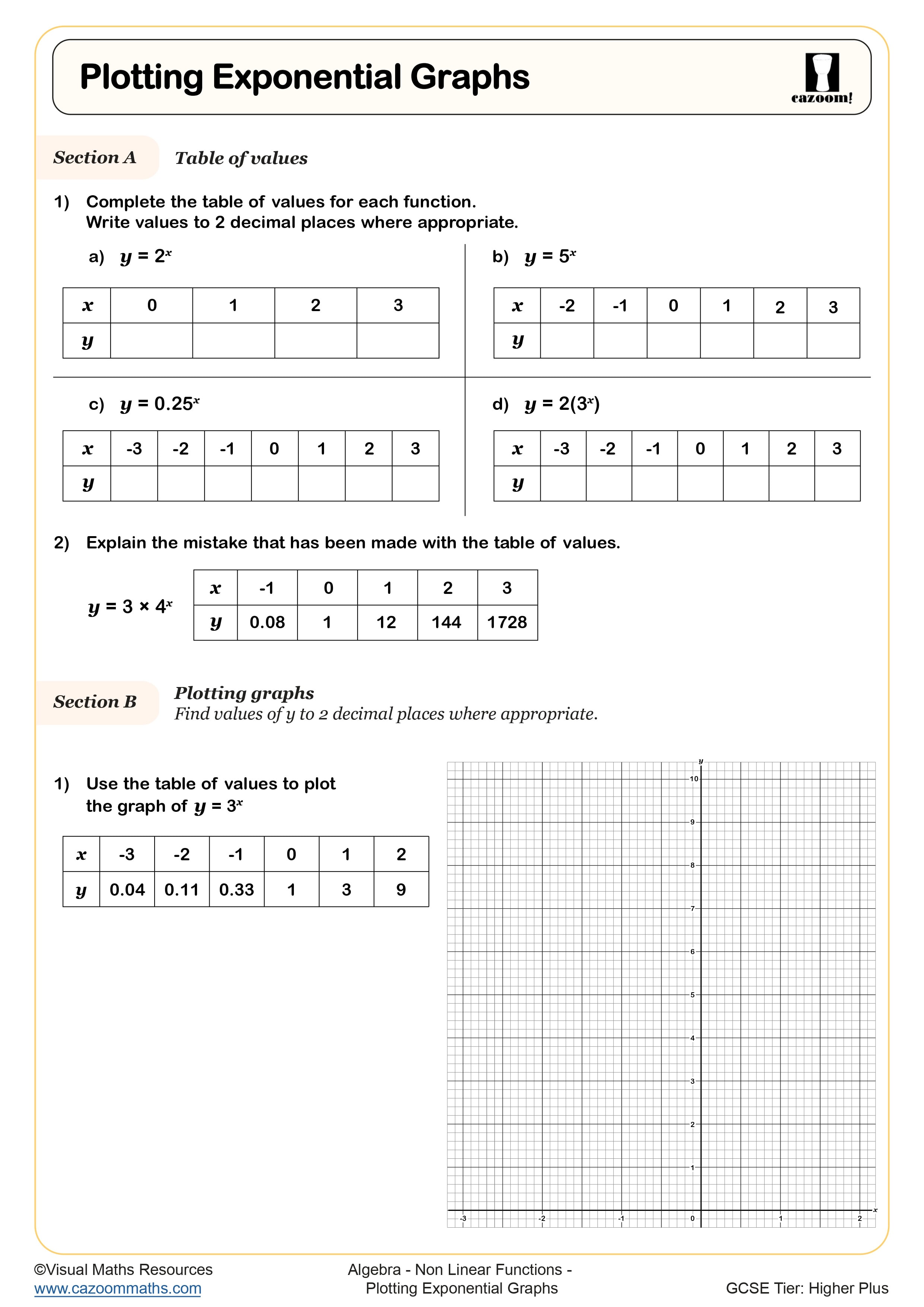
Grade 6 math practice with varied questions.

Exploring the Fibonacci Sequence
The Fibonacci grade 5 worksheet is an excellent tool for introducing and reinforcing the concept of the Fibonacci sequence, a fascinating mathematical pattern found in nature. This worksheet offers a range of activities that engage young learners and provide a solid foundation for understanding this unique sequence.

Exploring Fibonacci sequences and patterns.
Beyond Basic Practice: Advanced Fibonacci Exploration
While the Fibonacci sequence may seem like a simple pattern at first glance, it holds a wealth of mathematical insights and applications. The Fibonacci grade 5 worksheet goes beyond basic practice, offering more advanced challenges to stimulate critical thinking and problem-solving skills. These worksheets often include activities that encourage learners to explore the sequence's properties, identify patterns within patterns, and apply the sequence to real-world scenarios. For instance, students might be asked to analyze the spiral patterns in a pinecone or the arrangement of petals in a flower, connecting these natural phenomena to the Fibonacci sequence.
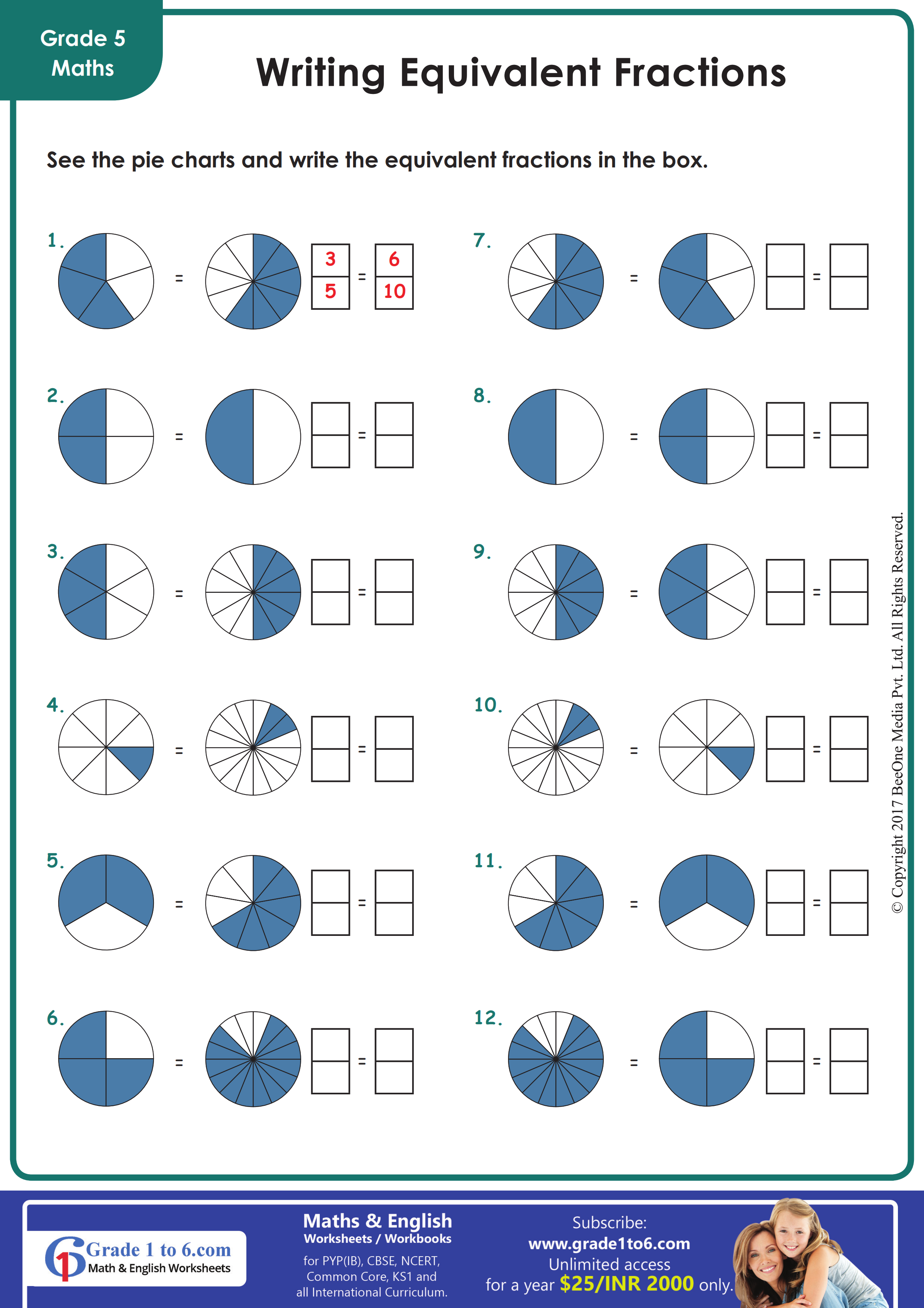
Fraction fundamentals for second-grade students.
People Also Ask: What Makes the Fibonacci Sequence So Special?
The Fibonacci sequence is not just a mathematical curiosity; it's a fundamental concept with wide-ranging applications. Its unique properties and prevalence in nature make it an intriguing topic for learners of all ages. The sequence, named after the Italian mathematician Leonardo of Pisa (also known as Fibonacci), starts with 0 and 1, and each subsequent number is the sum of the two preceding ones: 0, 1, 1, 2, 3, 5, 8, 13, 21, and so on. This simple rule results in a sequence with profound implications.
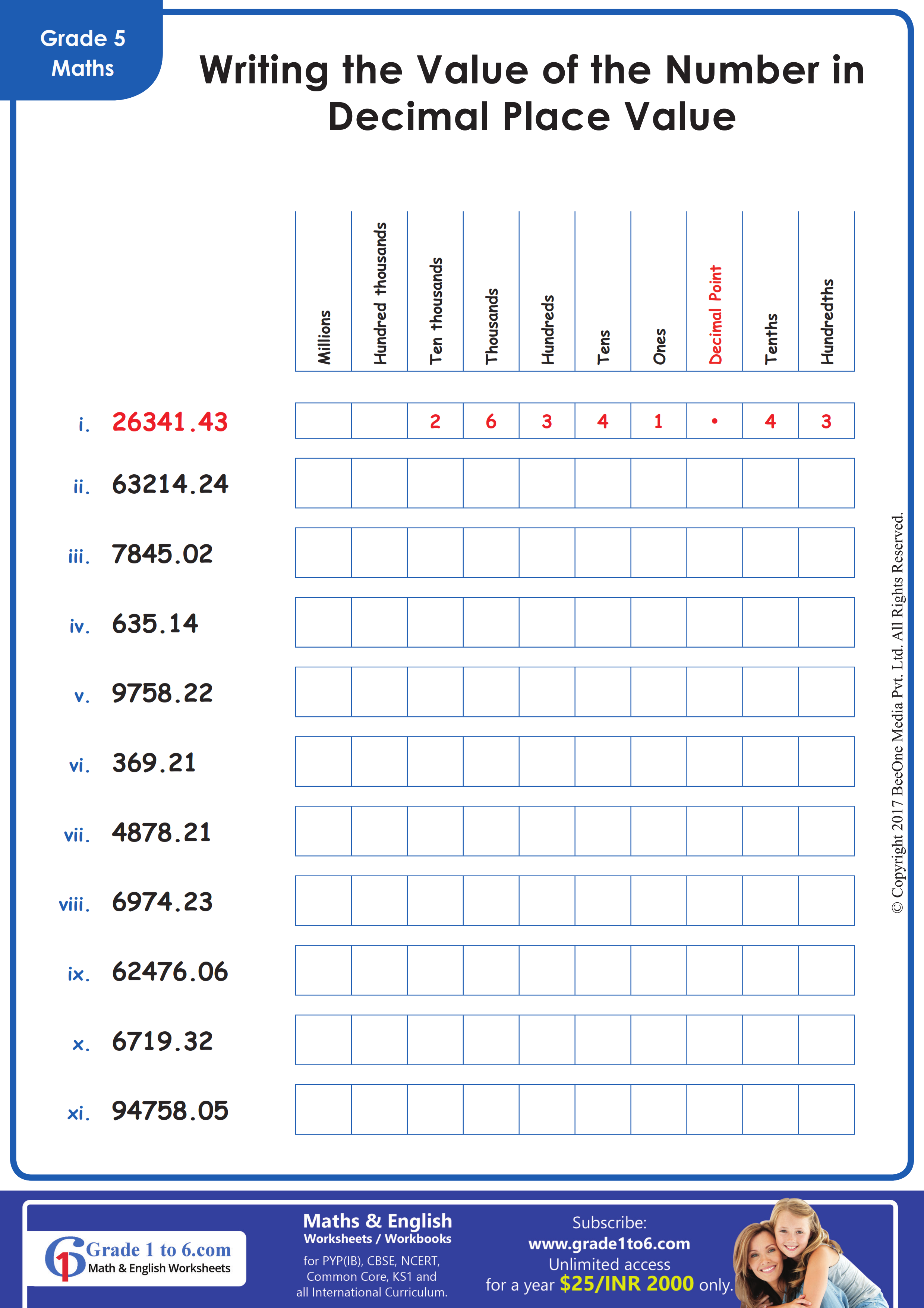
Decimal place value exercises for grades 4-6.
One of the most fascinating aspects of the Fibonacci sequence is its connection to nature. The sequence can be observed in the arrangement of leaves on a stem, the spiral patterns in pinecones and sunflowers, and even the growth patterns of various animals and plants. This natural occurrence of the sequence adds a layer of intrigue and relevance to mathematical learning, making it a captivating topic for students.

Golden ratio grid template for Fibonacci art.
How to Make the Most of the Fibonacci Worksheet: Tips and Tricks
When using the Fibonacci grade 5 worksheet, there are a few strategies that can enhance the learning experience. First, encourage students to explore the sequence visually. Many worksheets include visual representations of the sequence, such as spirals or rabbit populations, which can help learners grasp the concept more intuitively. Additionally, providing real-world examples and applications can make the sequence more relatable and engaging. For instance, teachers or parents might discuss the Fibonacci sequence's role in art and architecture, or its use in computer algorithms and data structures.
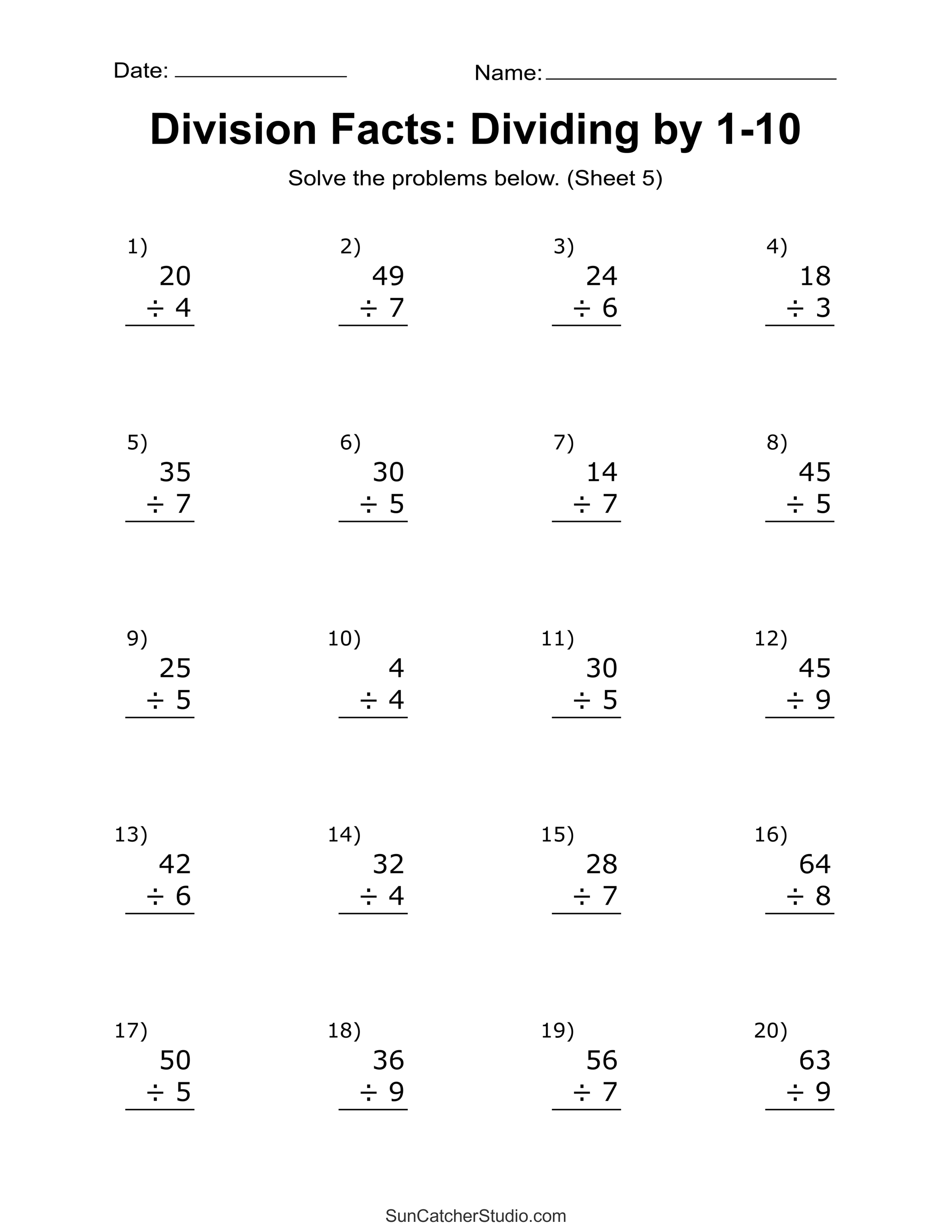
Division exercises: a free printable PDF.
Another effective approach is to incorporate hands-on activities. Students can create their own Fibonacci spirals using string or create a "Fibonacci garden" by planting seeds in a pattern that follows the sequence. These activities not only reinforce the sequence but also promote creativity and a deeper understanding of mathematical concepts.

How to calculate the Fibonacci sequence in Spanish.
Nurturing a Love for Math: The Benefits of Fibonacci Exploration
Exploring the Fibonacci sequence offers numerous benefits beyond just learning a mathematical concept. It encourages a growth mindset, as students discover that even complex patterns can be understood and applied. The sequence's prevalence in nature fosters a sense of wonder and curiosity, motivating students to explore further. Additionally, the Fibonacci sequence's connection to real-world applications, such as in art, architecture, and computer science, can inspire students to see the relevance of math in their daily lives and future careers.

Grade 6 math activities: a free template.
The Fibonacci grade 5 worksheet is a valuable resource for educators and parents, providing a fun and engaging way to introduce and reinforce this fascinating mathematical concept. By offering a range of activities and challenges, it caters to different learning styles and abilities, ensuring that all students can grasp the sequence and its applications. With its focus on visual learning, real-world connections, and hands-on exploration, the worksheet makes learning about the Fibonacci sequence an enjoyable and enriching experience. 19 Homeostasis Graph Worksheet Answers offer a similar opportunity to explore another fascinating mathematical concept, providing a well-rounded learning experience for young minds.
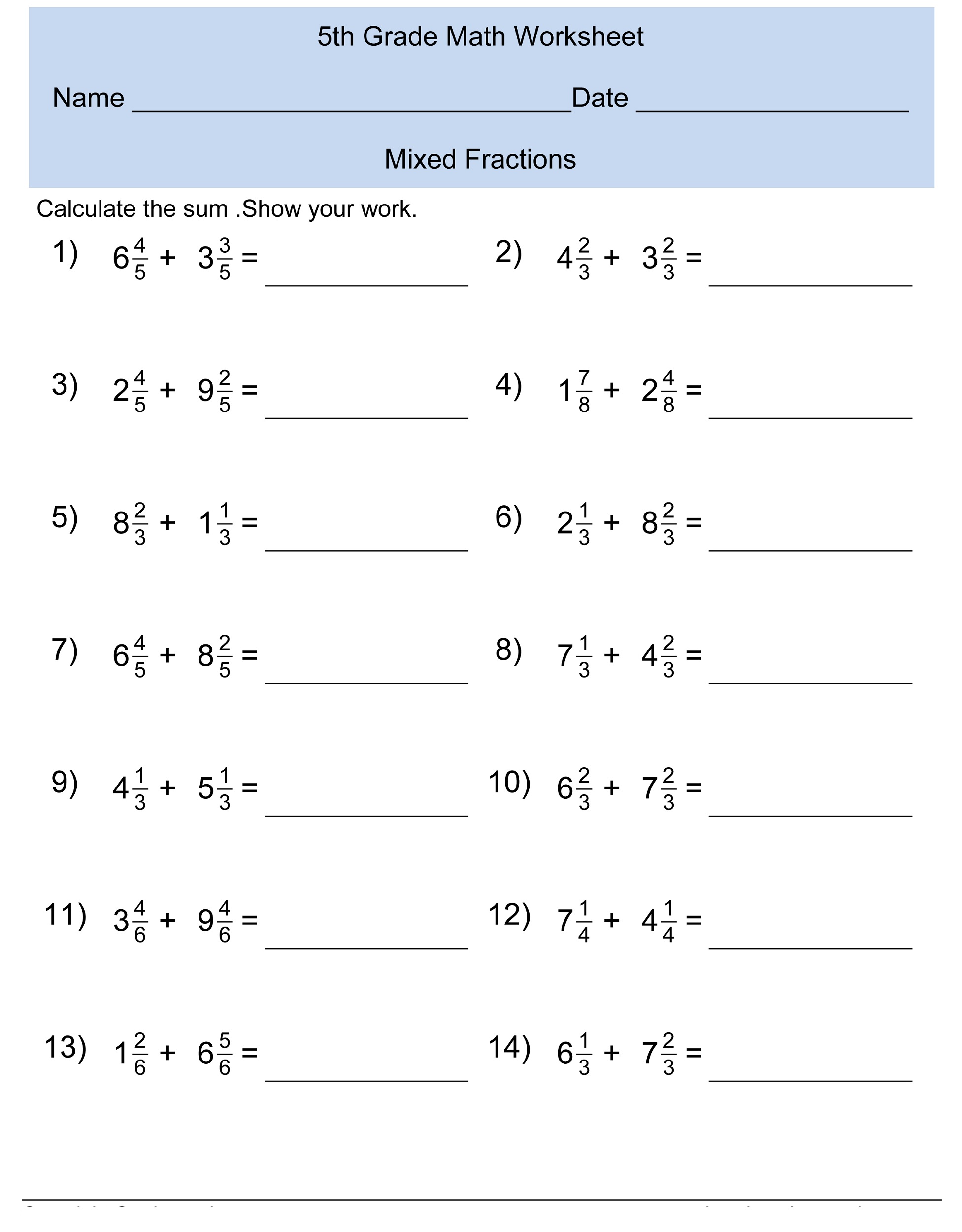
Fraction practice for fifth-grade math.

Grade 5 math challenge: a fun worksheet.
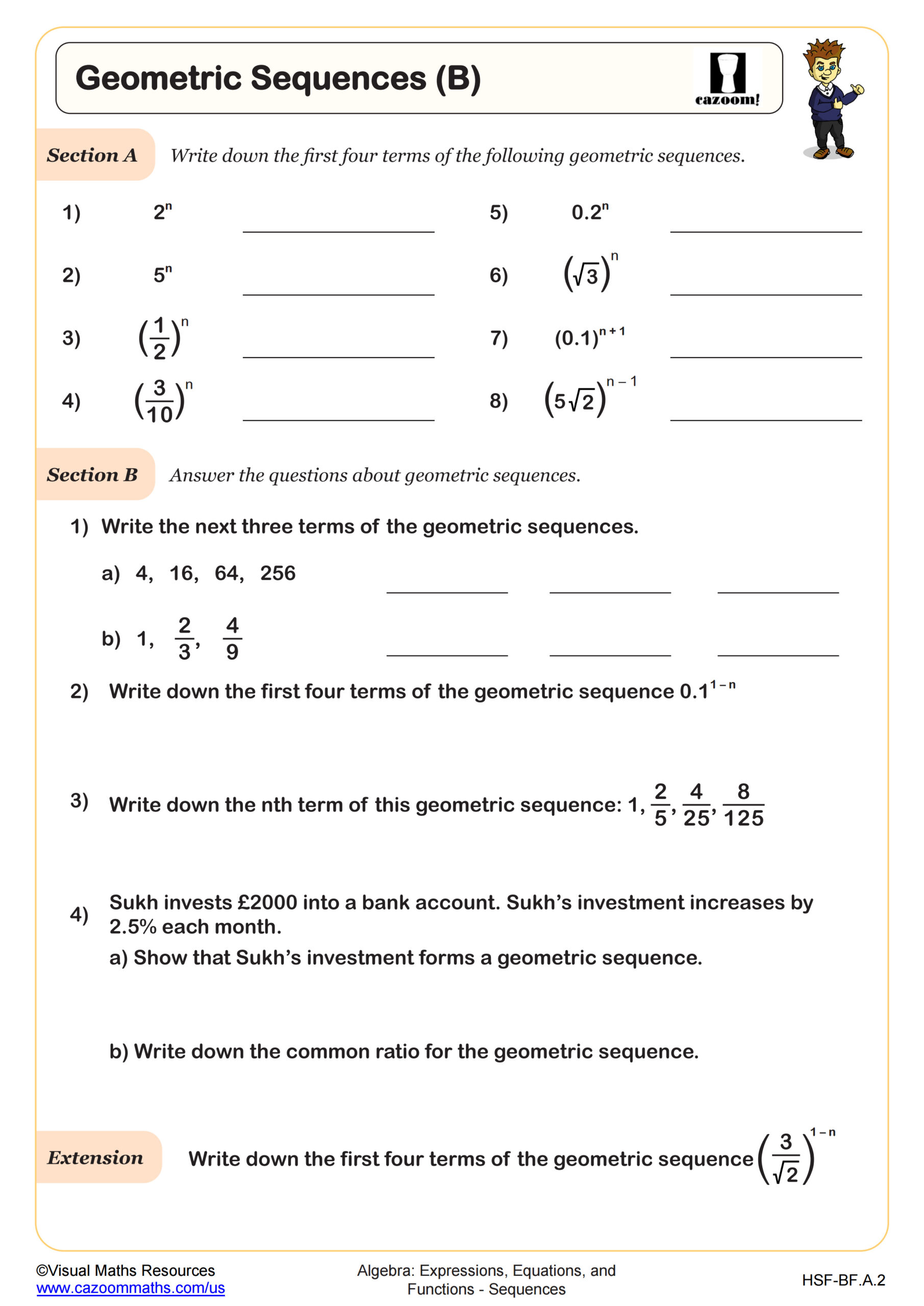
Phonics review sheets for daily practice.
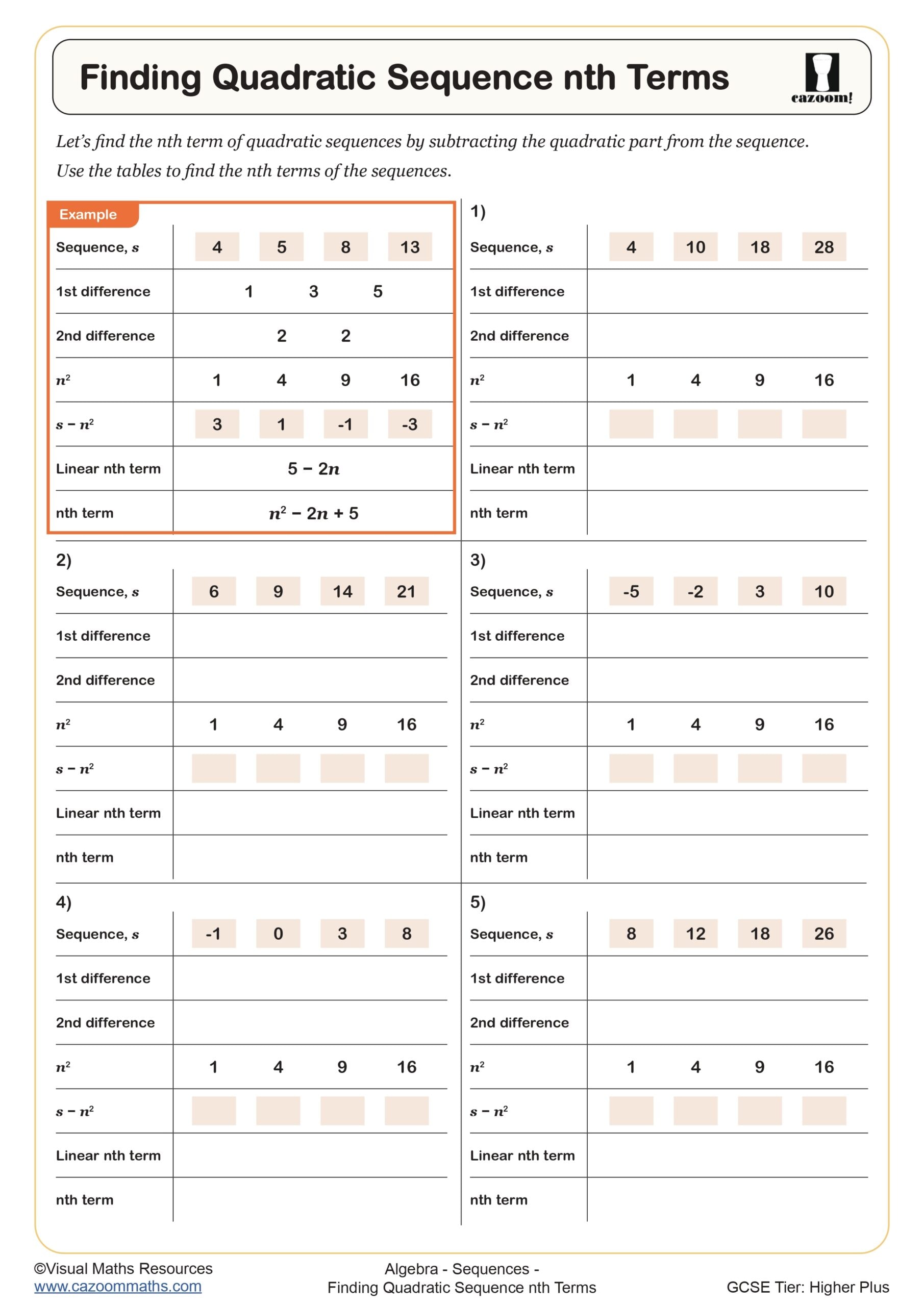
Year 9 sequence worksheets: a PDF resource.
The Fibonacci sequence is an incredible phenomenon, and it's so exciting to see how it captures the curiosity of young minds. This worksheet is a fantastic resource to spark their interest and get them thinking mathematically.
Why not give it a go and see how your little mathematicians take to it? It's a fun way to explore a unique pattern and a great conversation starter too. Leave a comment and let us know how it goes! We'd love to hear about your experiences and any tips you have for making math fun.
Decimal rounding practice for fifth graders.

Read also: 26 Printable Worksheets for Volume of Rectangular Prisms