



Unlocking the Power of Language: Mastering Similes and Metaphors
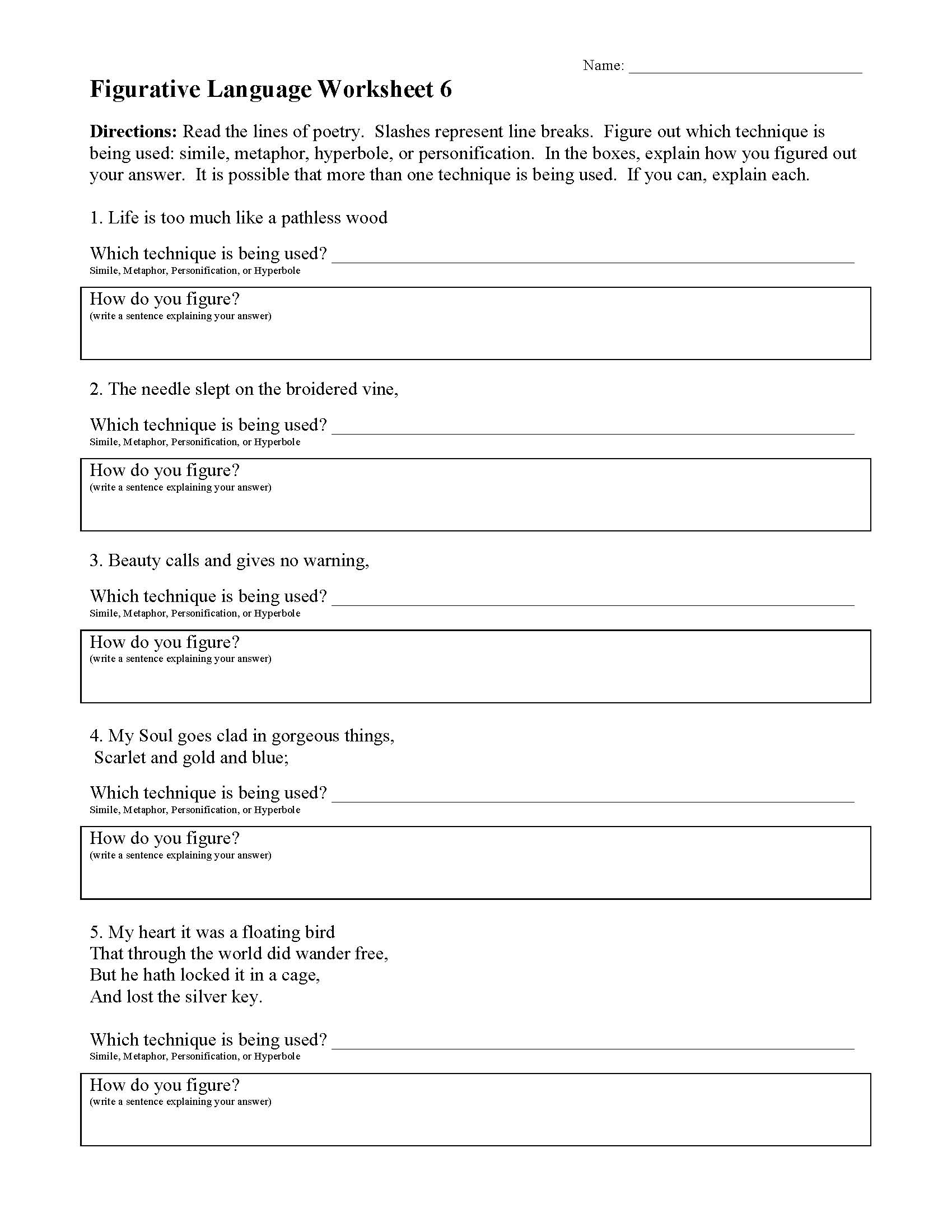
Figurative language is a powerful tool that adds depth and creativity to our communication. A figurative language worksheet is an excellent resource to help students grasp and apply this artful use of language. These worksheets provide a structured yet engaging way for learners to explore and practice similes, metaphors, and other literary devices, enhancing their writing and comprehension skills.
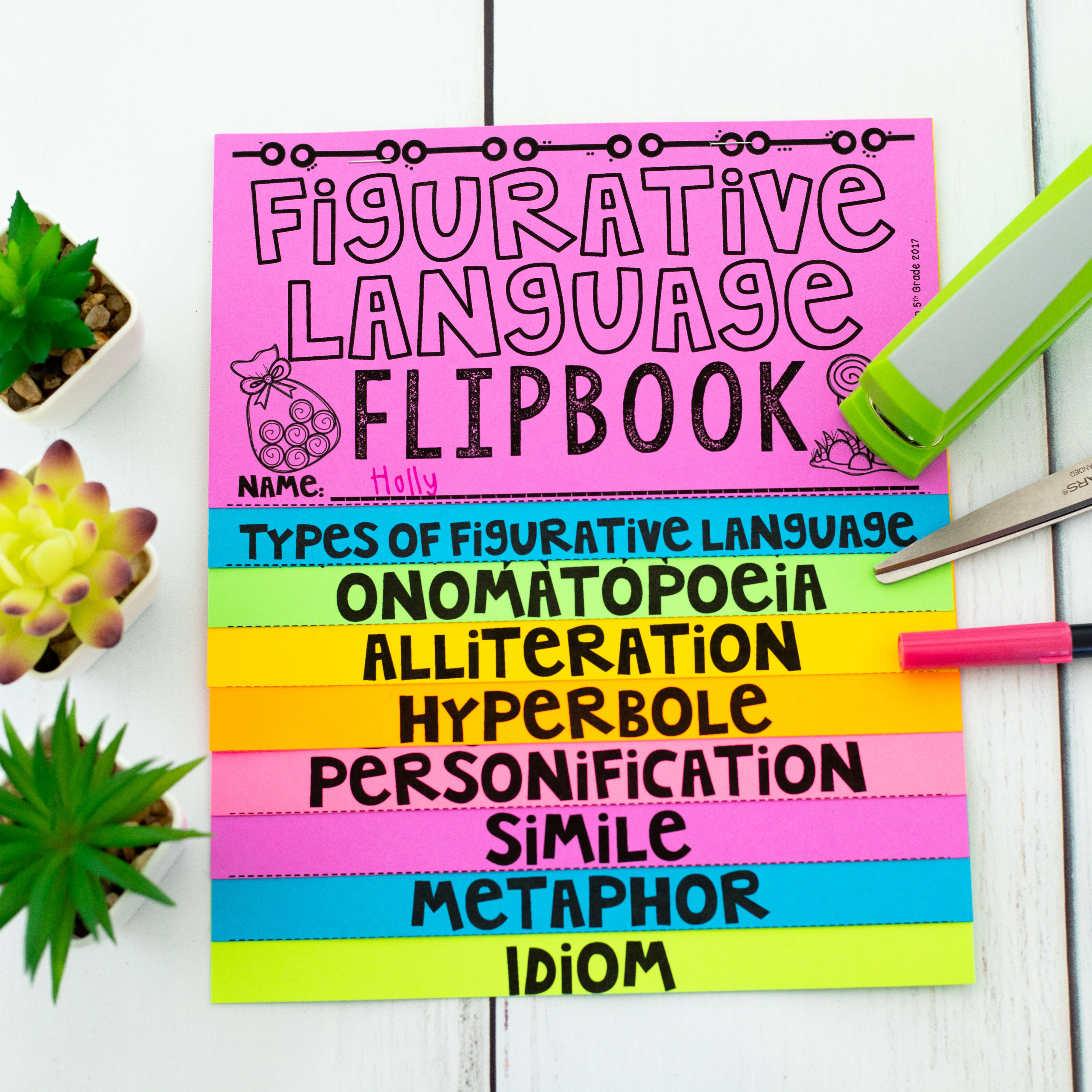
Fifth grade's guide to figurative language.
Beyond the Basics: Advanced Worksheets for Literary Devices
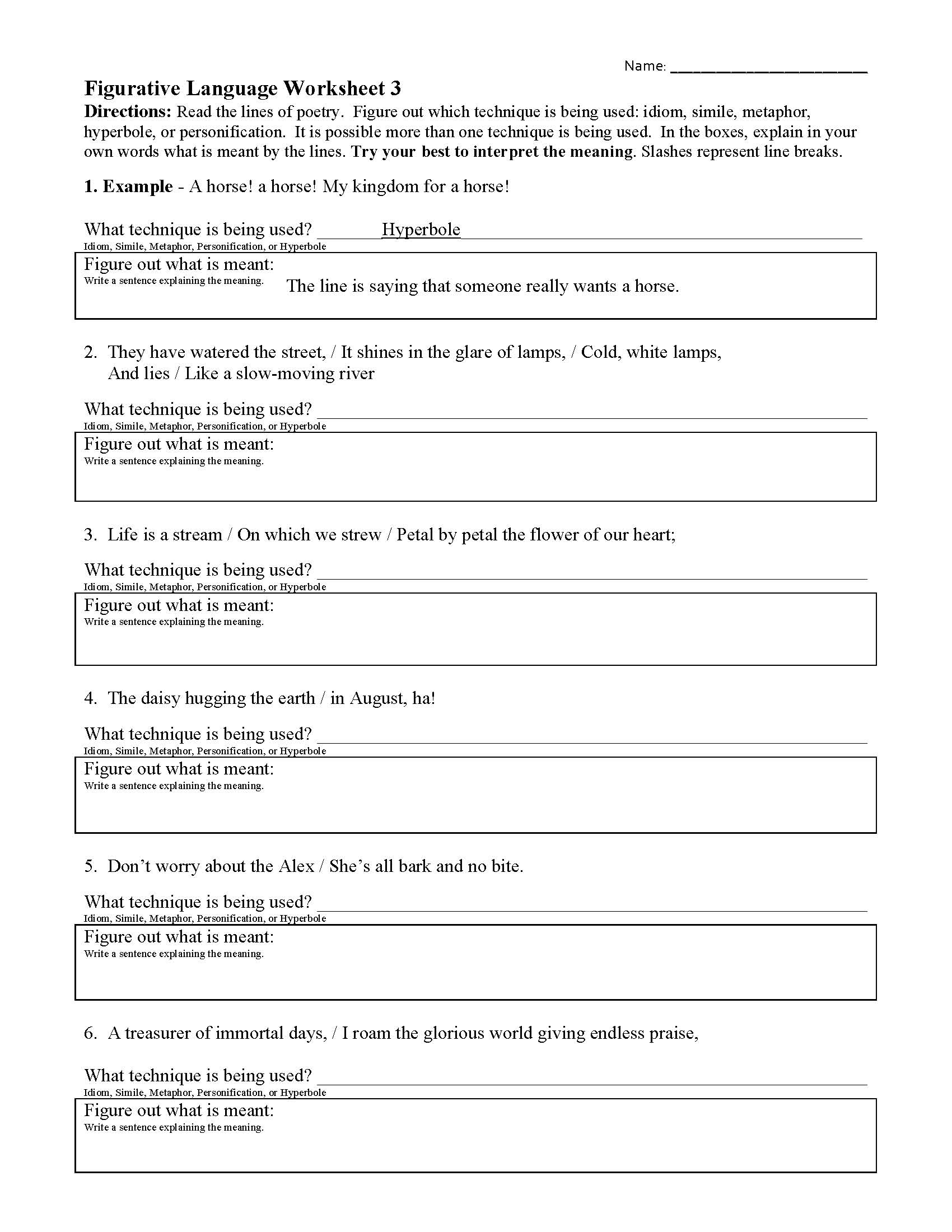
While the foundational concept of figurative language is simple, the art lies in its creative application. Advanced figurative language worksheets take students on a journey beyond the basics, challenging them to think critically and express themselves uniquely. These worksheets often introduce more complex language devices, such as personification, hyperbole, and symbolism, encouraging students to explore the full spectrum of creative wordplay.
Exploring figurative language in practice.
For instance, a worksheet might ask students to identify and analyze the use of symbolism in a poem, prompting them to consider the deeper meanings and emotions conveyed through figurative language. This level of analysis not only enhances their literary understanding but also fosters critical thinking skills that are applicable across various subjects and real-life situations.
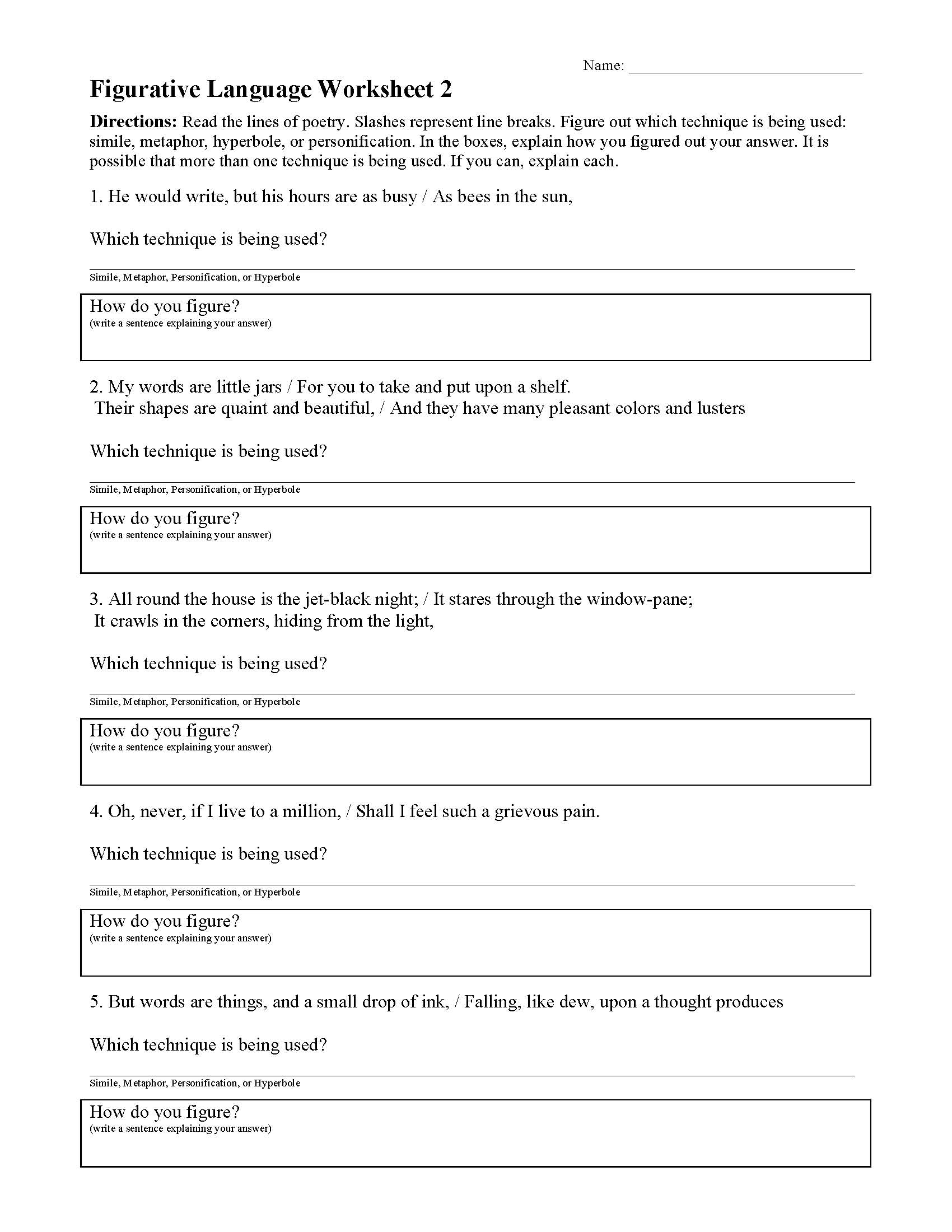
Printable tests and worksheets on figurative language.
People Also Ask: What Specific Skills Do Figurative Language Worksheets Target?
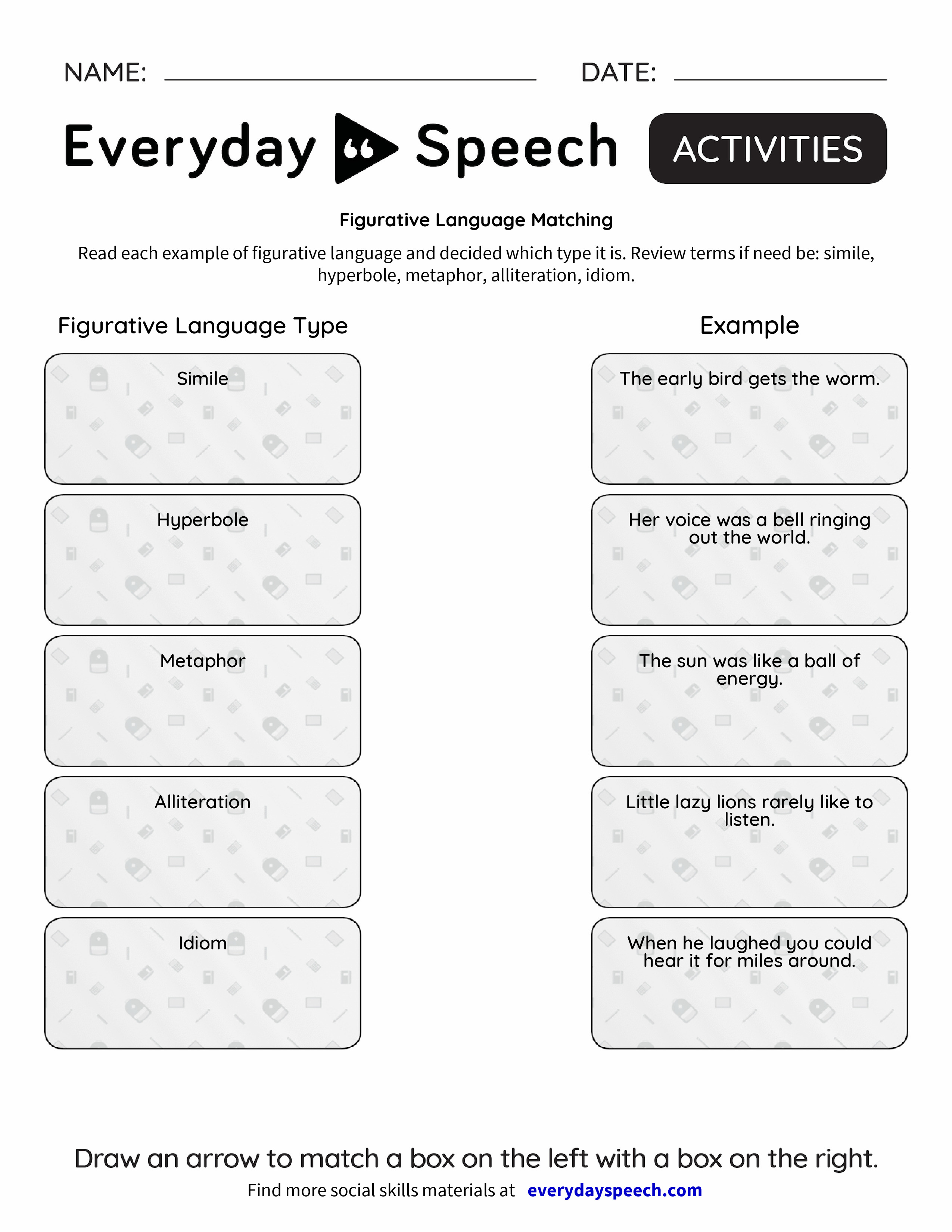
Figurative language worksheets are designed to target a range of skills, primarily focused on enhancing students' understanding and application of literary devices. These worksheets often include activities that require students to identify, define, and create examples of similes, metaphors, and other figures of speech. By engaging with these exercises, students develop a deeper appreciation for the nuances of language and learn to express themselves more creatively.
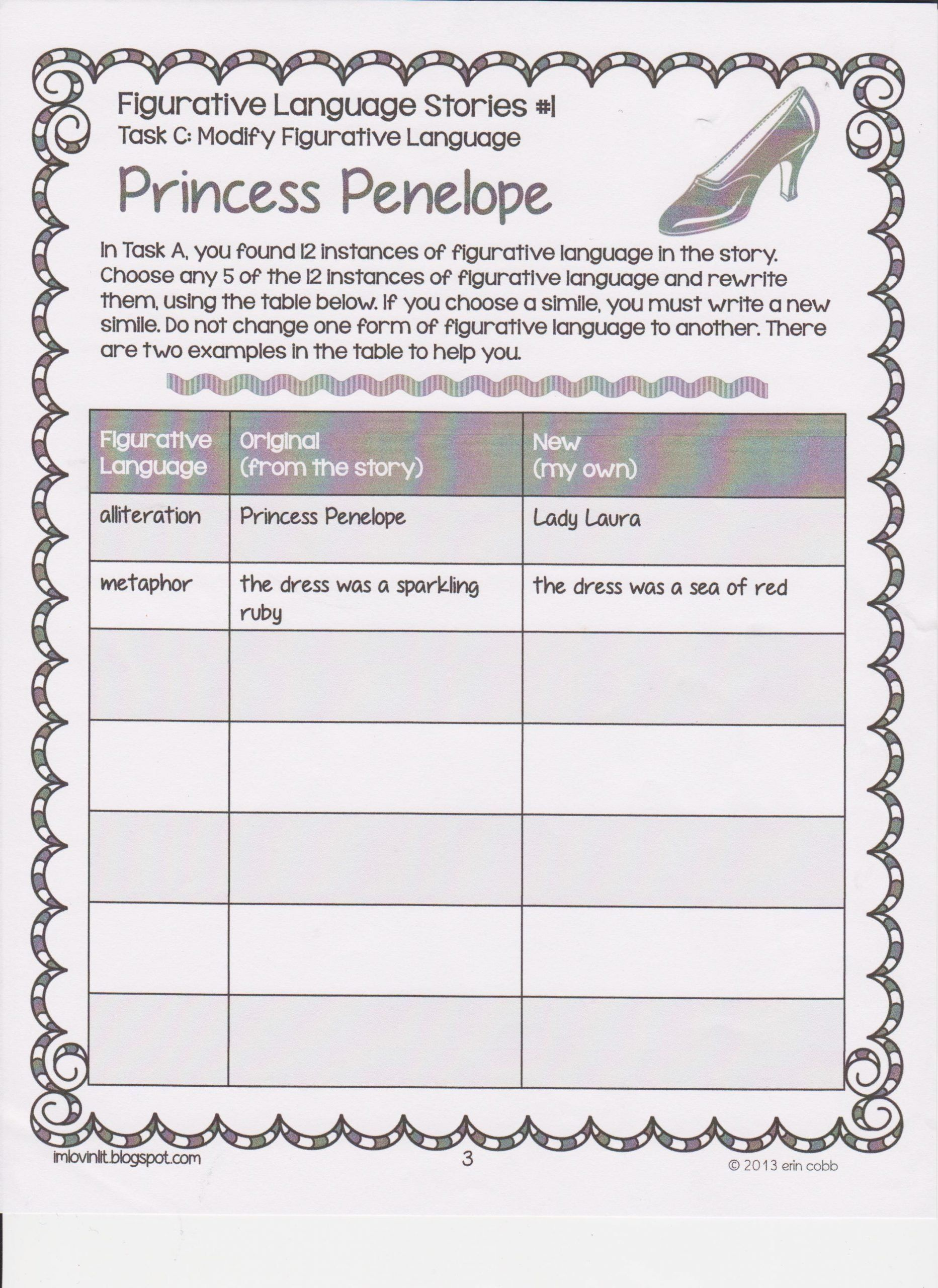
A collection of new figurative language exercises.
Additionally, these worksheets can be tailored to different grade levels, ensuring that the content is age-appropriate and challenging enough to stimulate learning. For instance, grade 6 figurative language worksheets might introduce more complex concepts like irony and paradox, while figurative language worksheets 5th grade would focus on simpler devices like similes and basic metaphors. This progressive approach ensures that students build a solid foundation before advancing to more intricate literary techniques.
Bundle of activities: worksheets and task cards.
How to Choose and Use the Right Figurative Language Worksheet
When selecting a figurative language worksheet, it's essential to consider the learner's age, grade level, and specific areas of focus. For instance, a free printable figurative language worksheet might be a great option for homeschooling parents or teachers looking for a quick, accessible resource to introduce a new concept or reinforce previous learning. These worksheets often provide a mix of activities, including fill-in-the-blank exercises, short answer questions, and creative writing prompts, offering a well-rounded approach to learning.
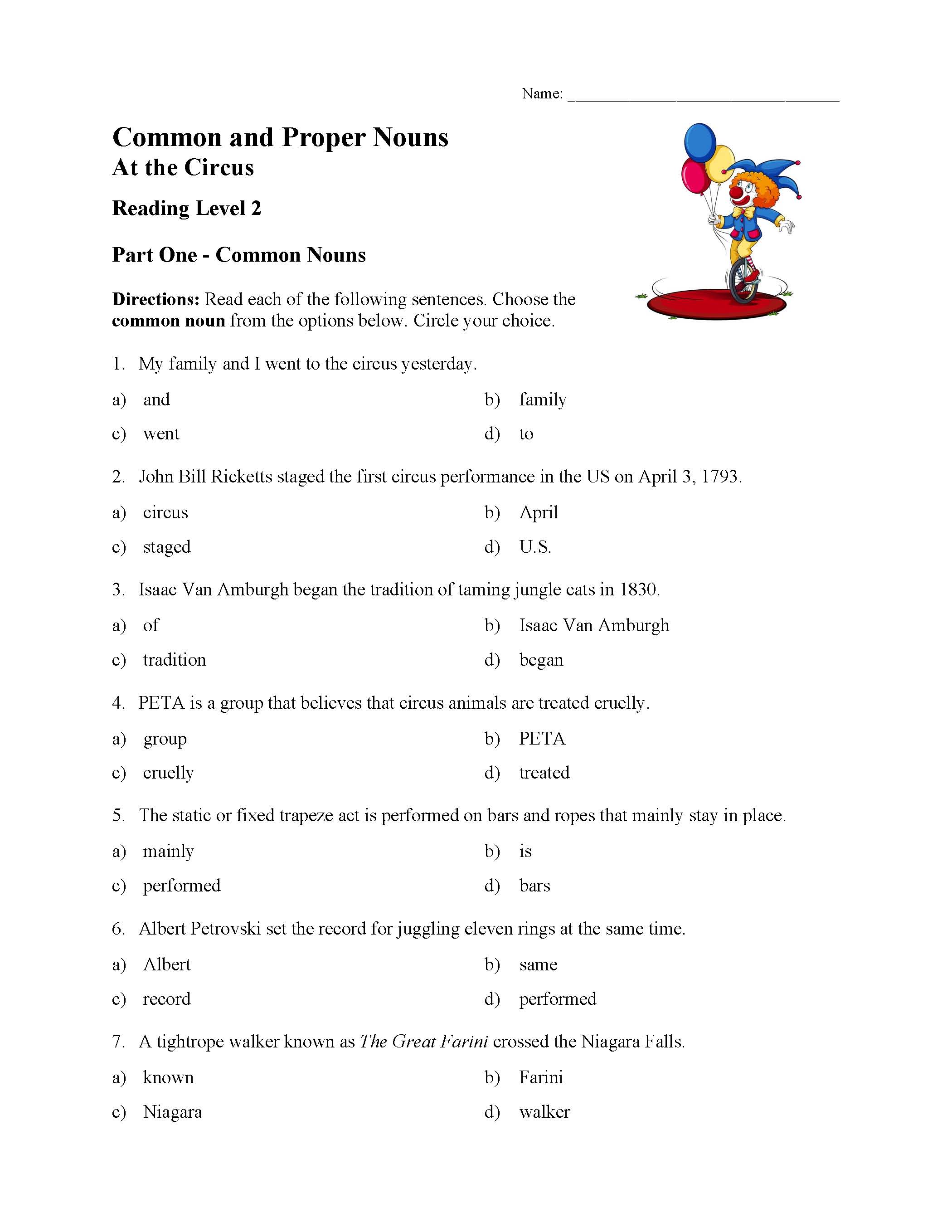
Test your knowledge of common and proper nouns.
In a classroom setting, teachers might opt for more comprehensive worksheets that align with their curriculum and teaching objectives. These worksheets could include detailed explanations, examples, and practice exercises, ensuring that students not only understand the concept but also have ample opportunity to apply it. Additionally, teachers can use these worksheets as a basis for group discussions, encouraging students to share their interpretations and creative expressions, fostering a collaborative learning environment.
Free printable worksheets on figurative language.
Creative Writing and Beyond: The Benefits of Figurative Language Practice
Practicing figurative language extends beyond the boundaries of the worksheet. It encourages students to think metaphorically, enhancing their descriptive writing skills and overall creativity. By incorporating similes, metaphors, and other figures of speech into their writing, students learn to paint vivid pictures with words, making their narratives and essays more engaging and memorable.
Middle school's guide to figurative language.
Furthermore, the skills developed through figurative language worksheet practice have real-world applications. From crafting persuasive arguments to expressing emotions effectively, the ability to use language creatively and figuratively is a valuable asset in various aspects of life, including communication, public speaking, and even career paths that involve writing or creative expression. Thus, investing time in these worksheets is not just an academic exercise but a long-term investment in personal growth and development.
Quick checks for figurative language review.
As educators and parents, we have the power to unlock our students' creative potential by providing them with engaging resources like figurative language worksheets. By offering a structured yet flexible approach to learning, these worksheets empower students to explore the beauty and power of language, opening doors to a world of creative expression and critical thinking.