



A Powerful Tool for Phonics Mastery
Phonics worksheets are an incredibly versatile and effective resource for any educator or parent looking to enhance a child's reading journey. These worksheets offer a structured and engaging way to reinforce phonics concepts, helping young learners master the building blocks of language. From recognizing letter sounds to blending and reading words, phonics worksheets provide a fun and interactive approach to learning.
Printable phonics: practice with Jace.
Unlocking the Power of Word Building
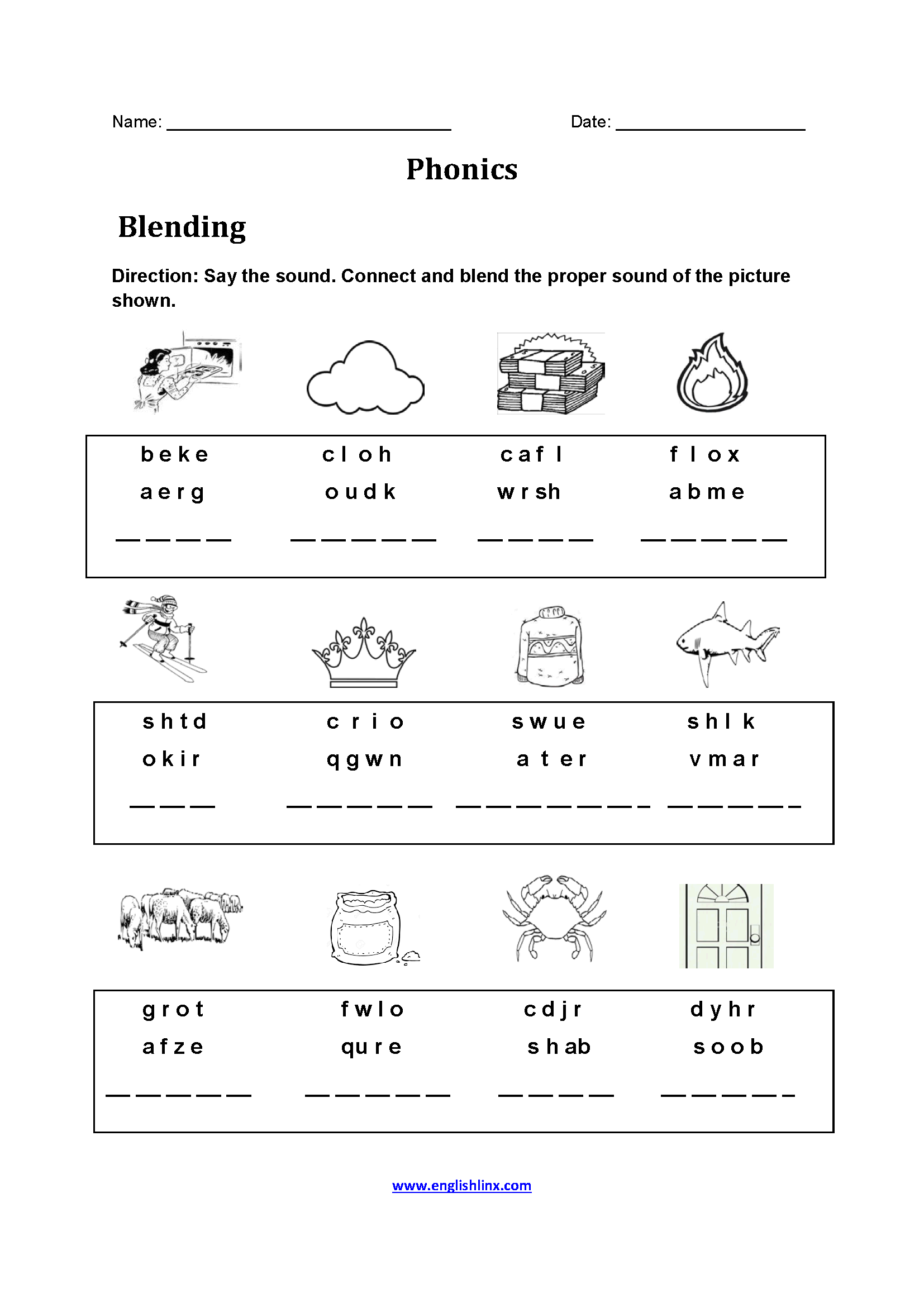
One of the key strengths of phonics worksheets lies in their ability to facilitate word building. By introducing children to the concept of word families and providing them with the tools to blend and read words, these worksheets empower learners to decode and understand written language. Word building activities on phonics worksheets often involve matching sounds to letters, forming simple words, and gradually progressing to more complex word structures. This progressive approach ensures that learners build a solid foundation in phonics, enabling them to read and comprehend texts with confidence.
Free phonics worksheets for all ages.
Who Benefits from Phonics Worksheets?
Phonics worksheets are suitable for a wide range of learners, from early readers to those in the initial stages of reading development. Whether used in a classroom setting, as part of a homeschooling curriculum, or for additional practice at home, phonics worksheets cater to various learning environments and needs. They are particularly beneficial for beginners who are just starting to grasp the relationship between sounds and letters, as well as for more advanced learners who can benefit from the structured practice and reinforcement of phonics concepts.
Learning phonics with fun kids' activities.
How Do Phonics Worksheets Support Learning?
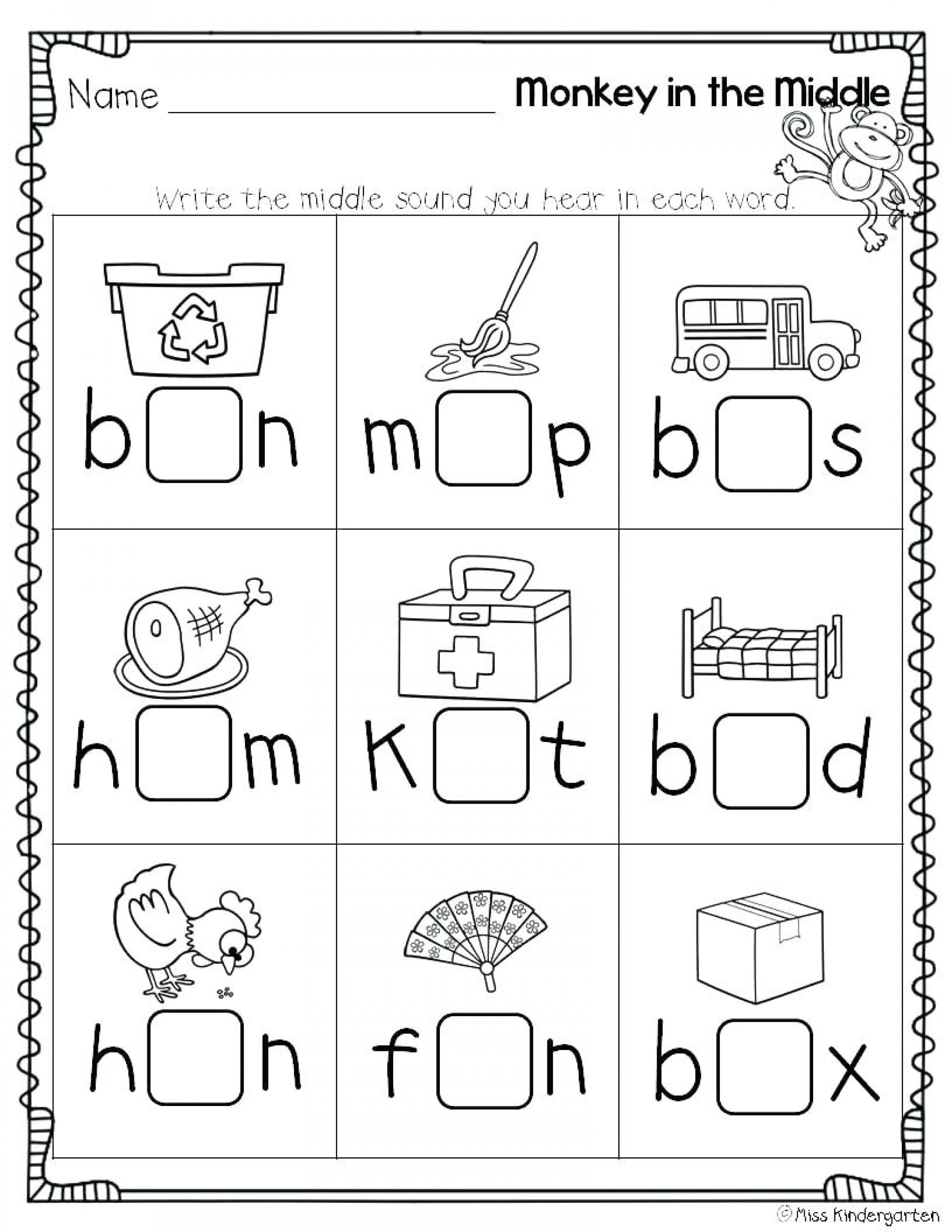
Phonics worksheets offer a multitude of benefits and support learning in various ways. Firstly, they provide a hands-on and interactive approach to learning, engaging children and making the process enjoyable. The cut-and-paste worksheets, for instance, allow learners to physically manipulate and arrange letters, fostering a deeper understanding of word formation. Additionally, phonics worksheets often incorporate a variety of activities, such as matching, tracing, and writing, which cater to different learning styles and preferences. This variety ensures that learners remain engaged and motivated throughout their reading journey.
Kindergarten phonics: print and practice.
People Also Ask: What Skills Do Phonics Worksheets Target?
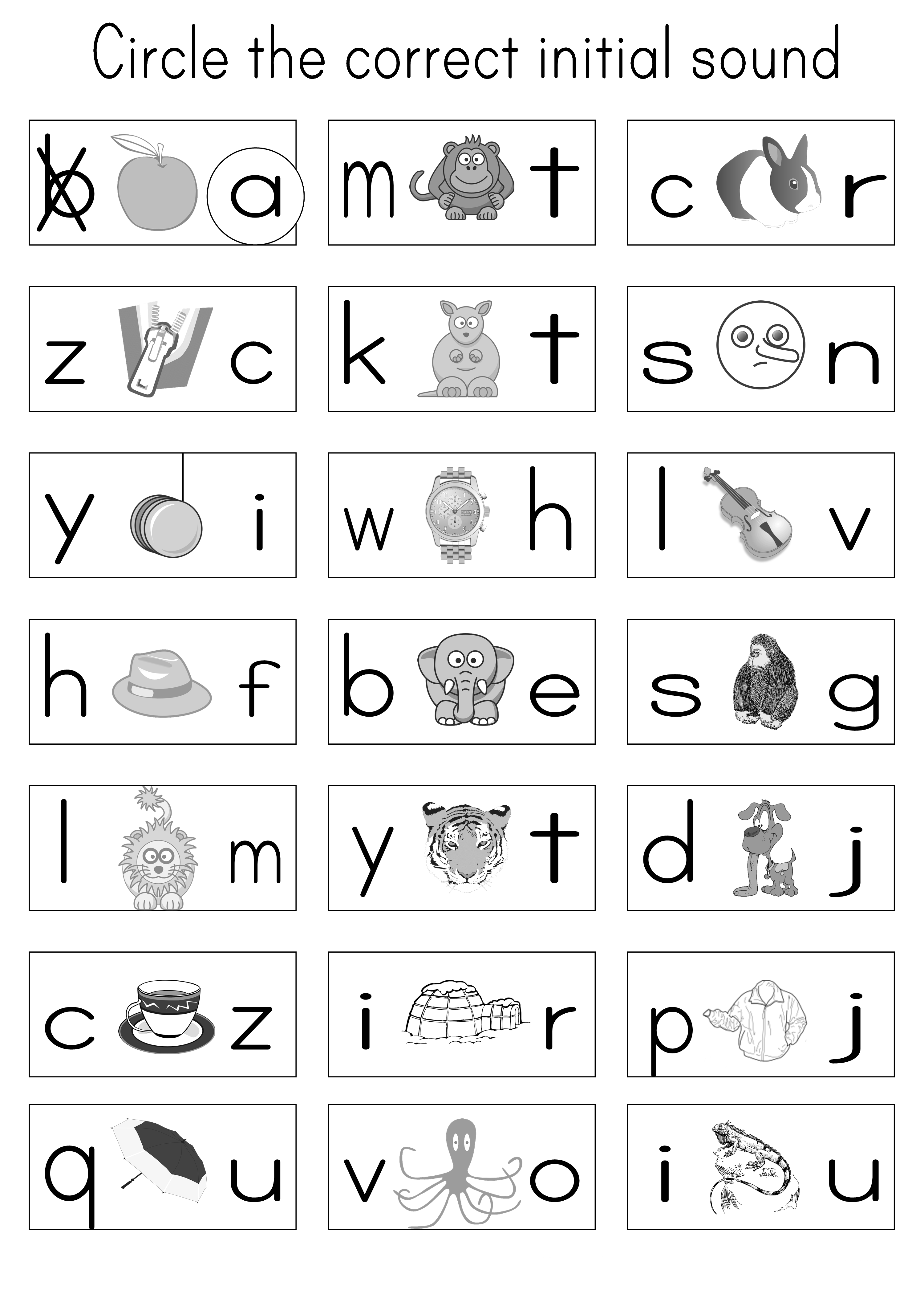
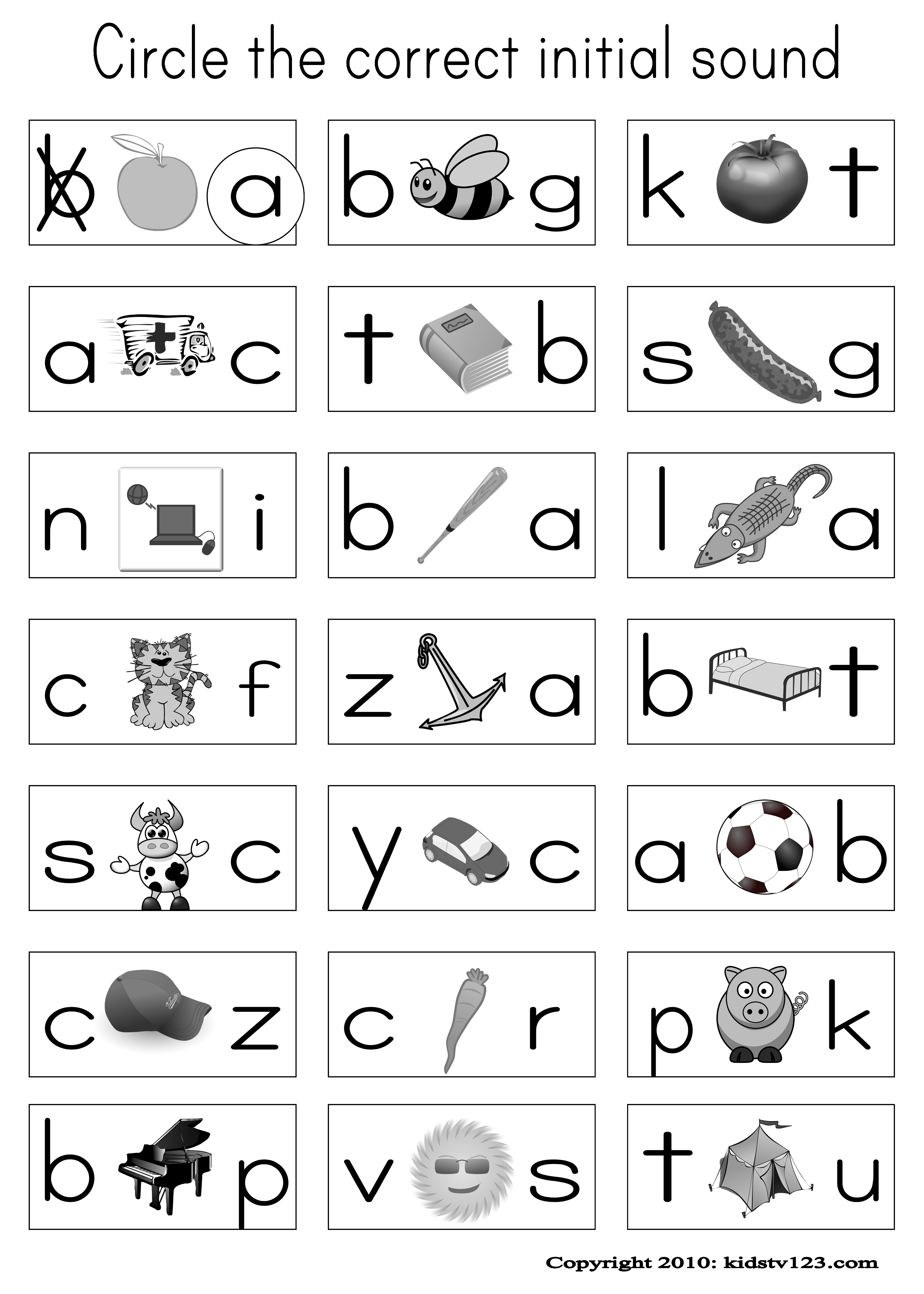
Phonics worksheets target a range of essential skills that are fundamental to reading and language development. One key skill is phonemic awareness, which involves the ability to recognize and manipulate individual sounds in words. Phonics worksheets often include activities that focus on isolating and identifying specific sounds, helping learners develop this crucial skill. Additionally, phonics worksheets reinforce letter-sound correspondence, enabling children to associate letters with their corresponding sounds and vice versa. This skill is vital for decoding words and reading fluently.
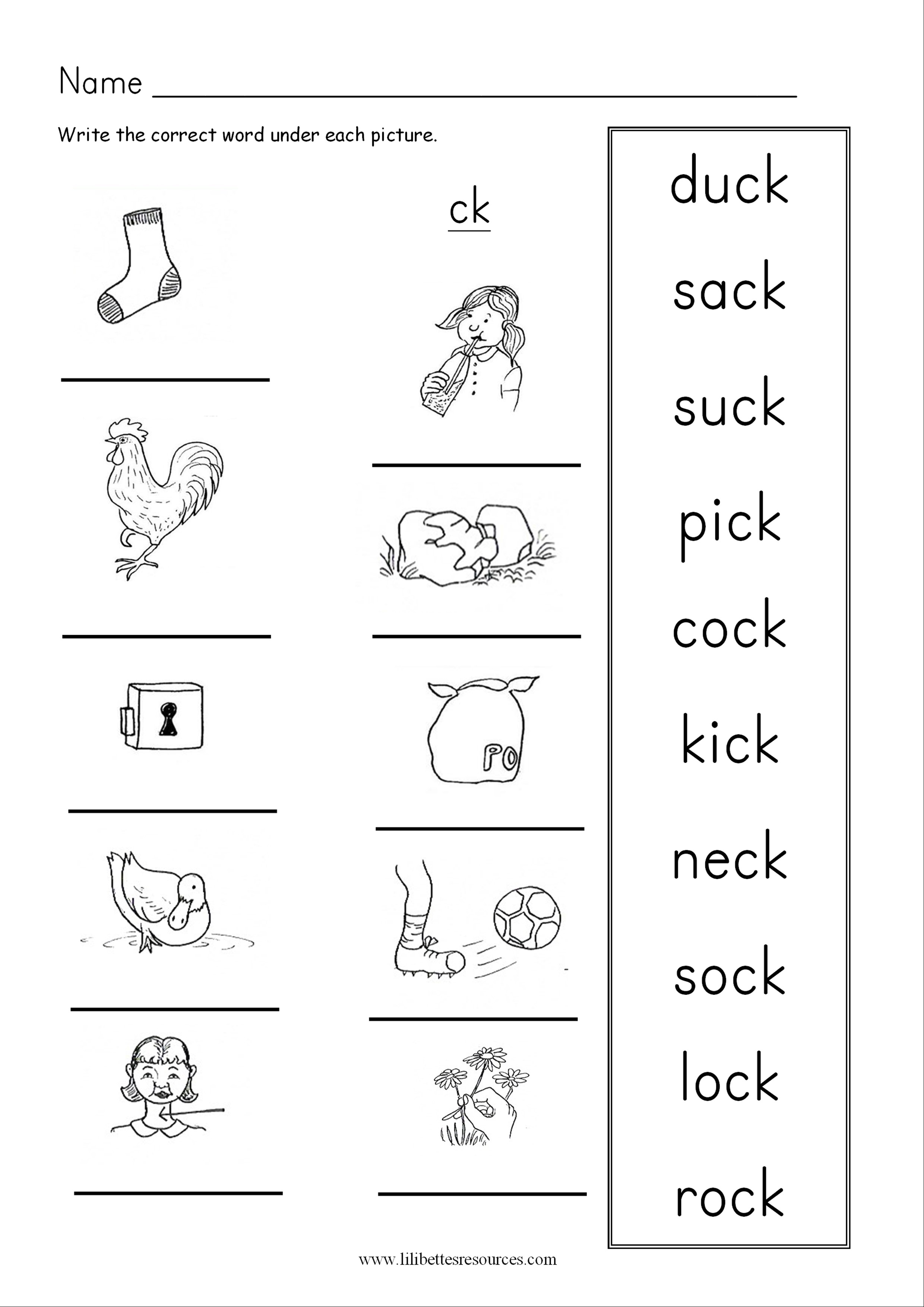
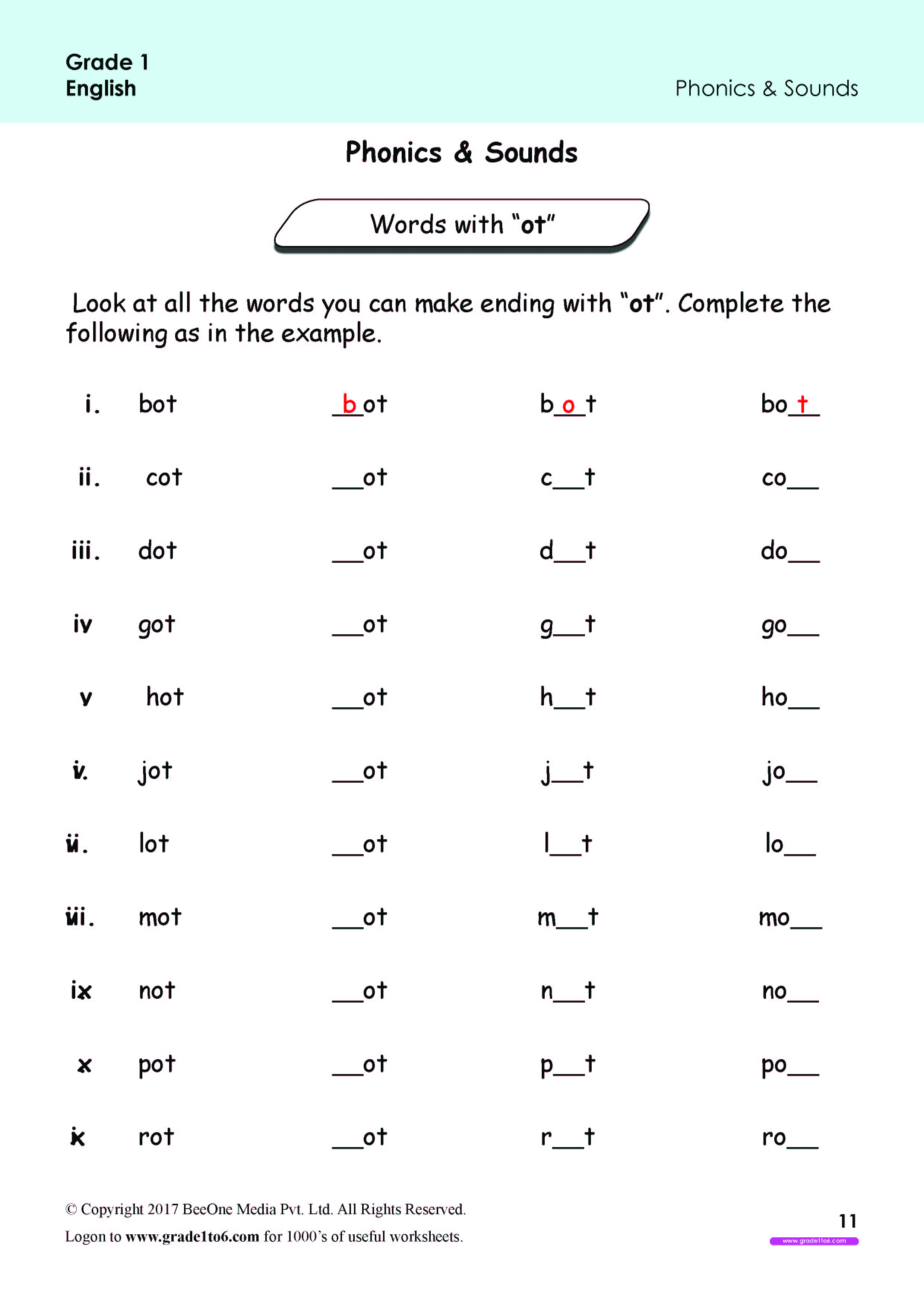
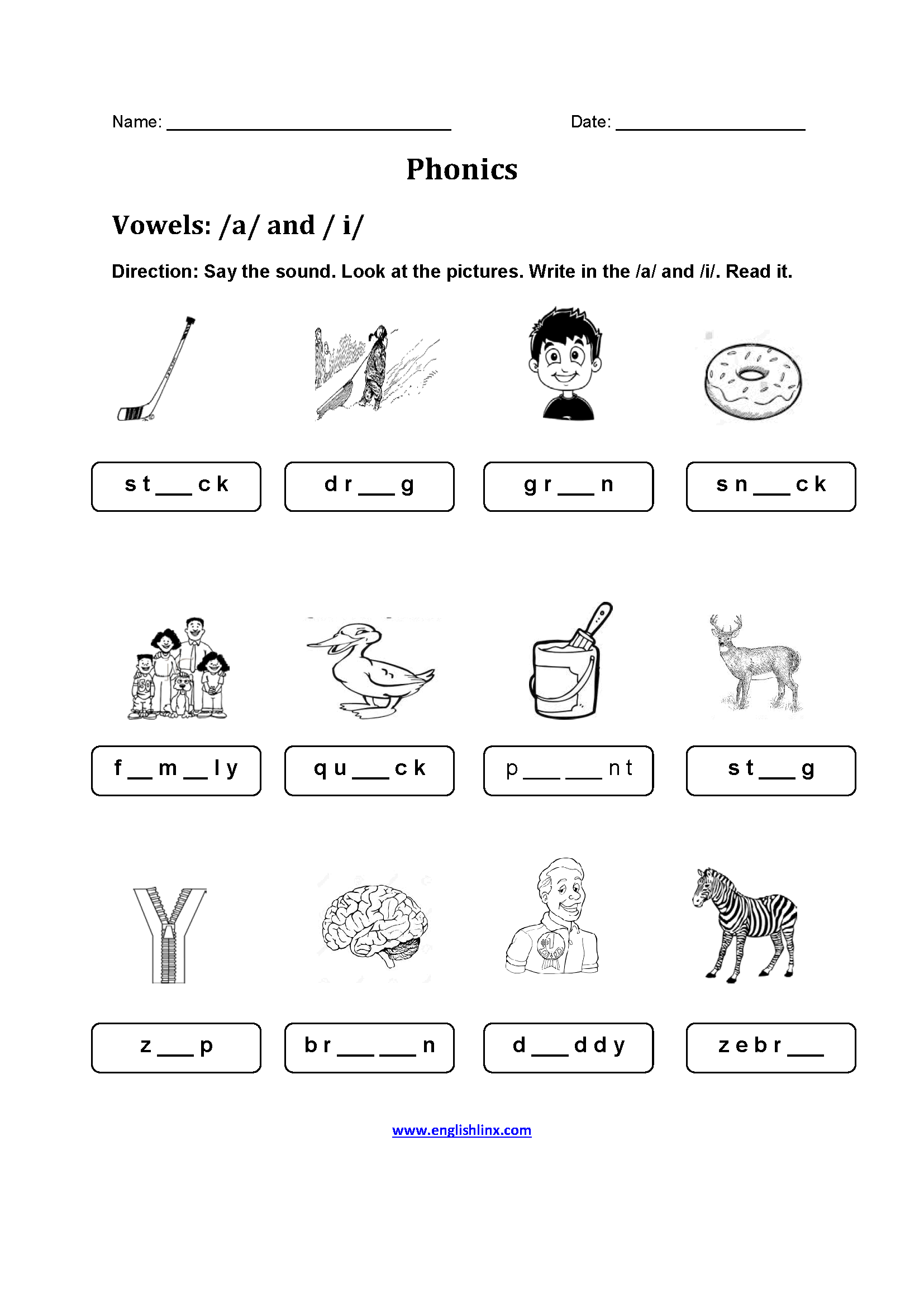
Short vowel phonics worksheets: free.
How Can I Use Phonics Worksheets Effectively?
To make the most of phonics worksheets, it's important to consider a few practical aspects. Firstly, ensure that you choose worksheets that are appropriate for your child's age and reading level. Worksheets that are too easy may not provide sufficient challenge, while those that are too difficult can be frustrating and demotivating. It's also beneficial to create a dedicated learning space, whether it's a quiet corner at home or a designated area in the classroom, where your child can focus and engage with the worksheets. Additionally, consider the printing and storage options. Having a readily accessible supply of worksheets ensures that learning can happen spontaneously and regularly.
Earthworm-themed phonics for grades 2-3.
A Journey from Simple to Complex
Phonics worksheets offer a structured progression from simple to complex phonics concepts. Beginners can start with basic letter-sound correspondence and word-building activities, gradually moving on to more advanced tasks as their skills develop. This progressive approach ensures that learners build a strong foundation and can tackle increasingly challenging reading materials with confidence. As they progress, phonics worksheets introduce more complex word families, sight words, and sentence structures, preparing learners for more advanced reading and writing tasks.
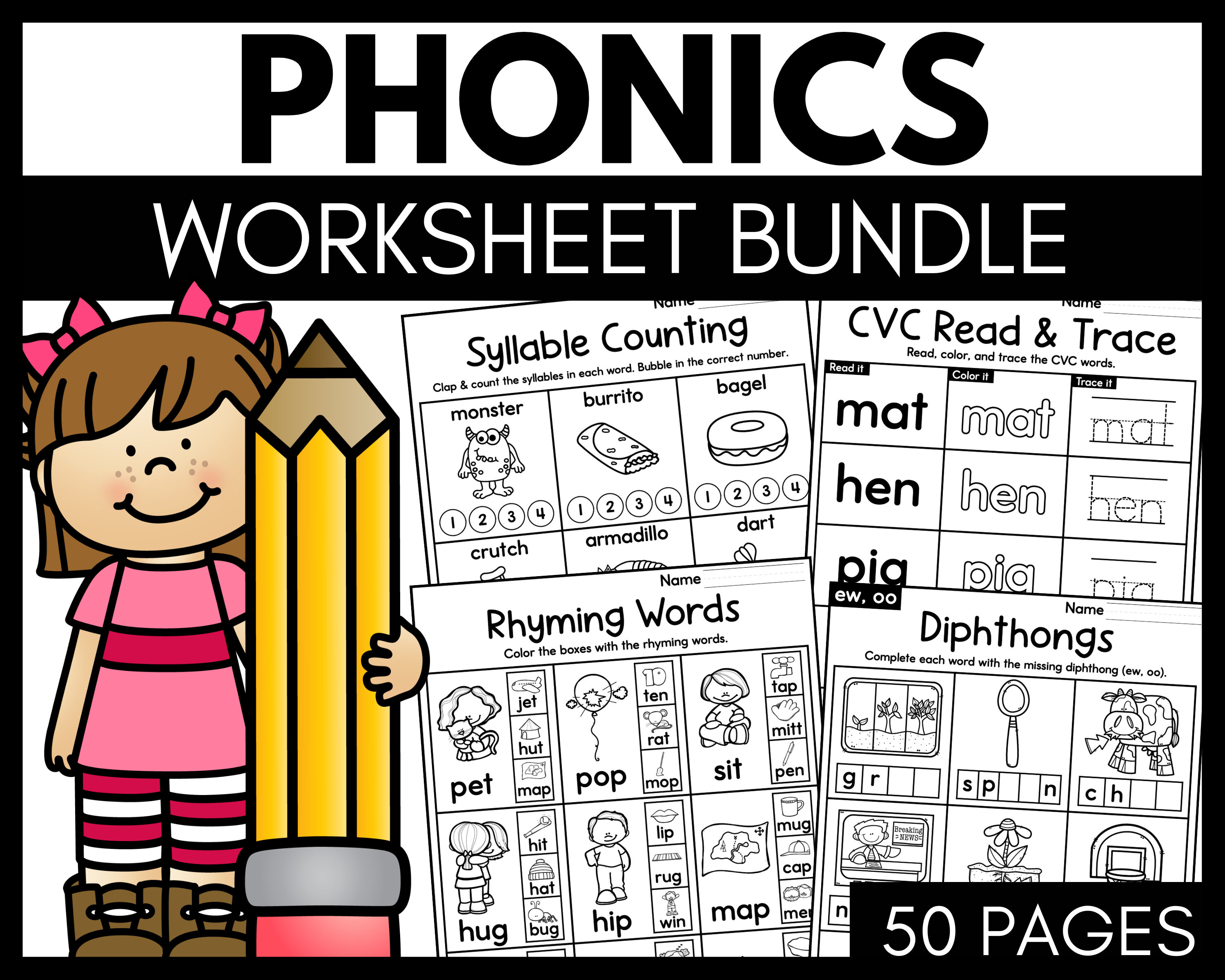
1st grade CVC phonics: short vowels.
A Fun and Engaging Learning Experience
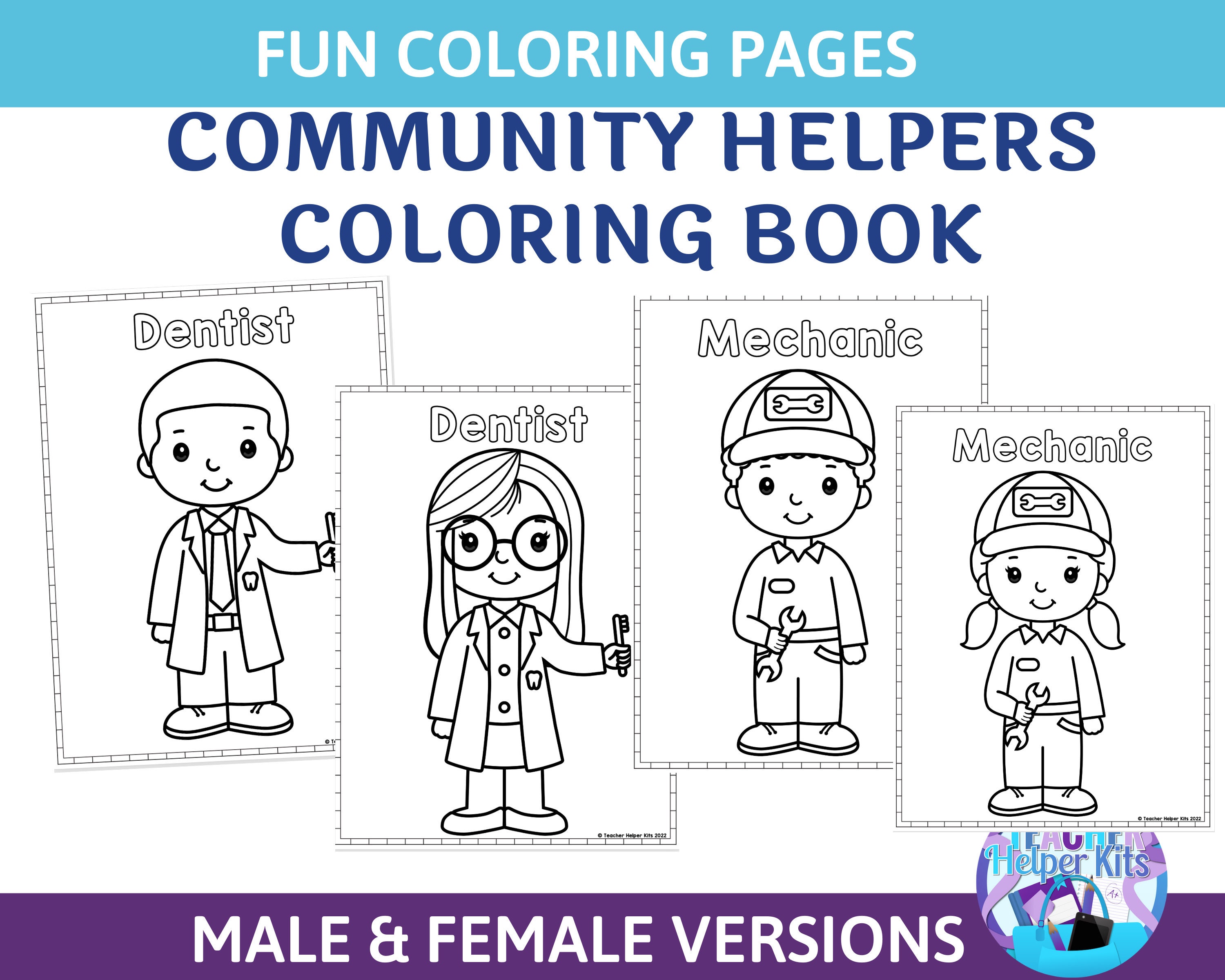
Phonics worksheets are not just about learning; they are designed to be fun and engaging. Many worksheets incorporate colorful illustrations, interactive activities, and creative themes that capture children's interest and imagination. This approach ensures that learning is not only effective but also enjoyable. By making phonics practice a fun activity, children are more likely to stay motivated and engaged, leading to better learning outcomes.
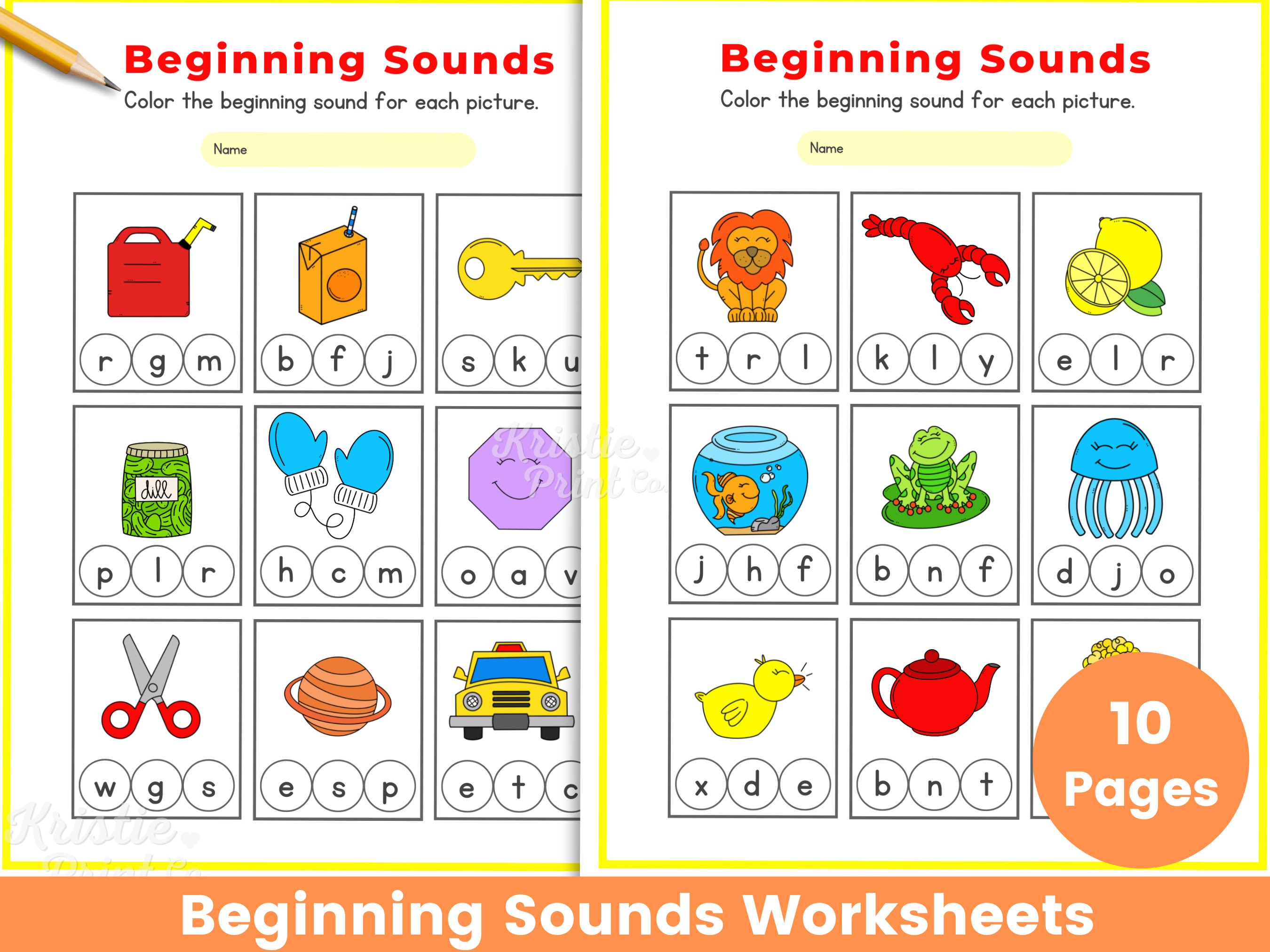
Color and learn with phonics.
Conclusion: A Valuable Addition to Any Reading Journey
In conclusion, phonics worksheets are a powerful tool that can significantly enhance a child's reading journey. By providing structured practice, engaging activities, and a progressive approach to learning, these worksheets help build a strong foundation in phonics. Whether used in a classroom, homeschool, or as additional practice at home, phonics worksheets offer a versatile and effective resource for educators and parents alike. With their focus on word building, letter-sound correspondence, and phonemic awareness, phonics worksheets are a valuable addition to any reading curriculum, supporting learners as they develop essential reading skills and a love for language.